Dark Academia UI design style
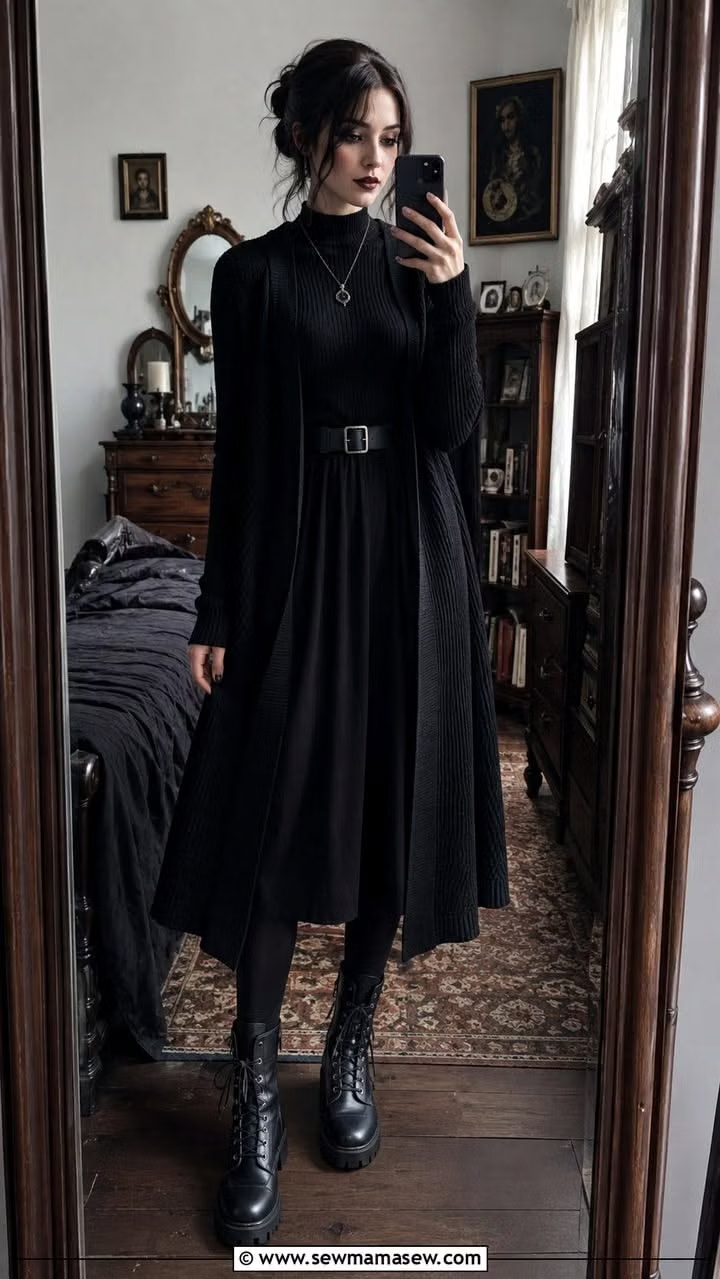
Moody scholarly visuals use serif typography, parchment, dark wood, muted earth tones, and archival details.
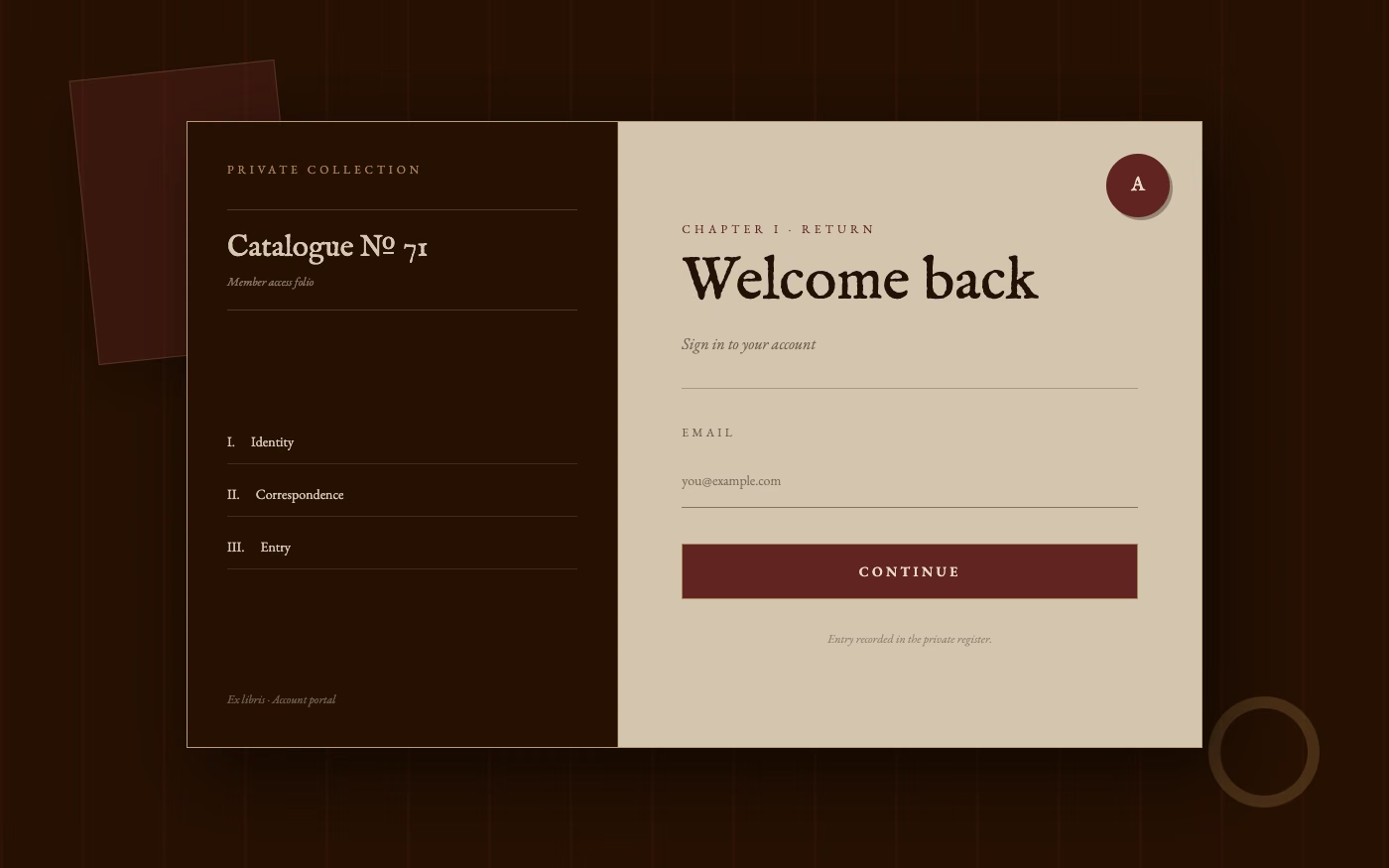
Design overview
- Signature elements
- old-style serif type, parchment tones, dark wood, archival imagery, marginalia, scholarly ornament. In daisyUI themes, set `--noise: 1;` and `--depth: 1;`.
- Best suited to
- Reading apps, museums, education platforms, literary brands, and knowledge tools.
- Layout principles
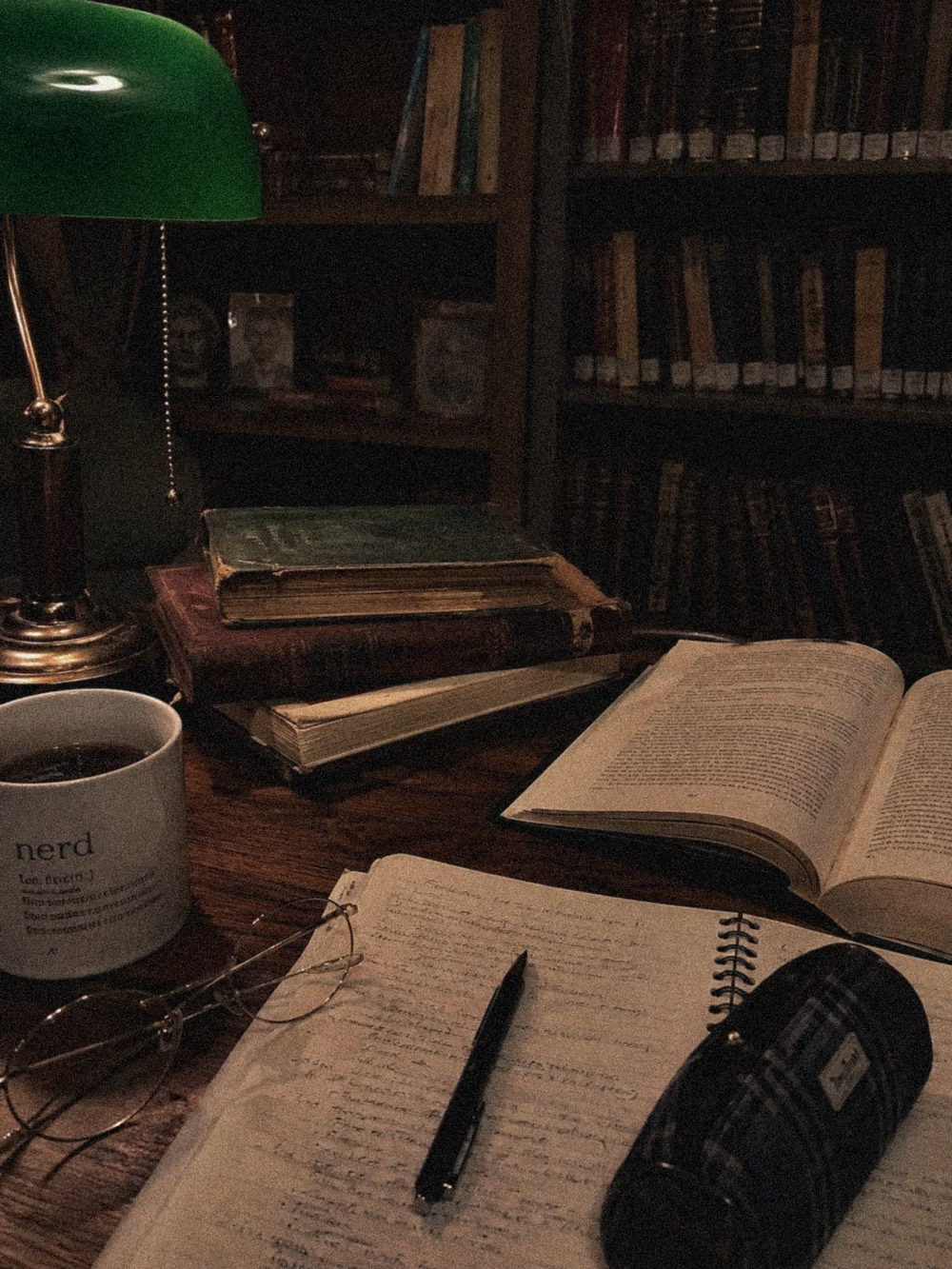
- Organize content like a library desk or annotated volume, using reading columns, marginal notes, catalog panels, and layered archival references.
History and origins
A fact-checked account of where this visual language came from, with links to the references used.
- Period
- Online formation in the 2010s; mass visibility around 2020
- Origin
- Tumblr and other transnational social platforms
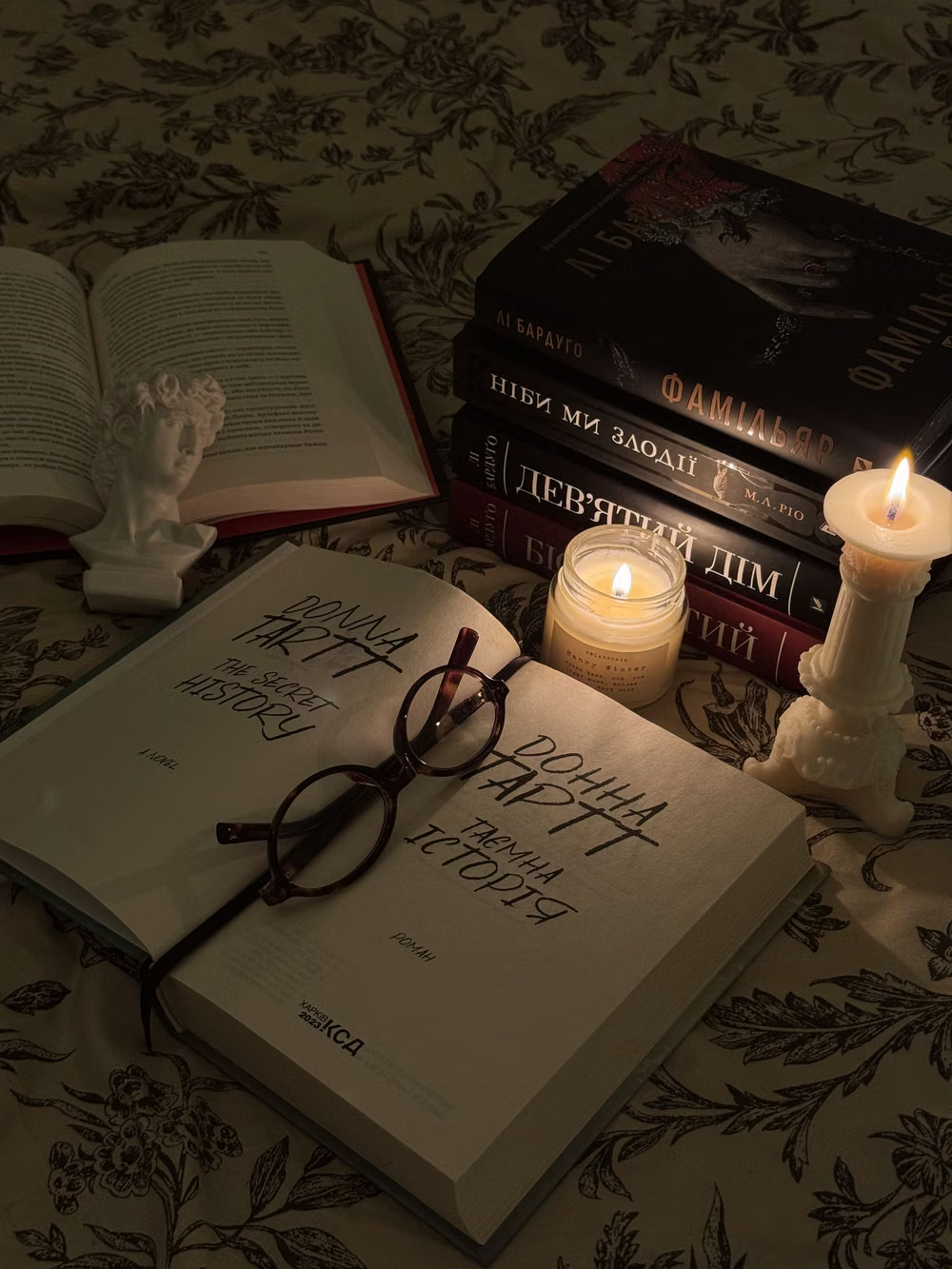
Dark Academia is an internet aesthetic rather than a historic academic style. Scholarship traces its literary imagination to works including Donna Tartt’s 1992 novel The Secret History and its community formation to 2010s Tumblr fandom; pandemic-era social media then broadened the look of old universities, classical art, uniforms, candlelight, and melancholy study.
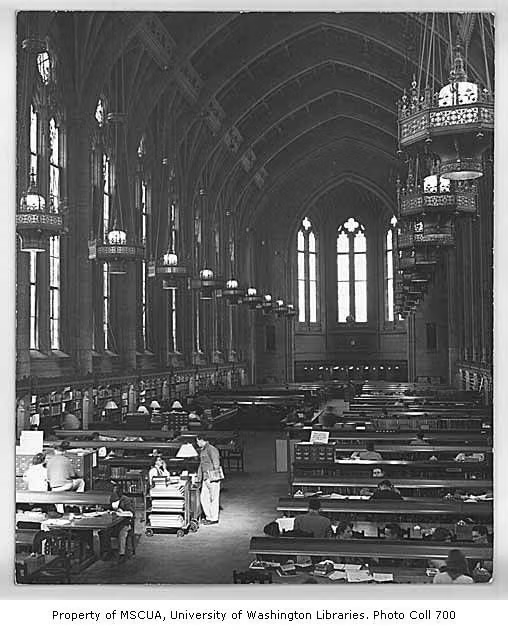
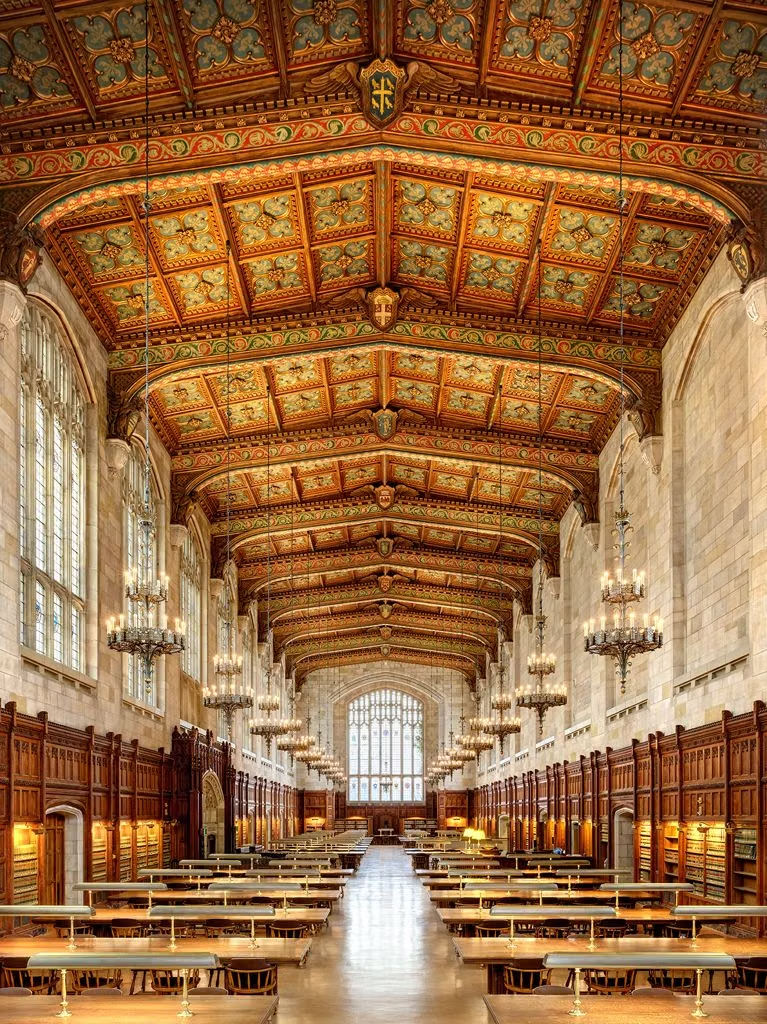
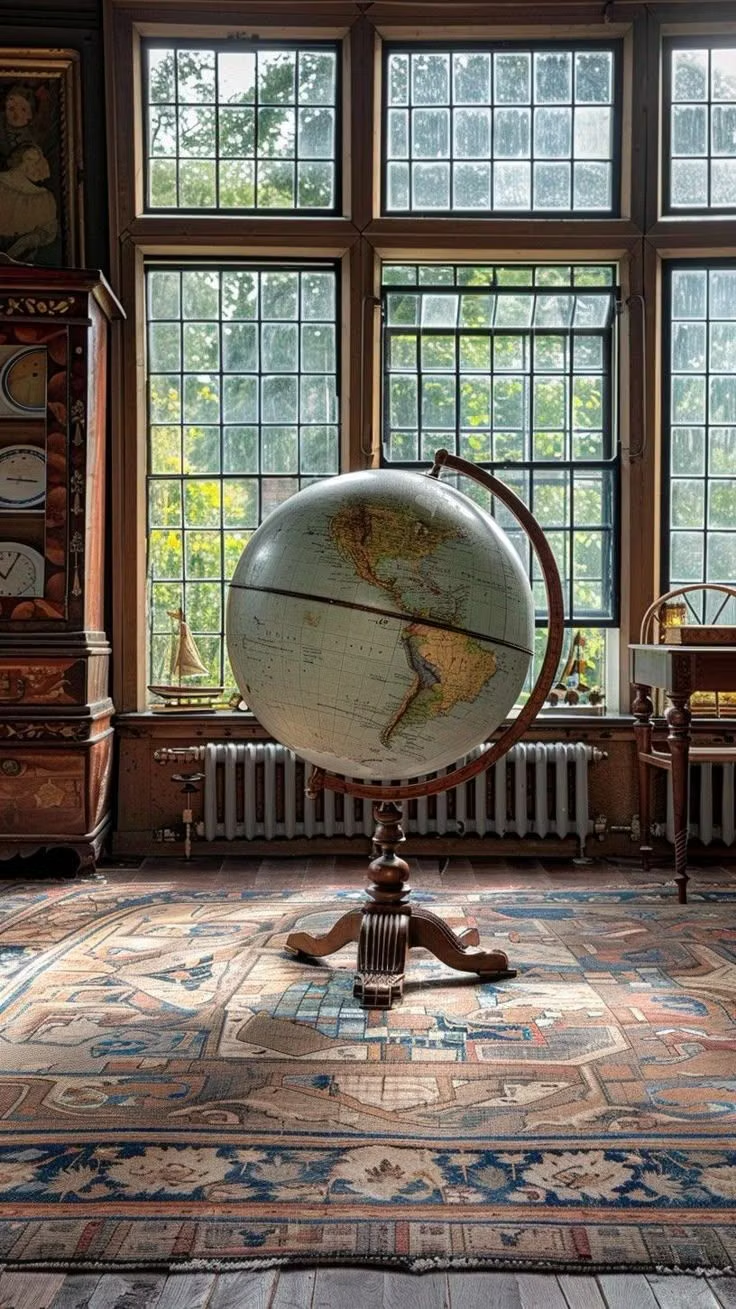
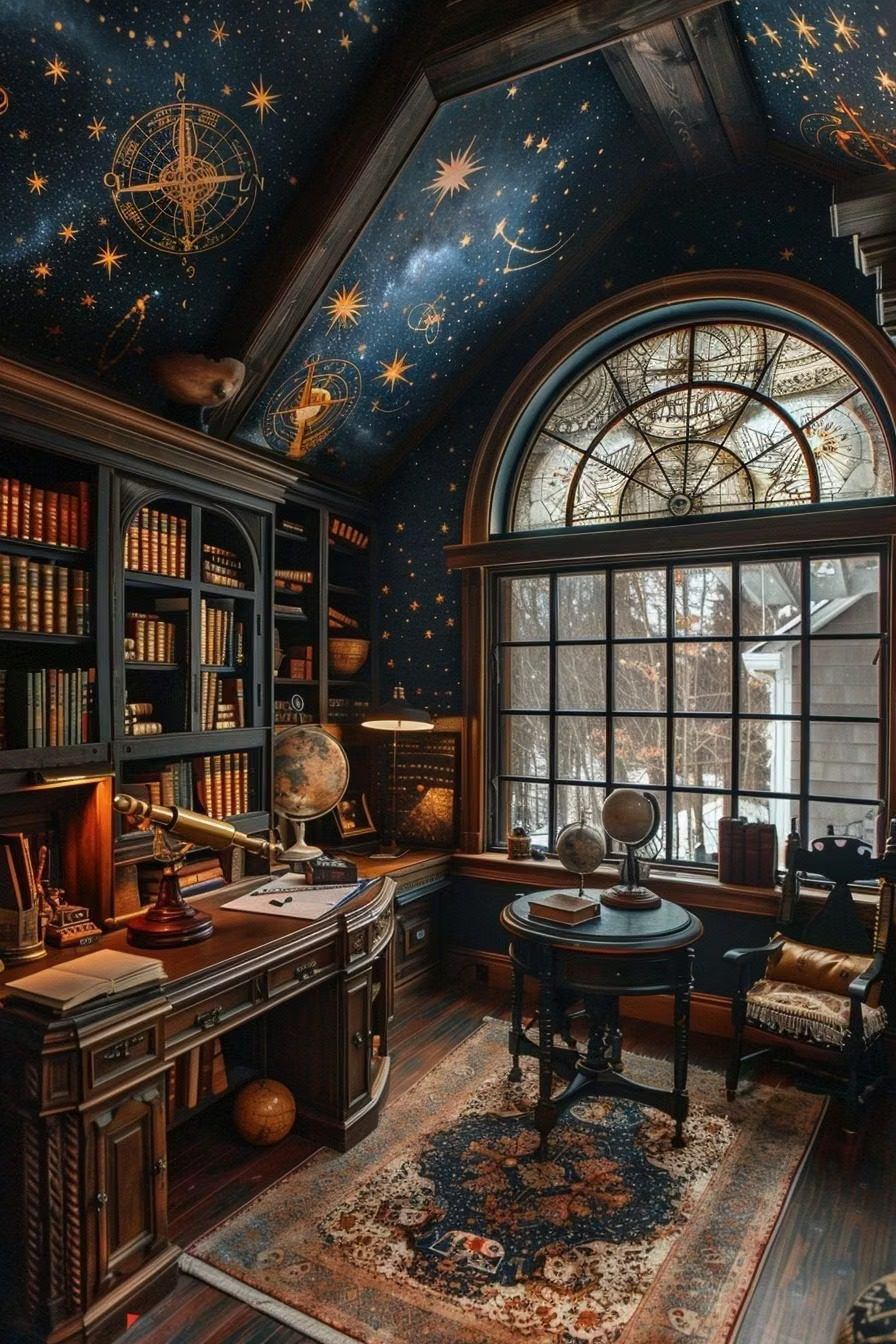
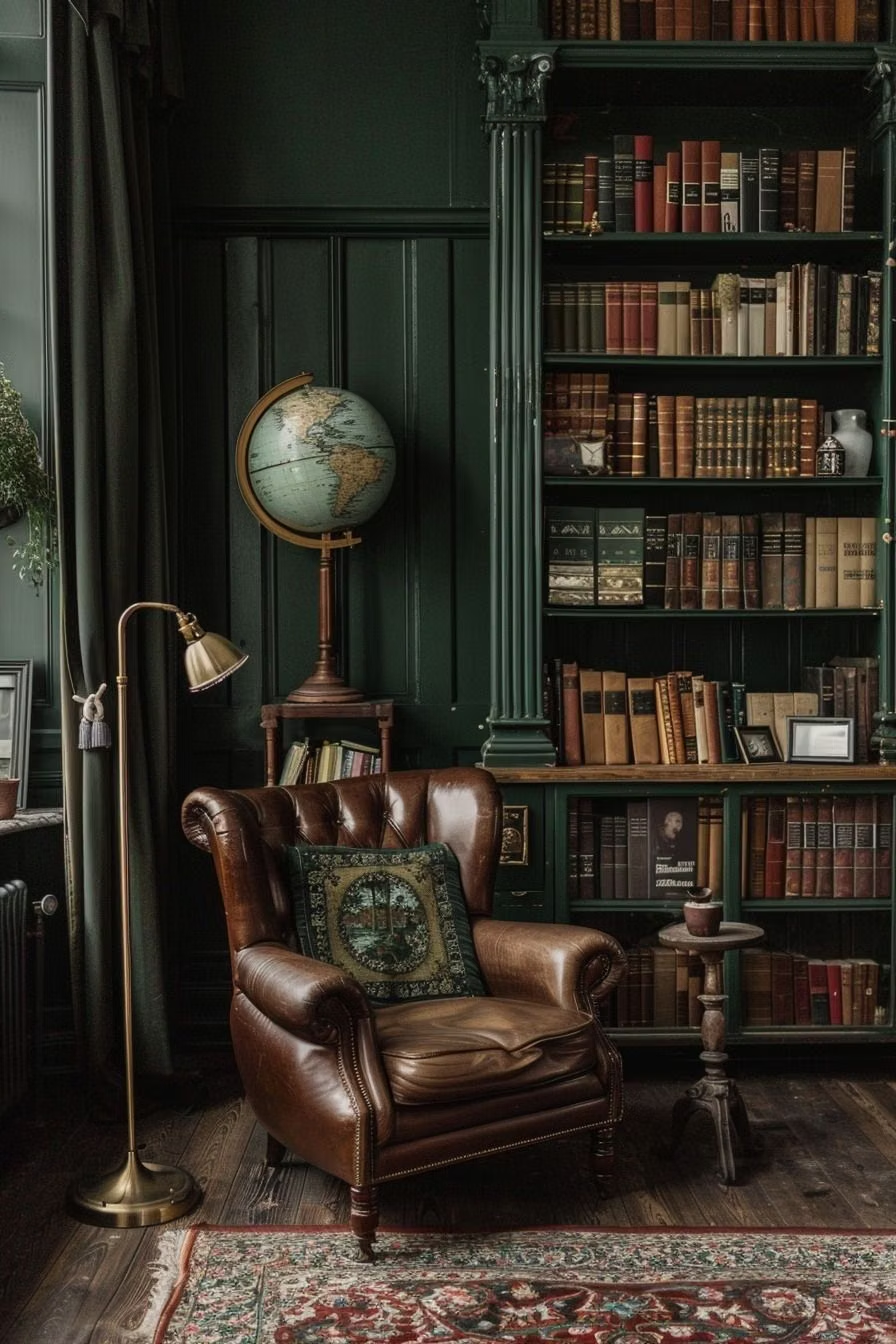
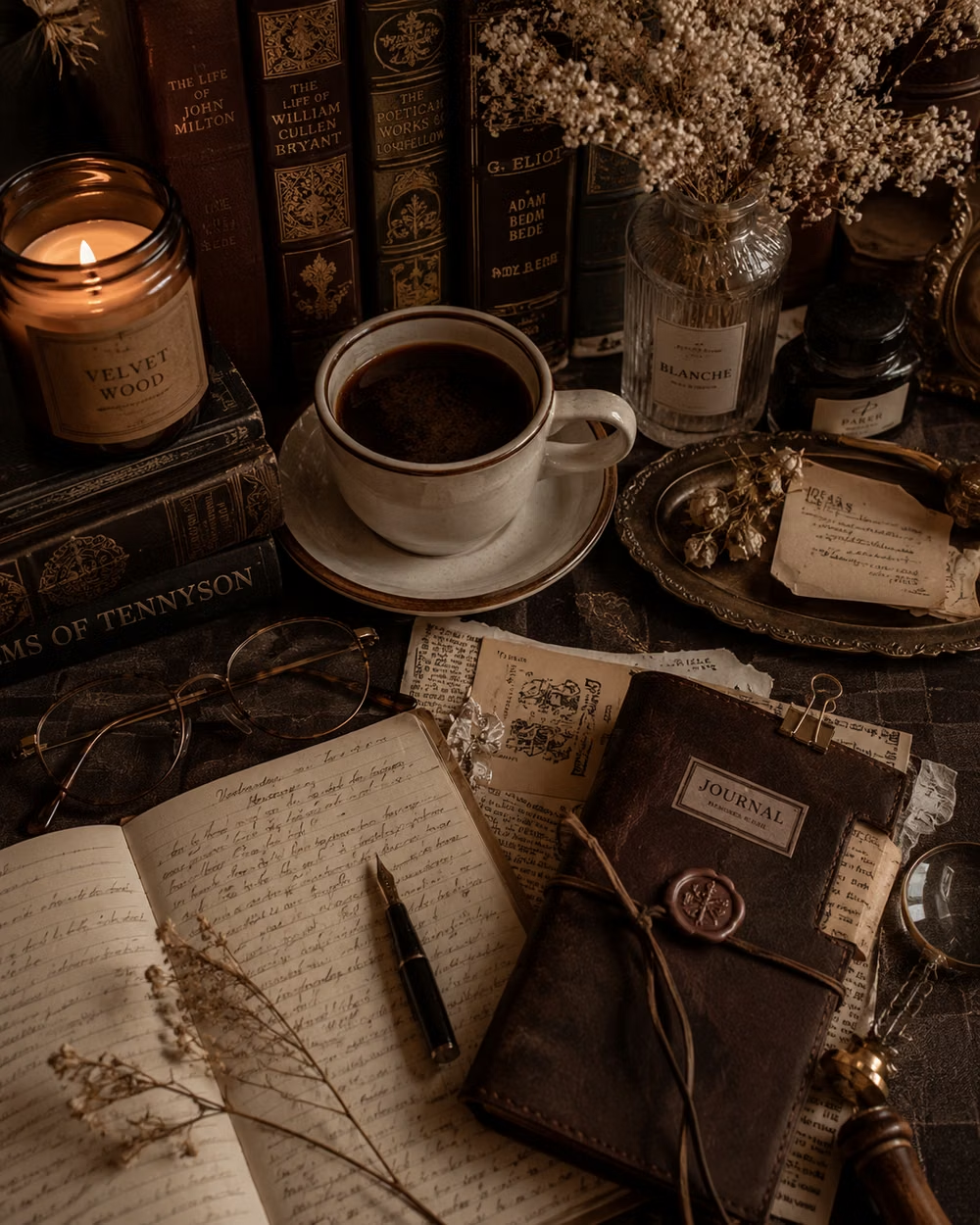
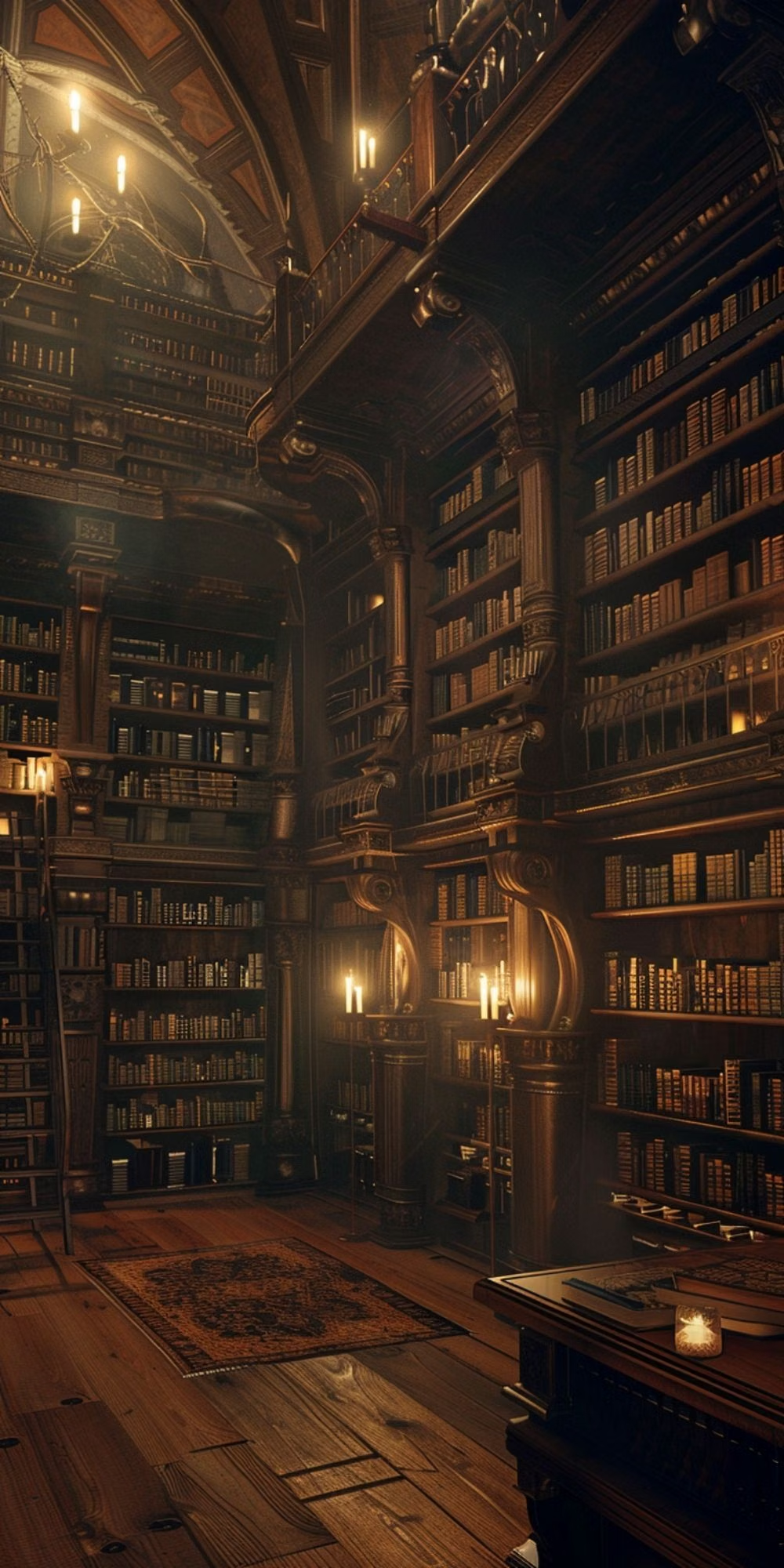
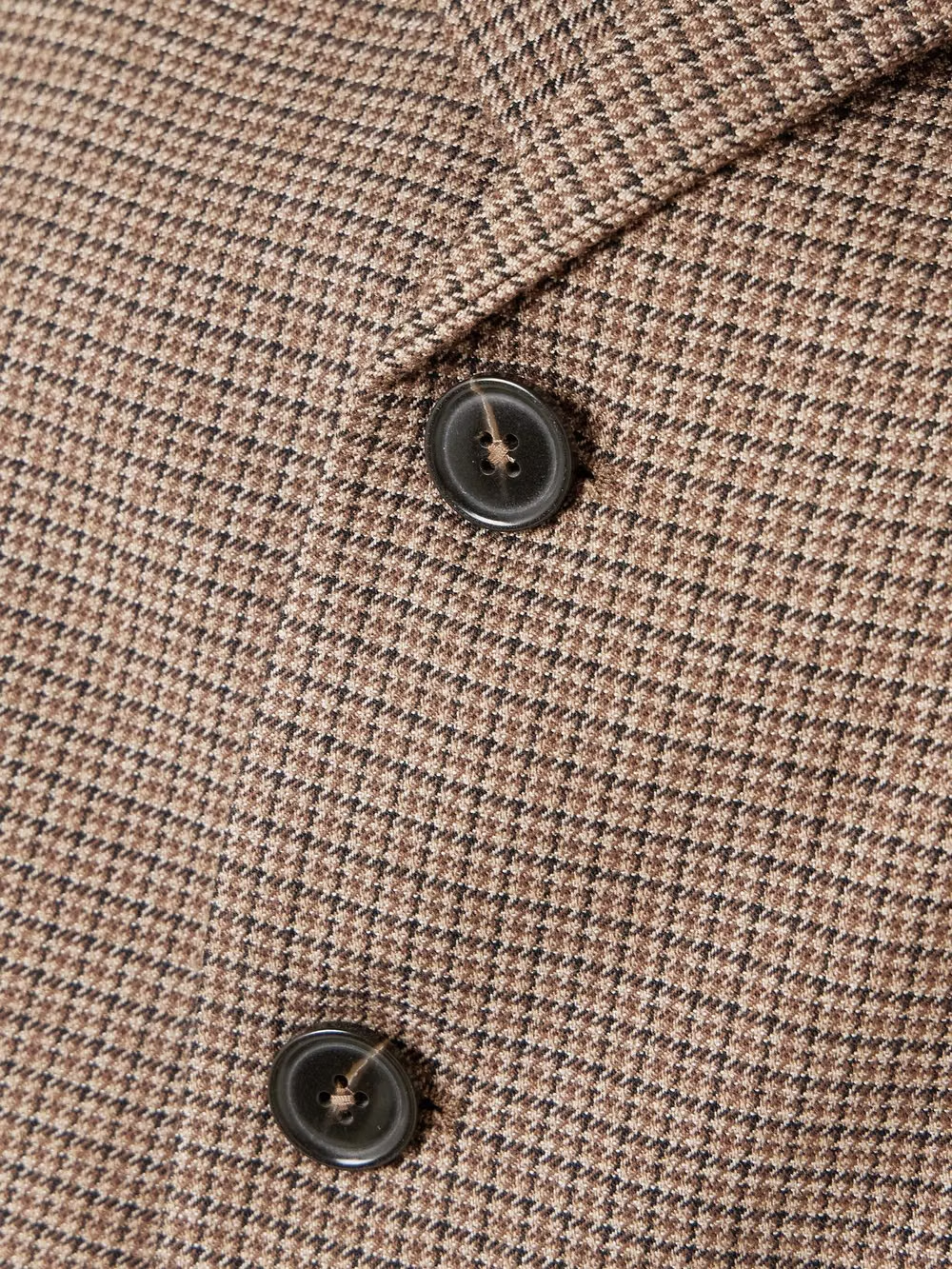
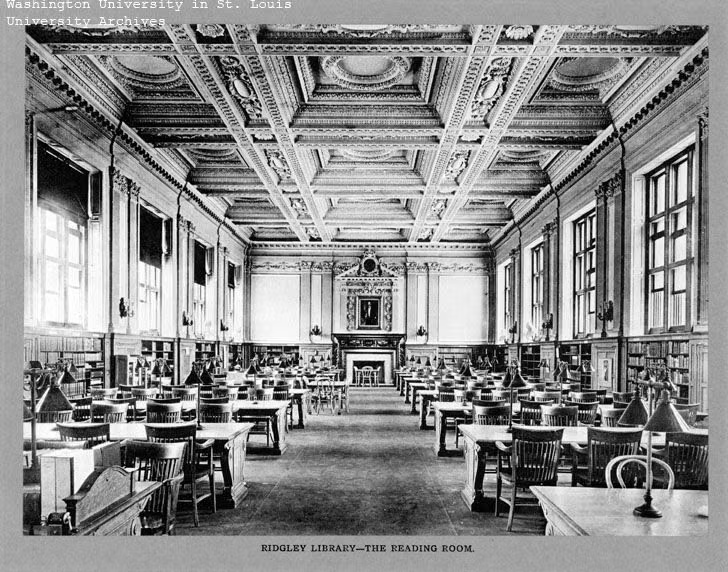
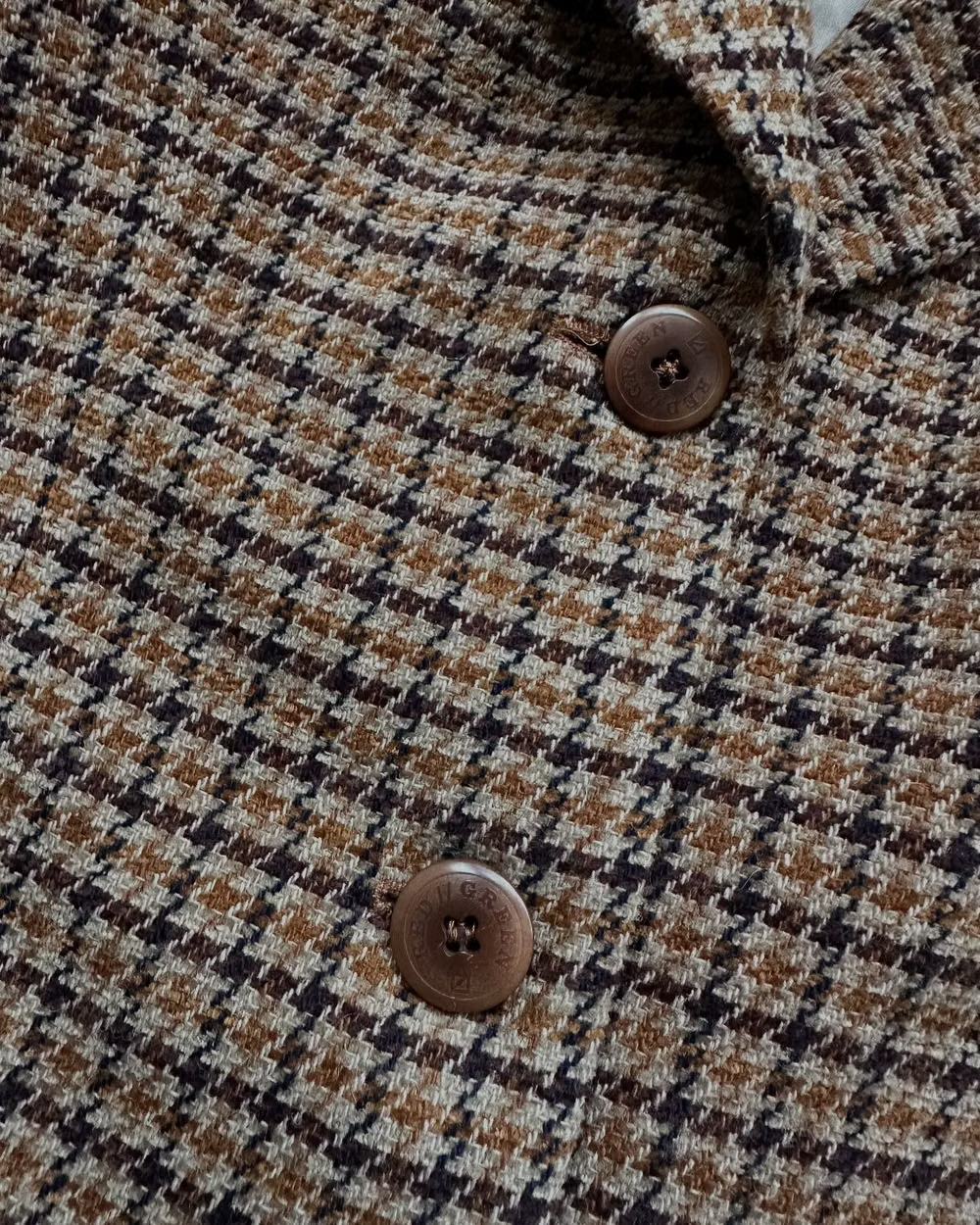
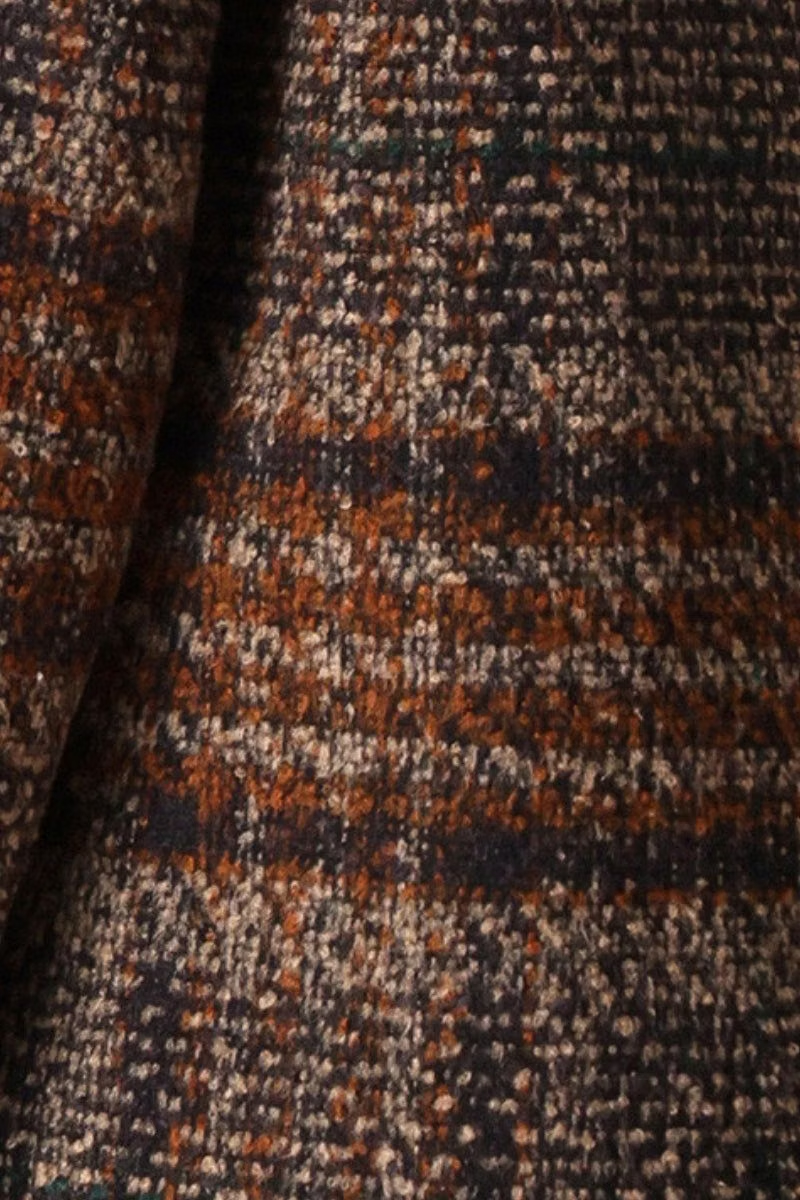
Moodboard and visual references
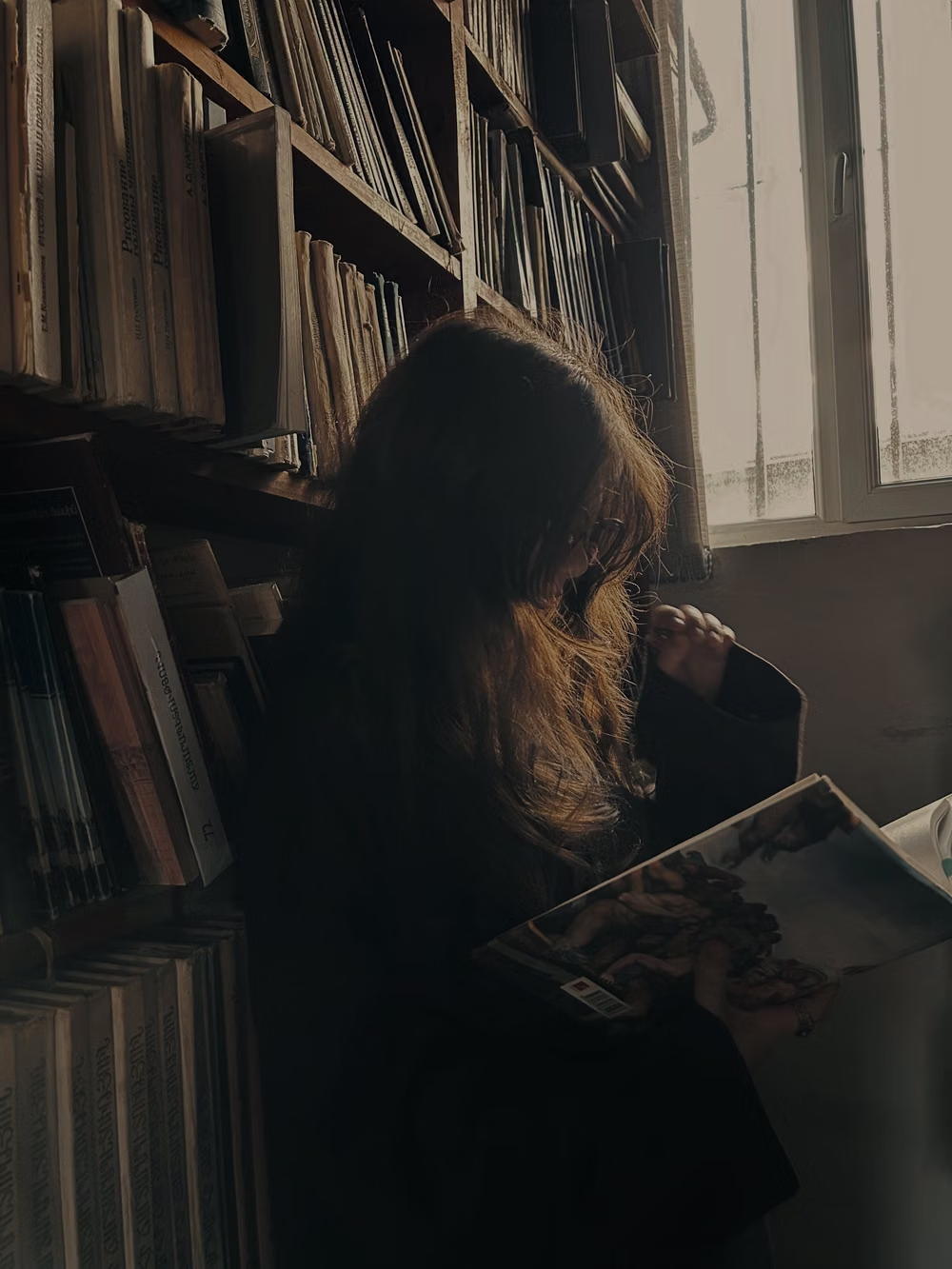
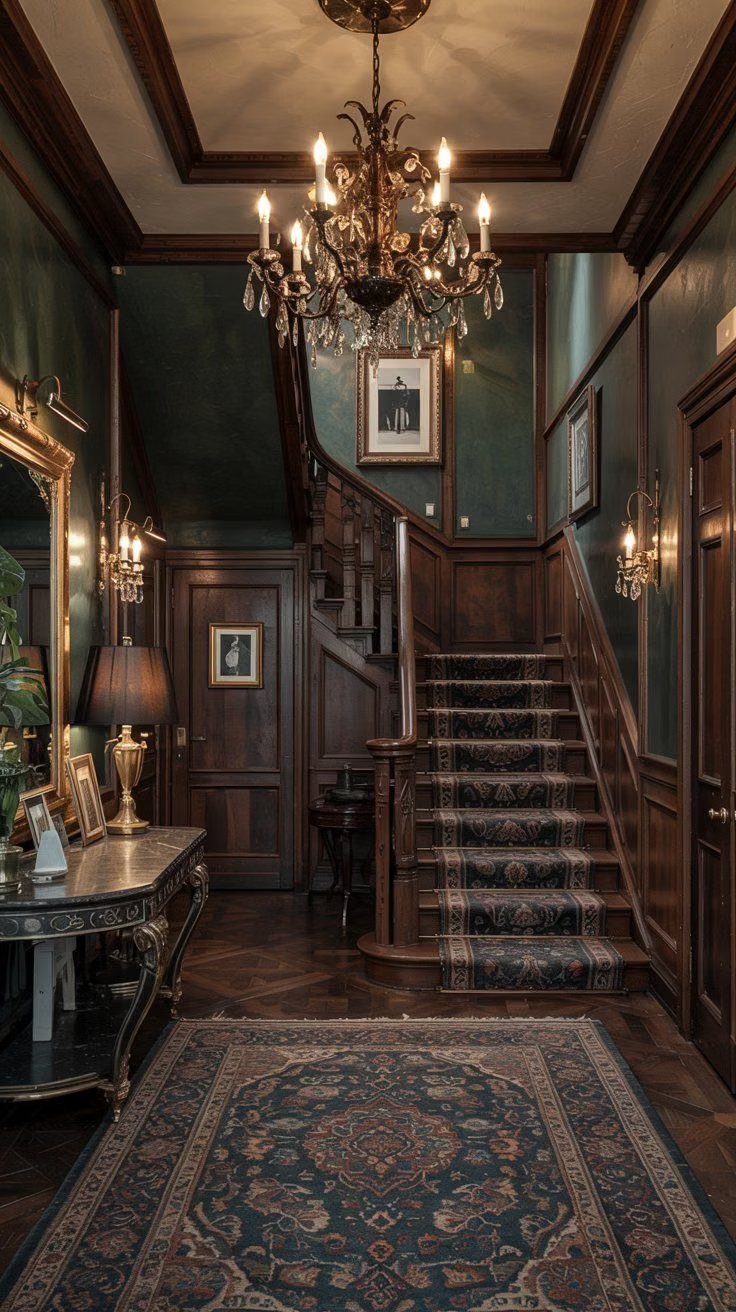
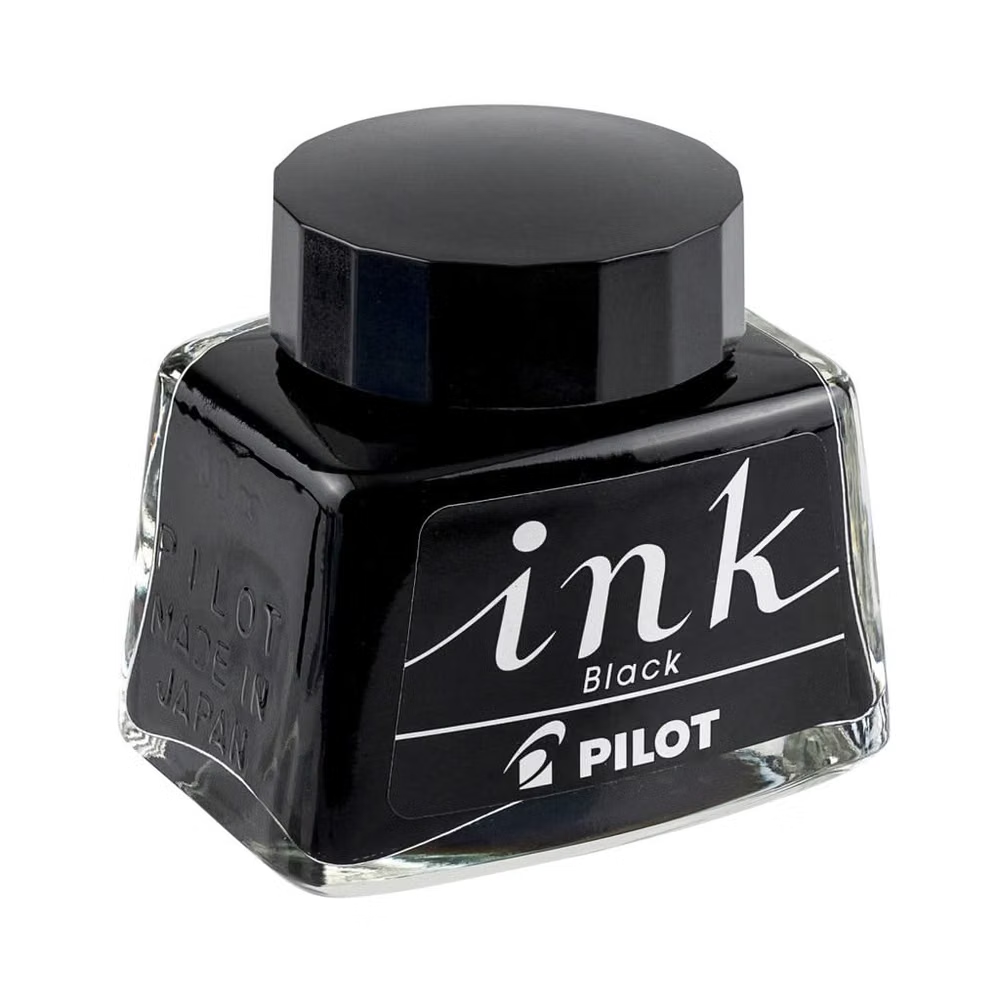
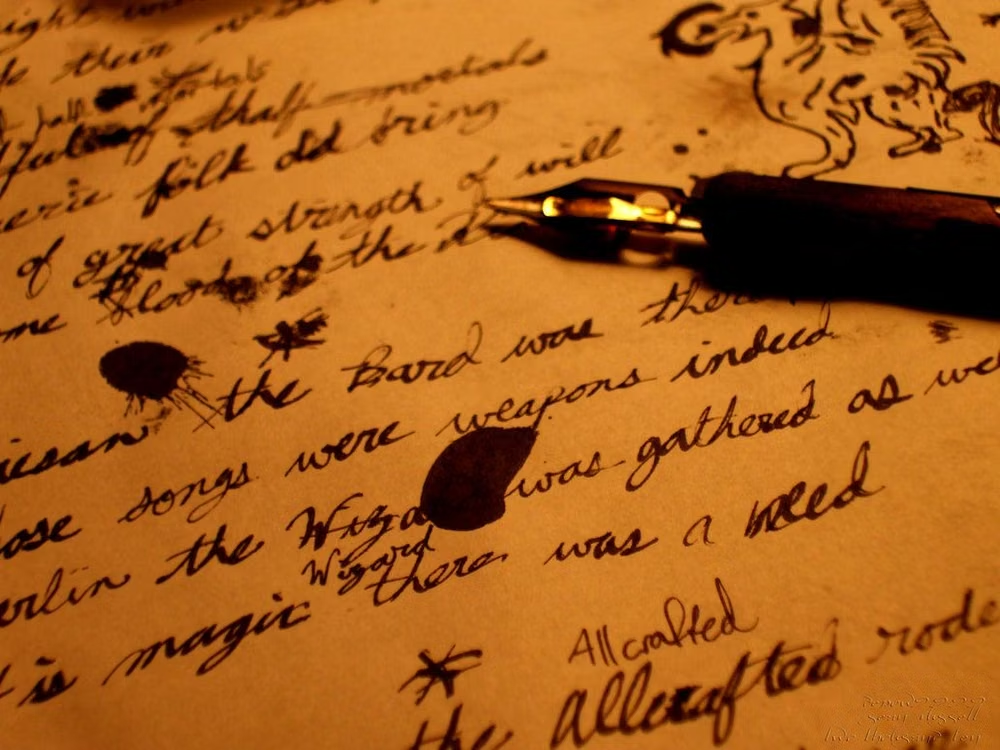
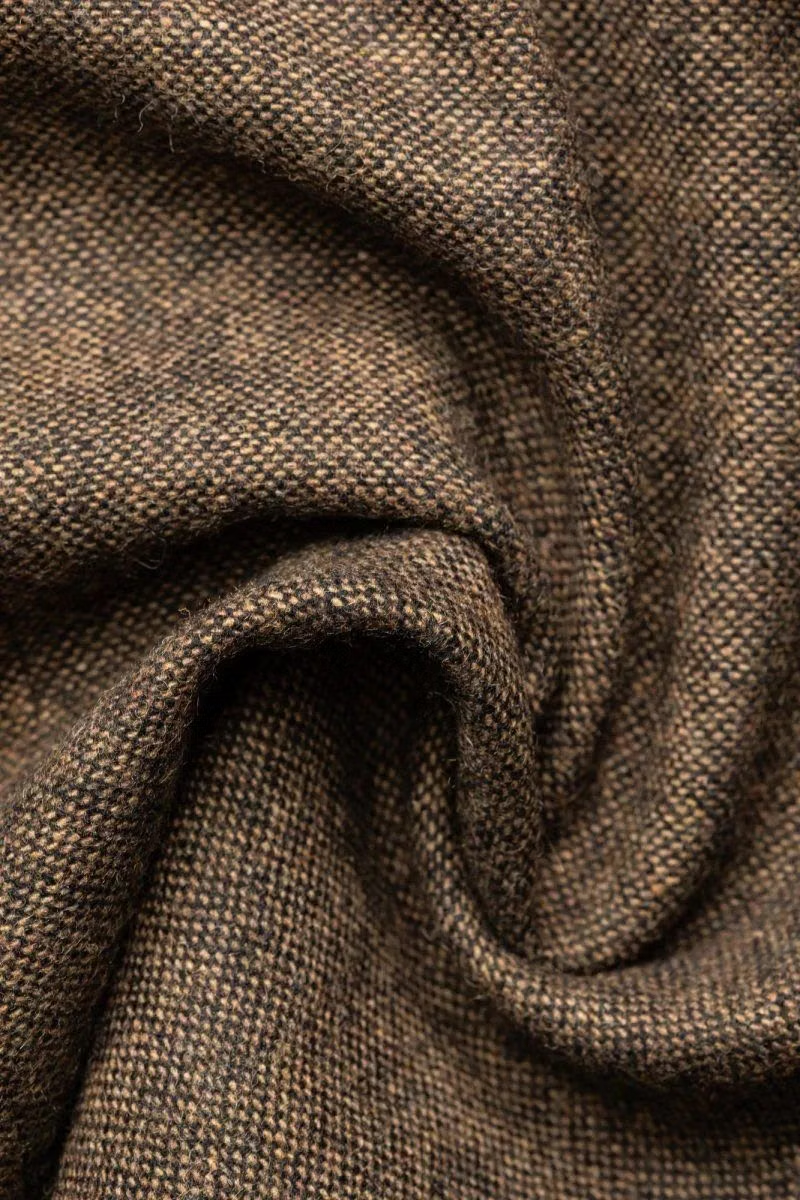
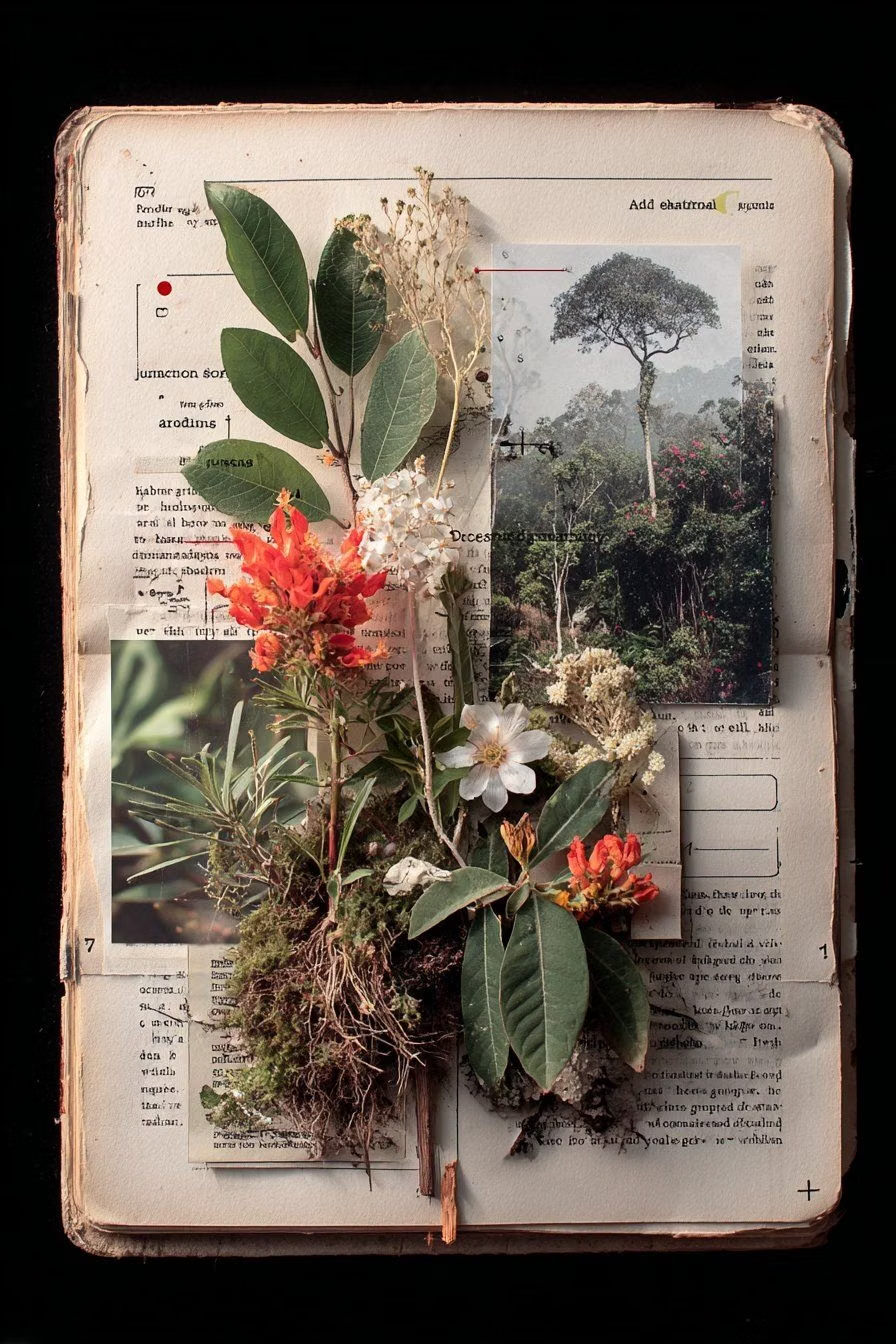
A visual study of the forms, inspirations, materials, colors, type, and cultural references associated with this UI design style.

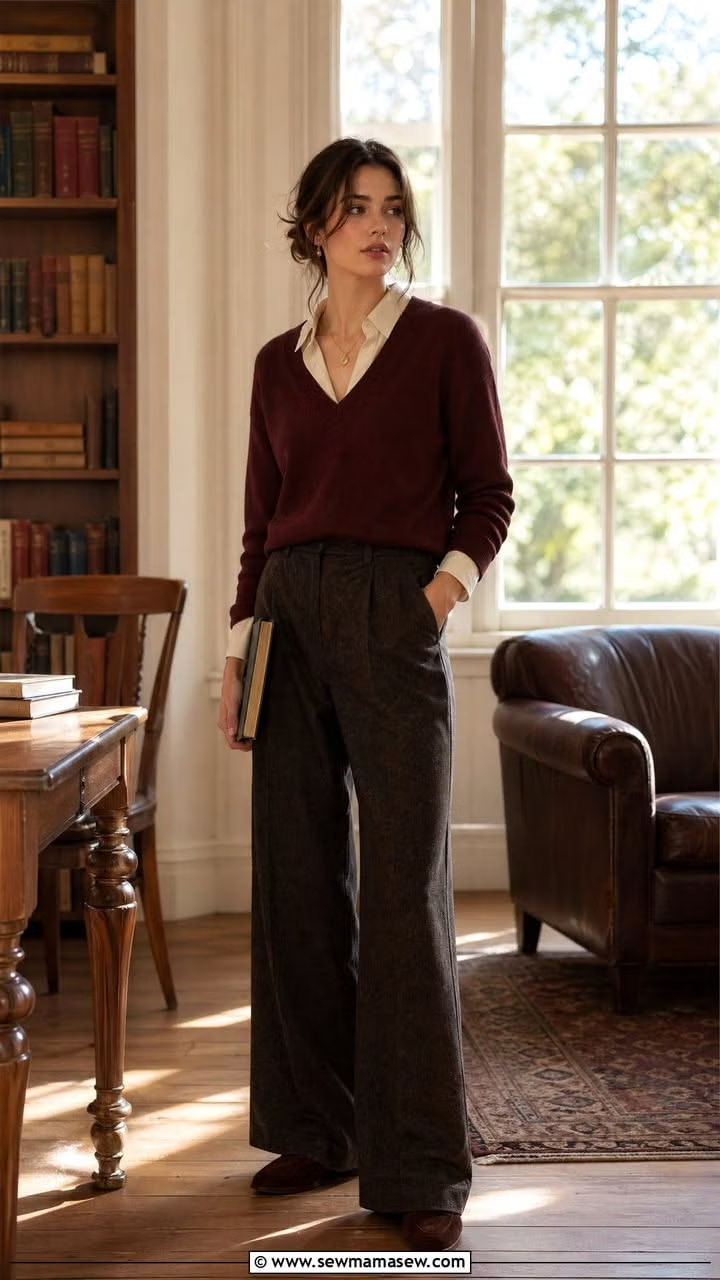

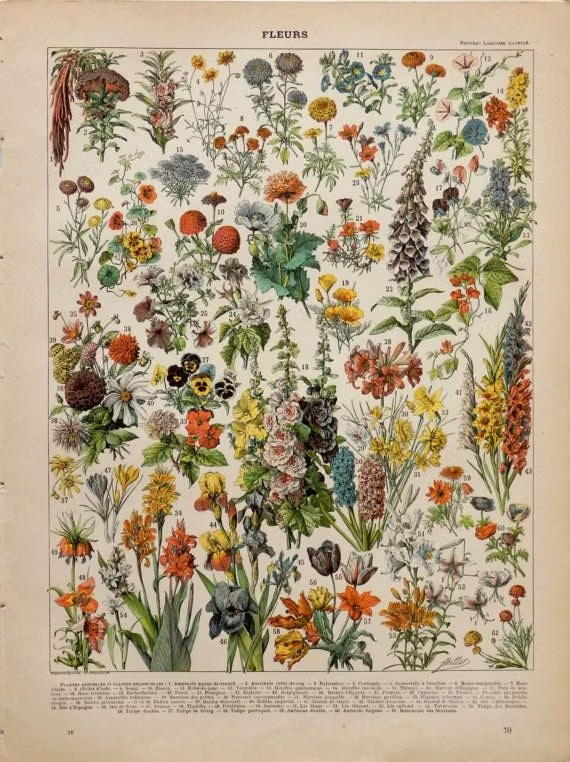
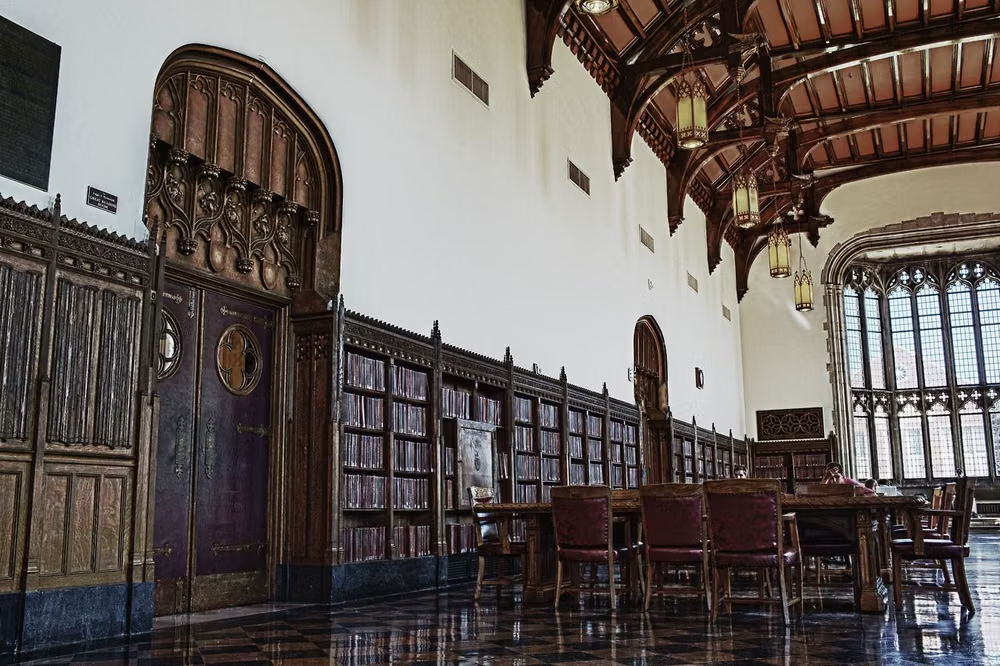
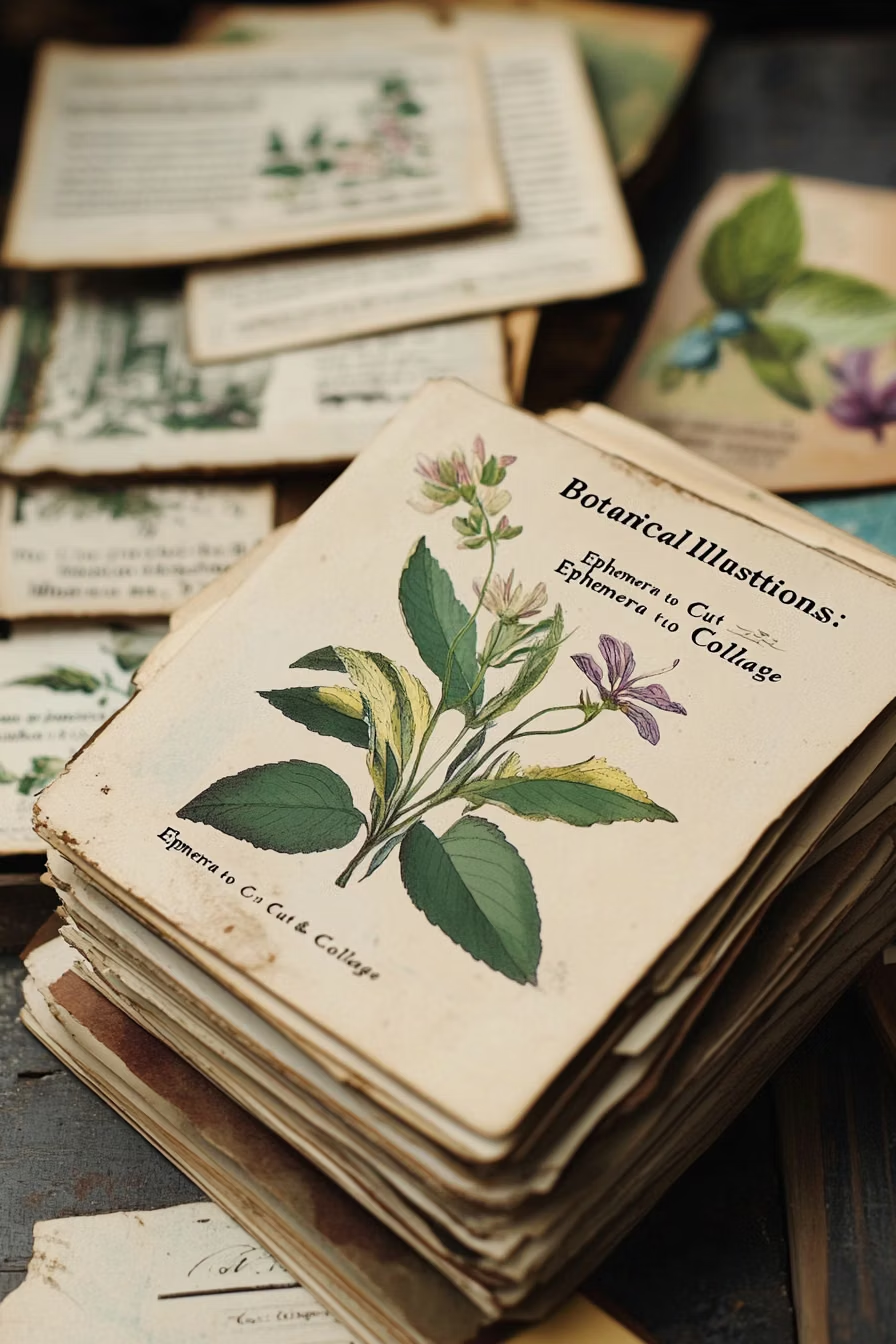



Design principles and implementation
Use these principles to write a focused AI UI design prompt instead of asking for a vague visual treatment.
Color direction
Use parchment, dark walnut, forest, burgundy, tarnished brass, and ink black with subdued contrast that still supports long reading. In a daisyUI theme, use forest or burgundy for `primary`, tarnished brass for `secondary`, and assign dark walnut, ink brown, and near-black to `base-100`, `base-200`, and `base-300`, with parchment-toned base content.
Imagery direction
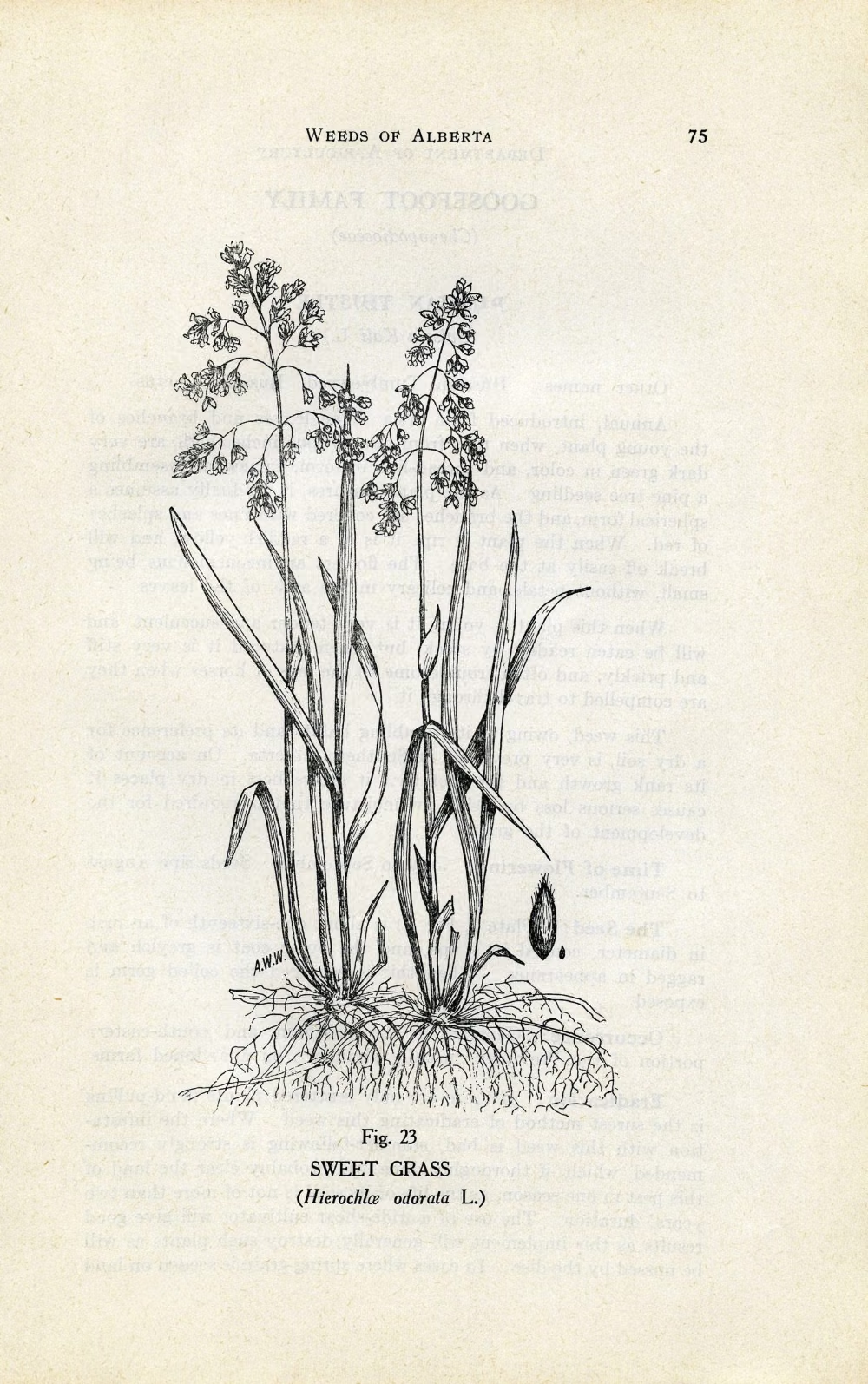
Choose books, manuscripts, maps, museum objects, portraits, libraries, and botanical or scientific plates with archival captions.
Content density
Support medium to high reading density through clear sections, footnotes, indexes, and margins rather than simplifying scholarly material.
Motion direction
Use page turns, drawer or index reveals, slow dust and light effects, and subtle underlining tied to exploration.
Shape language
Use bookplates, ruled margins, catalog tabs, wax-seal circles, engraved frames, and rectangular paper layers with slight age. In daisyUI themes, set the `--radius-*` variables between `0.25rem` and `1rem`.
Typography rules
Set long text in an old-style serif, use small caps and italics for scholarly hierarchy, and reserve display faces for chapter-like openings.
Suggested Typfaces
EB Garamond
Fresh daisies glow in warm sunlight
Fresh daisies glow in warm sunlight
1 2 3 4 5 6 7 8 9 0
Cormorant Garamond
Fresh daisies glow in warm sunlight
Fresh daisies glow in warm sunlight
1 2 3 4 5 6 7 8 9 0
Libre Baskerville
Fresh daisies glow in warm sunlight
Fresh daisies glow in warm sunlight
1 2 3 4 5 6 7 8 9 0
Crimson Pro
Fresh daisies glow in warm sunlight
Fresh daisies glow in warm sunlight
1 2 3 4 5 6 7 8 9 0
IM Fell English
Fresh daisies glow in warm sunlight
Fresh daisies glow in warm sunlight
1 2 3 4 5 6 7 8 9 0
Build a Dark Academia interface with daisyUI
The live example translates this direction into daisyUI components and semantic theme tokens.
To generate a full page in the same visual language, give the style name and the design rules above to Blueprint MCP.
Related UI design styles
Compare nearby visual languages that share typography, shapes, use cases, or signature elements.
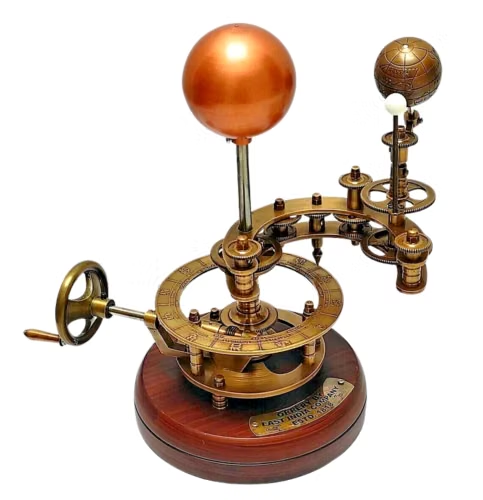
Utopian Scholastic UI design style
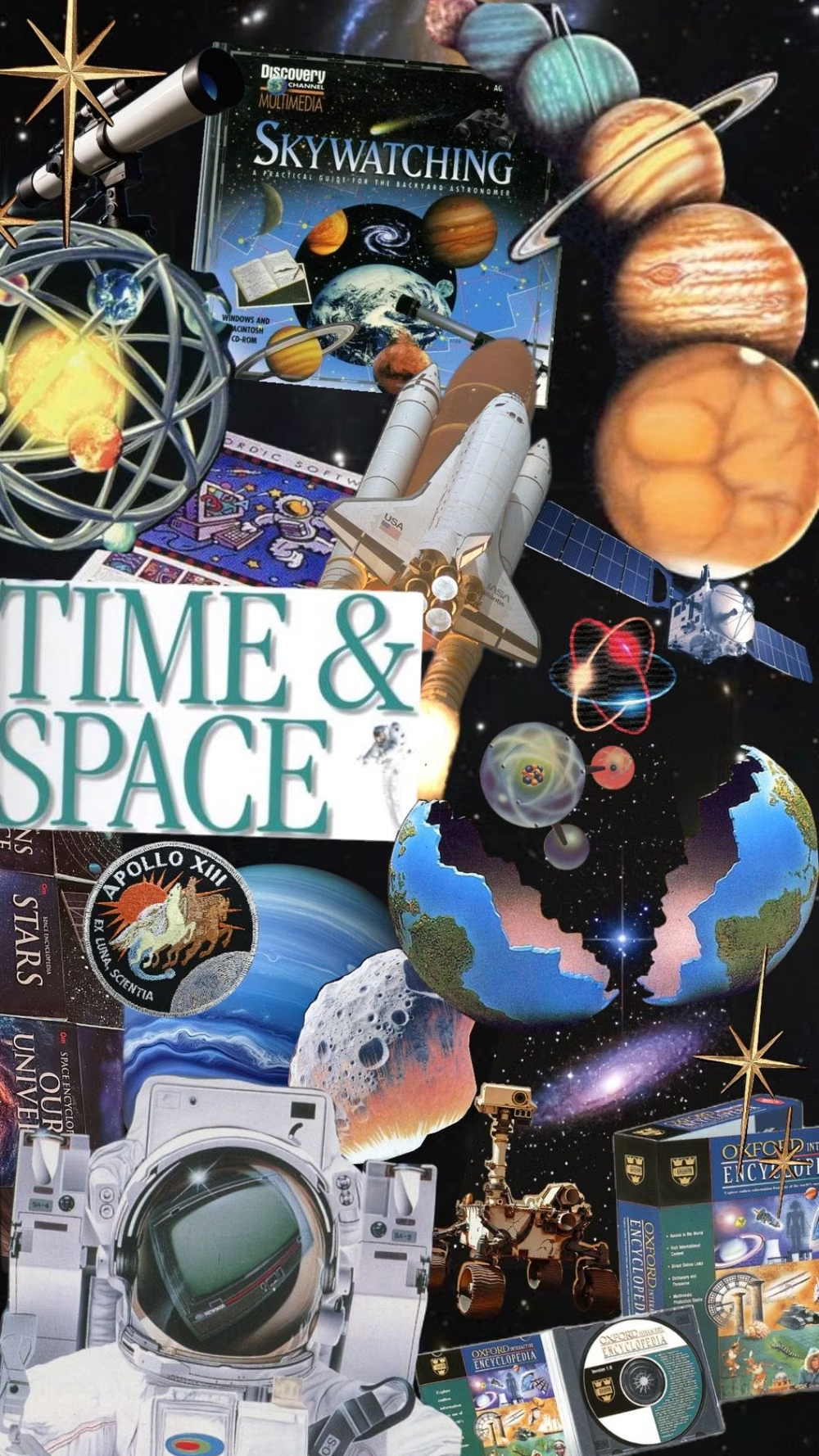
Encyclopedic collage, scientific specimens, planets, animals, diagrams, classical type, and optimistic educational imagery.
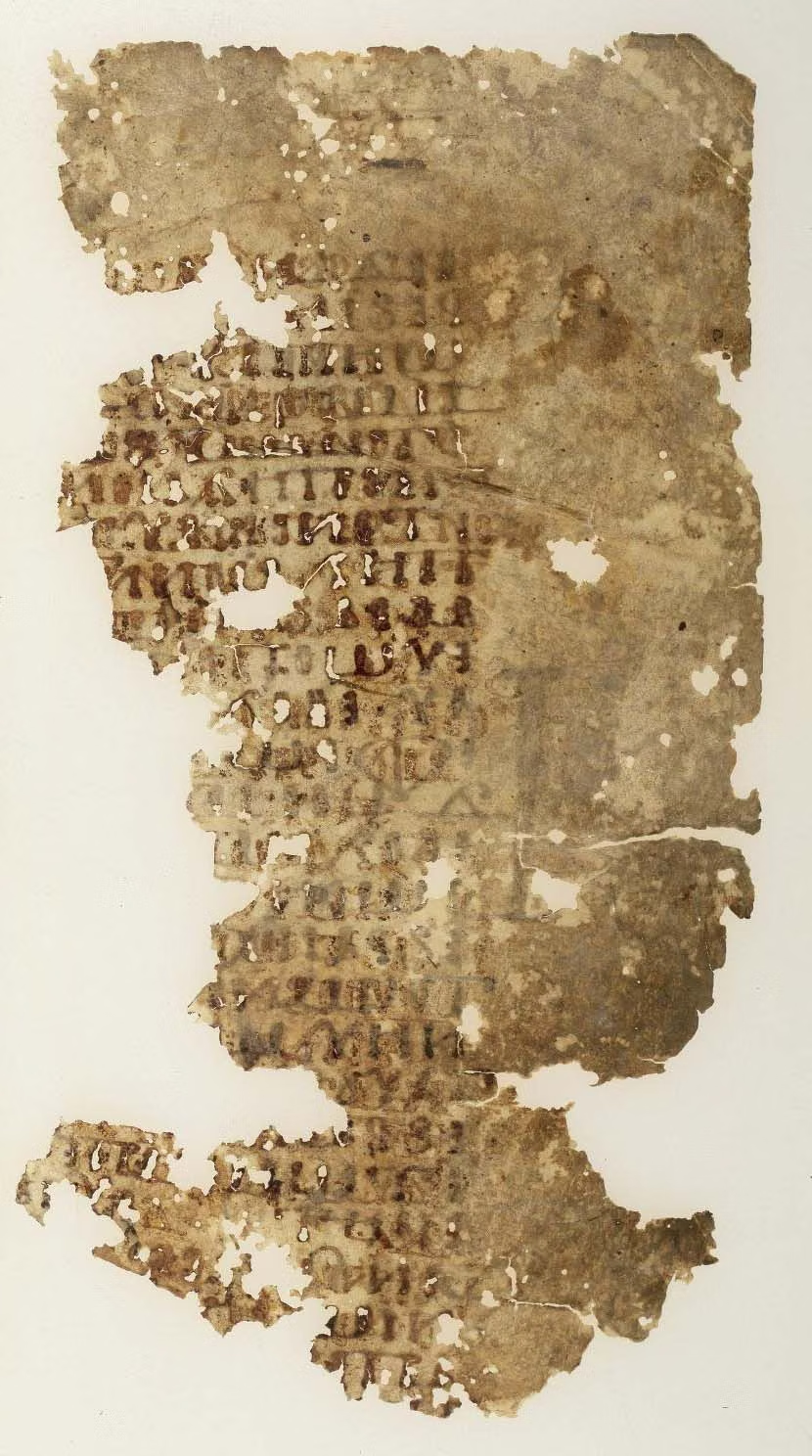

Historical Manuscript Skeuomorphism UI design style
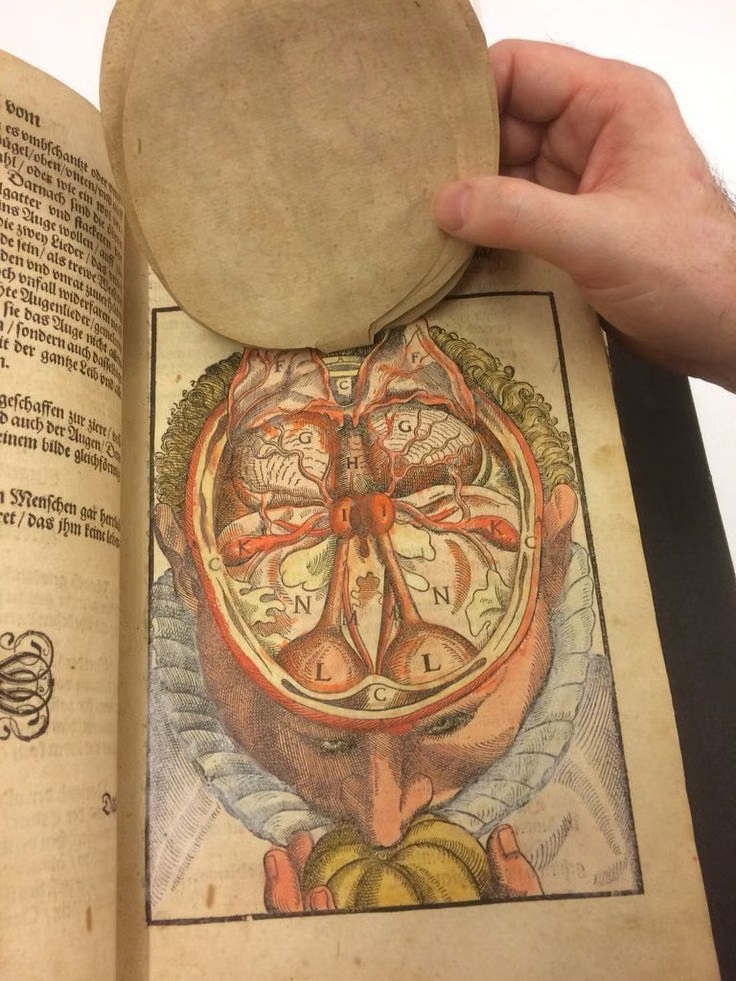
A tactile interface style that makes digital UI feel like a physical artifact from an older era, using the visual language of parchment, ledgers, bound folios, and ceremonial documents. It belongs to the broader skeuomorphic tradition, but with a specifically archival, literary, and old-world character.



Steampunk UI design style
A hyper-skeuomorphic Victorian machine aesthetic turns the interface into a worn, theatrical artifact built from brass, iron, leather, parchment, glass, and enamel.