Bold and experimental UI design trends
Strong contrast, visible structure, dense composition, and rule-breaking graphics give these interfaces their energy. The best examples repeat a small set of bold decisions instead of adding random decoration.
15 UI design trends
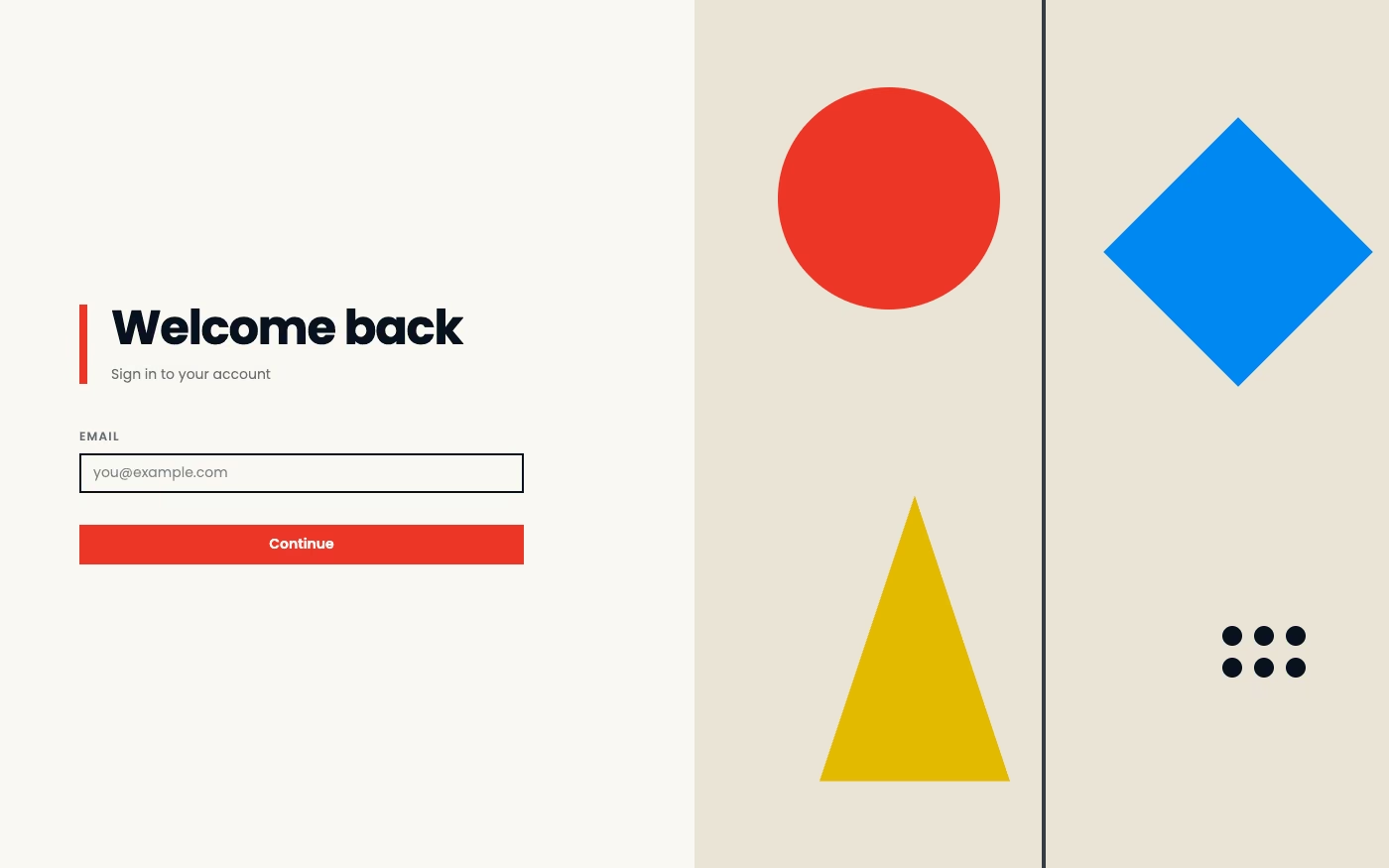
Geometric Abstract UI design style
Circles, lines, polygons, modular forms, and bold spatial relationships create a nonrepresentational visual system.
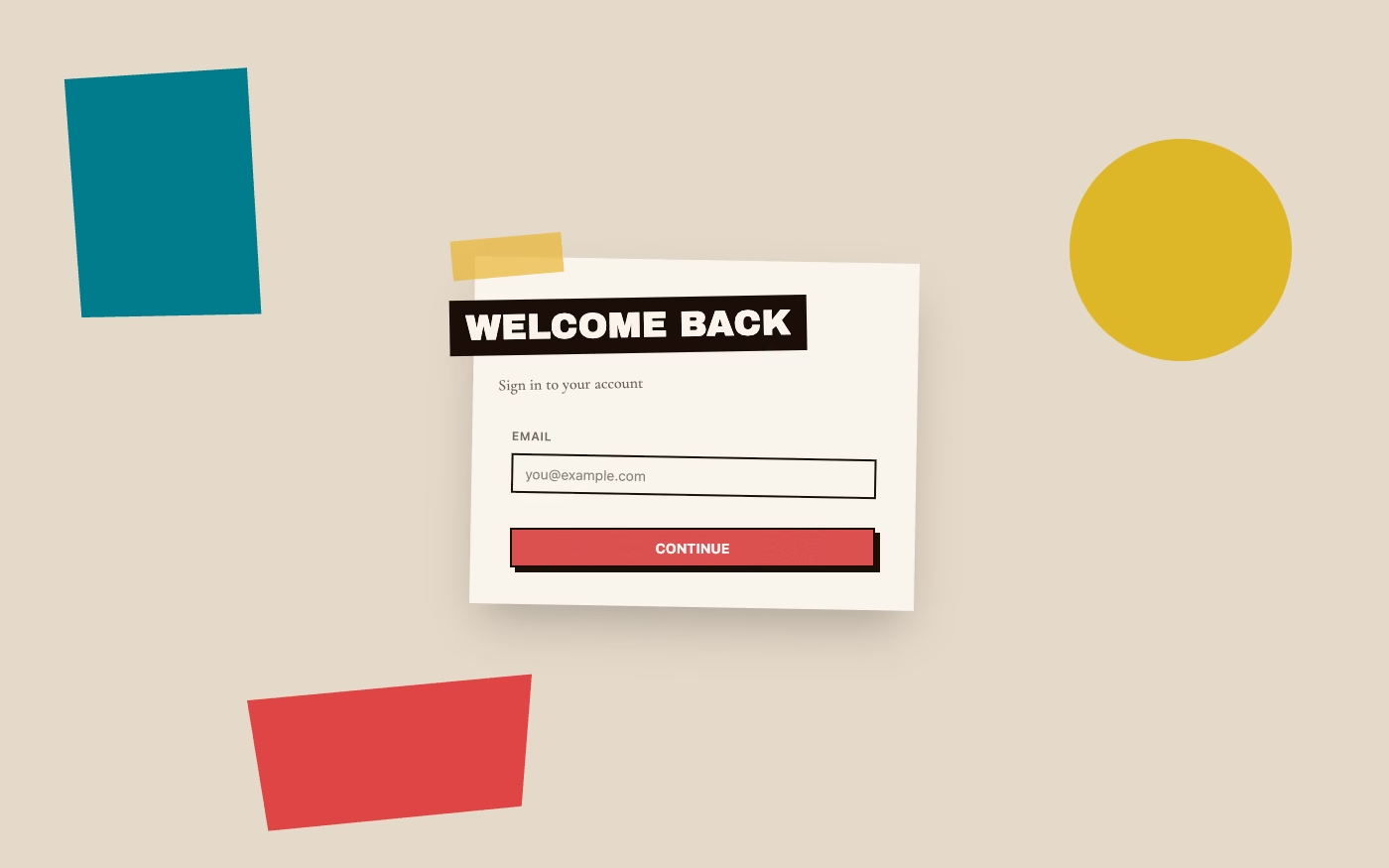
Collage UI design style
Cutout photography, overlapping fragments, mixed scales, torn edges, and layered media create expressive compositions.
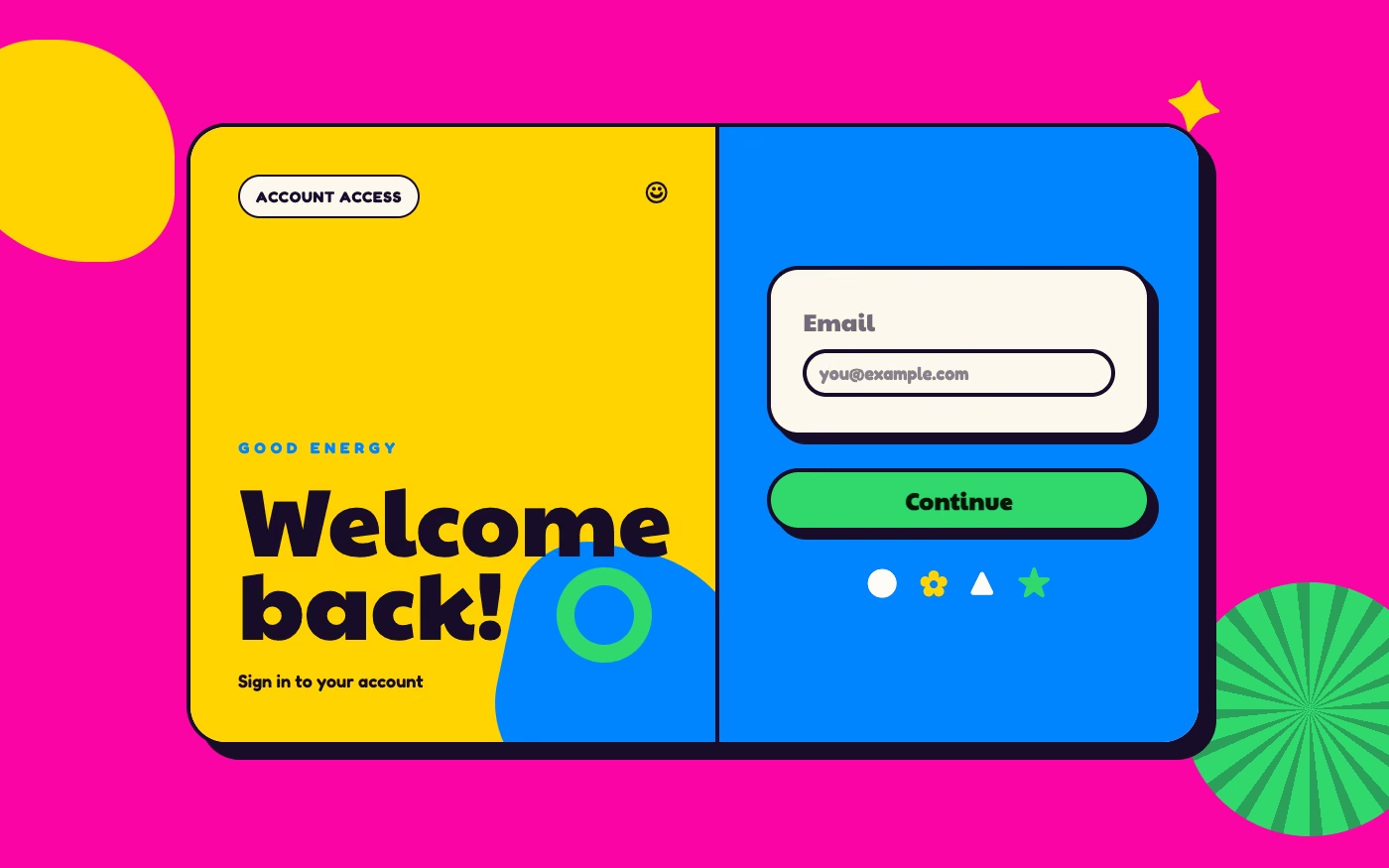
Dopamine Design UI design style
Joyful saturated colors, bold patterns, playful forms, and deliberately energetic combinations prioritize emotional uplift.
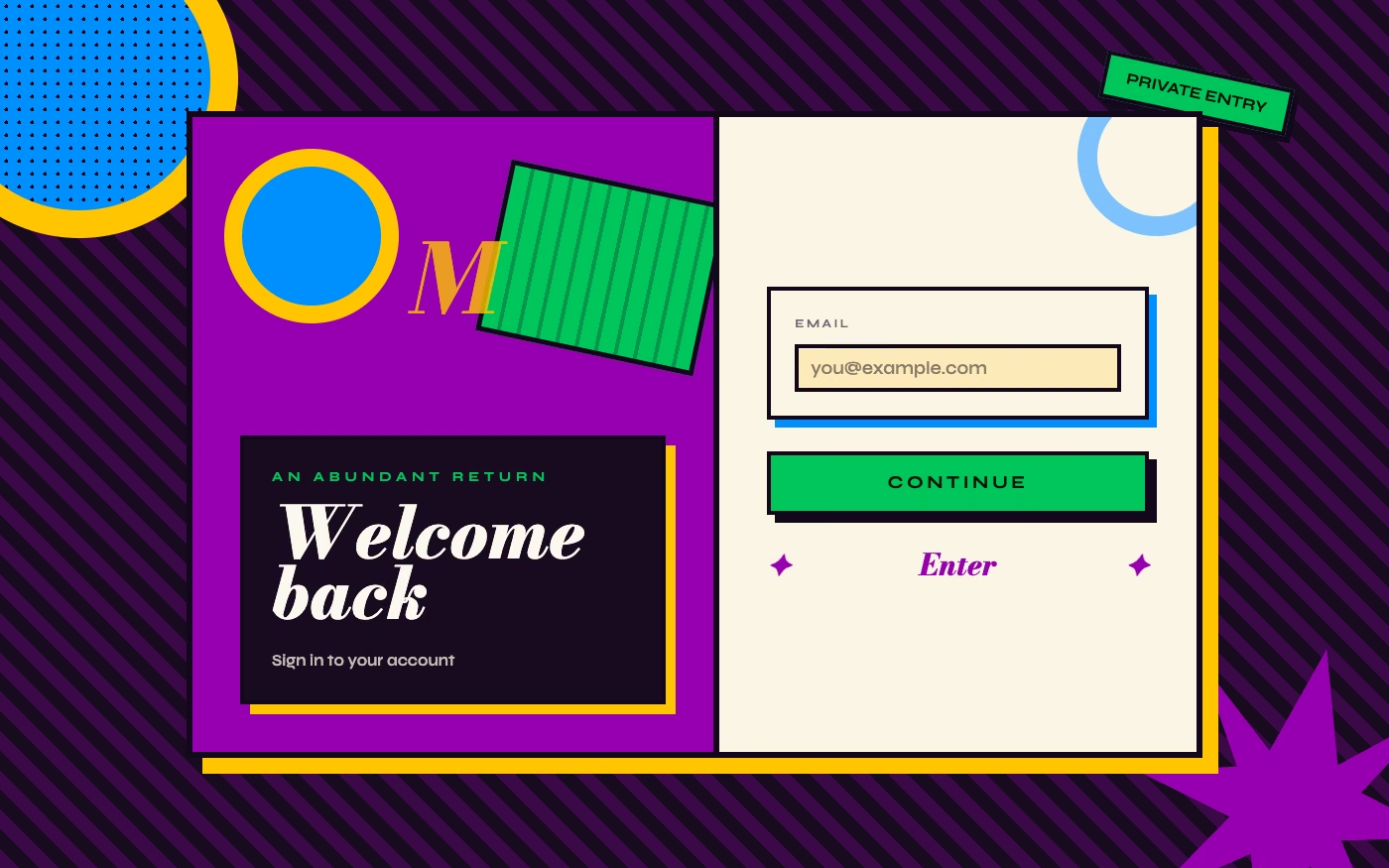
Maximalism UI design style
Dense compositions combine expressive typography, vivid color, layered imagery, pattern, and abundant decoration.
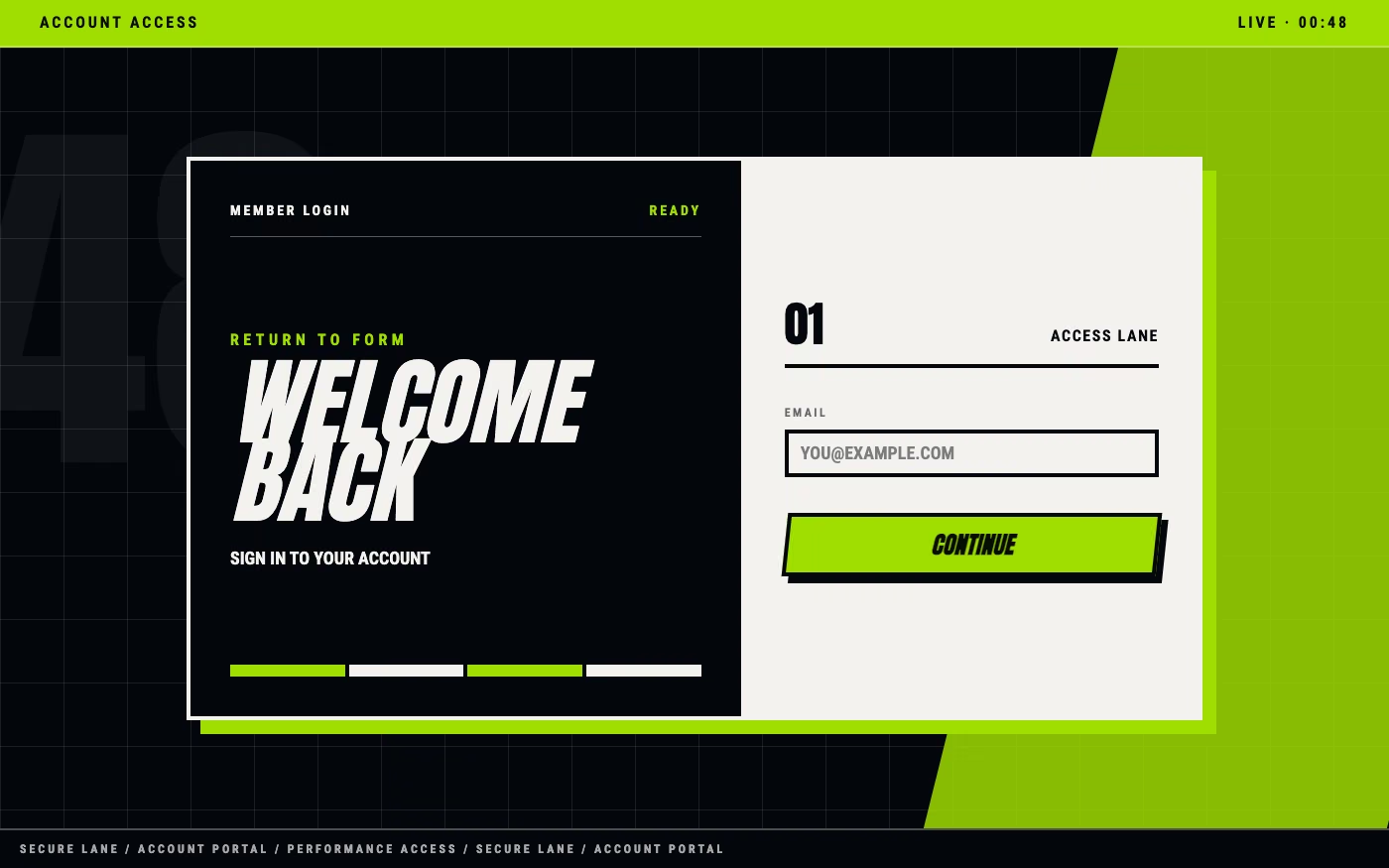
Sports Brutalism UI design style
Condensed type, hard grids, scoreboards, halftones, high-contrast photography, oversized numbers, and aggressive overlays.
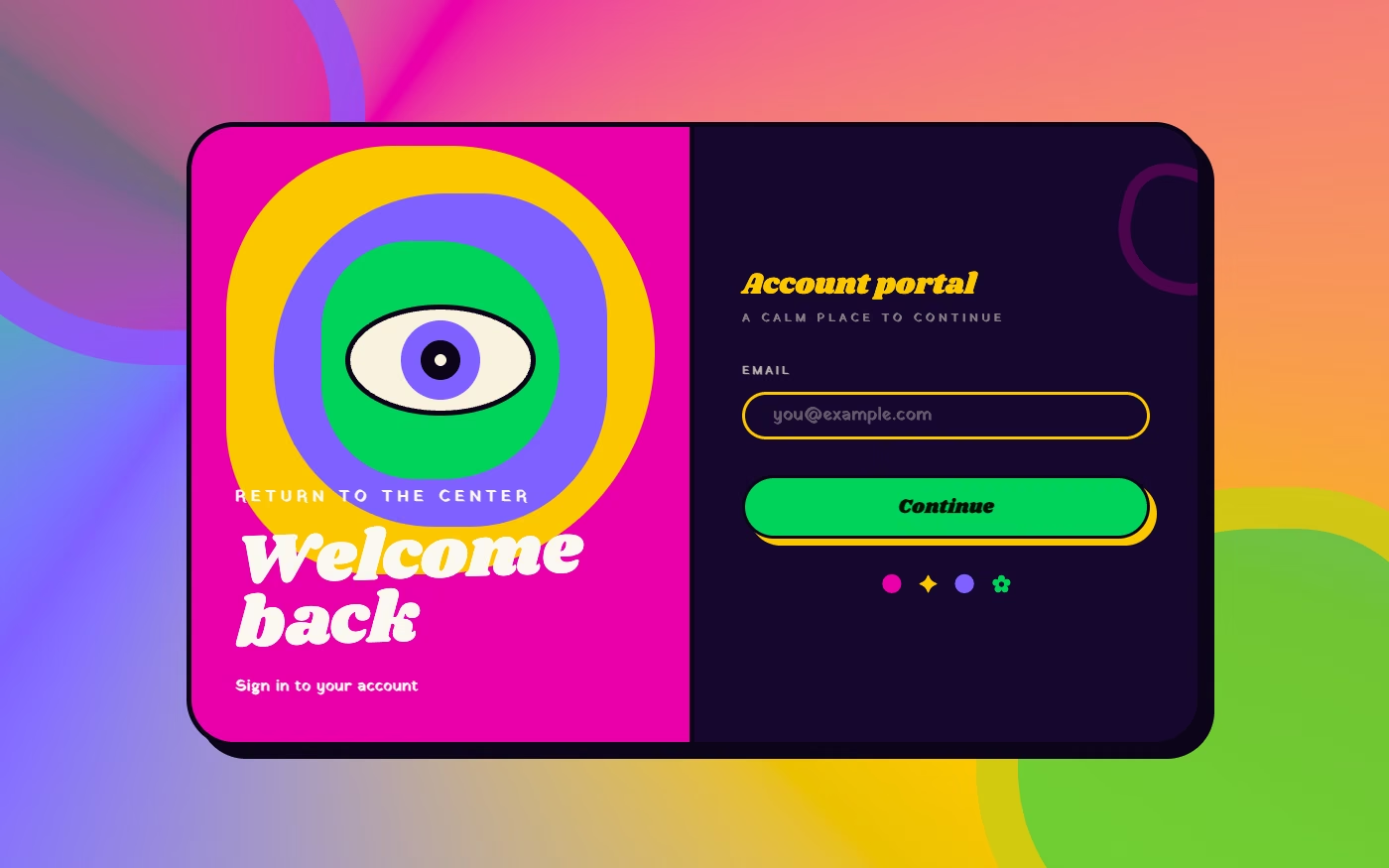
Psychedelic Design UI design style
Surreal imagery, distorted lettering, intense colors, fluid patterns, and dreamlike compositions.
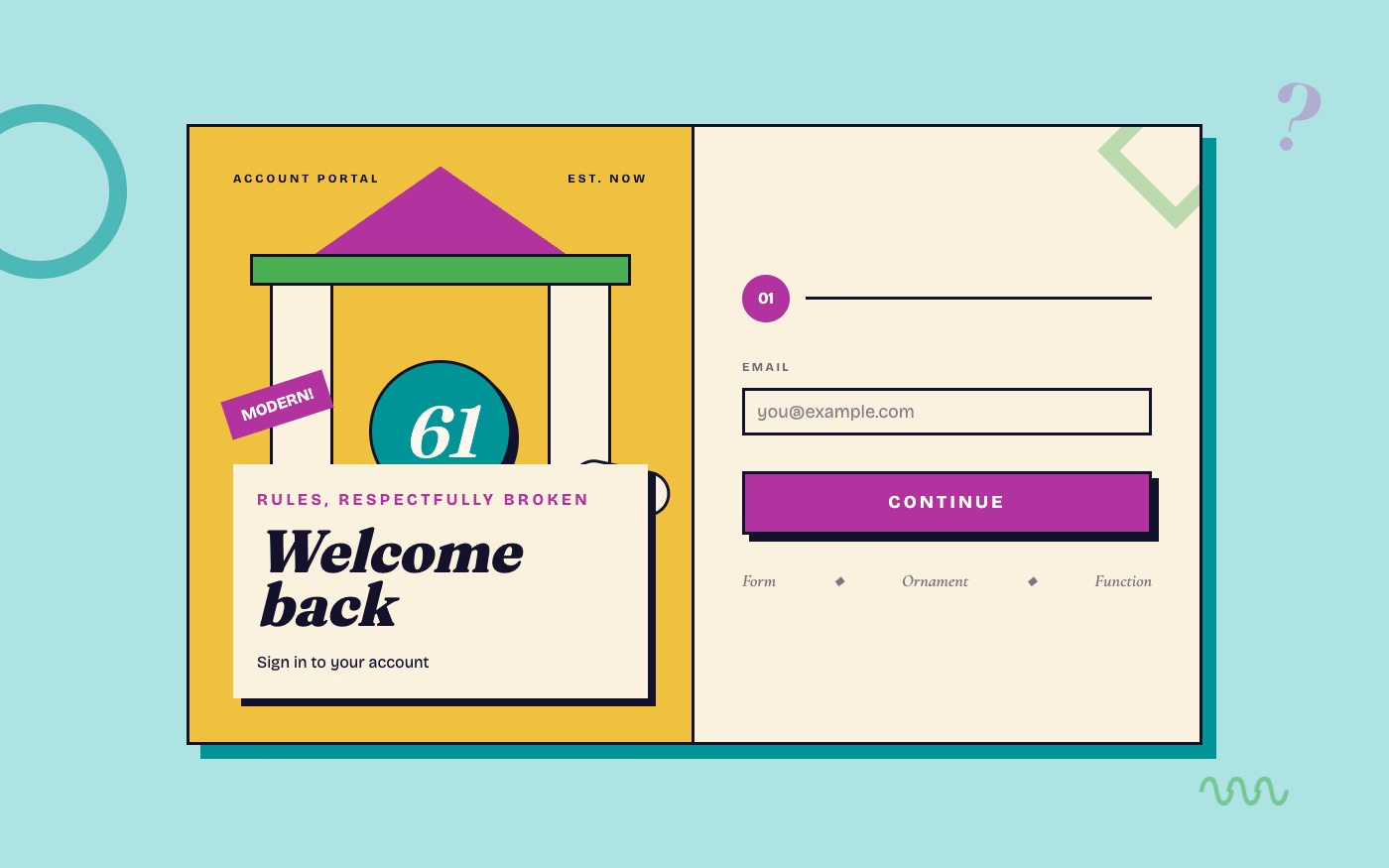
Postmodern Eclecticism UI design style
Historical references, irony, ornament, clashing styles, playful symbolism, and deliberate rule-breaking reject strict modernism.
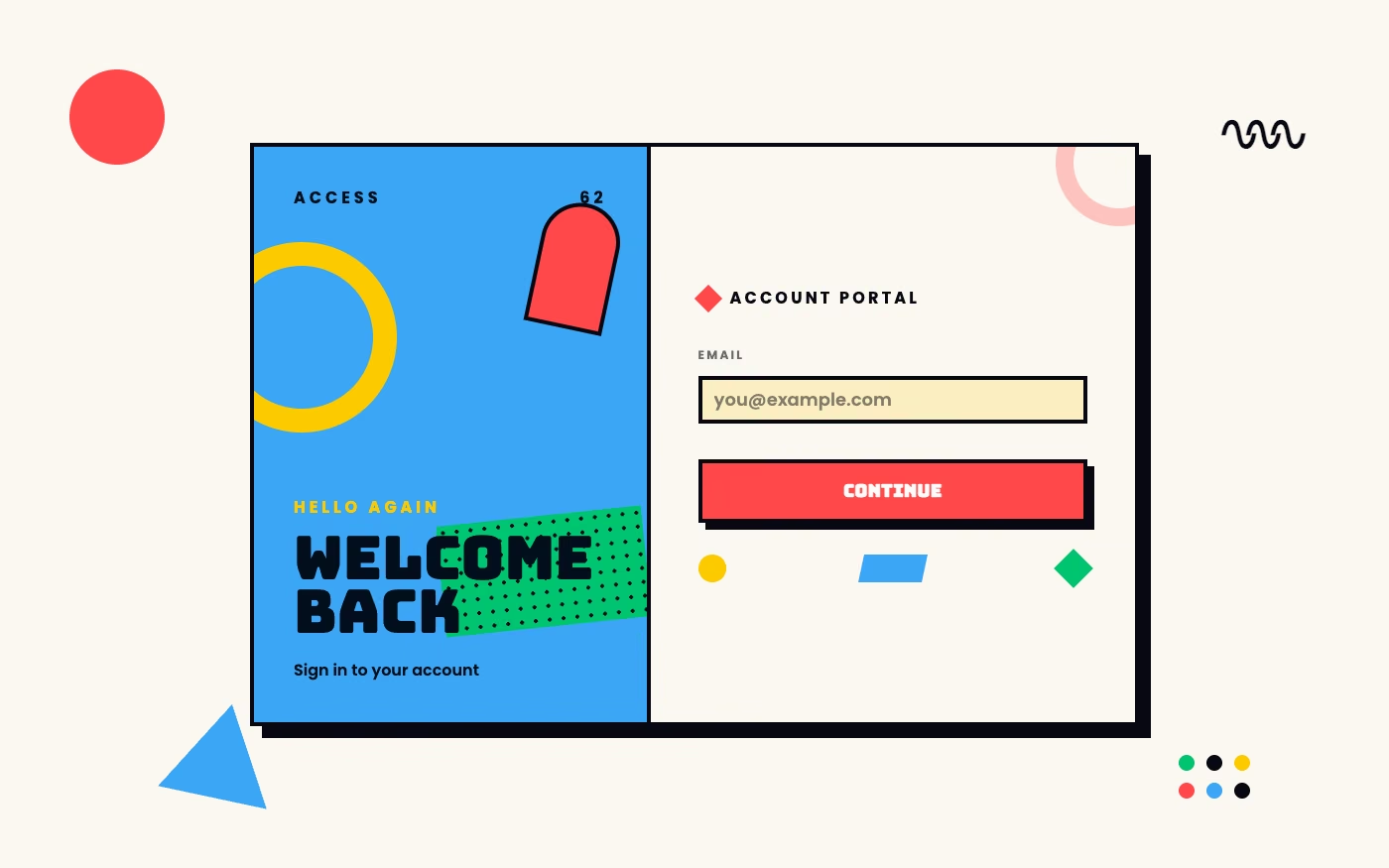
Memphis Design UI design style
Bright geometric shapes, squiggles, dots, contrasting patterns, and playful visual imbalance evoke the 1980s Memphis Group.
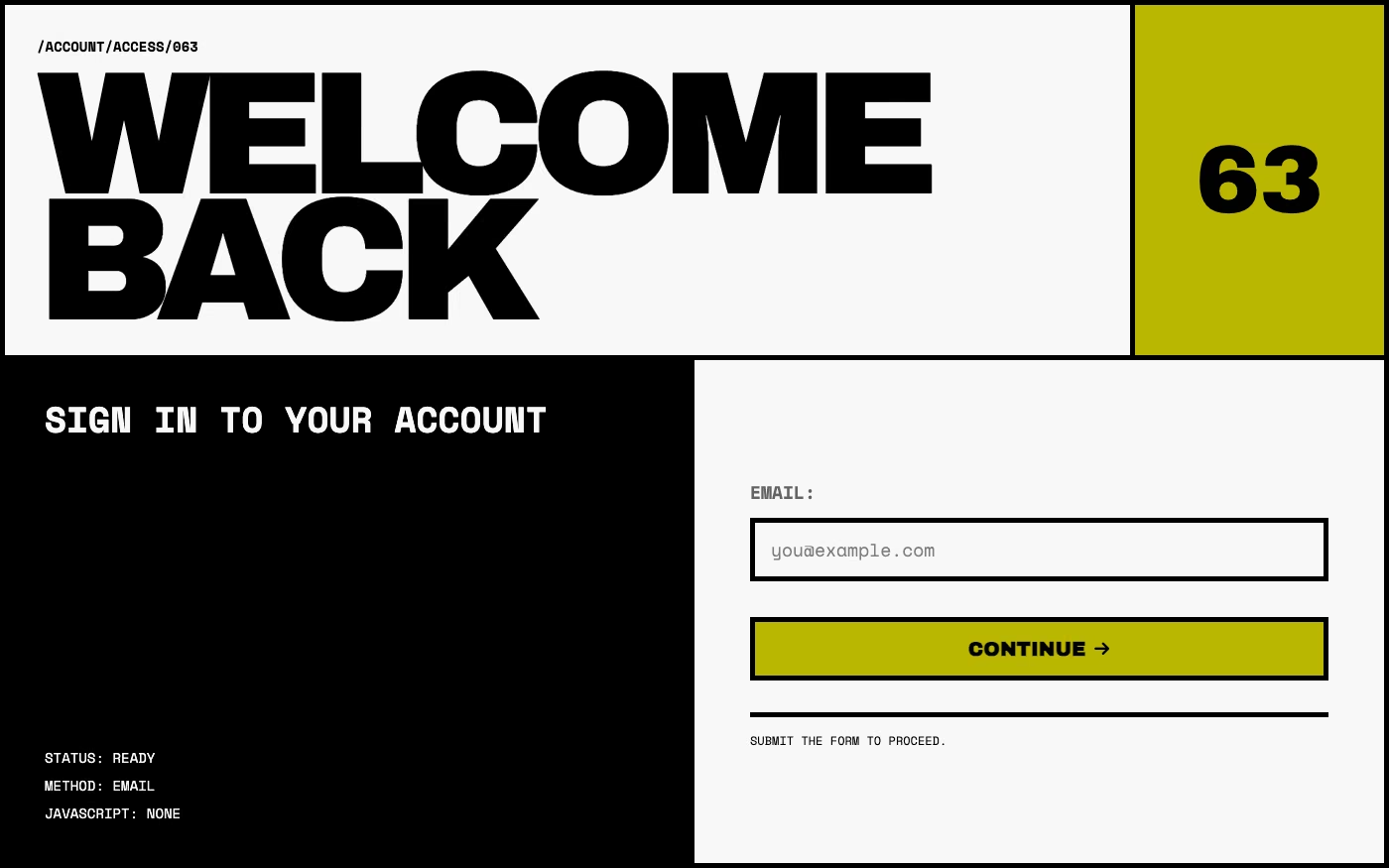
Brutalism UI design style
Raw typography, exposed structure, sharp edges, stark contrast, default-like controls, and intentionally unpolished layouts.
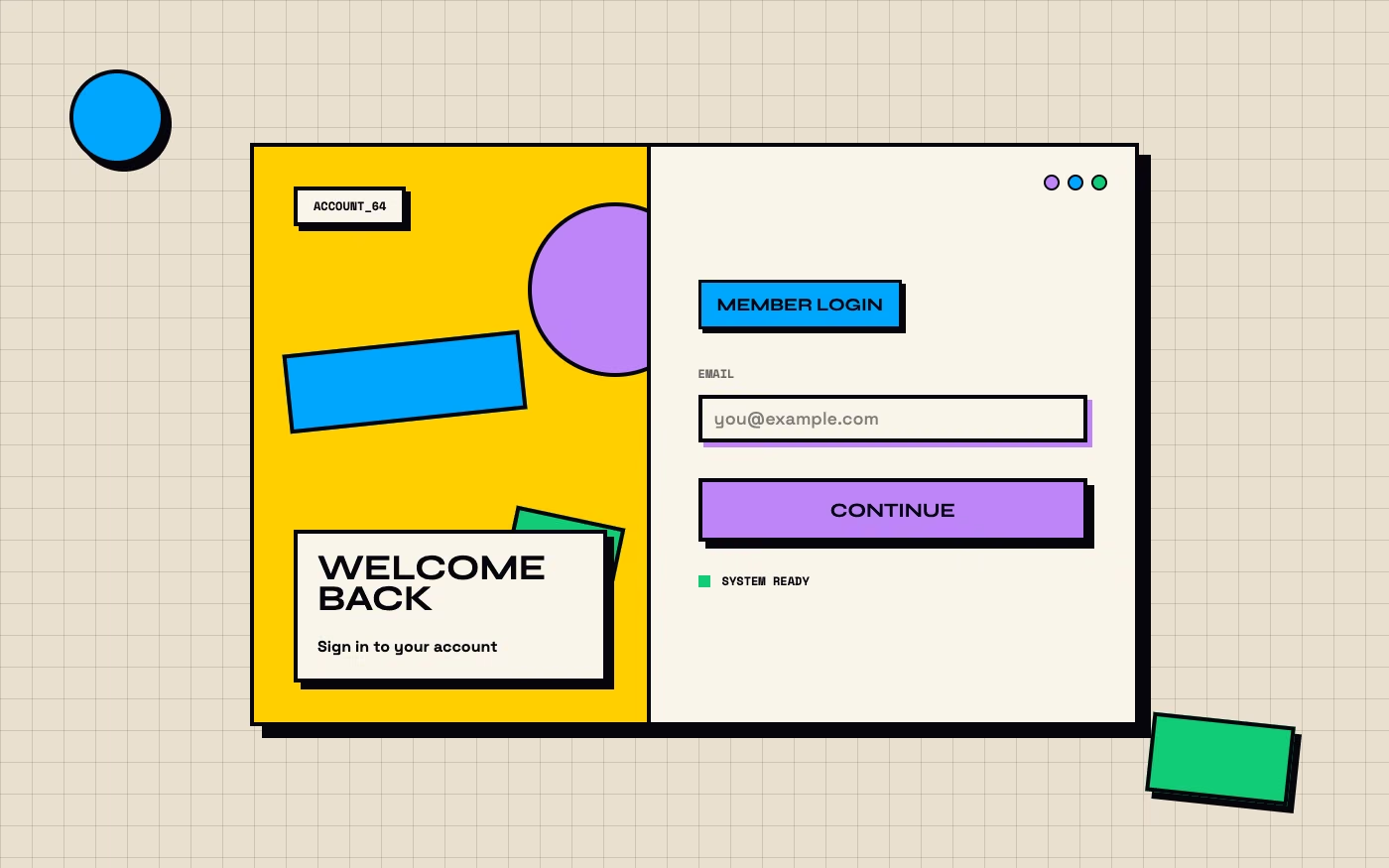
Neubrutalism UI design style
Also called Neo Brutalism or Neo Memphis, this late-2010s and 2020s digital style wraps conventional UX in loud geometric blocks, dark outlines, hard offset shadows, flat color, and exaggerated type.
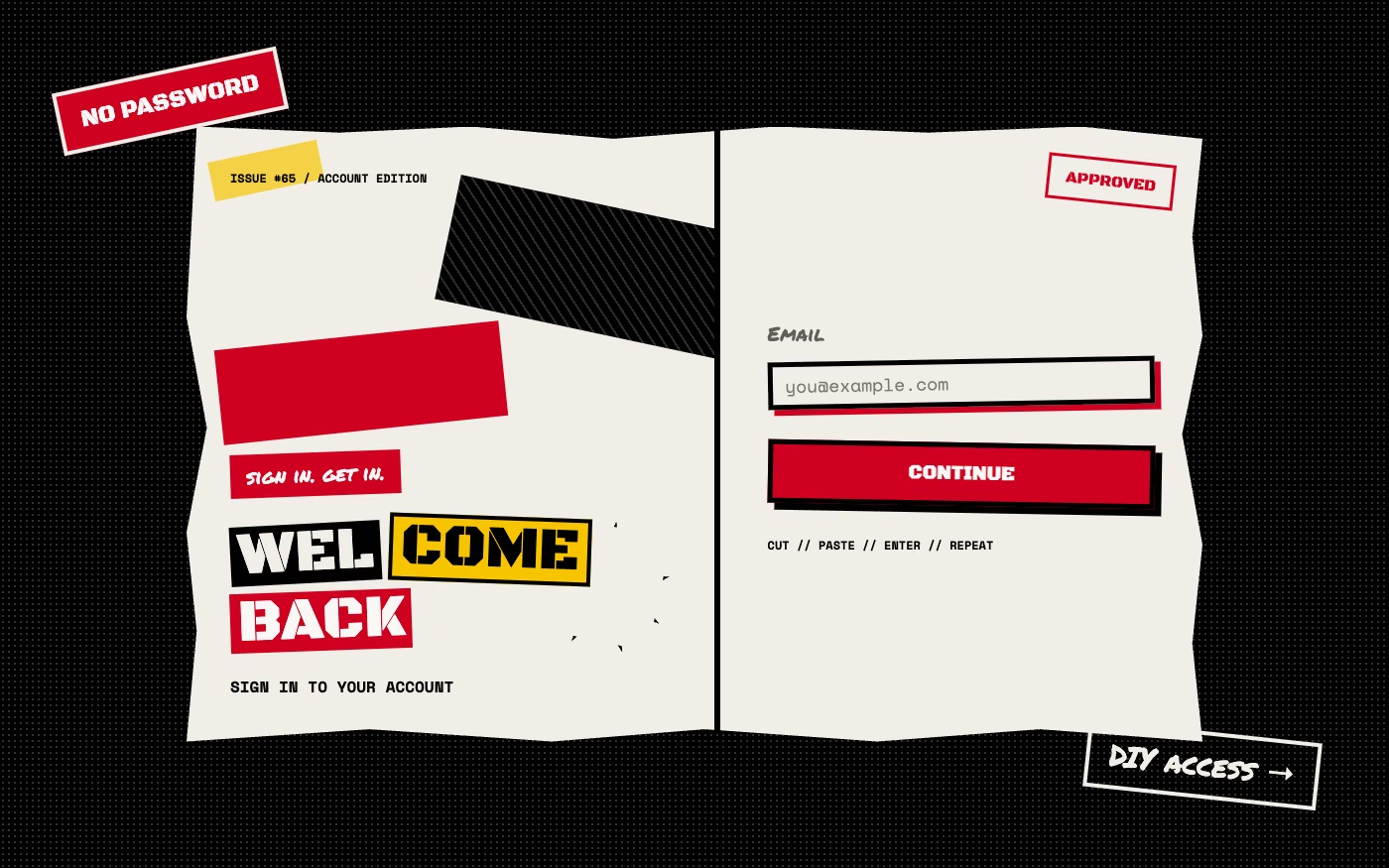
Punk / Zine UI design style
Photocopied textures, ransom-note typography, torn paper, handwriting, stamps, and confrontational DIY energy.
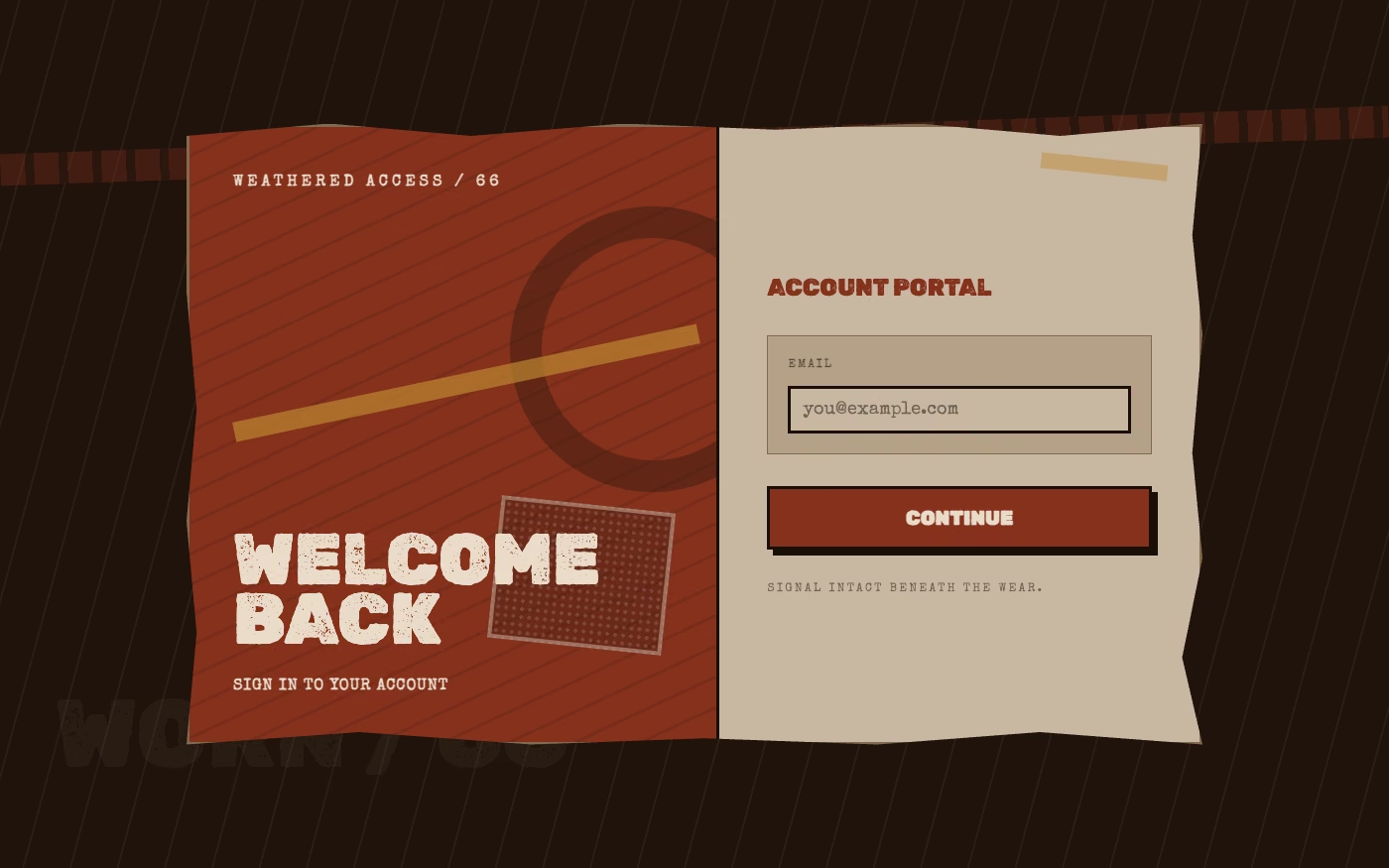
Grunge UI design style
Distressed type, scratches, stains, rough textures, muted or dirty color, and irregular layering create worn intensity.
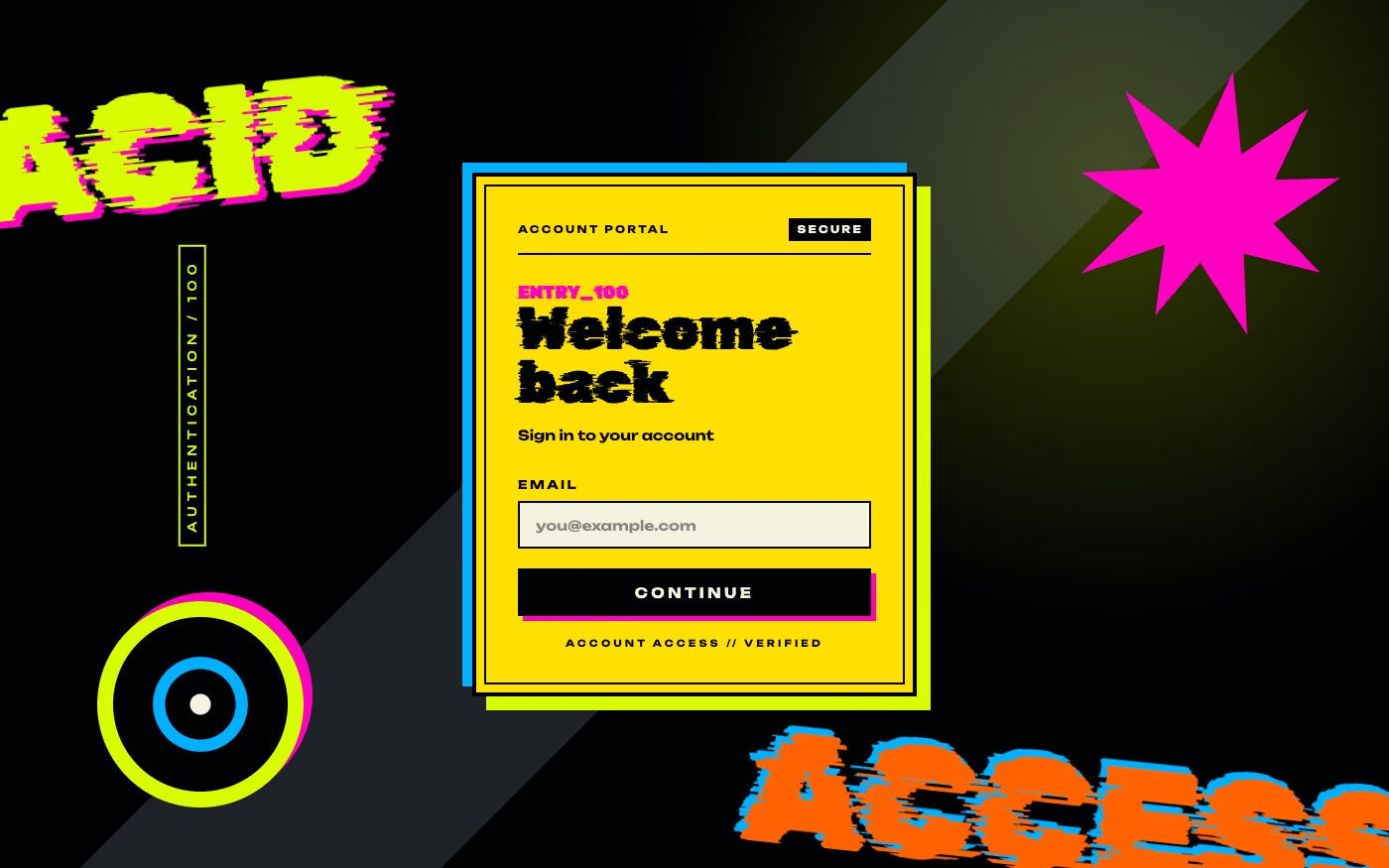
Acid Graphics UI design style
Fluorescent colors, warped typography, chrome details, distortion, dense layering, and underground rave energy.
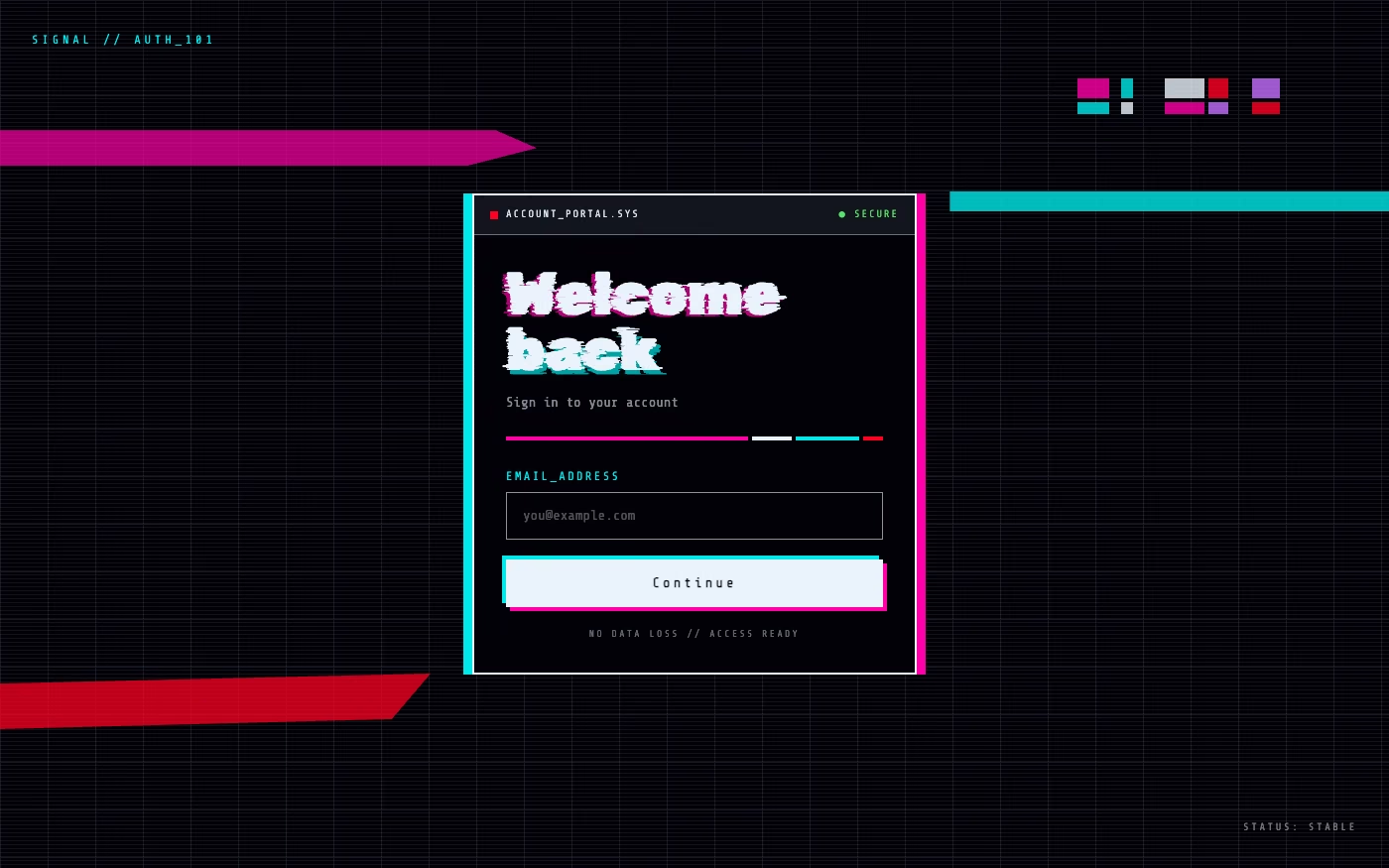
Glitch Art UI design style
Pixel sorting, signal errors, compression artifacts, scanlines, channel shifts, and broken digital imagery become intentional texture.
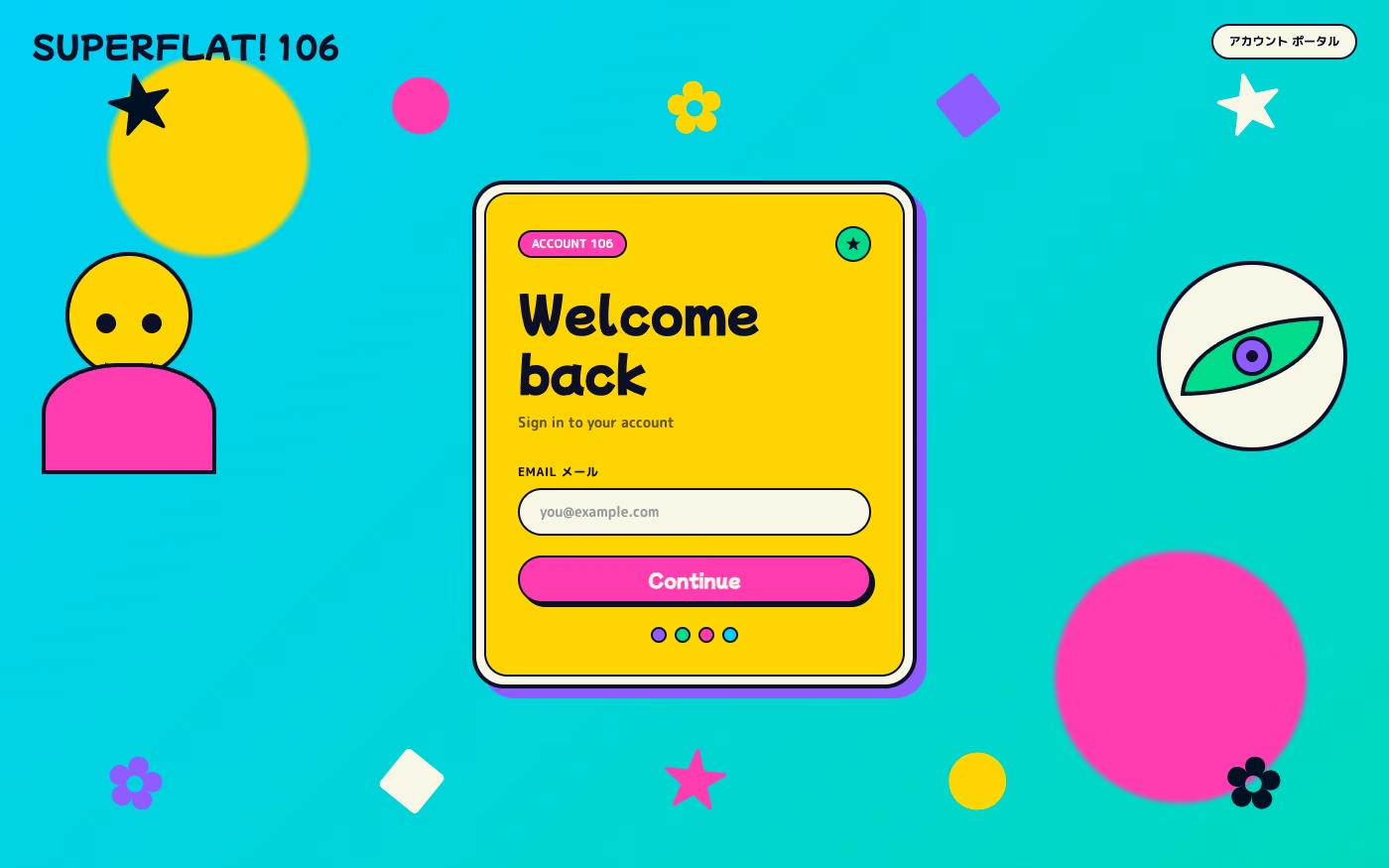
Superflat Pop UI design style
Extremely flat perspective, bright candy color, dense cartoon motifs, polished outlines, and Japanese pop-cultural energy.
Explore other UI trend categories
Compare three other visual families before choosing a direction.
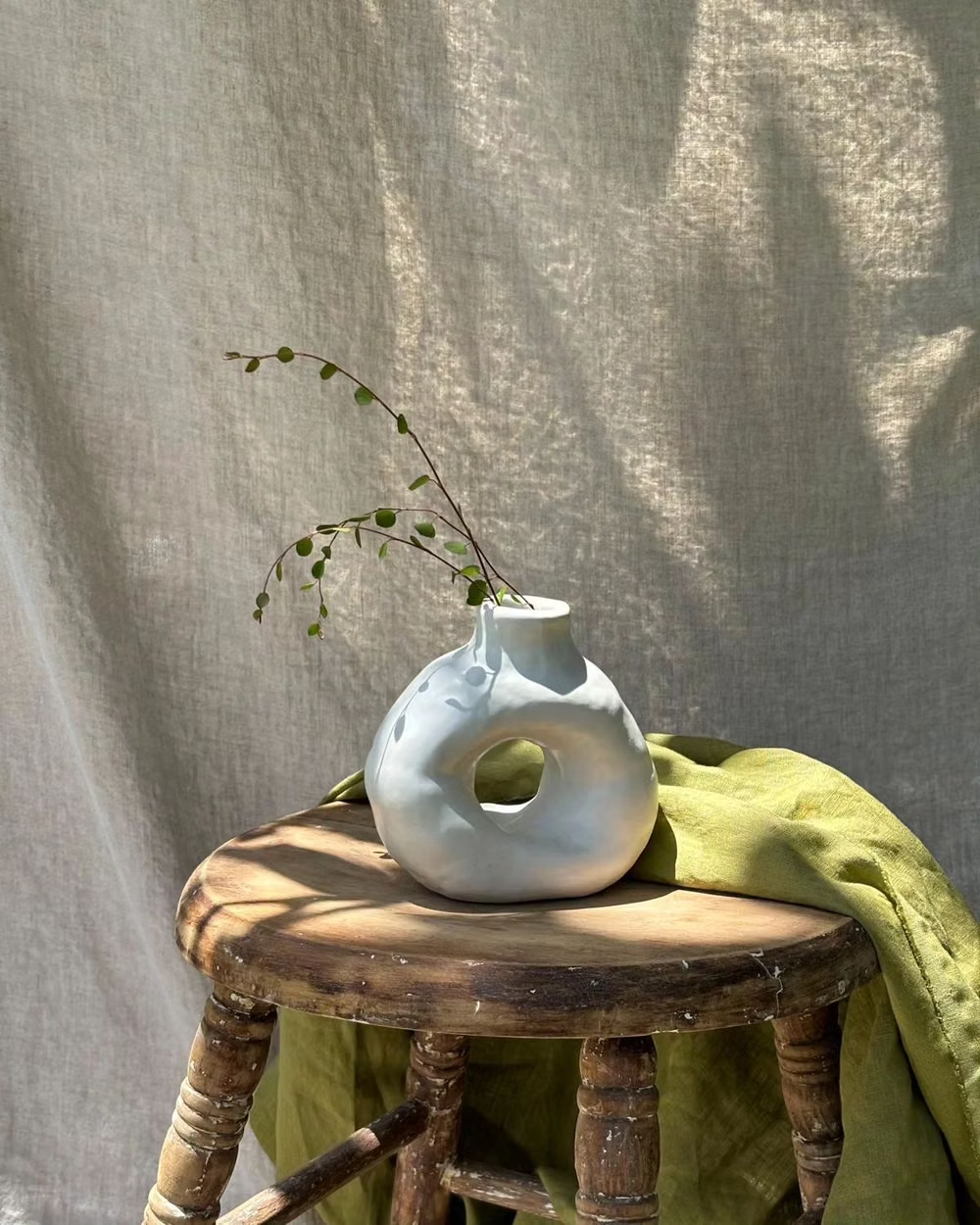
Minimal and functional UI design trends
These interface styles reduce visual noise through clear grids, disciplined spacing, restrained color, and direct information hierarchy. They range from calm product surfaces to compact expert tools.
Material, dimensional, and skeuomorphic UI trends
Depth, texture, translucency, and familiar physical cues define this group. Use these trends when surfaces and materials can explain hierarchy, interaction, or the world around a product.
Playful and illustrated UI design trends
Illustration, imperfect marks, character, and game-like graphics make these interfaces feel approachable. Consistent controls keep the experience usable beneath the playful surface.
Turn a visual direction into working UI
Study a trend's design rules, then write a prompt with enough structure for an AI coding agent to apply it consistently.