Retro and nostalgic web design trends
These trends borrow from earlier consumer technology, internet culture, fashion, and advertising. They work when a product benefits from a specific era instead of a generic vintage filter.
14 UI design trends
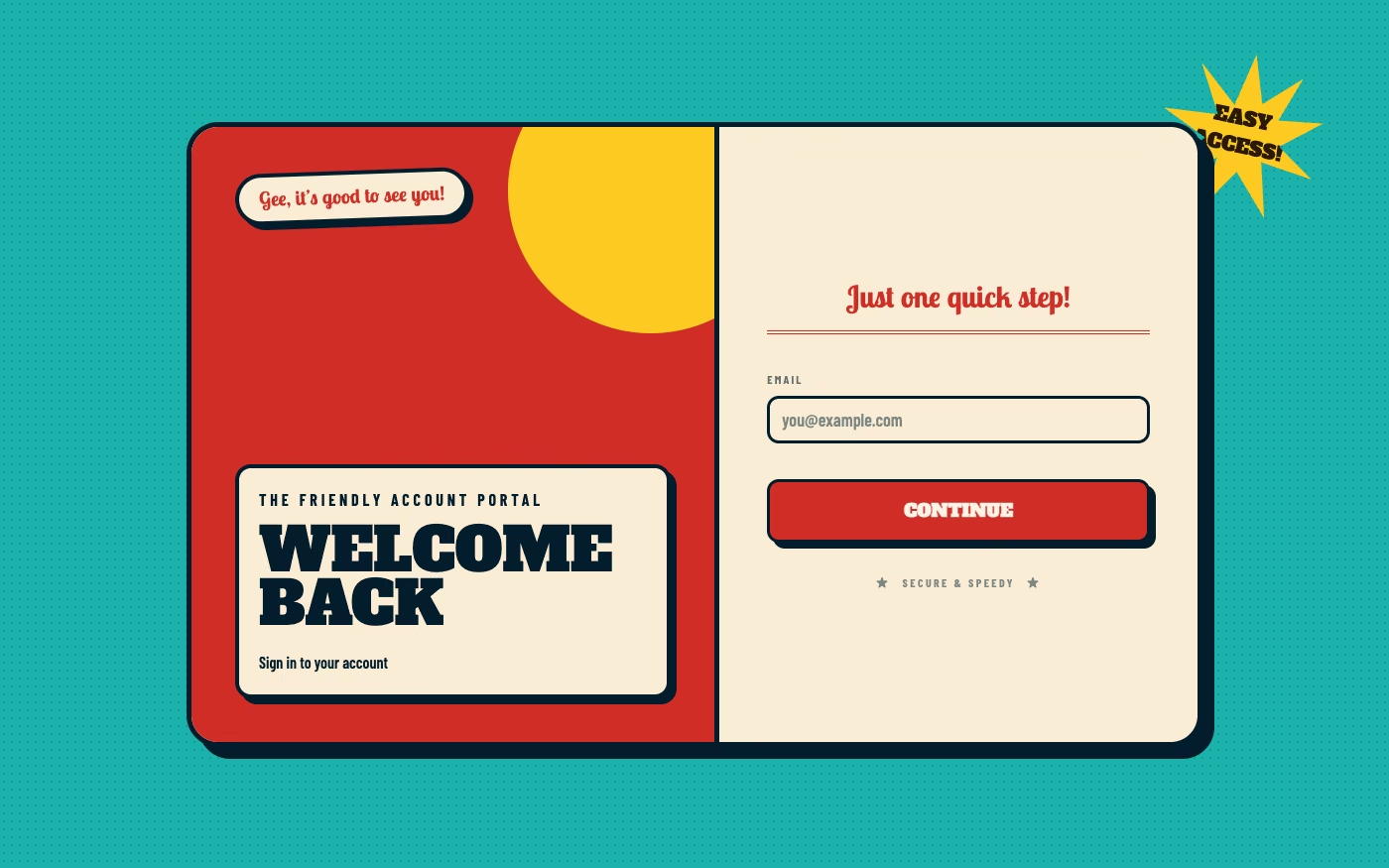
American Kitsch UI design style
Commercial illustration from the 1920s through 1960s, especially the 1950s, uses vivid cartoonish realism, cheerful exaggeration, hand-lettered selling language, and nostalgic scenes of everyday American life.
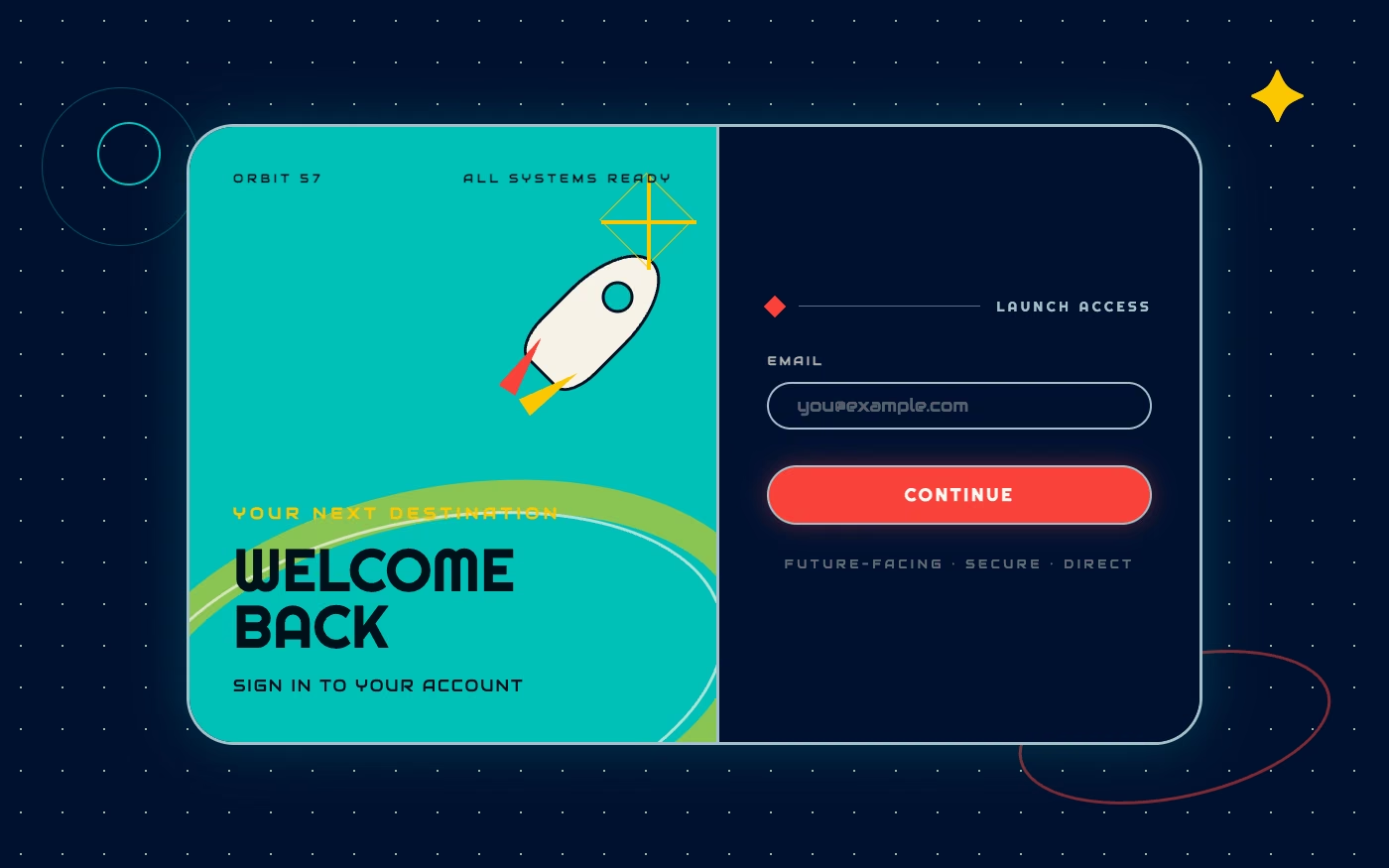
Jet Age Optimism UI design style
Postwar futurism combines boomerangs, starbursts, atoms, parabolas, sweeping curves, neon, chrome, and exuberant technological optimism.
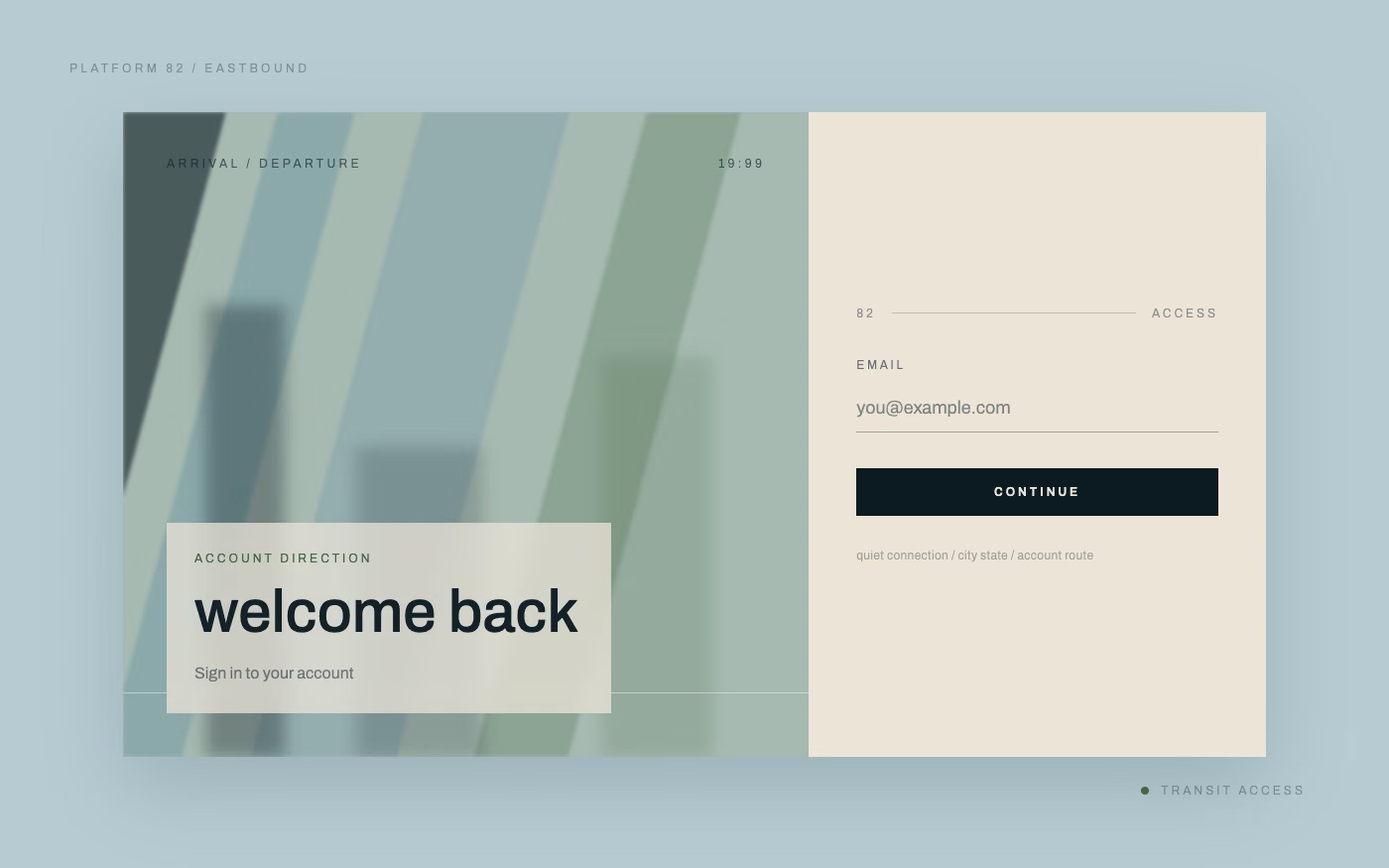
Gen-X Soft Club UI design style
Late-1990s and early-2000s urban futurism softens Y2K gloss through muted color, minimalist typography, blurred photography, and a sterile-meets-organic mood.
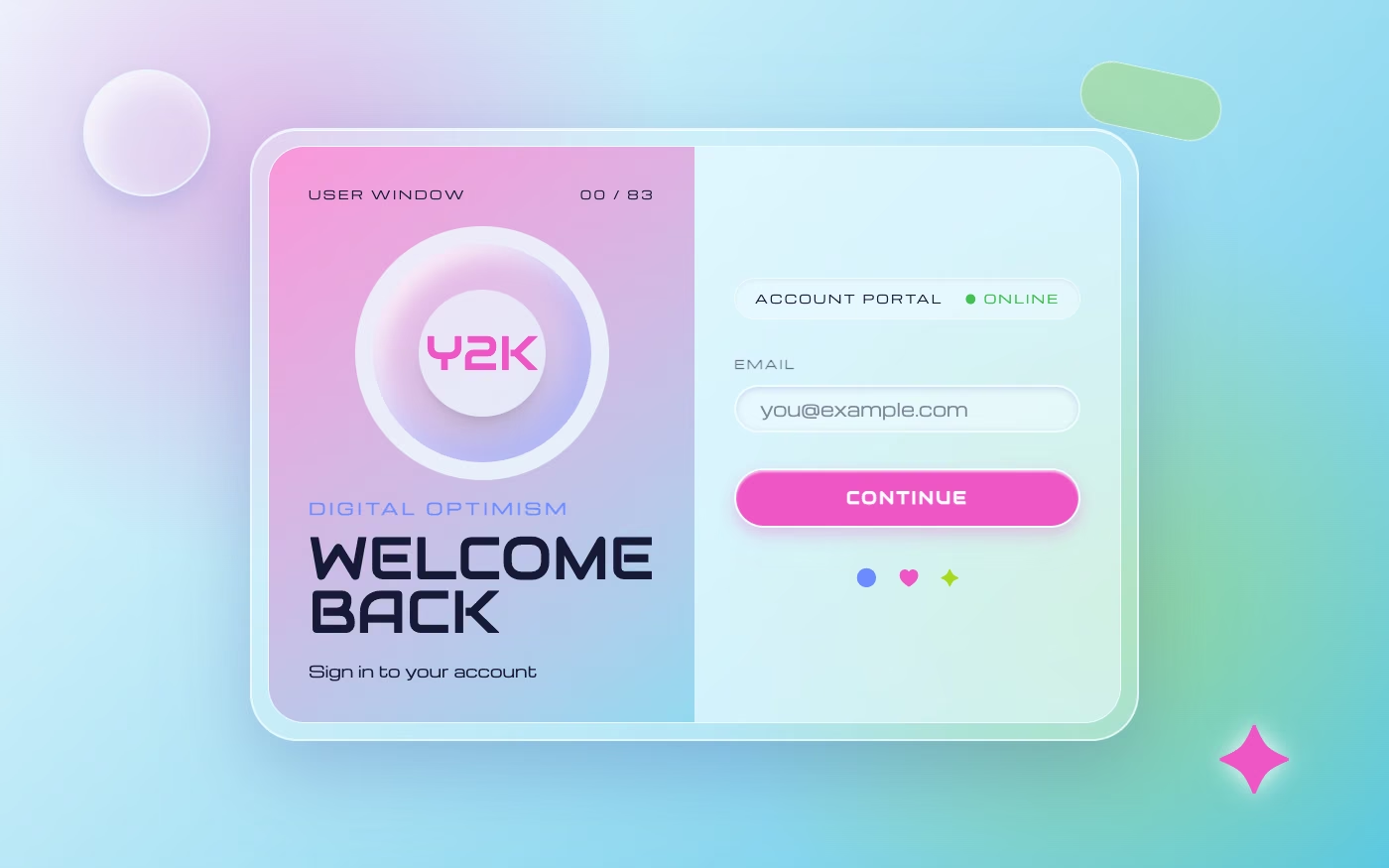
Y2K UI design style
Glossy chrome, translucent plastics, bubble typography, metallic gradients, compact devices, and turn-of-the-millennium digital optimism.
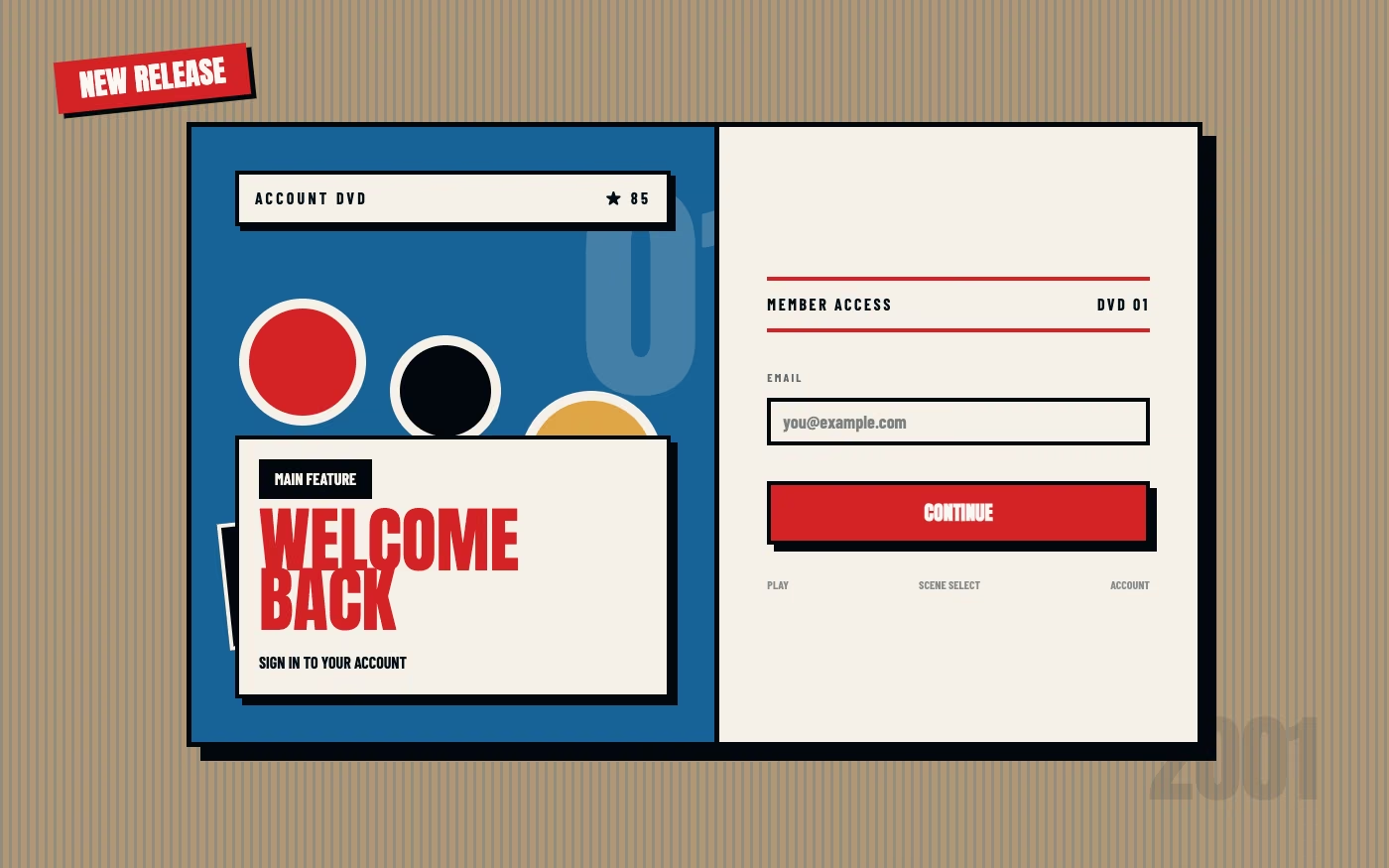
2K1 UI design style
This 2001–2004 transitional pop-cultural look mixes late-Y2K clarity with dirtier hip-hop, sports, nu-metal, teen-comedy, and early-McBling attitude.
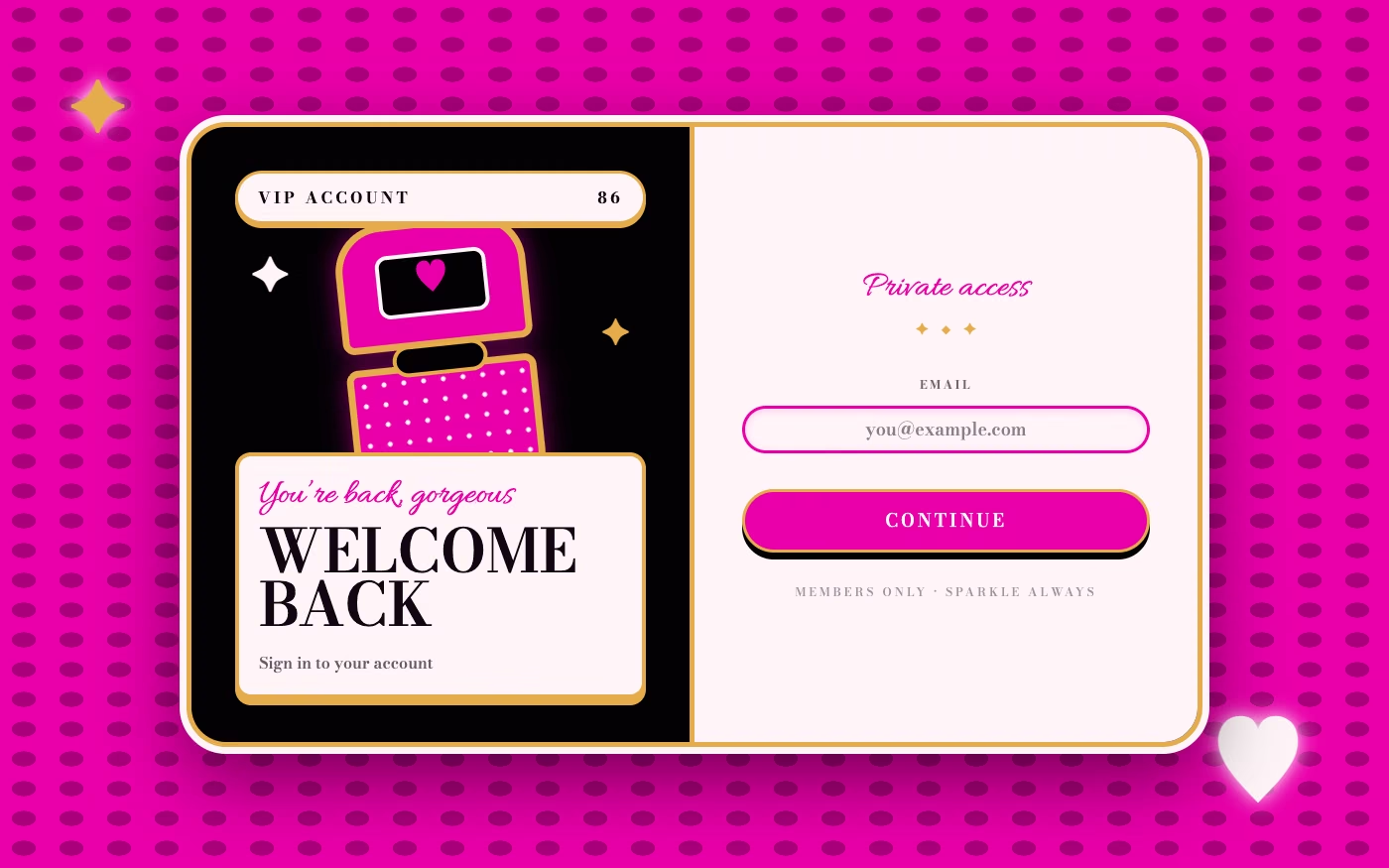
McBling UI design style
Bedazzled surfaces, hot pink, metallic accessories, ornate scripts, celebrity excess, and maximal early-2000s luxury signals.
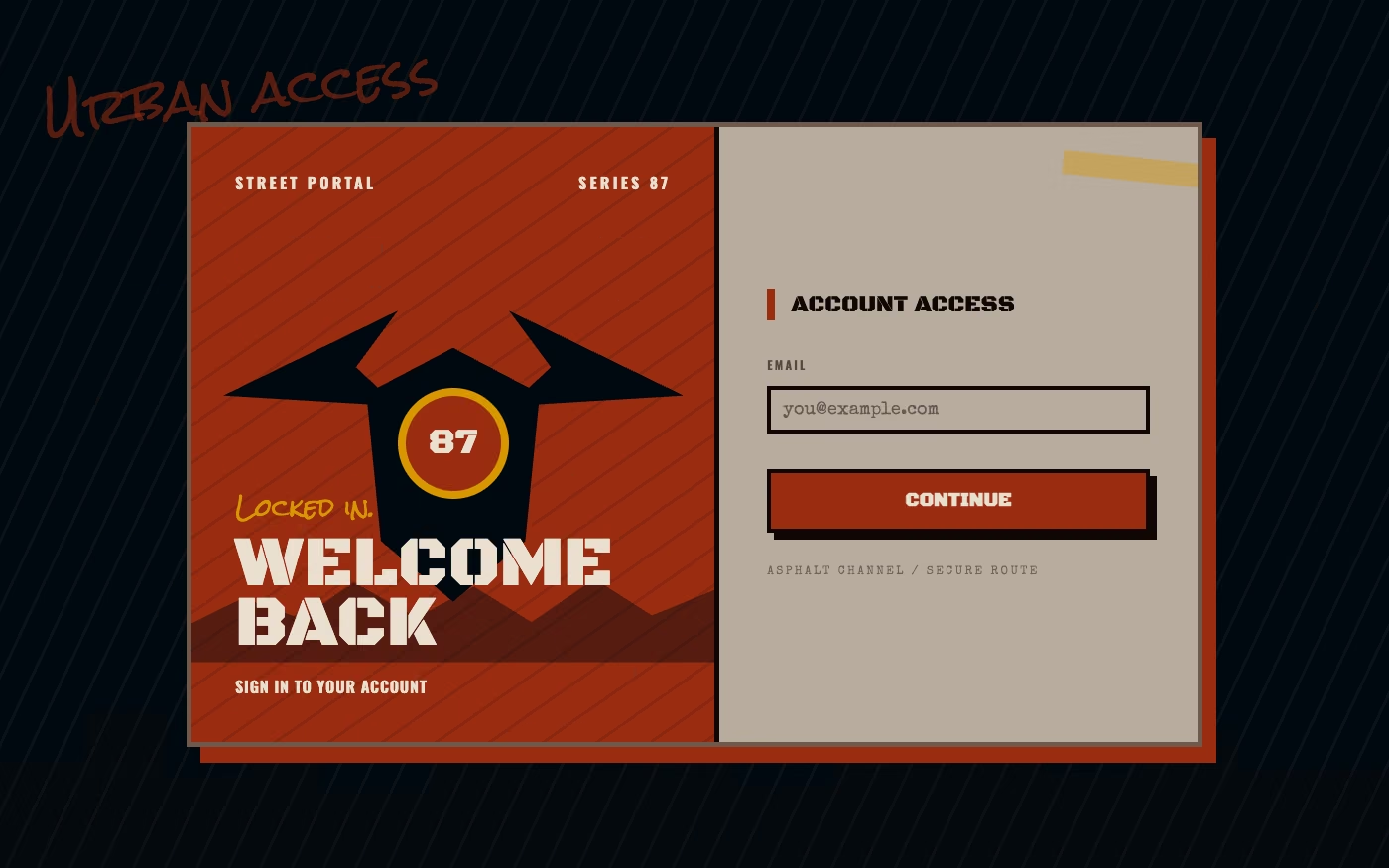
UrBling UI design style
Also called Urban Grunge, this late-1990s and mid-2000s commercial style fuses hip-hop and street imagery with grunge, graffiti, Kustom Kulture motifs, and maximal urban branding while downplaying McBling luxury.
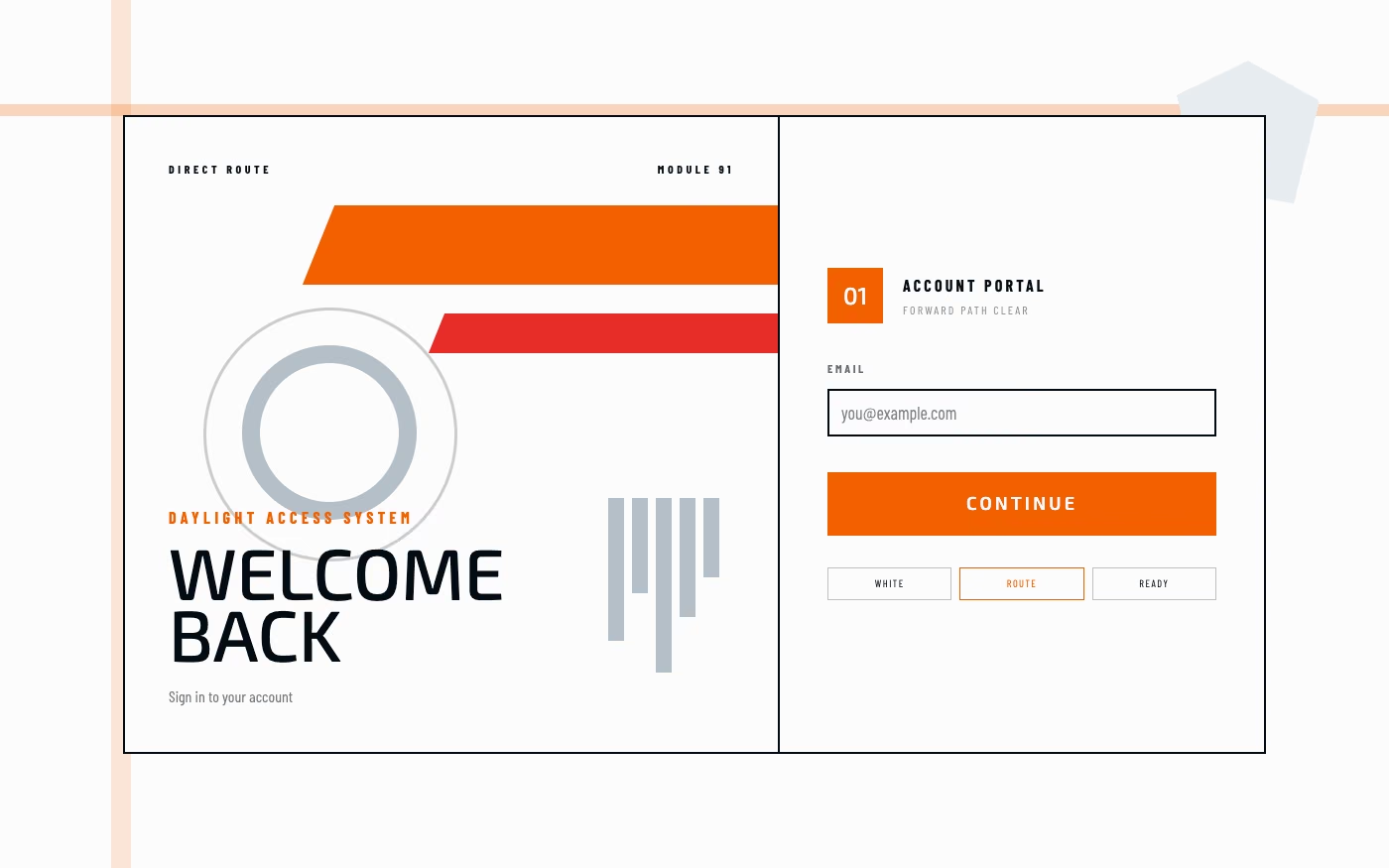
DORFic UI design style
Daylight, orange, red, futurism, and graphic design define this mid-2000s-to-mid-2010s industrial style of stark white spaces, clean technology, and geometric motion.
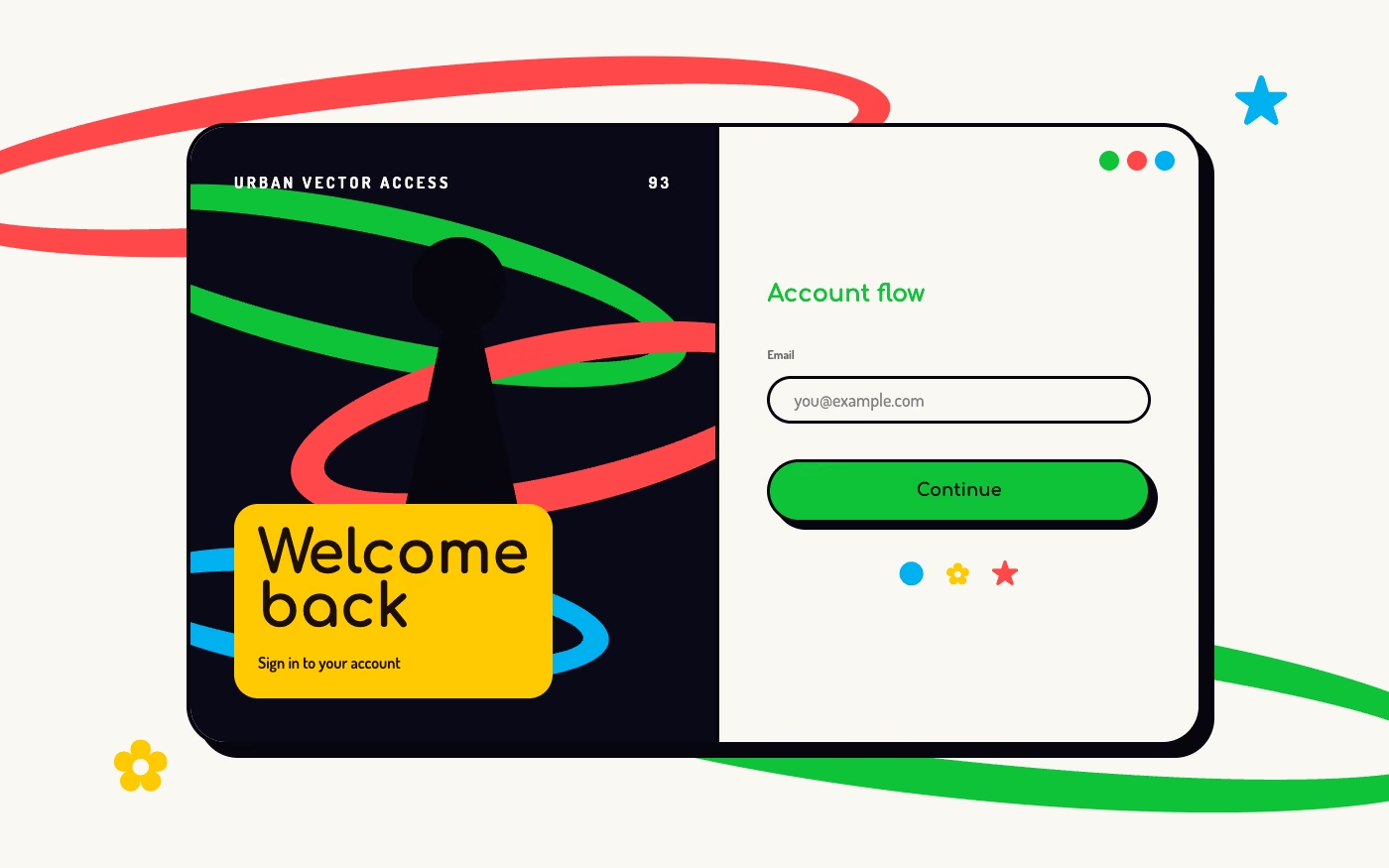
Vectordelia (Frutiger Metro) UI design style
Vivid flat vectors, organic flourishes, silhouettes, layered curves, urban energy, and humanist maximalism replace Frutiger Aero’s realism.
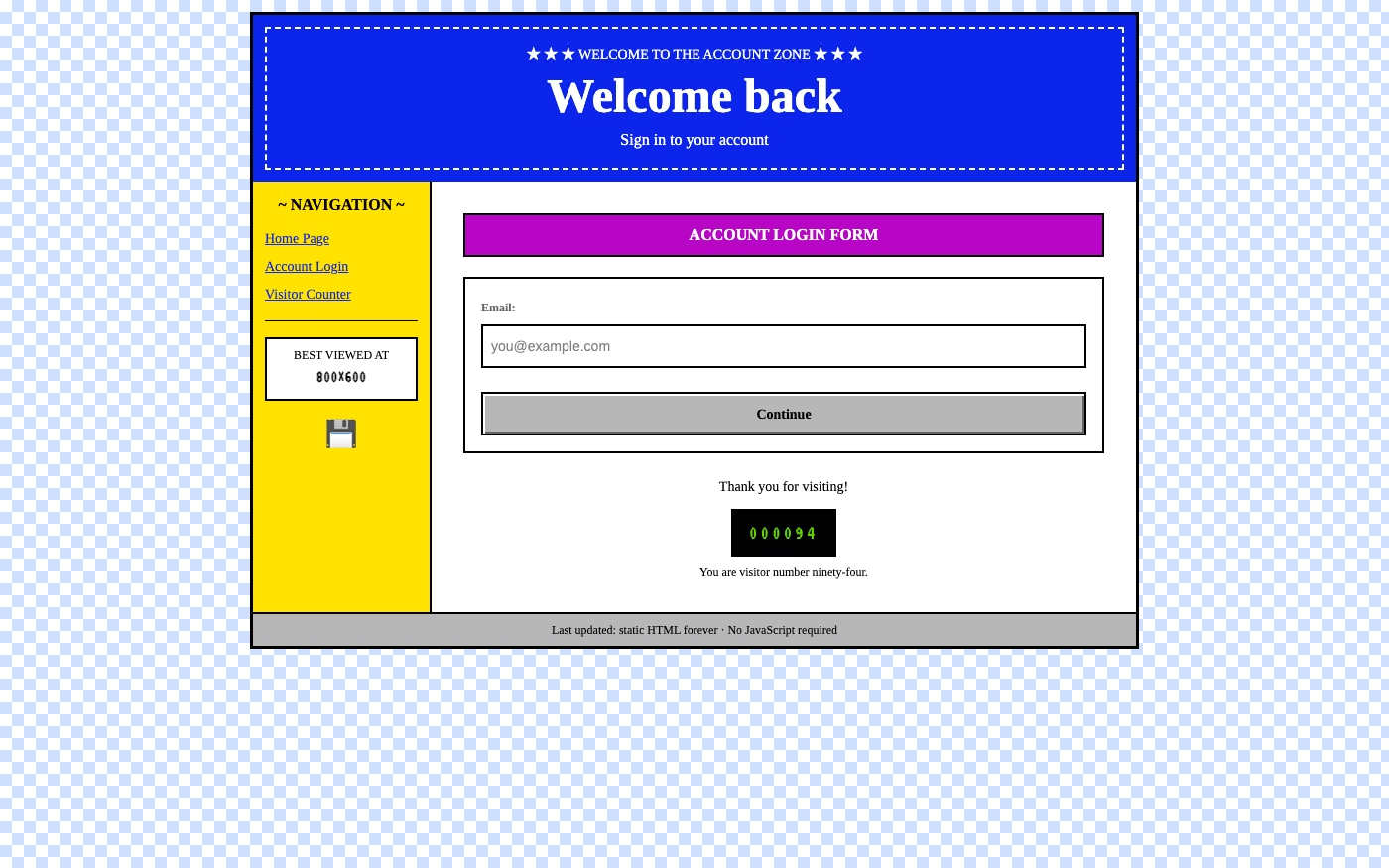
Web 1.0 / Webcore UI design style
Browser-default typography, tiled backgrounds, beveled buttons, underlined links, animated GIFs, badges, counters, and visibly handmade pages.
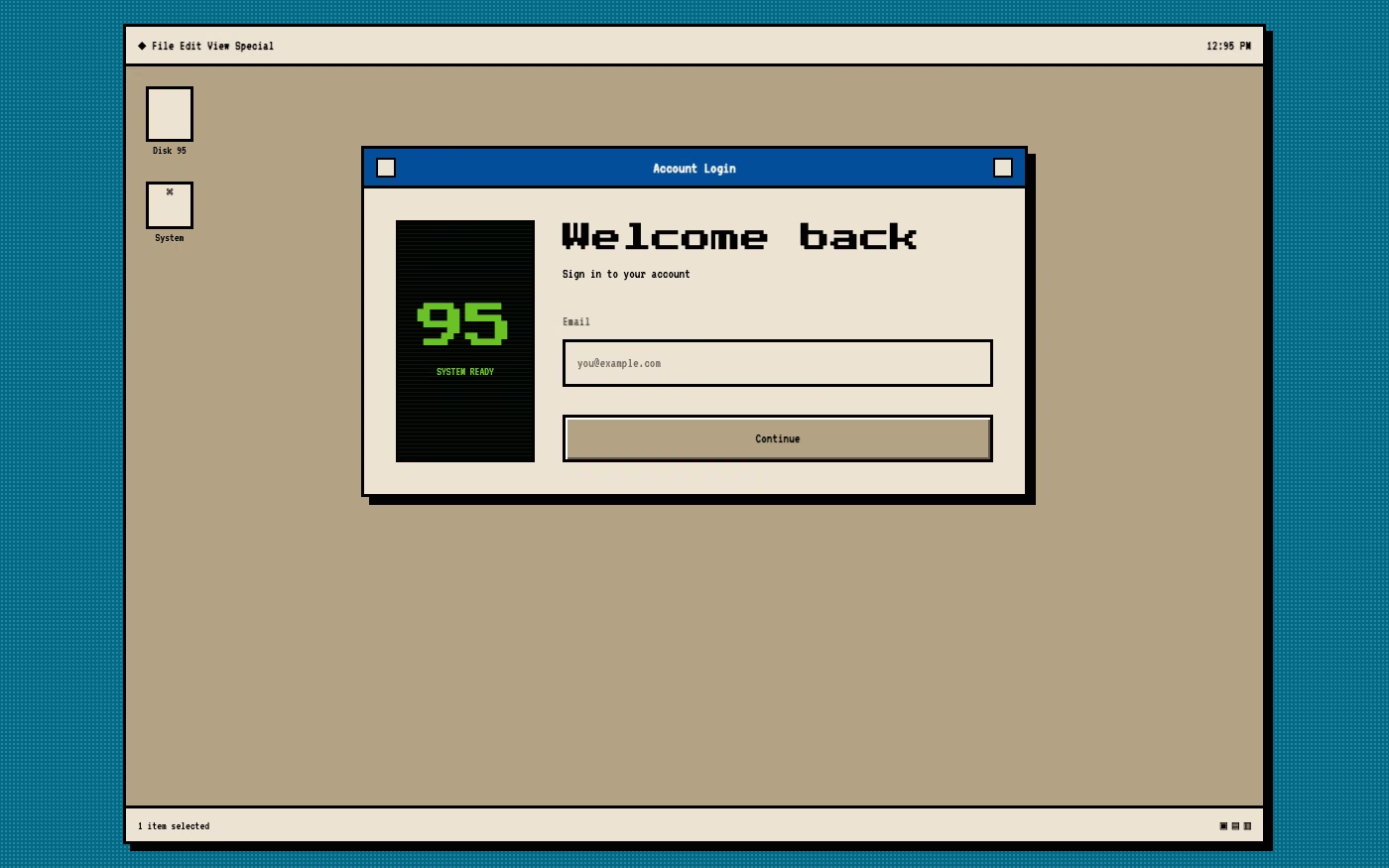
Retro Computing UI design style
CRT glow, bitmap fonts, window chrome, limited palettes, scanlines, floppy-disk motifs, and vintage operating-system conventions.
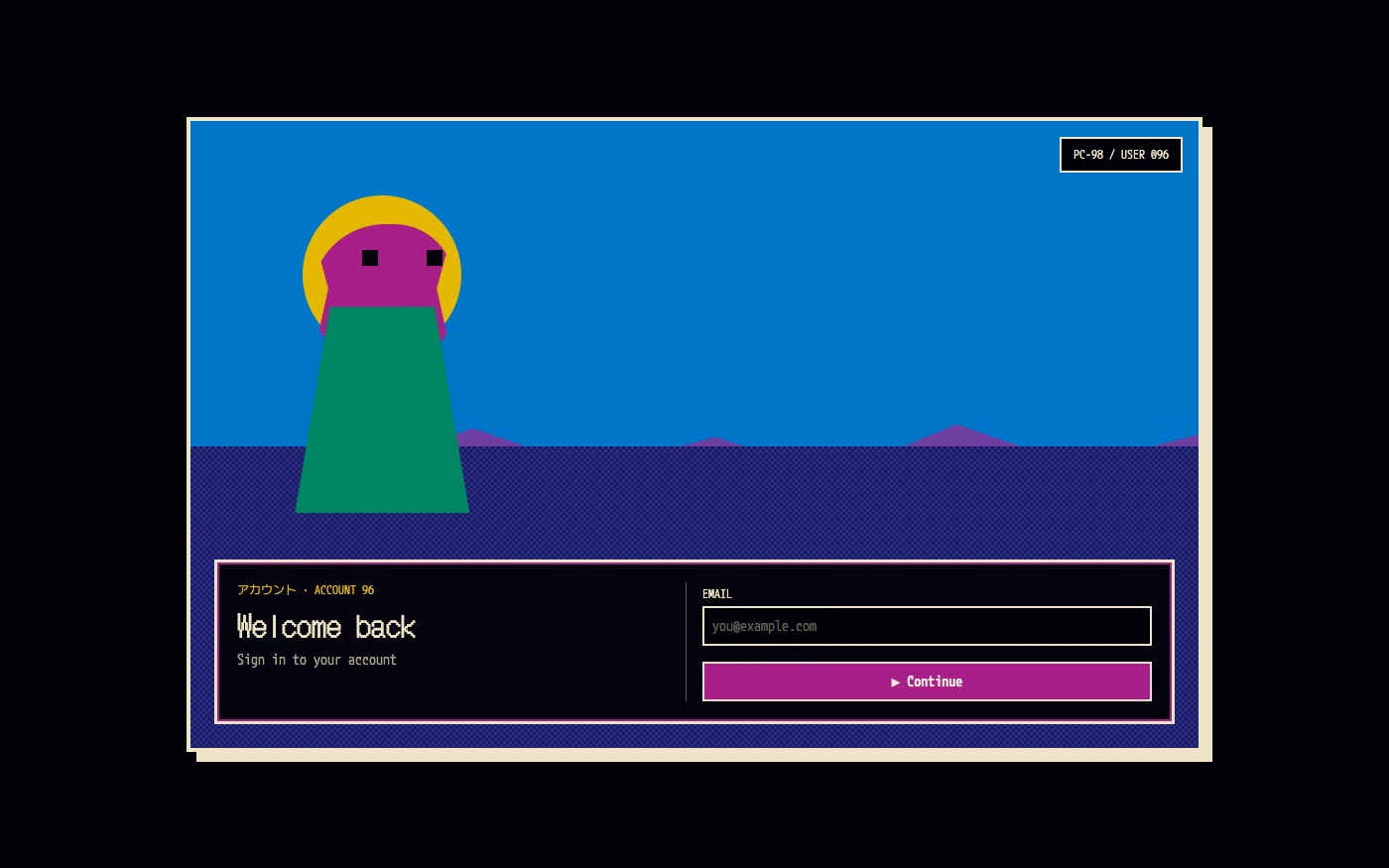
PC-98 UI design style
NEC PC-9800-era Japanese games pair relatively high-resolution 640×400 scenes with tightly limited color, meticulous dithering, detailed anime portraits, and compact visual-novel or adventure-game interfaces.
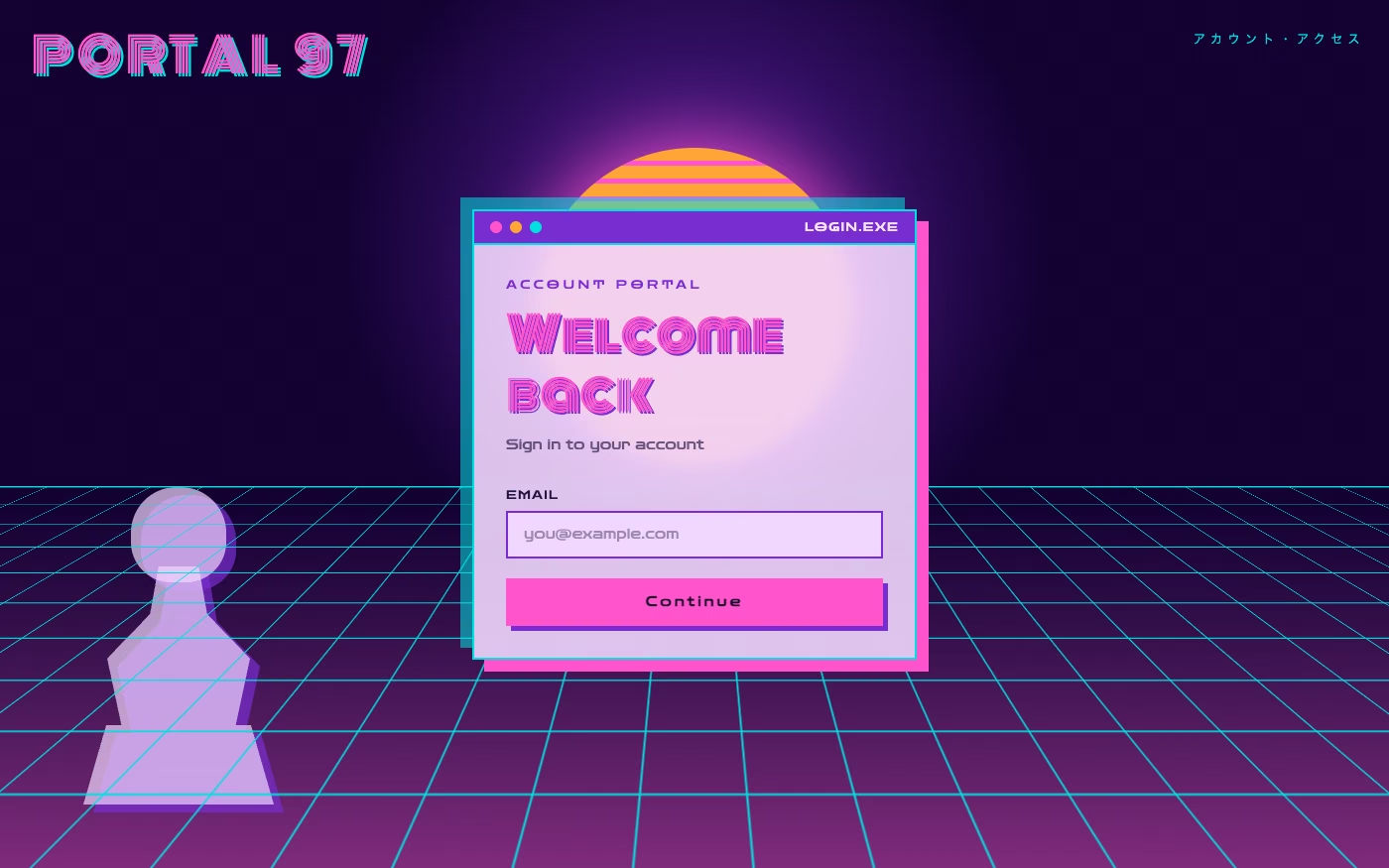
Vaporwave UI design style
Pastel neon, digital sunsets, classical sculpture, grids, obsolete consumer imagery, and surreal 1980s–1990s nostalgia.
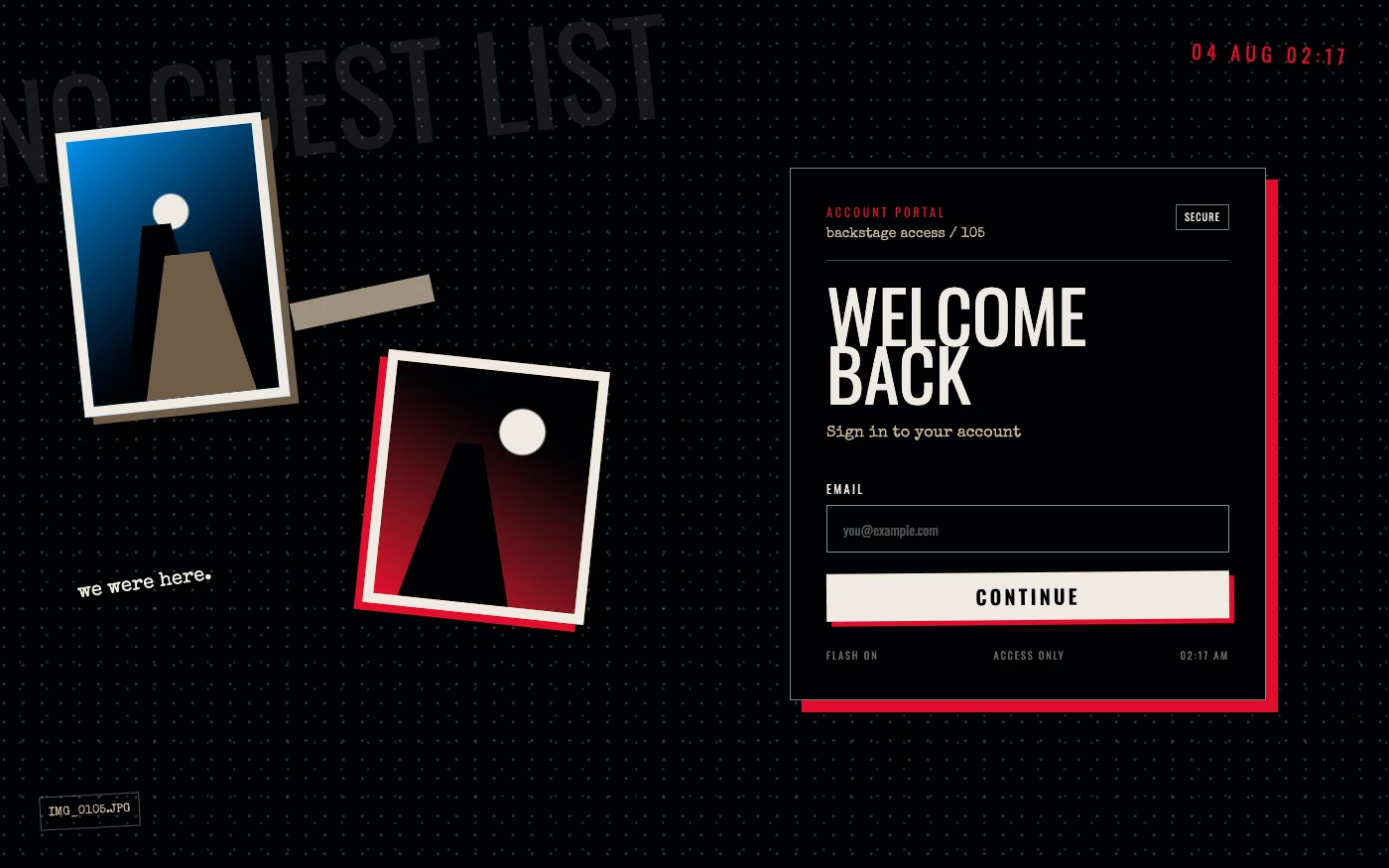
Indie Sleaze UI design style
Flash photography, messy nightlife imagery, condensed type, black backgrounds, low-fi textures, and deliberately unpolished cool.
Explore other UI trend categories
Compare three other visual families before choosing a direction.

Minimal and functional UI design trends
These interface styles reduce visual noise through clear grids, disciplined spacing, restrained color, and direct information hierarchy. They range from calm product surfaces to compact expert tools.


Futuristic and sci-fi UI design trends
Speculative worlds, fictional systems, and imagined technology drive these interfaces. Each trend offers a different answer to how tools, dashboards, and digital environments can feel beyond the present.


Material, dimensional, and skeuomorphic UI trends
Depth, texture, translucency, and familiar physical cues define this group. Use these trends when surfaces and materials can explain hierarchy, interaction, or the world around a product.
Turn a visual direction into working UI
Study a trend's design rules, then write a prompt with enough structure for an AI coding agent to apply it consistently.