Playful and illustrated UI design trends
Illustration, imperfect marks, character, and game-like graphics make these interfaces feel approachable. Consistent controls keep the experience usable beneath the playful surface.
9 UI design trends
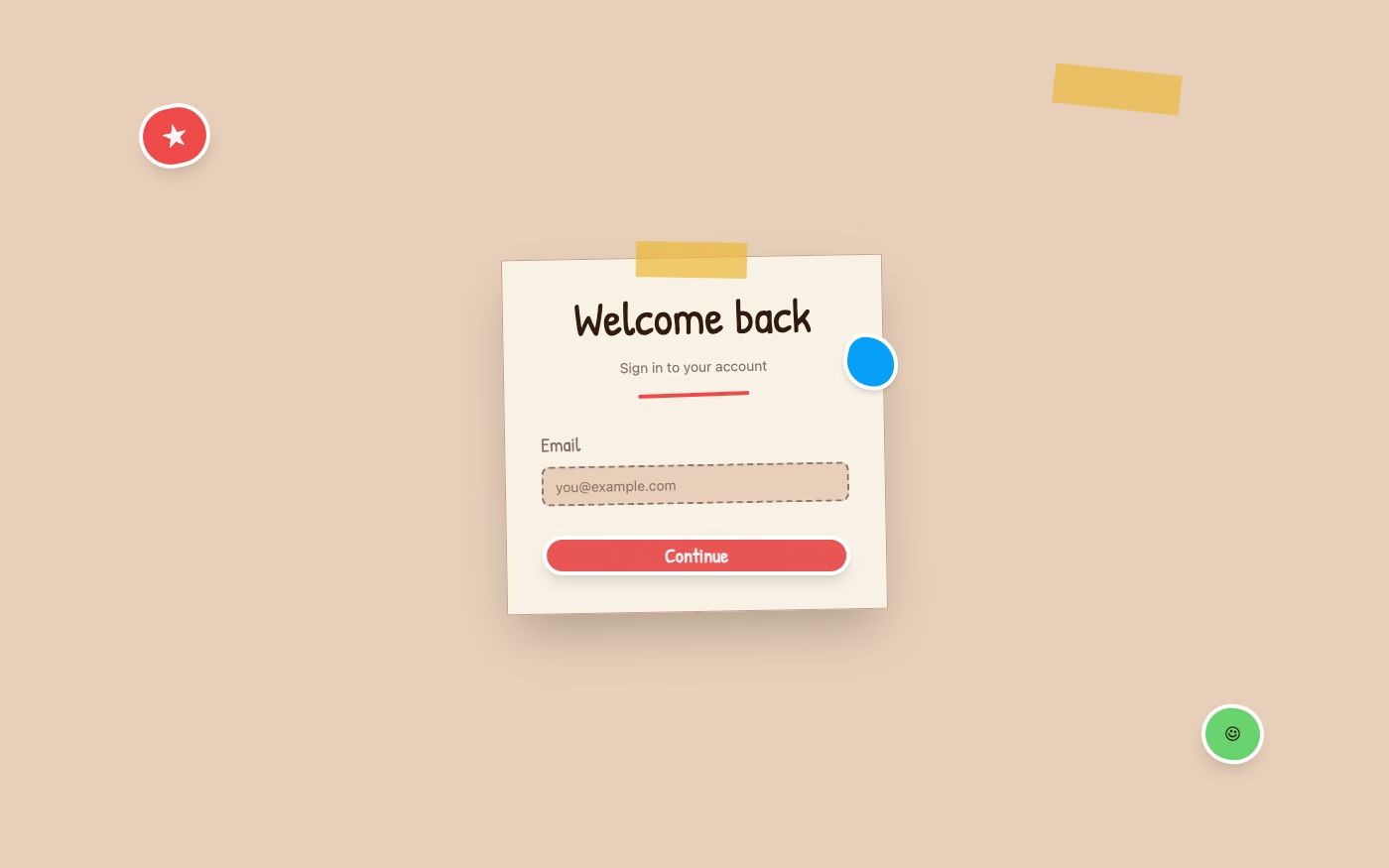
Scrapbook / Sticker UI design style
Stickers, tape, stamps, snapshots, doodles, labels, and layered ephemera create a personal assembled look.
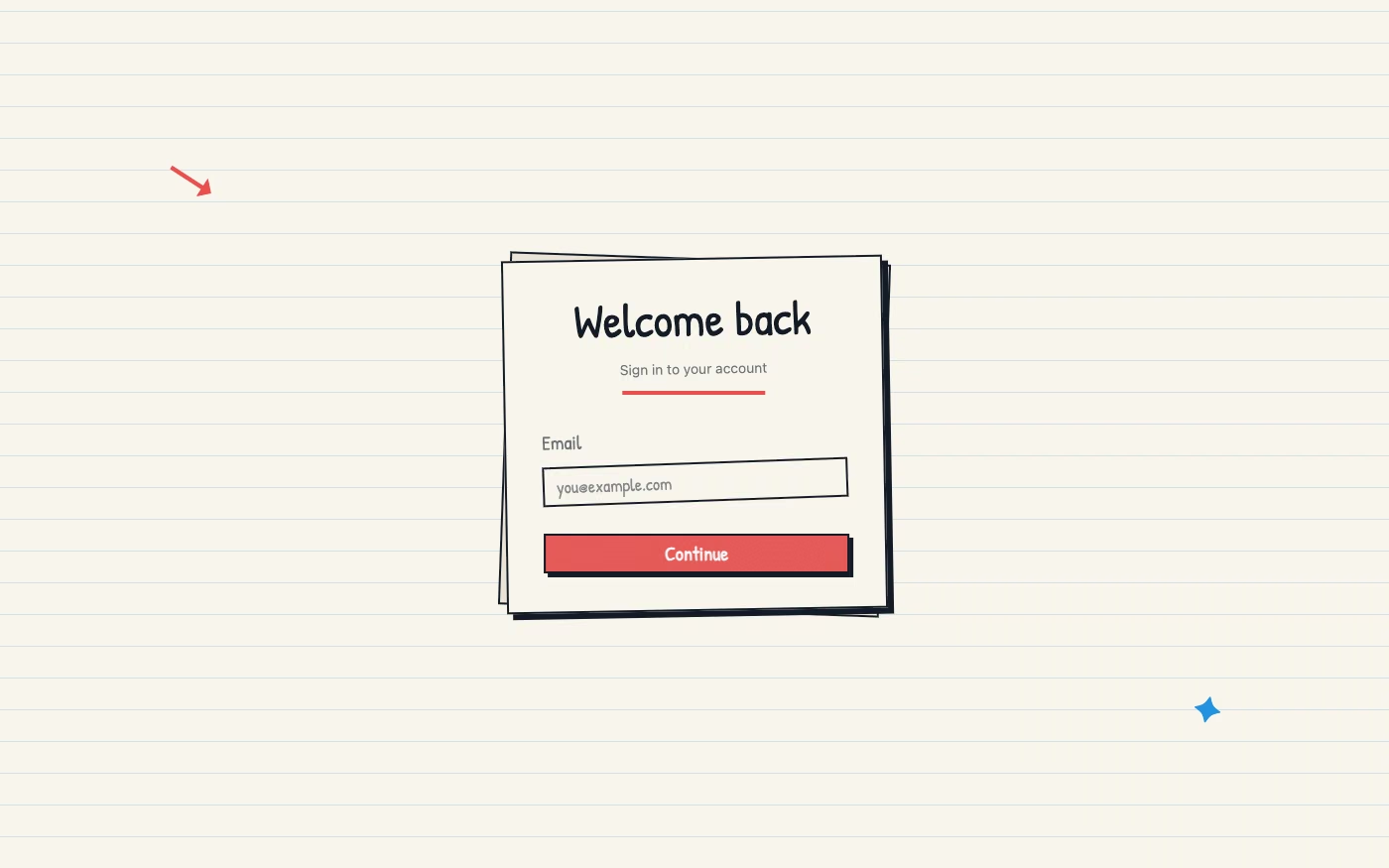
Hand-Drawn UI design style
Imperfect lines, sketchy icons, paper textures, handwritten type, and playful annotations emphasize human craft.
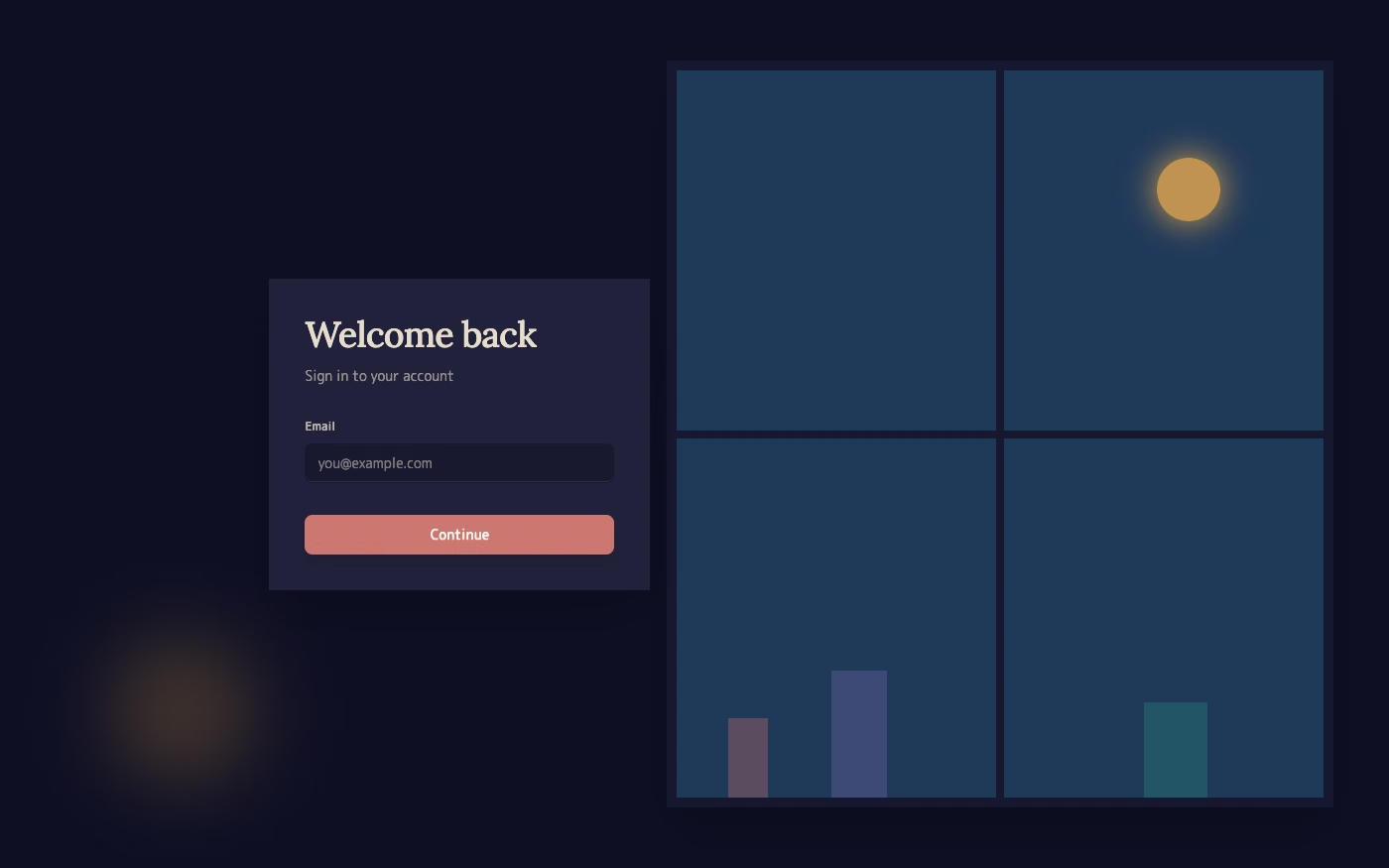
Lo-fi Art UI design style
Cozy 2010s imagery associated with lo-fi hip-hop uses anime-influenced everyday scenes, muted color, warm pools of light, and analog imperfection to create calm introspection.
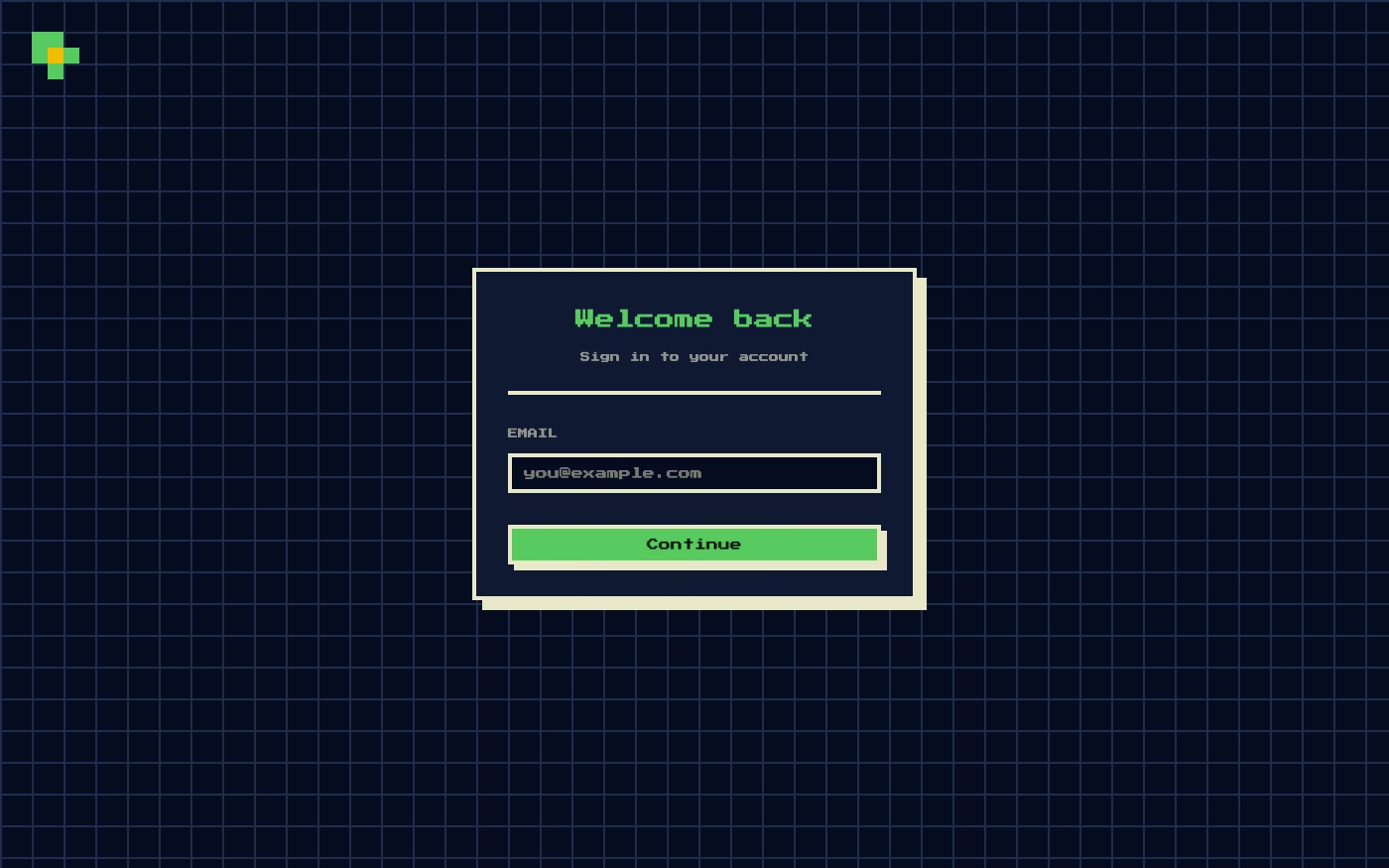
Pixel Art UI design style
Low-resolution graphics, limited palettes, blocky typography, and game-inspired interface details.
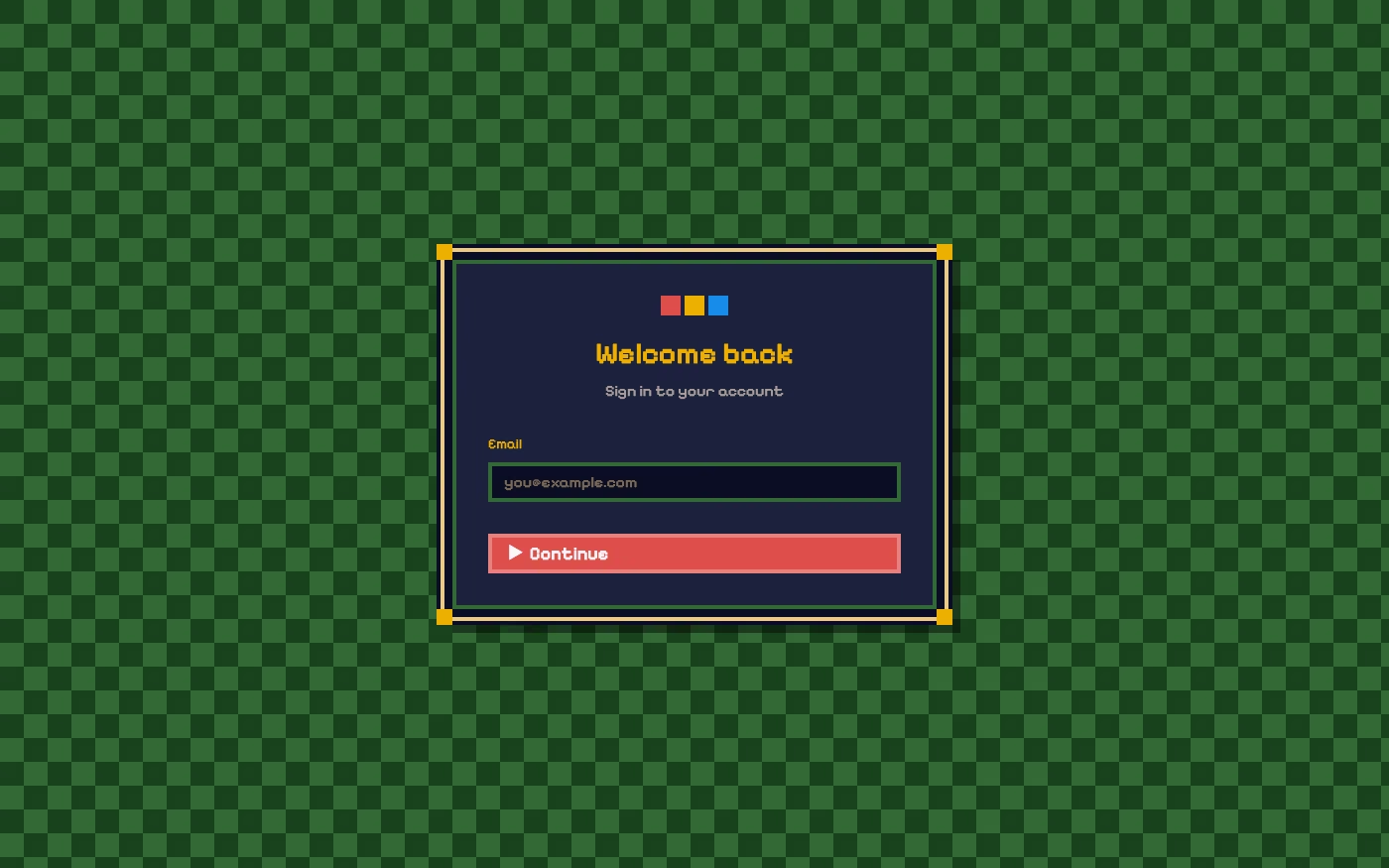
RPG Pixel Art UI design style
Classic 8-bit and 16-bit role-playing games combine top-down tile maps, expressive party sprites, framed dialogue, inventory menus, and readable battle effects.
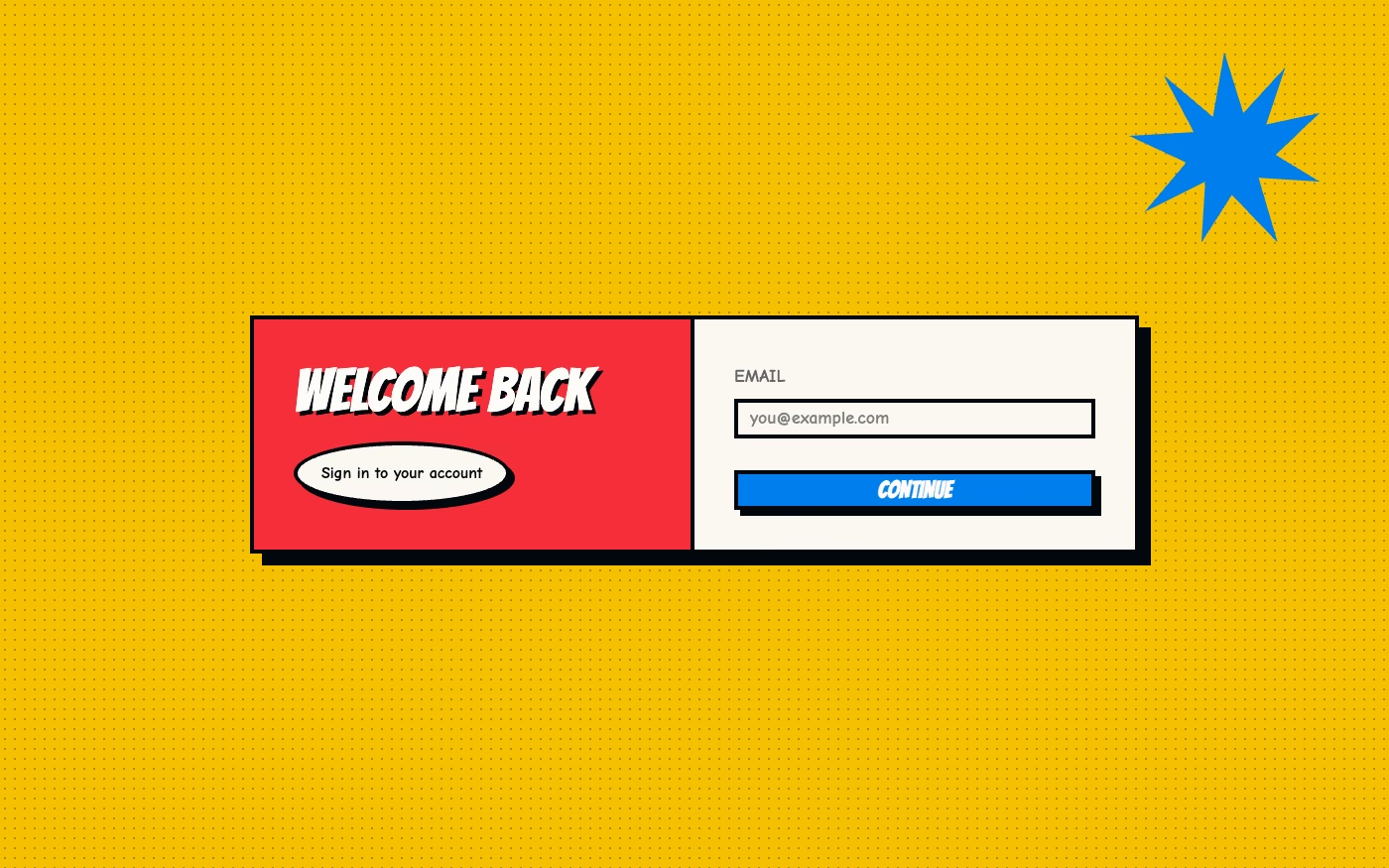
Halftone / Comic Book UI design style
Dot screens, ink outlines, speech devices, panel logic, action marks, and punchy print colors.

Corporate Memphis UI design style
Flat vector scenes with bright solid colors, geometric environments, and simplified people with exaggerated proportions.
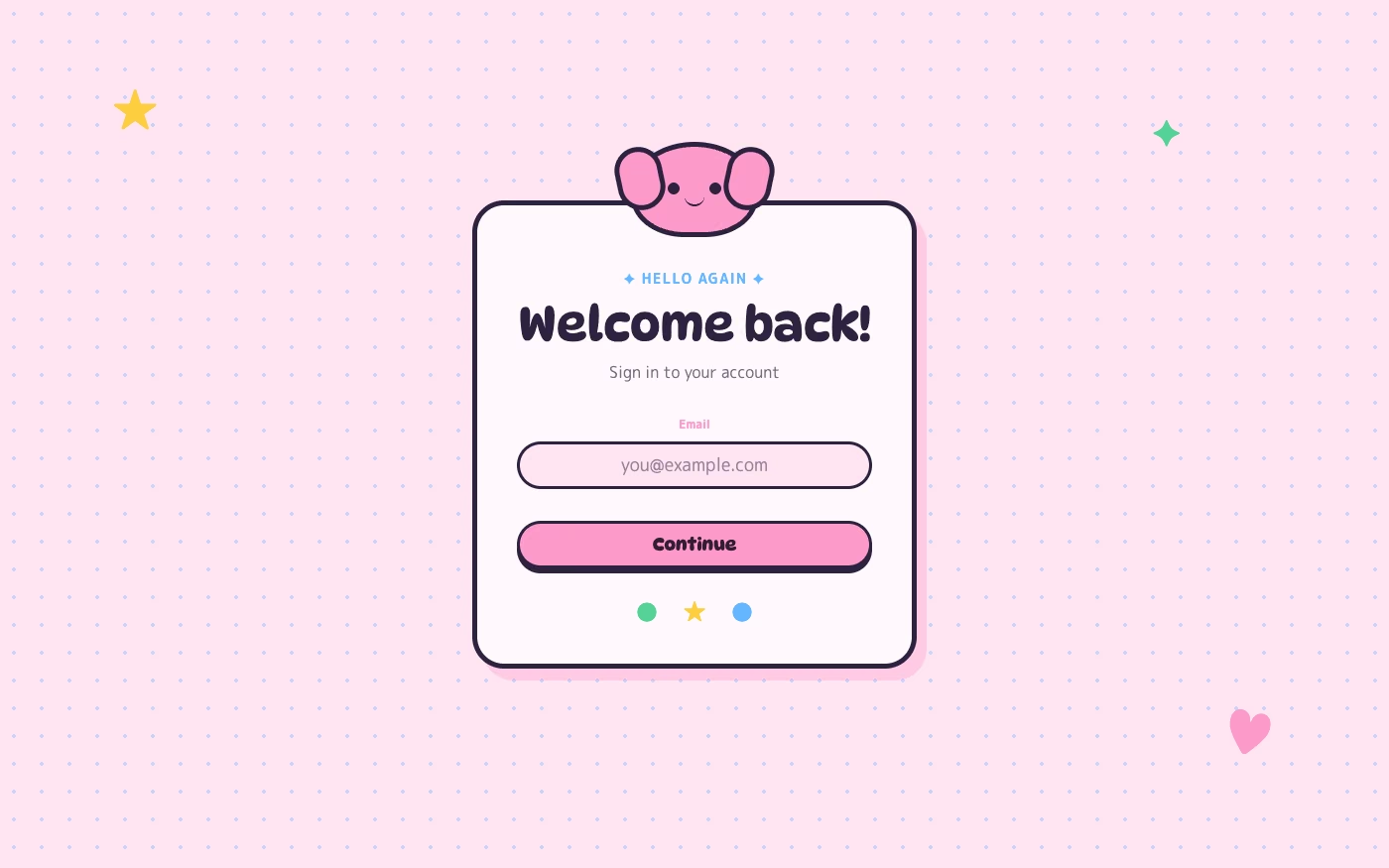
Kawaii UI design style
Cute characters, rounded shapes, soft colors, expressive icons, and cheerful decorative details.
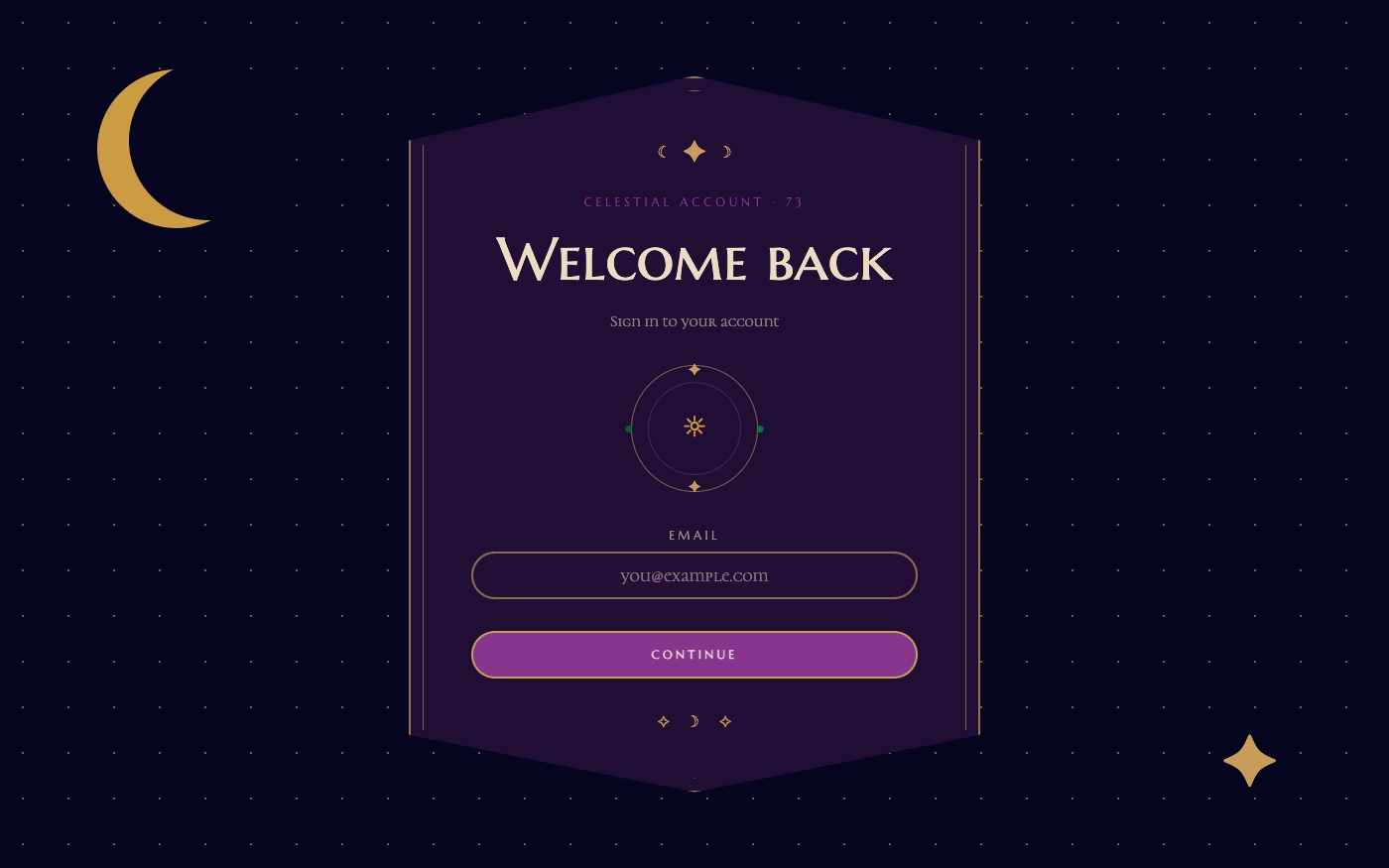
Whimsigothic UI design style
Celestial symbols, jewel tones, ornate curves, mystical illustration, and playful gothic motifs create theatrical enchantment.
Explore other UI trend categories
Compare three other visual families before choosing a direction.
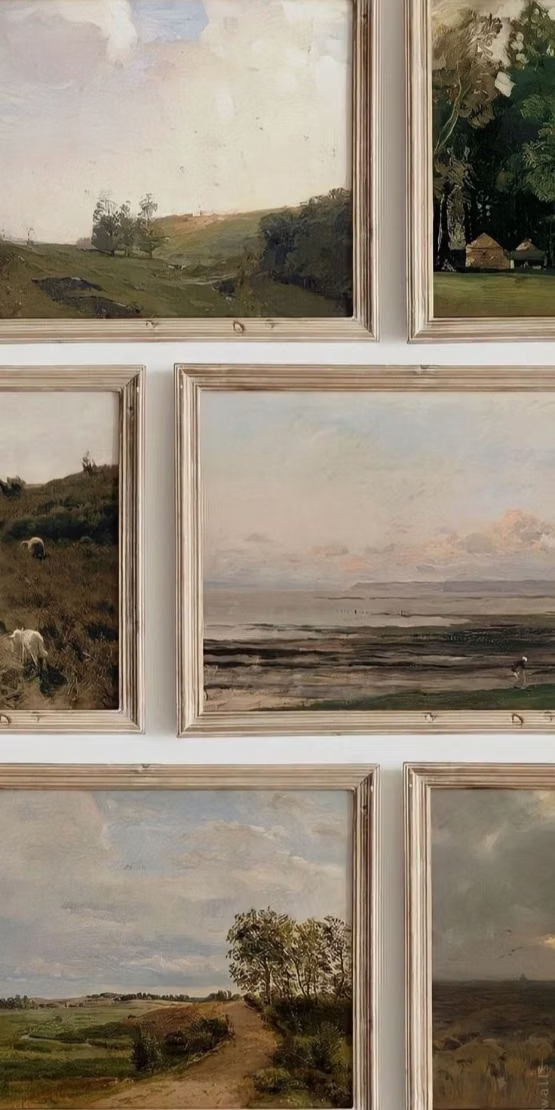
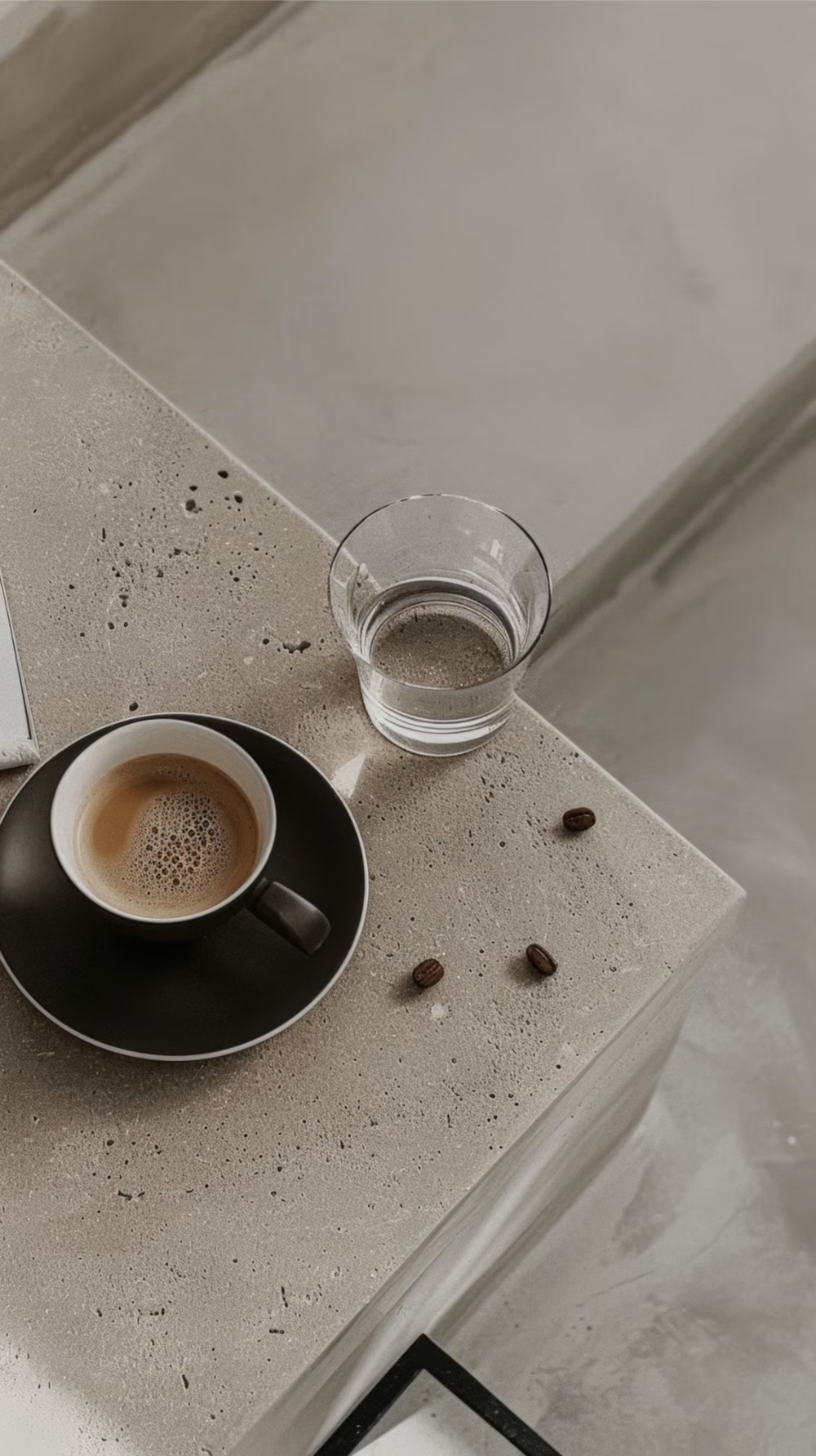
Minimal and functional UI design trends
These interface styles reduce visual noise through clear grids, disciplined spacing, restrained color, and direct information hierarchy. They range from calm product surfaces to compact expert tools.
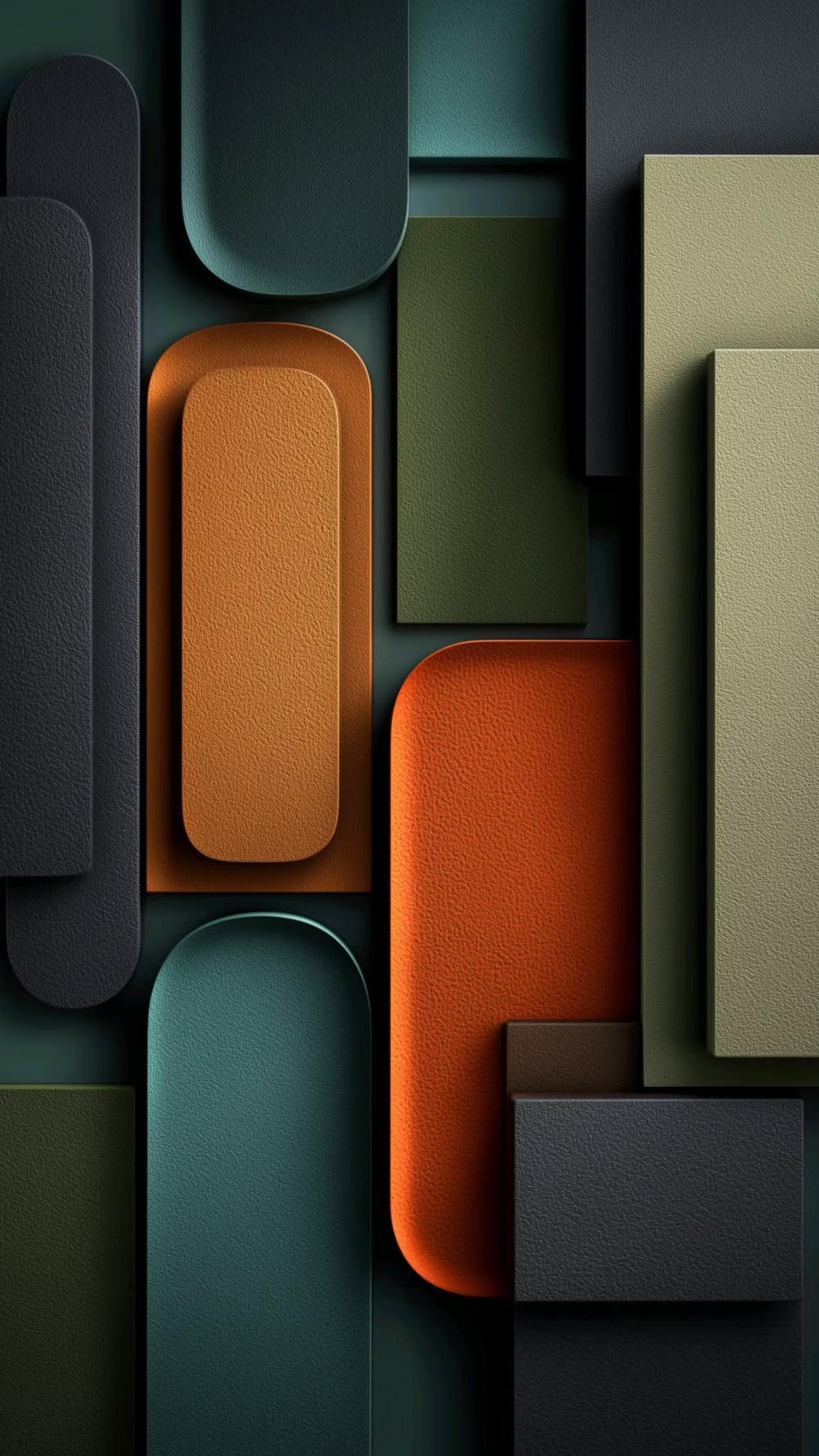
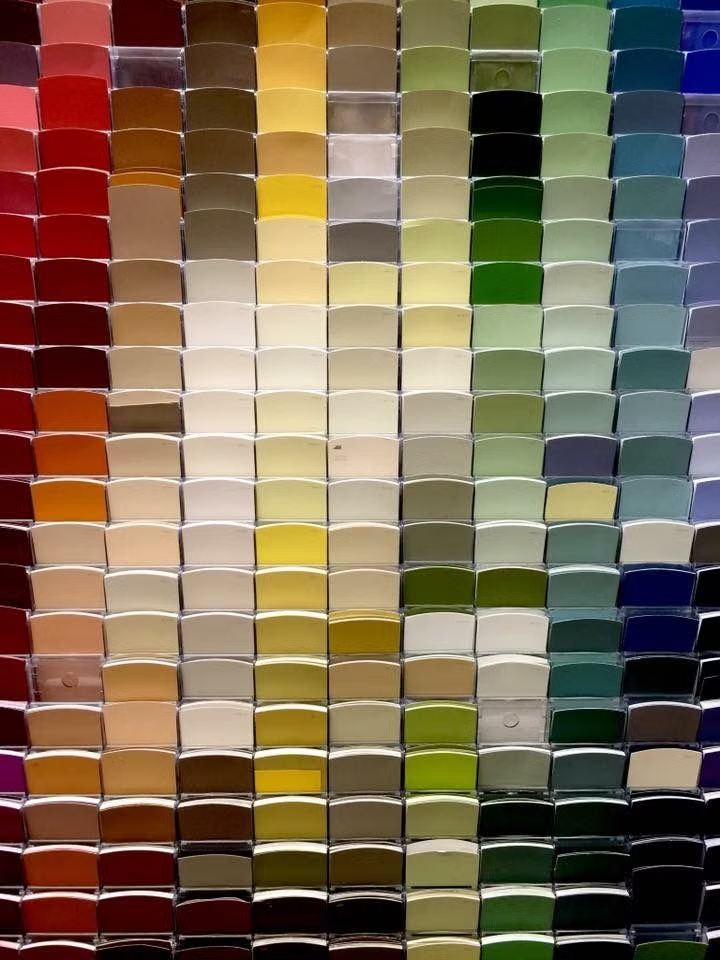

Material, dimensional, and skeuomorphic UI trends
Depth, texture, translucency, and familiar physical cues define this group. Use these trends when surfaces and materials can explain hierarchy, interaction, or the world around a product.

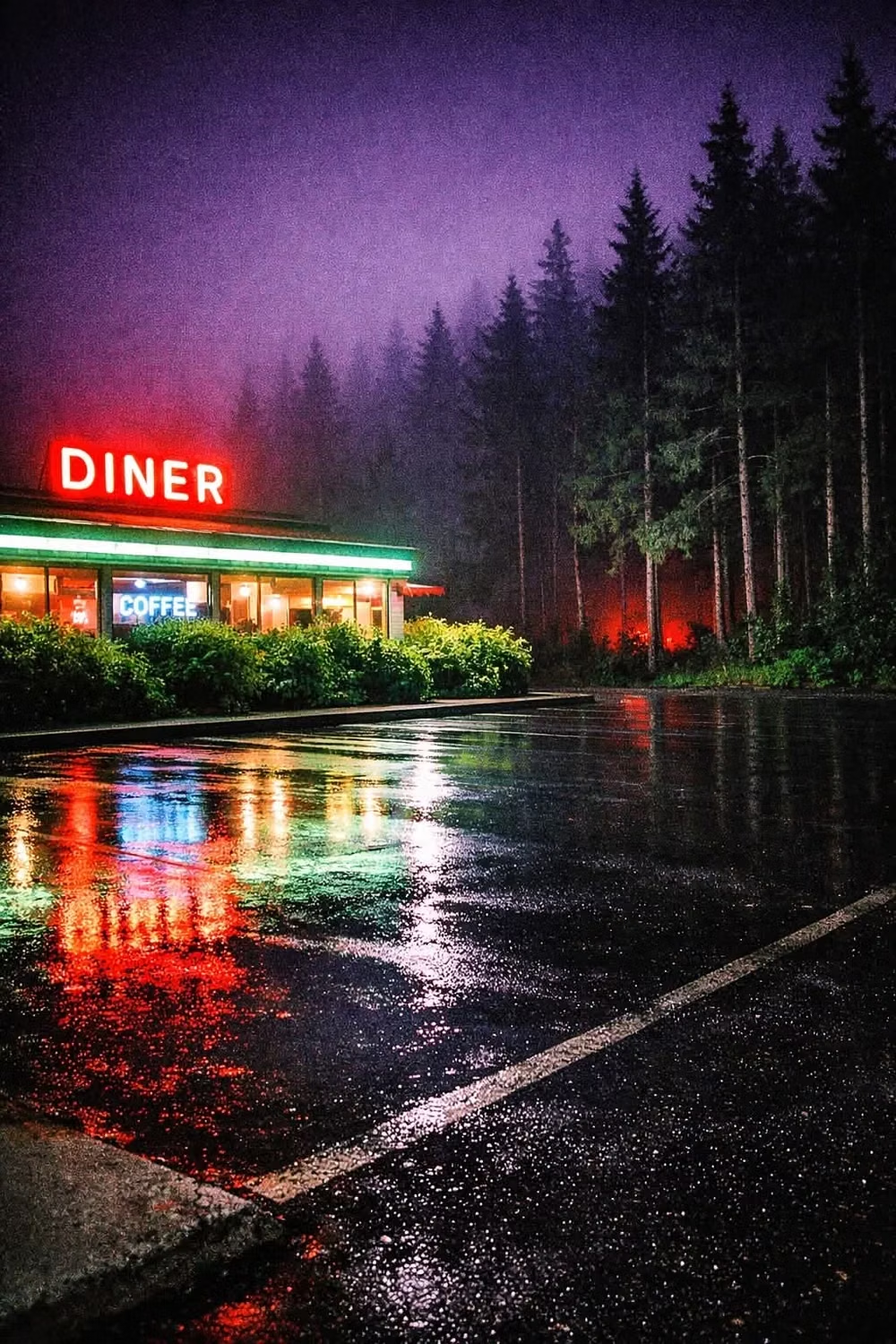
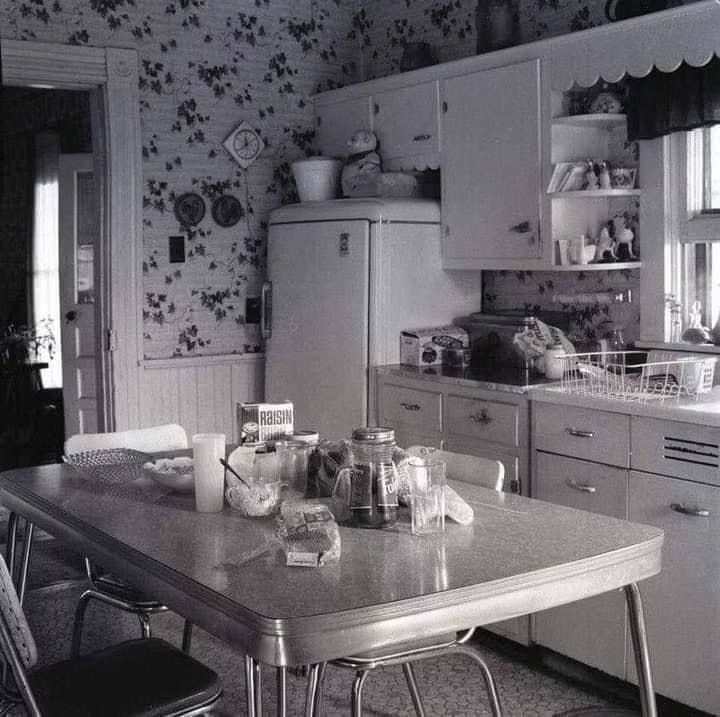
Retro and nostalgic web design trends
These trends borrow from earlier consumer technology, internet culture, fashion, and advertising. They work when a product benefits from a specific era instead of a generic vintage filter.
Turn a visual direction into working UI
Study a trend's design rules, then write a prompt with enough structure for an AI coding agent to apply it consistently.