Futuristic and sci-fi UI design trends
Speculative worlds, fictional systems, and imagined technology drive these interfaces. Each trend offers a different answer to how tools, dashboards, and digital environments can feel beyond the present.
10 UI design trends
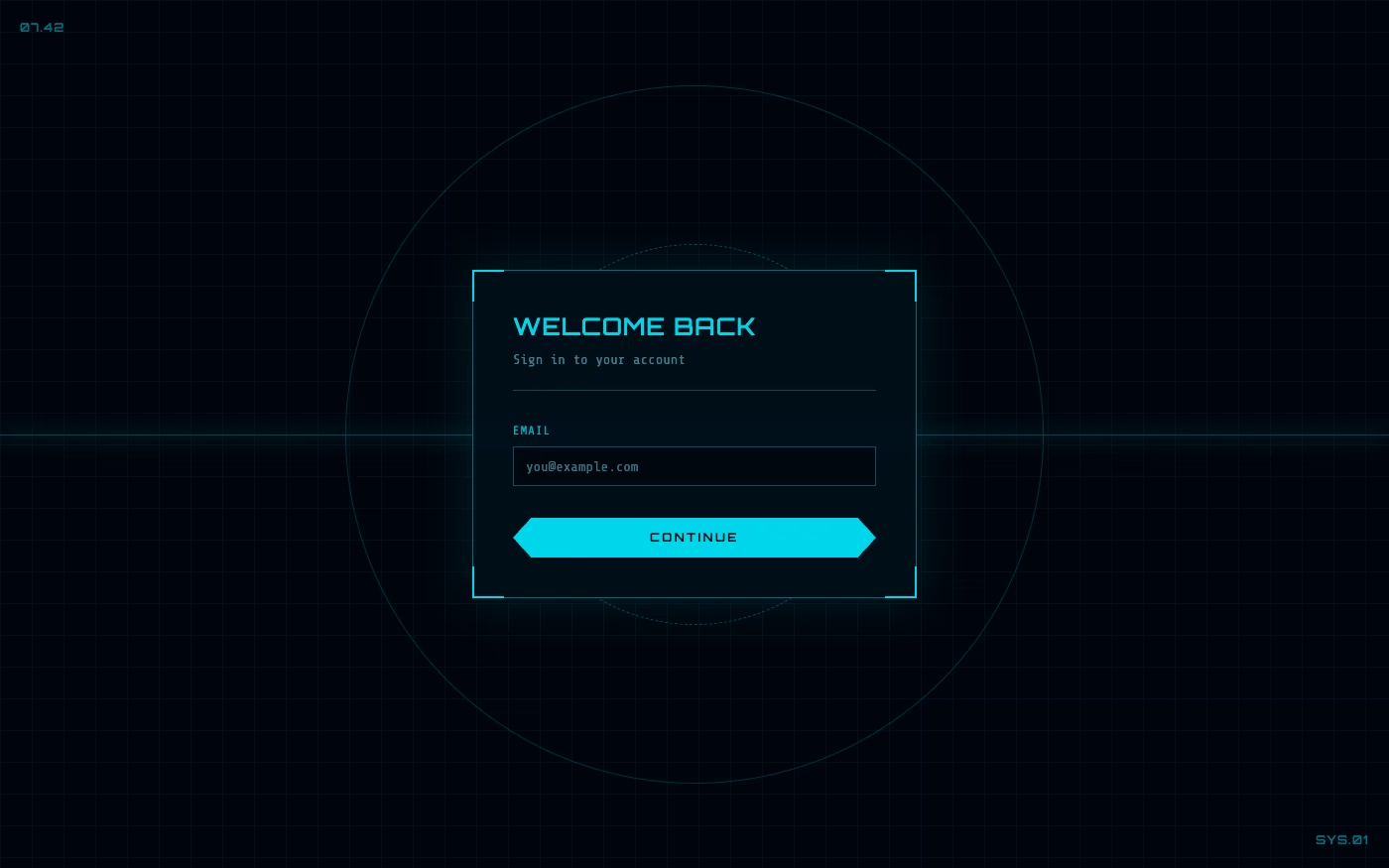
FUI / HUD UI design style
Fictional-interface styling with telemetry, reticles, grids, diagrams, scanning effects, and layered translucent readouts.
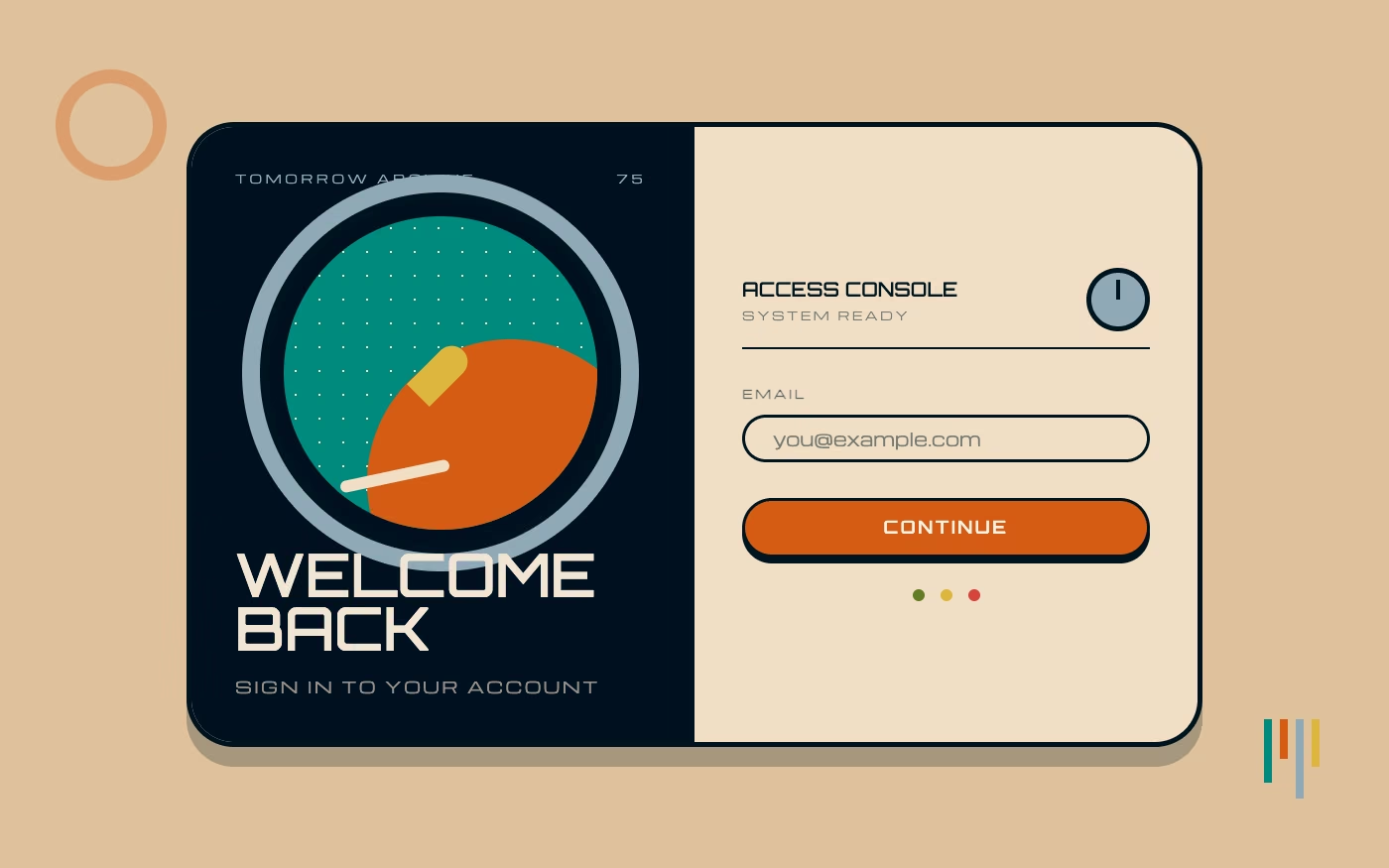
Retro-Futurism UI design style
Past visions of tomorrow are recombined through vintage technology, period typography, space-age forms, chrome, and imagined futures.
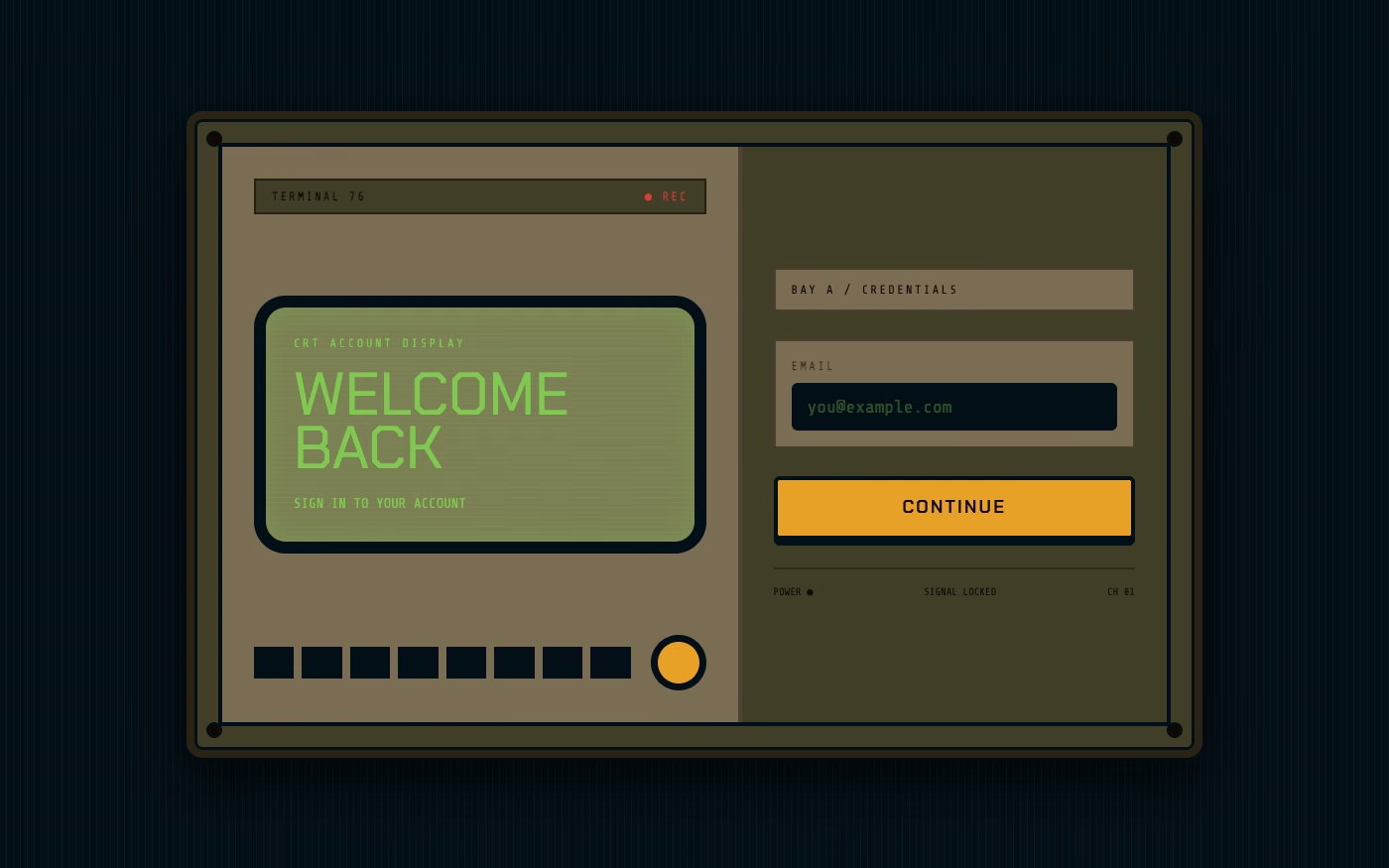
Cassette Futurism UI design style
Chunky analog controls, CRT displays, industrial panels, physical switches, amber or green screens, and late-20th-century science-fiction technology.
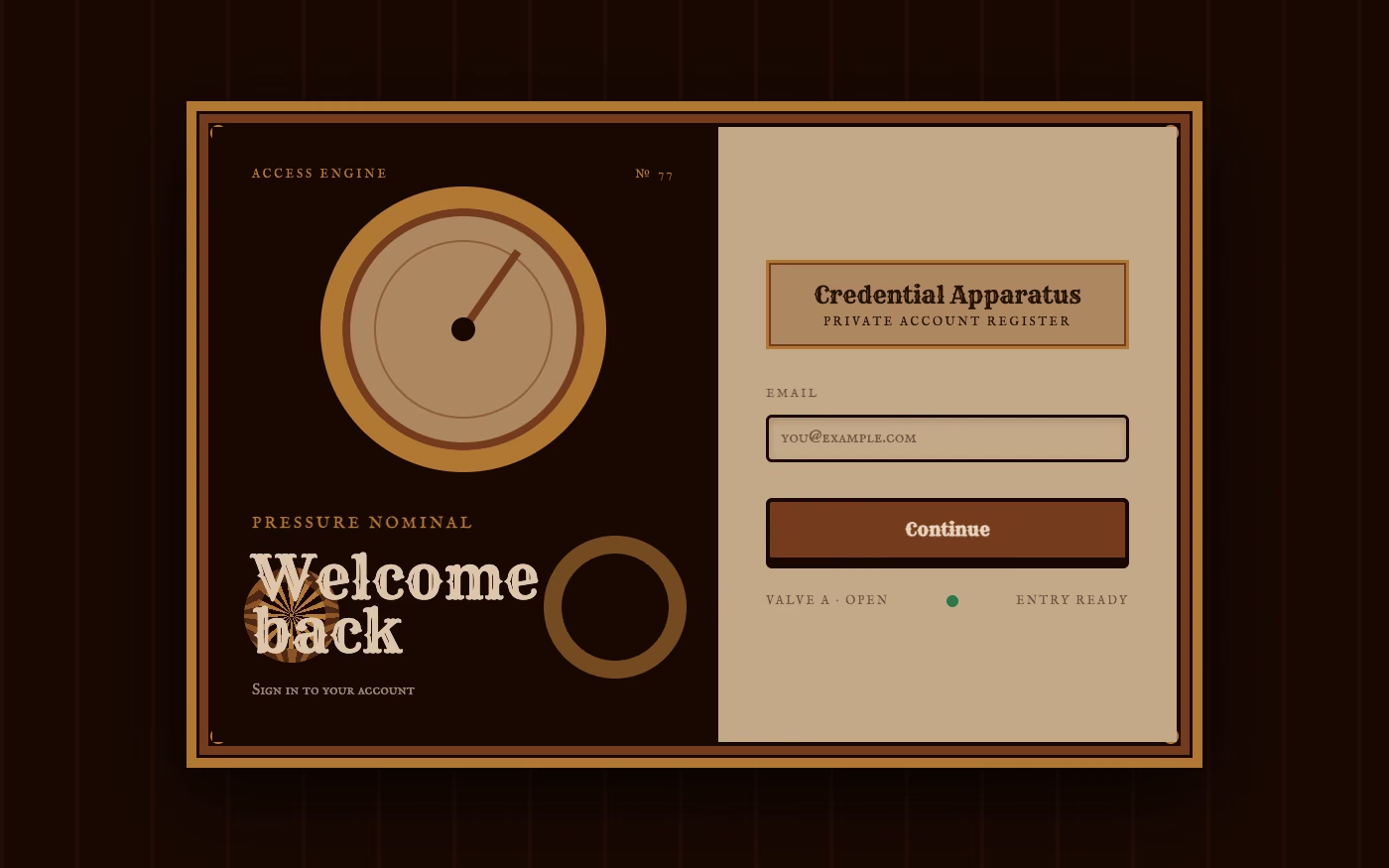
Steampunk UI design style
A hyper-skeuomorphic Victorian machine aesthetic turns the interface into a worn, theatrical artifact built from brass, iron, leather, parchment, glass, and enamel.
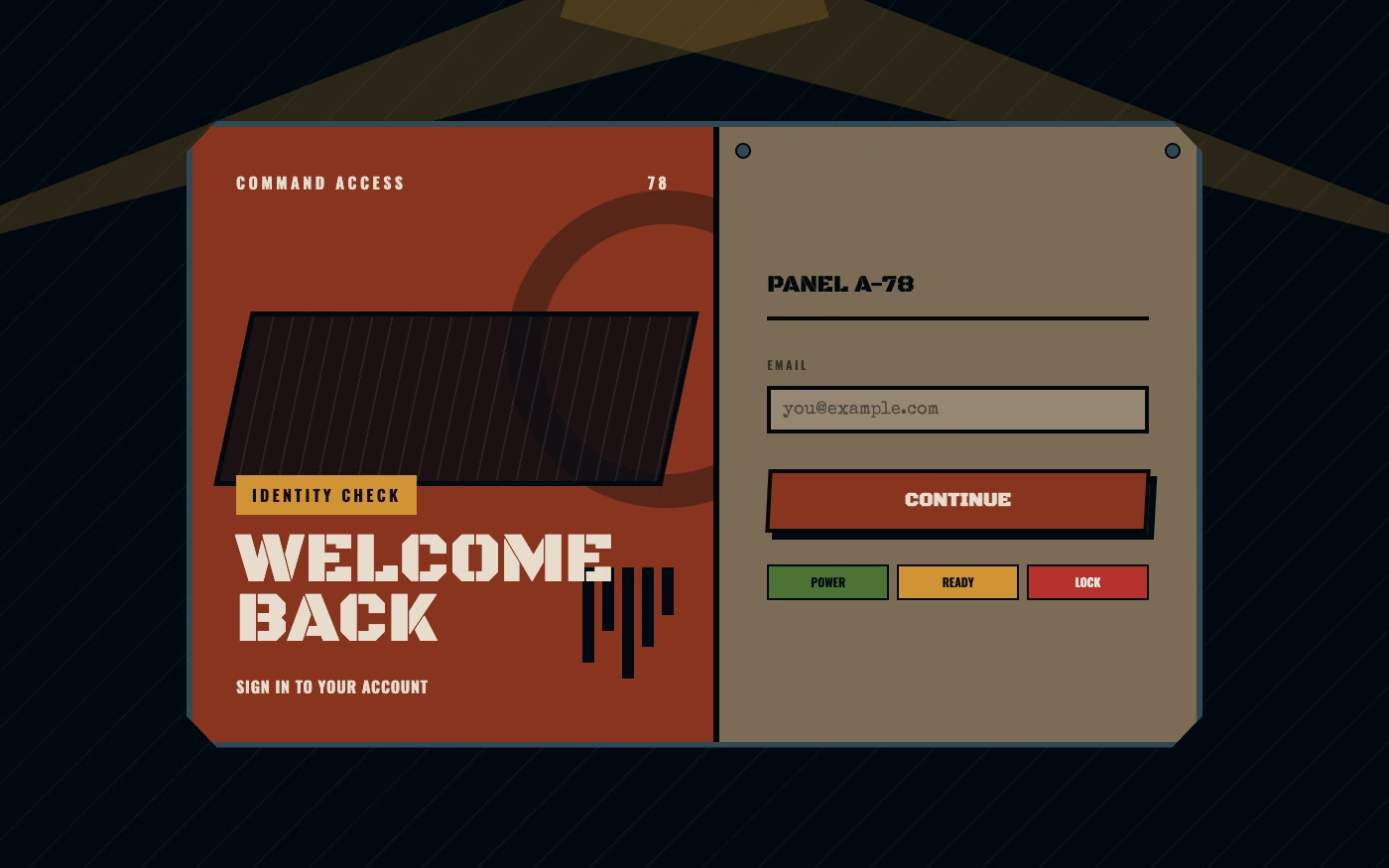
Dieselpunk UI design style
Interwar and mid-century industrial machinery, riveted metal, propaganda graphics, soot, military modernism, and heavy mechanical forms.
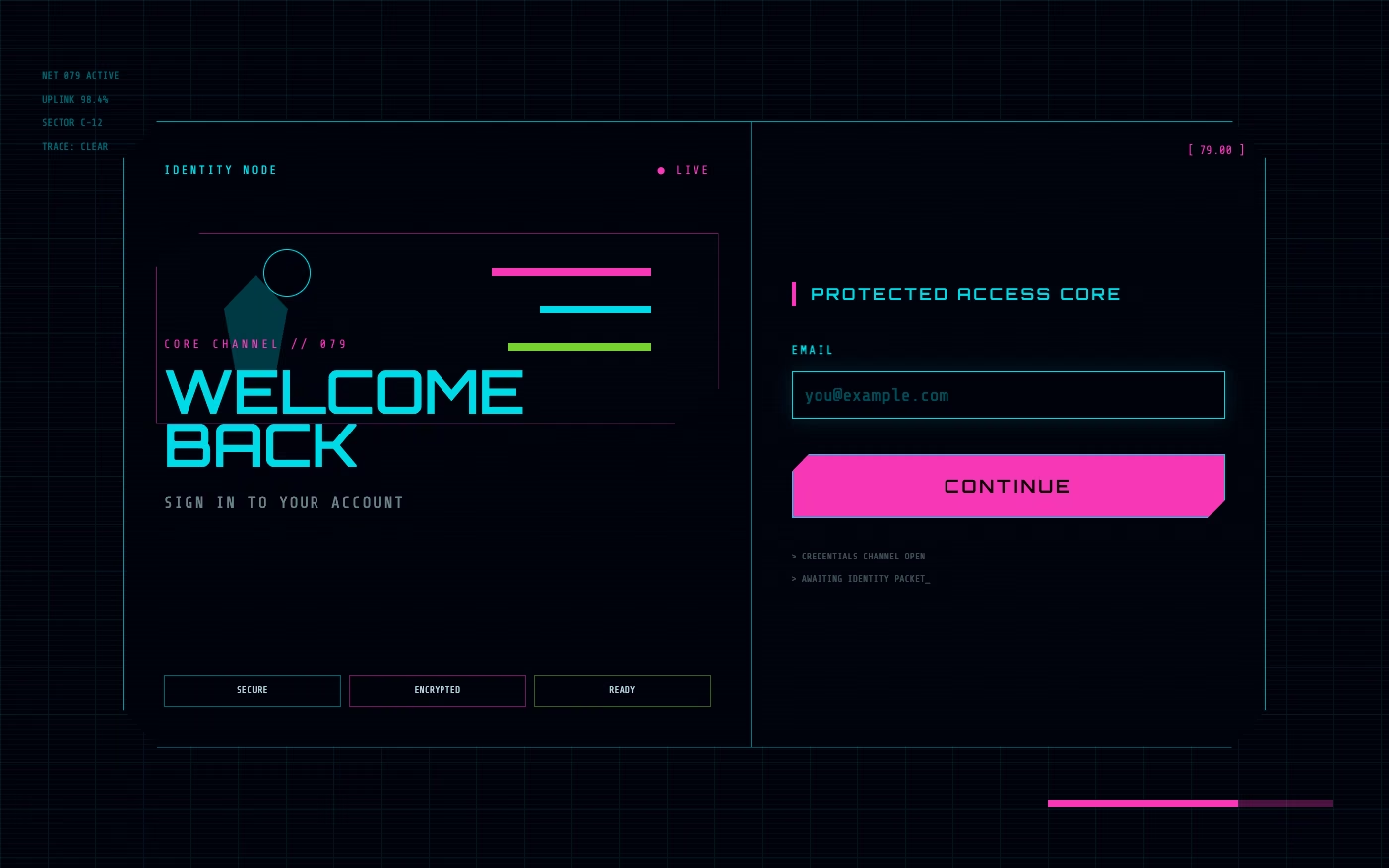
Cyberpunk UI design style
Dense dark interfaces use neon accents, glitches, terminal typography, surveillance motifs, and futuristic HUD elements.
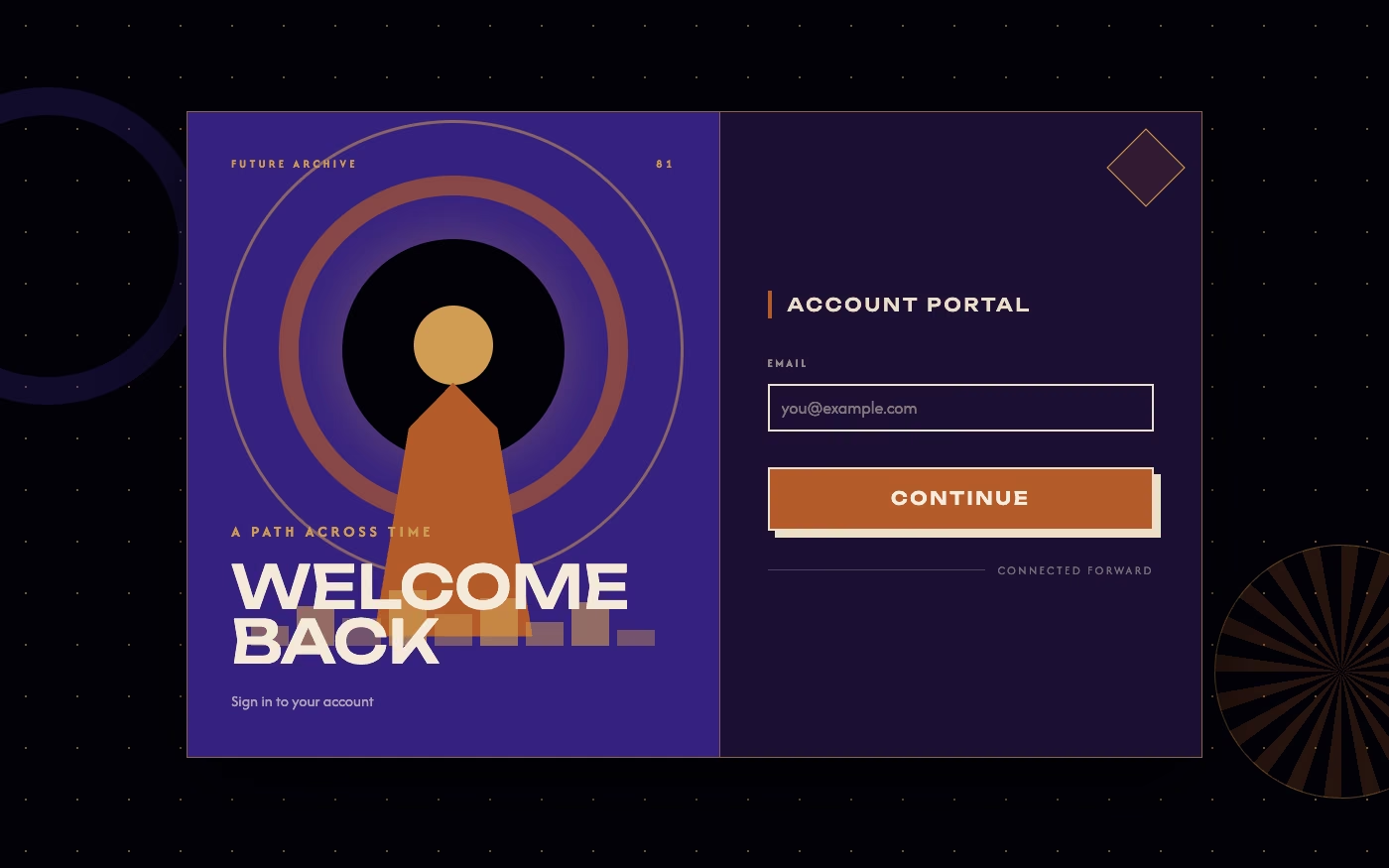
Afrofuturism UI design style
African and diasporic cultural references combine with speculative technology, cosmic imagery, bold pattern, and future-facing storytelling.
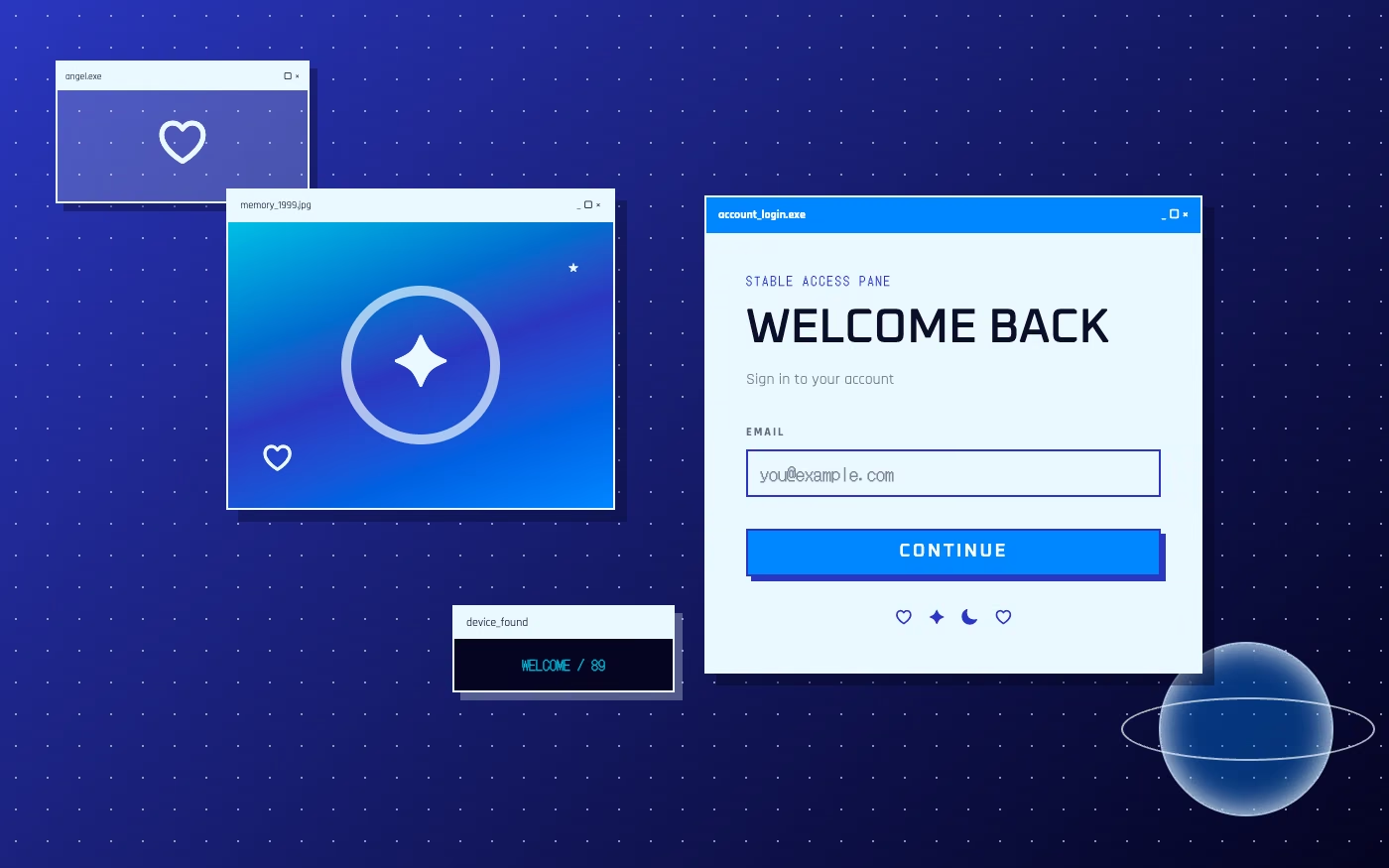
Cybercore UI design style
A 2020s nostalgic remix of late-1990s and early-2000s digital culture combines saturated blue and silver with retro anime, obsolete devices, legacy software, and ethereal celestial symbolism.
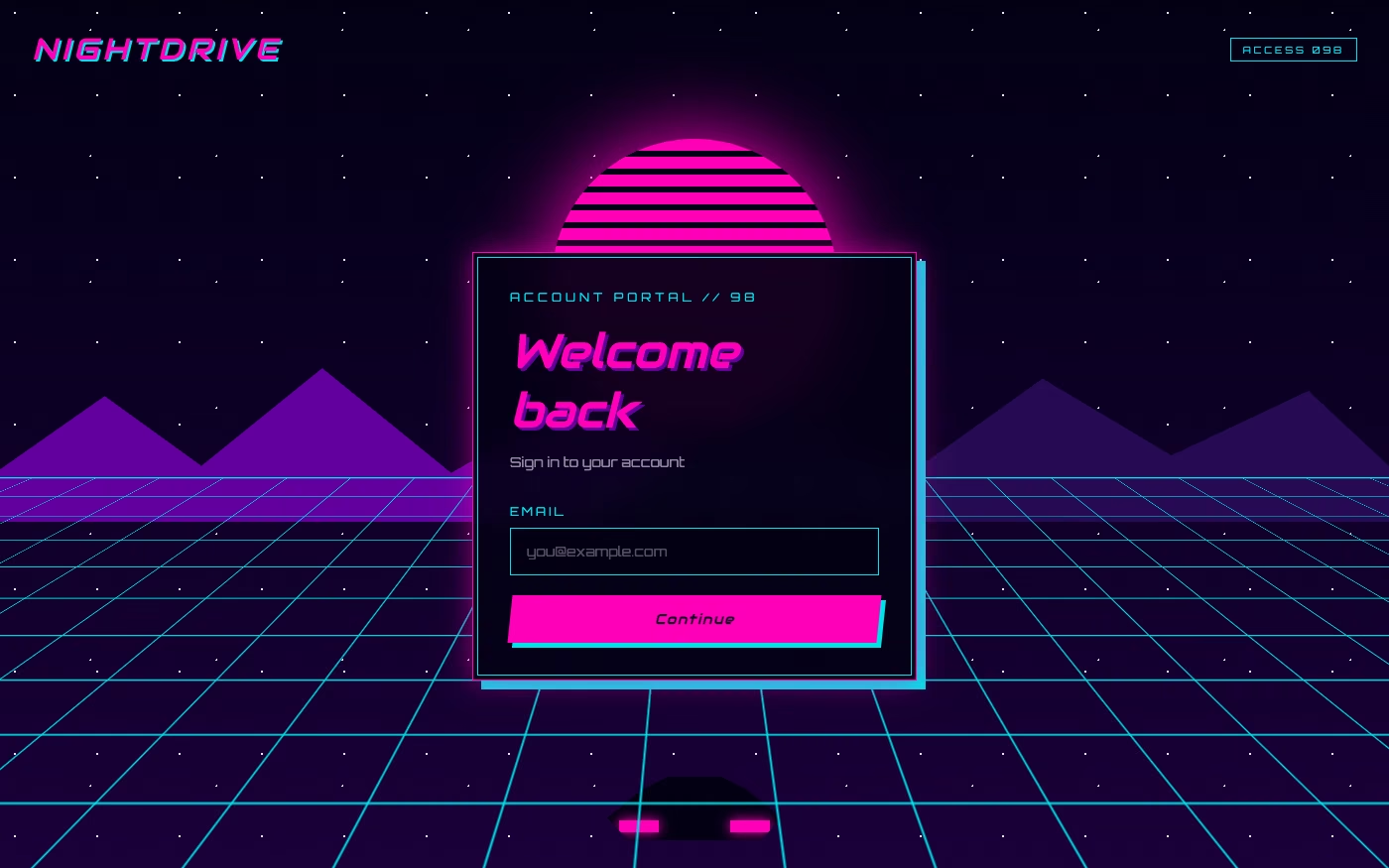
Synthwave / Outrun UI design style
Dark horizons, neon grids, magenta-cyan light, sports cars, chrome lettering, and cinematic 1980s night-drive energy.
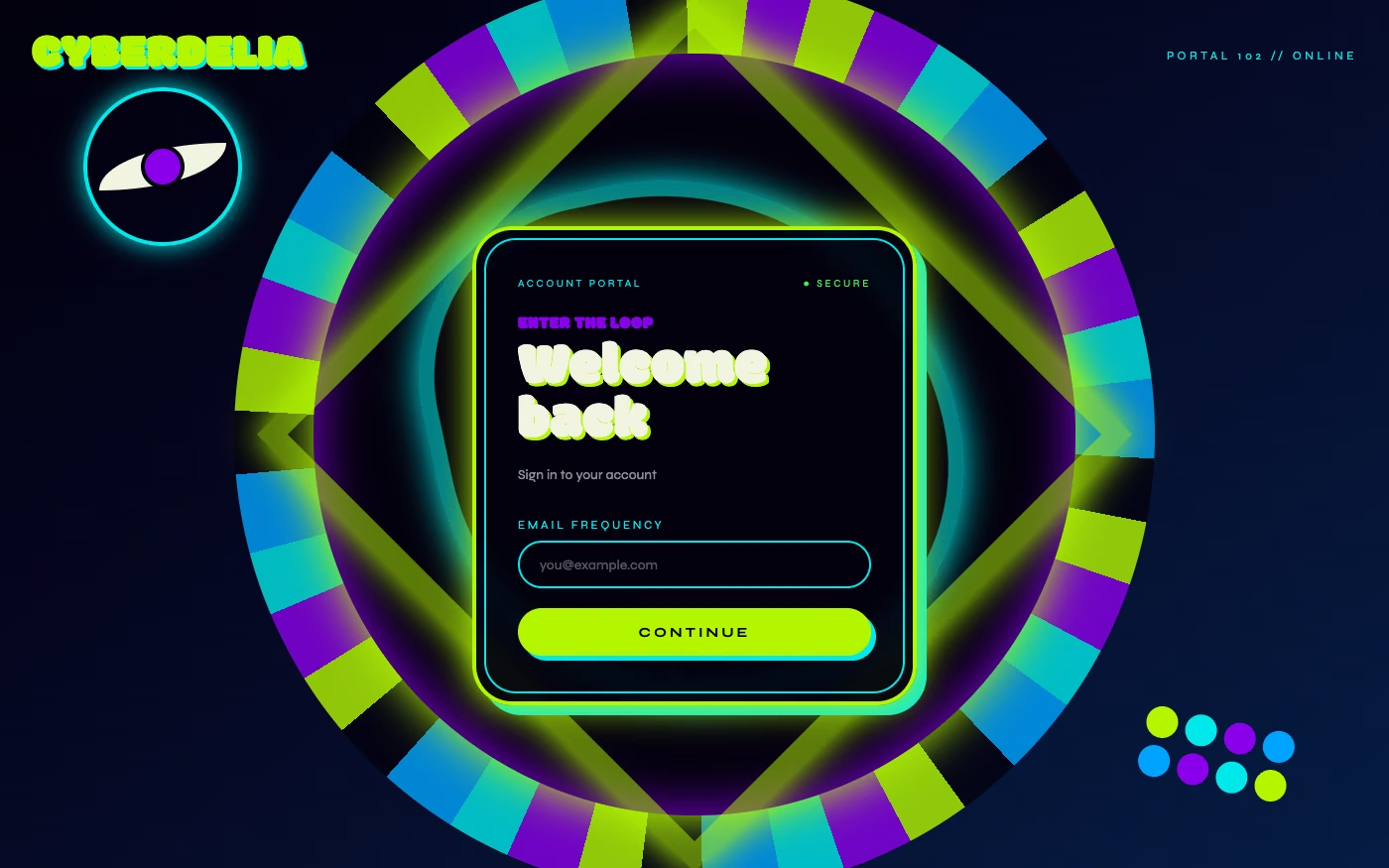
Cyberdelia UI design style
Cyberculture merges with psychedelia through acid color, fractals, kaleidoscopic imagery, early 3D type, and rave-era digital optimism.
Explore other UI trend categories
Compare three other visual families before choosing a direction.

Organic and atmospheric UI design trends
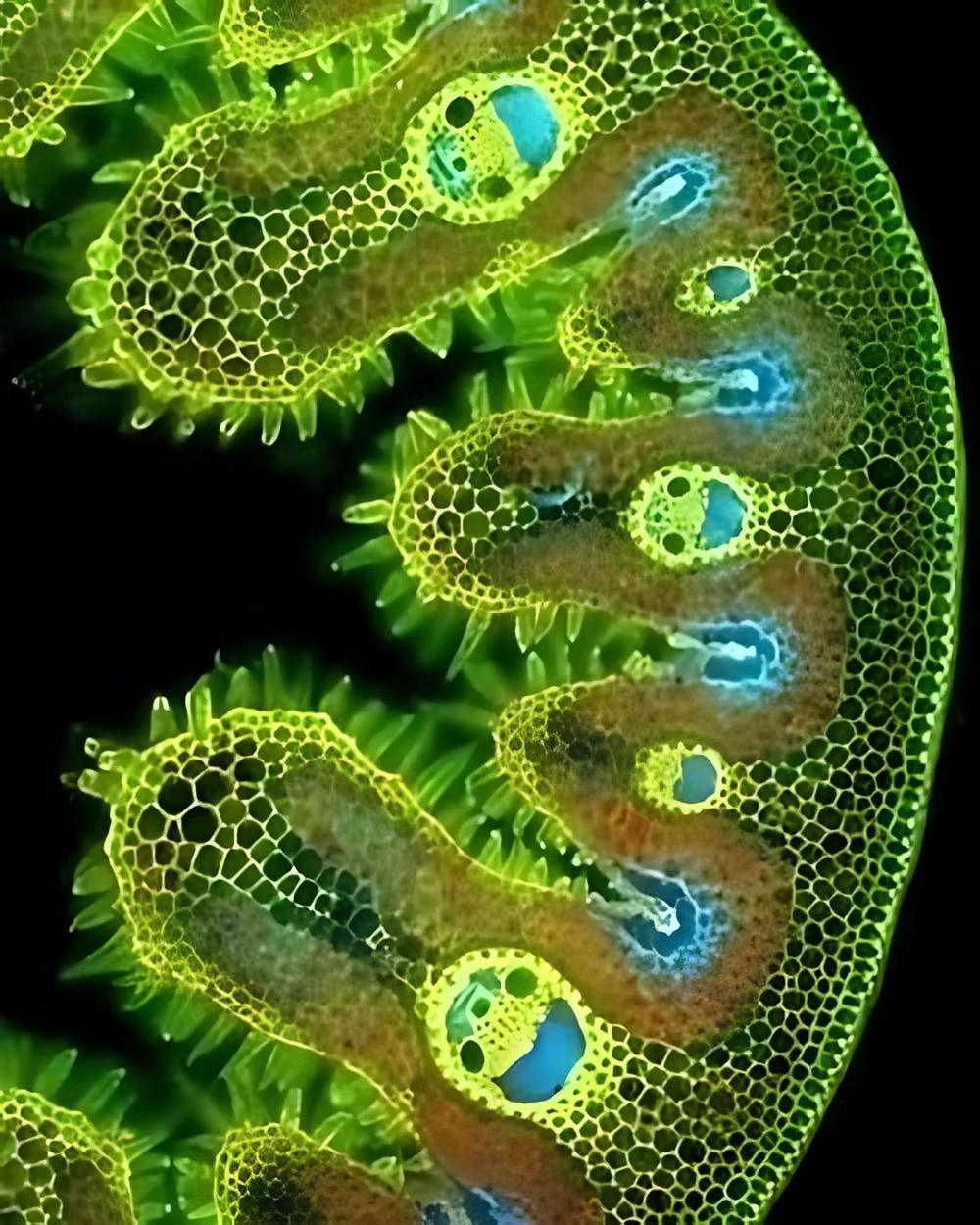
Natural forms, environmental cues, soft atmosphere, and place-based imagery shape this group. These trends can make digital products feel calmer, warmer, or more connected to a physical setting.
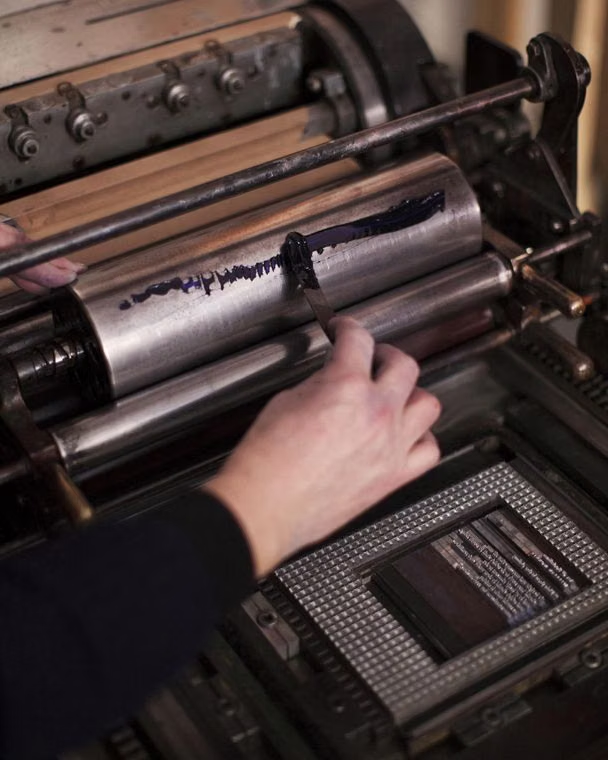
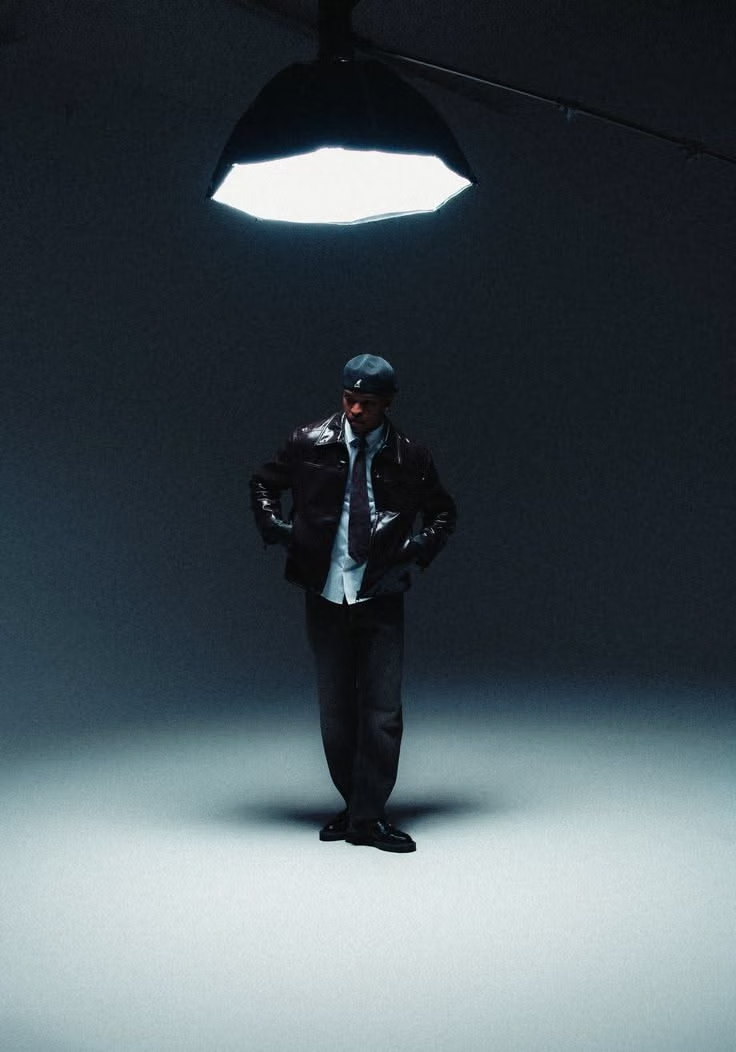
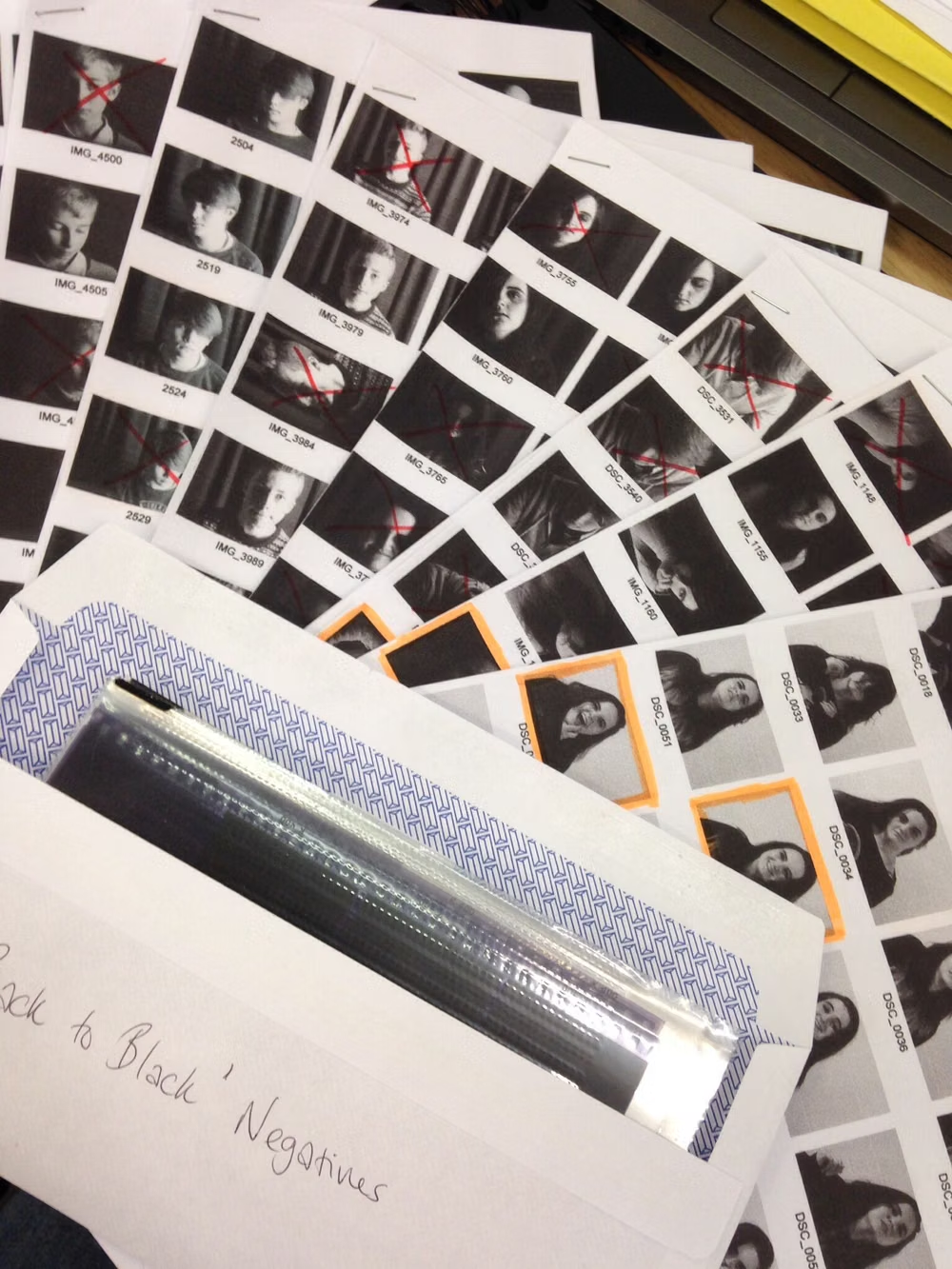
Editorial and art-inspired UI design trends
Typography, composition, and art history lead these interfaces. They work well when content needs an authored rhythm, a cultural point of view, or a strong visual hierarchy.
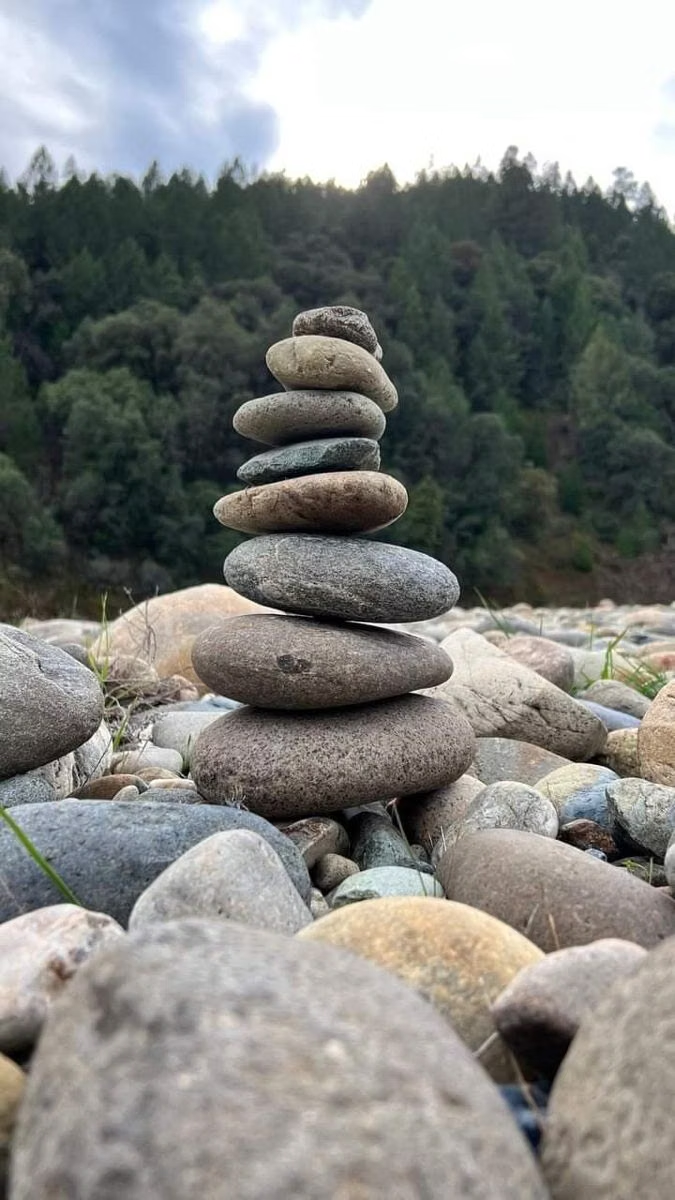
Material, dimensional, and skeuomorphic UI trends
Depth, texture, translucency, and familiar physical cues define this group. Use these trends when surfaces and materials can explain hierarchy, interaction, or the world around a product.
Turn a visual direction into working UI
Study a trend's design rules, then write a prompt with enough structure for an AI coding agent to apply it consistently.