Acid Graphics UI design style
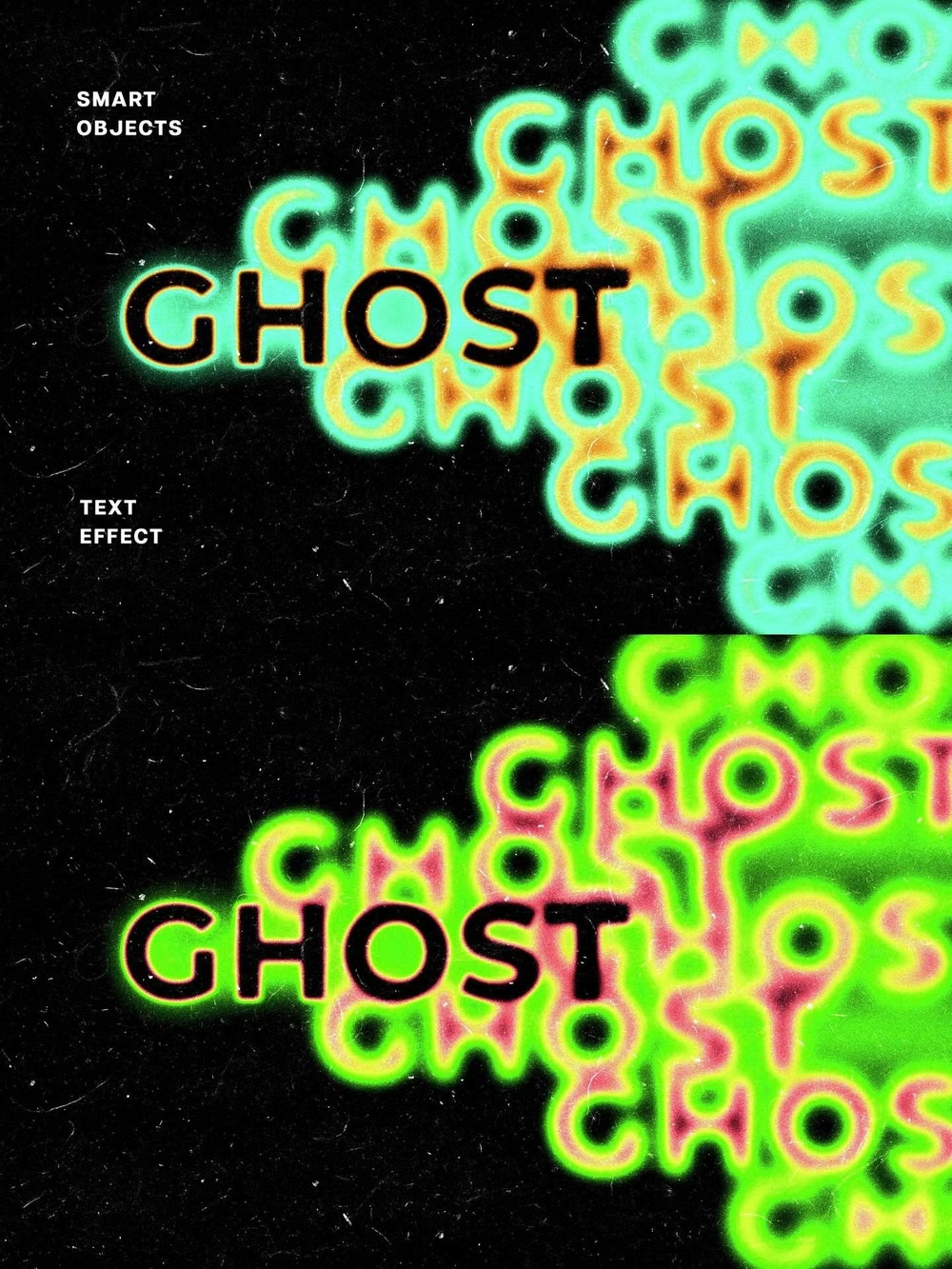
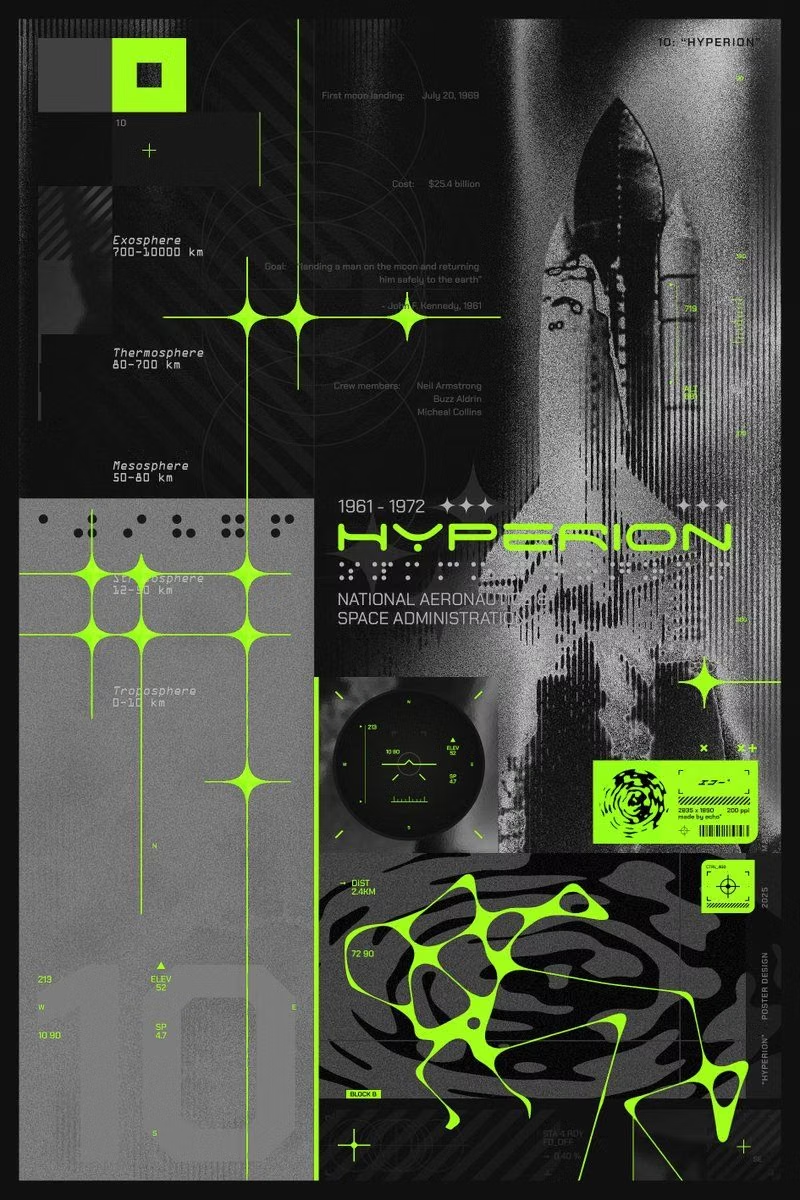
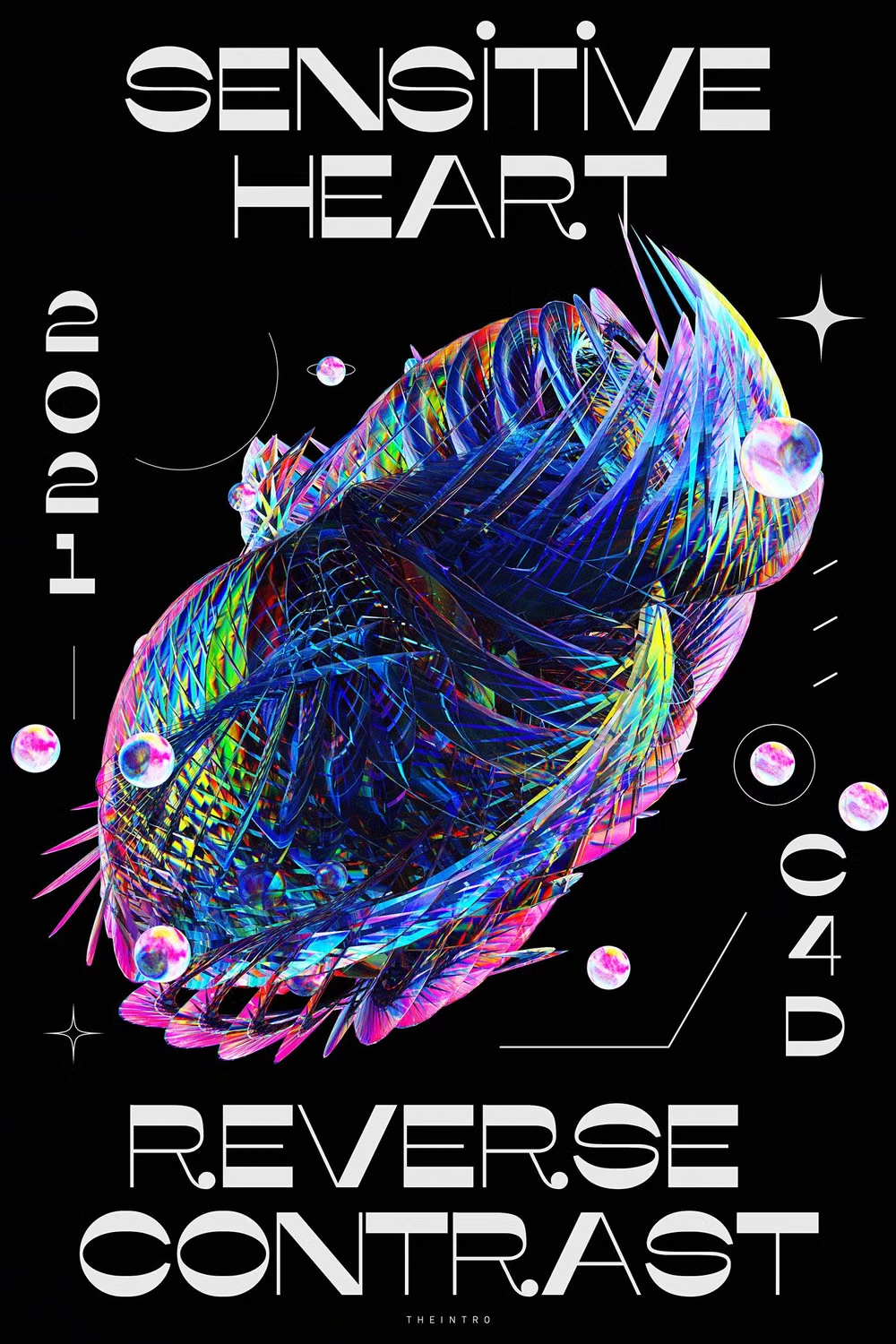
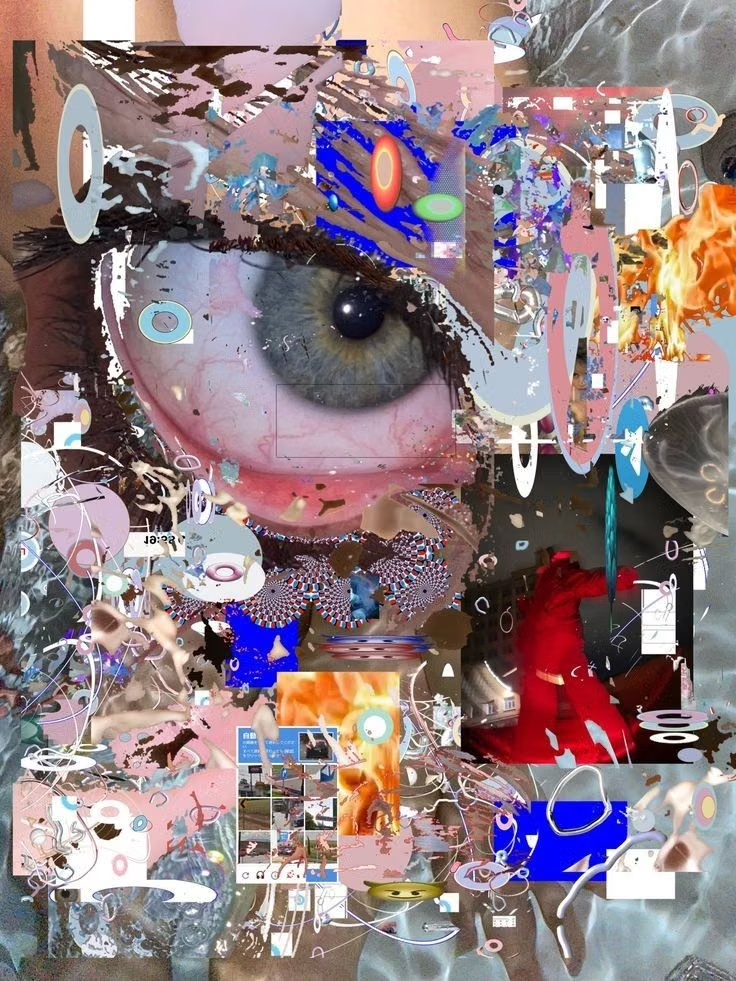
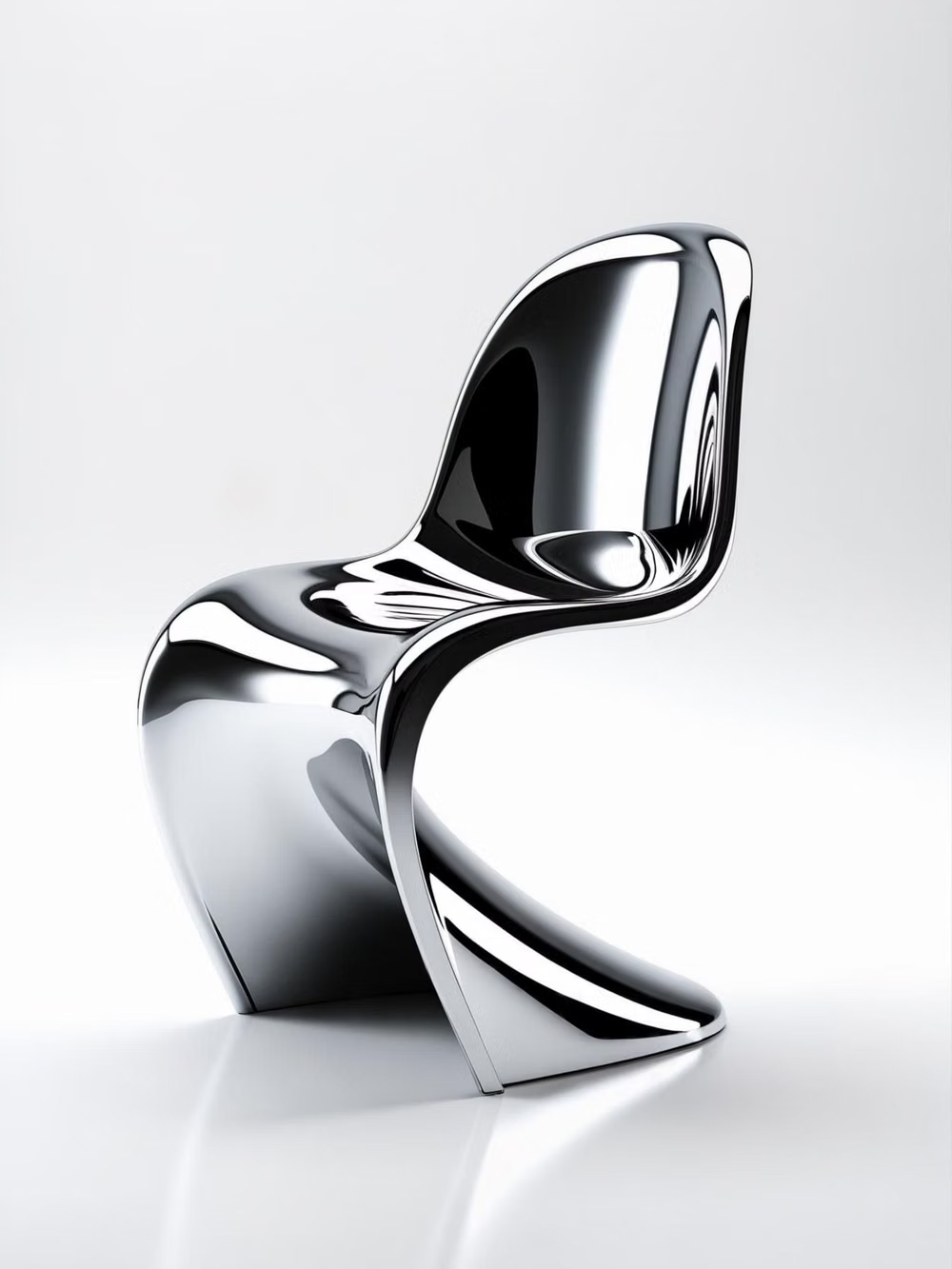
Fluorescent colors, warped typography, chrome details, distortion, dense layering, and underground rave energy.
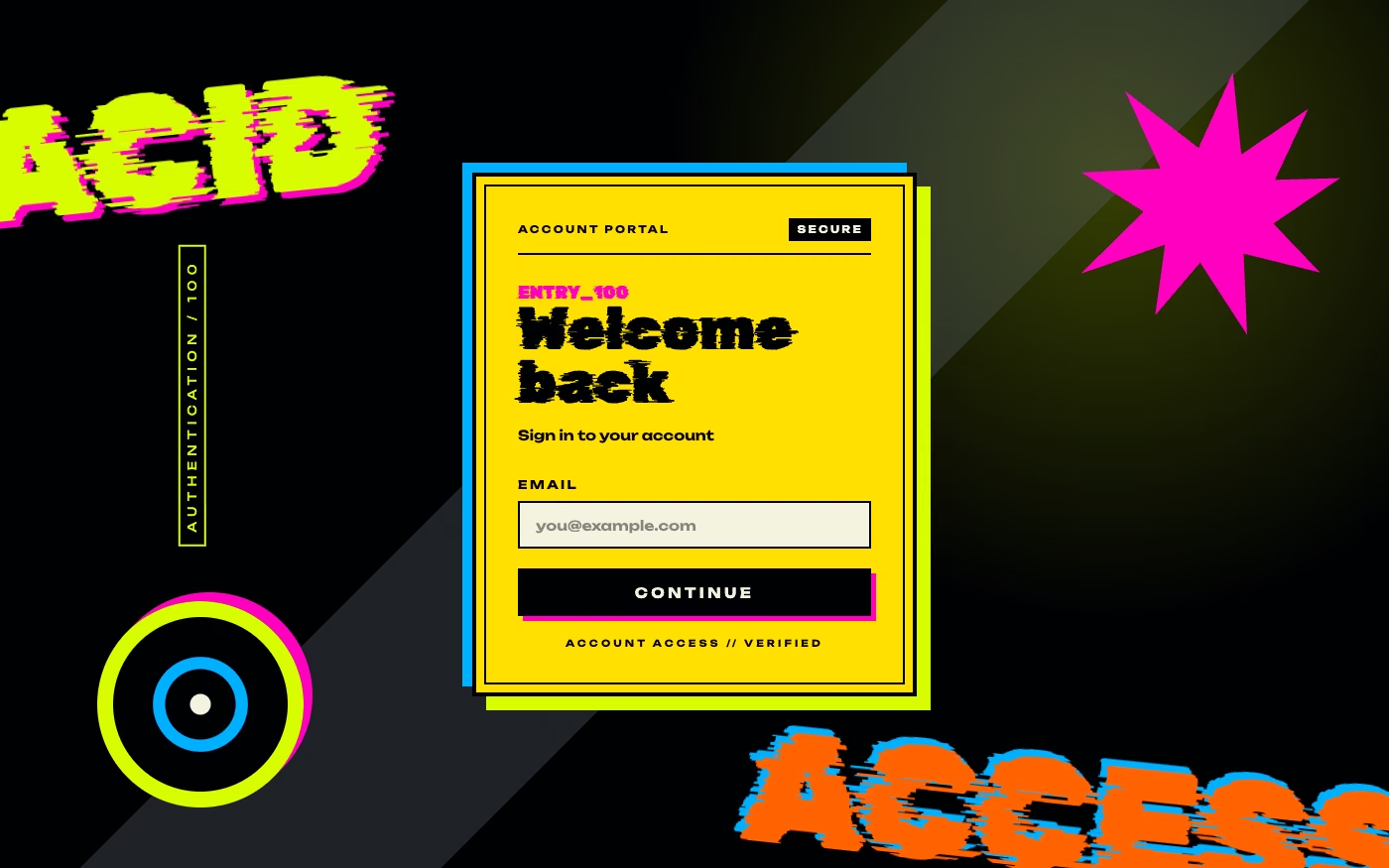
Design overview
- Signature elements
- fluorescent palette, warped typography, chrome accents, dense layering, liquefied shapes, rave-flyer distortion. In daisyUI themes, set `--depth: 1;`.
- Best suited to
- Music, fashion, festivals, experimental portfolios, and cultural campaigns.
- Layout principles
- Layer warped headlines, event data, chrome fragments, and liquefied imagery like an underground rave flyer, retaining one fixed panel for practical details.
History and origins
A fact-checked account of where this visual language came from, with links to the references used.
- Period
- Mid-2010s–present
- Origin
- Online graphic design, club culture, independent fashion, and social media
Acid Graphics—catalogued by CARI as Acidgrafix—is a recent networked design category rather than a single studio movement. It combines chrome type, distressed textures, 3D experiments, horror vacui, and self-referential software imagery, extending rave, grunge, and early web references through contemporary design tools and image-sharing platforms.
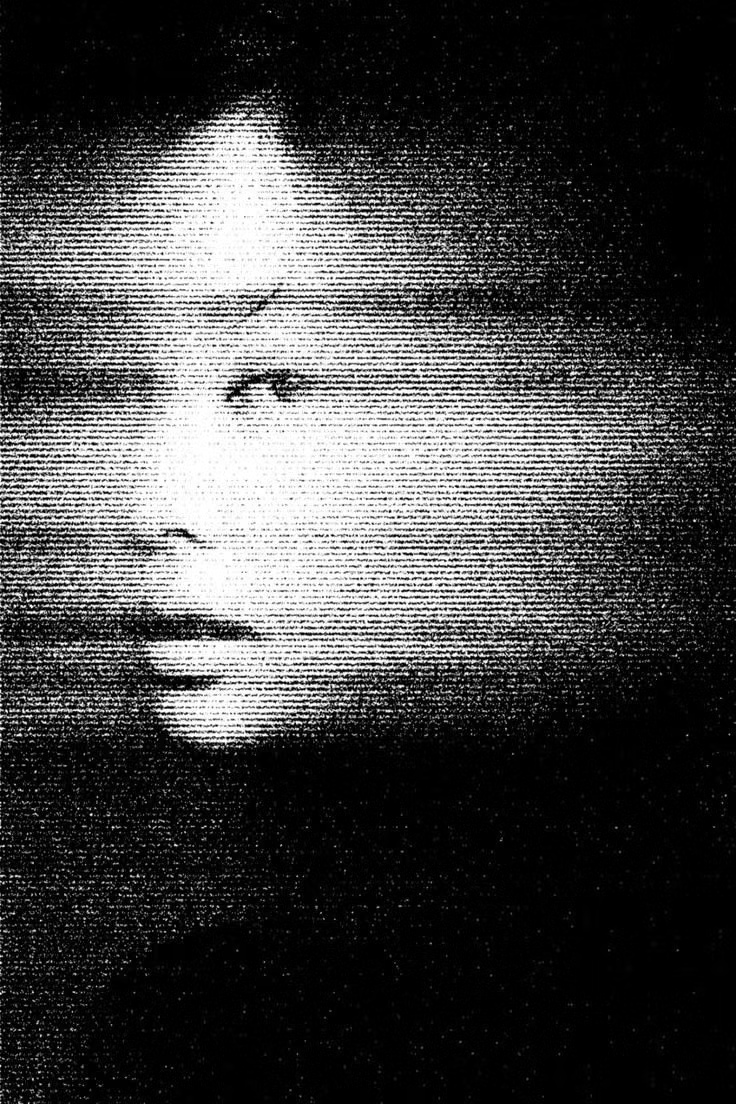
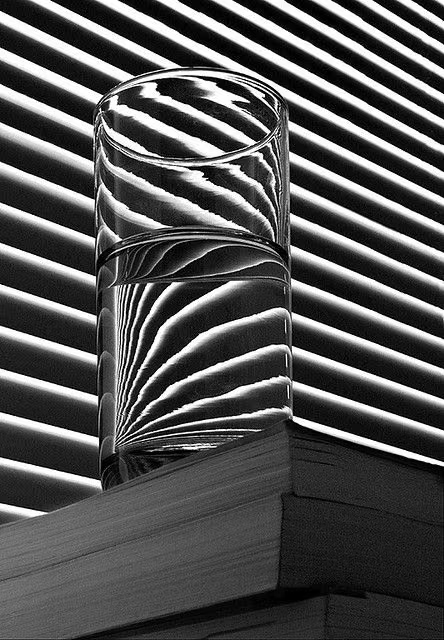
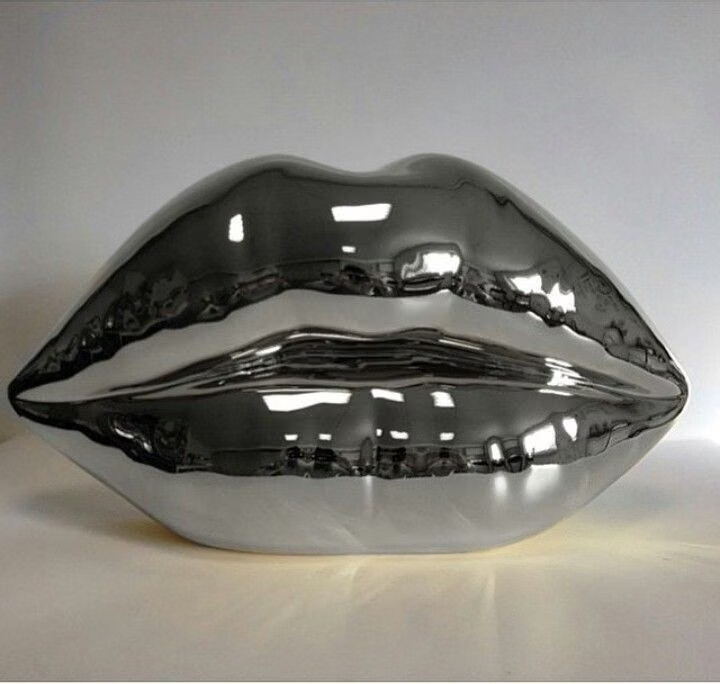
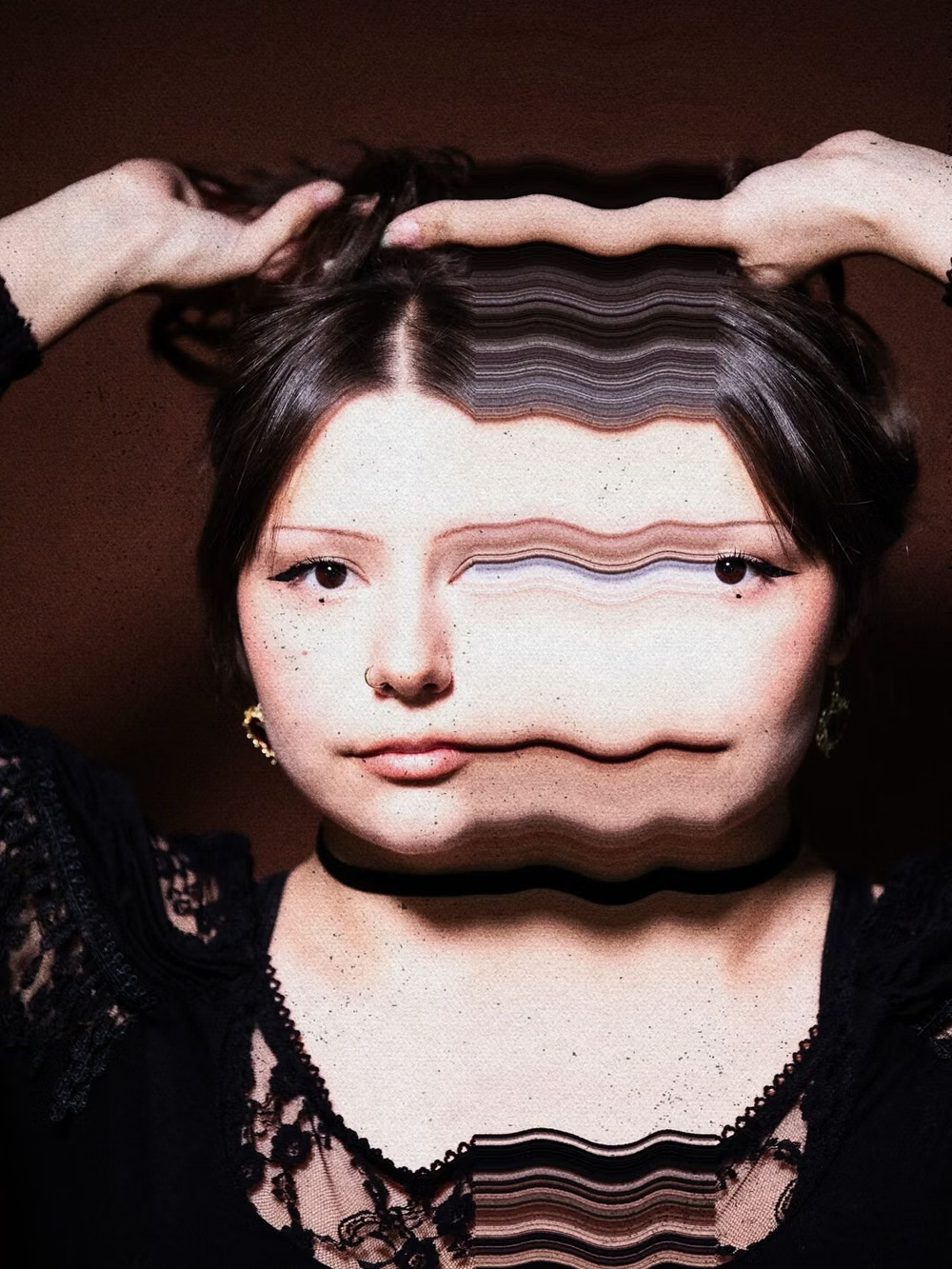
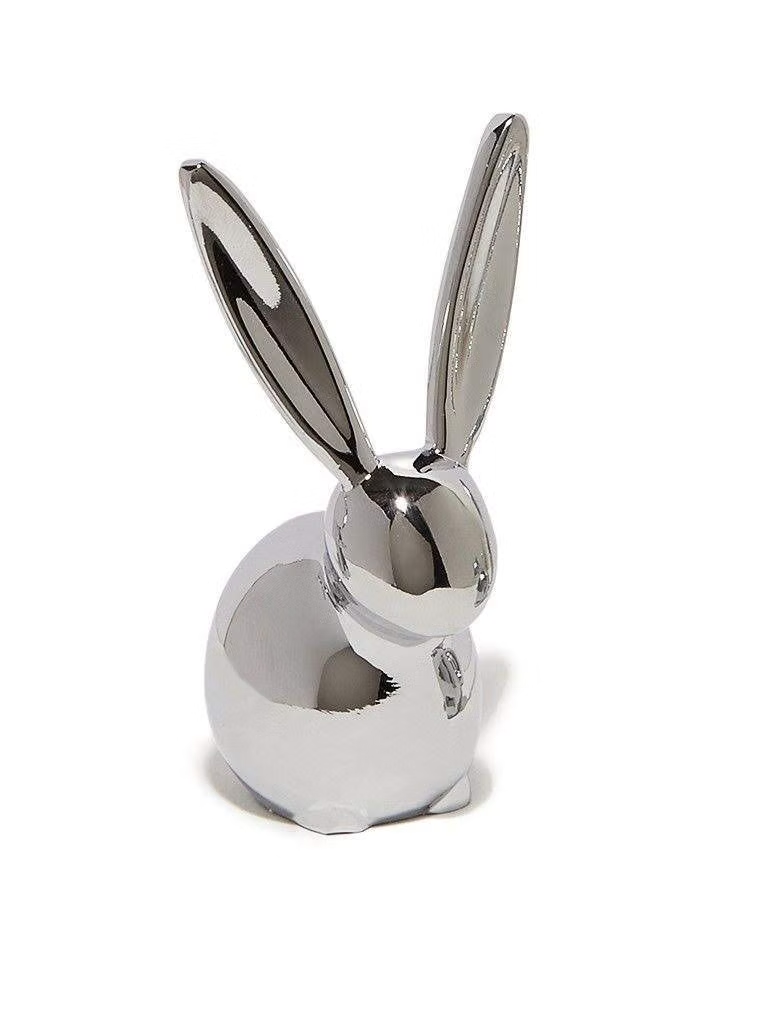
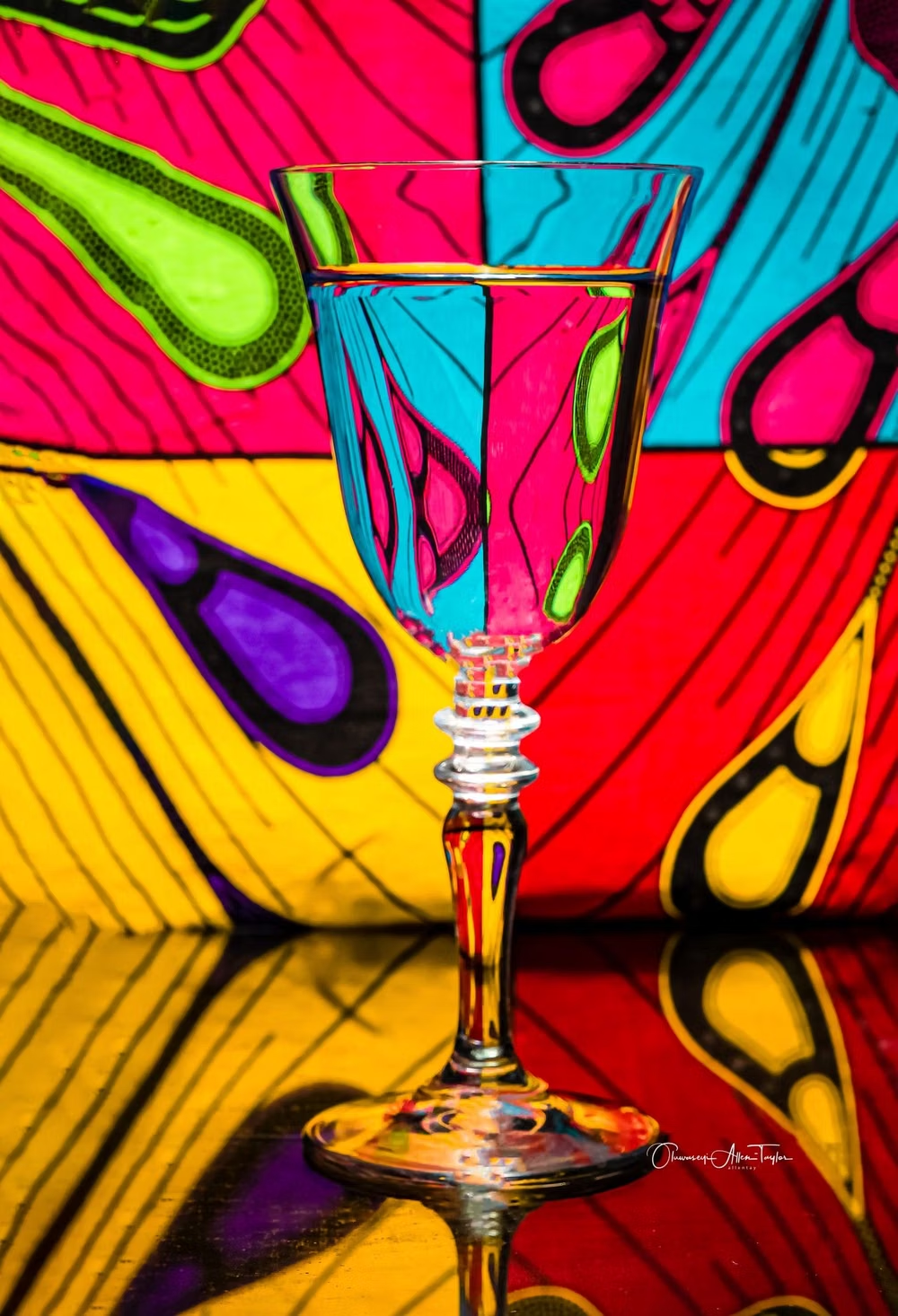
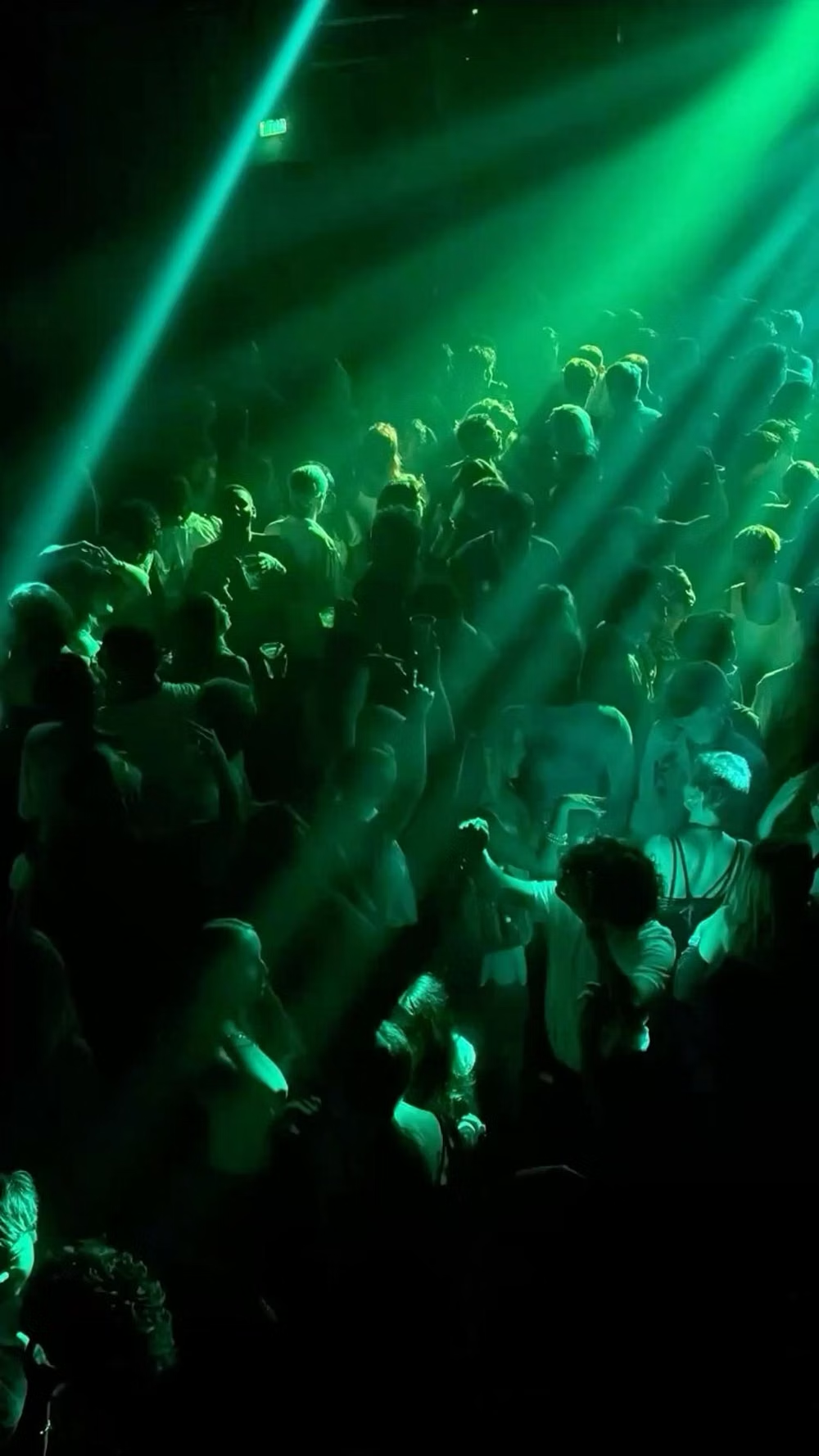
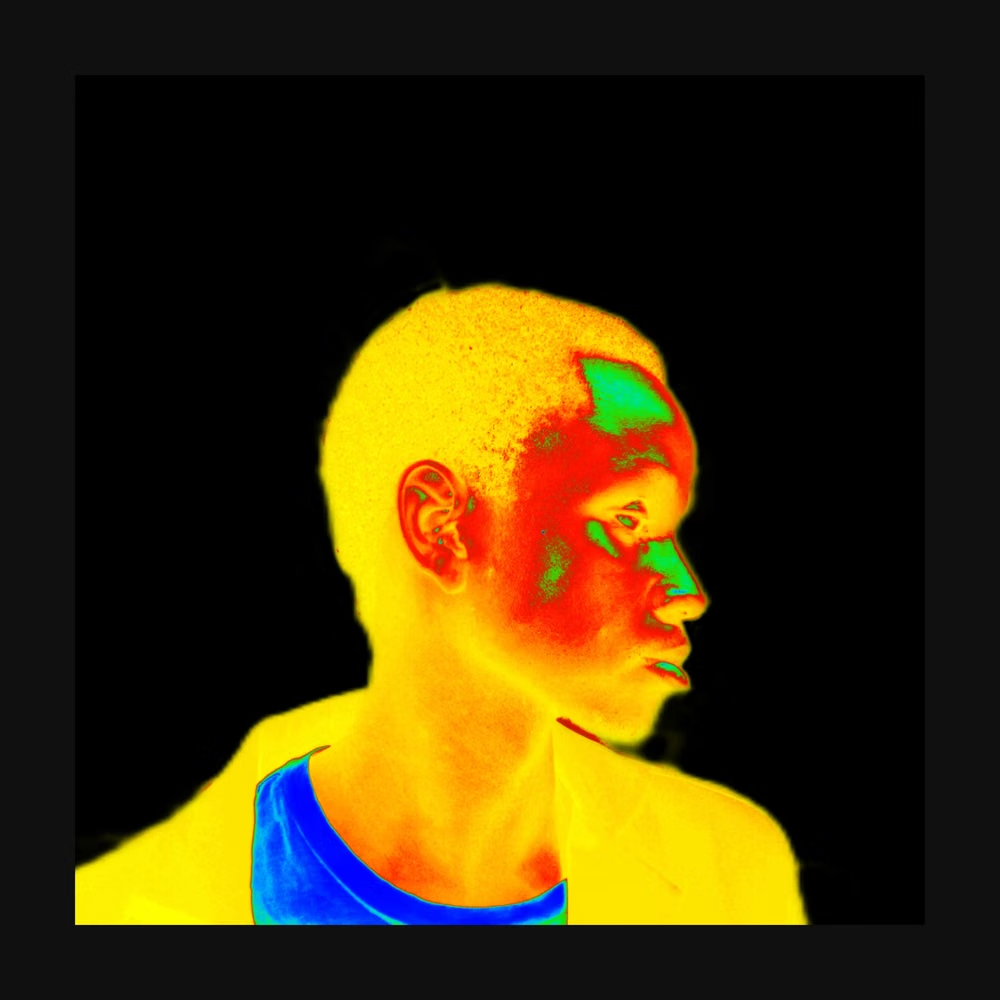
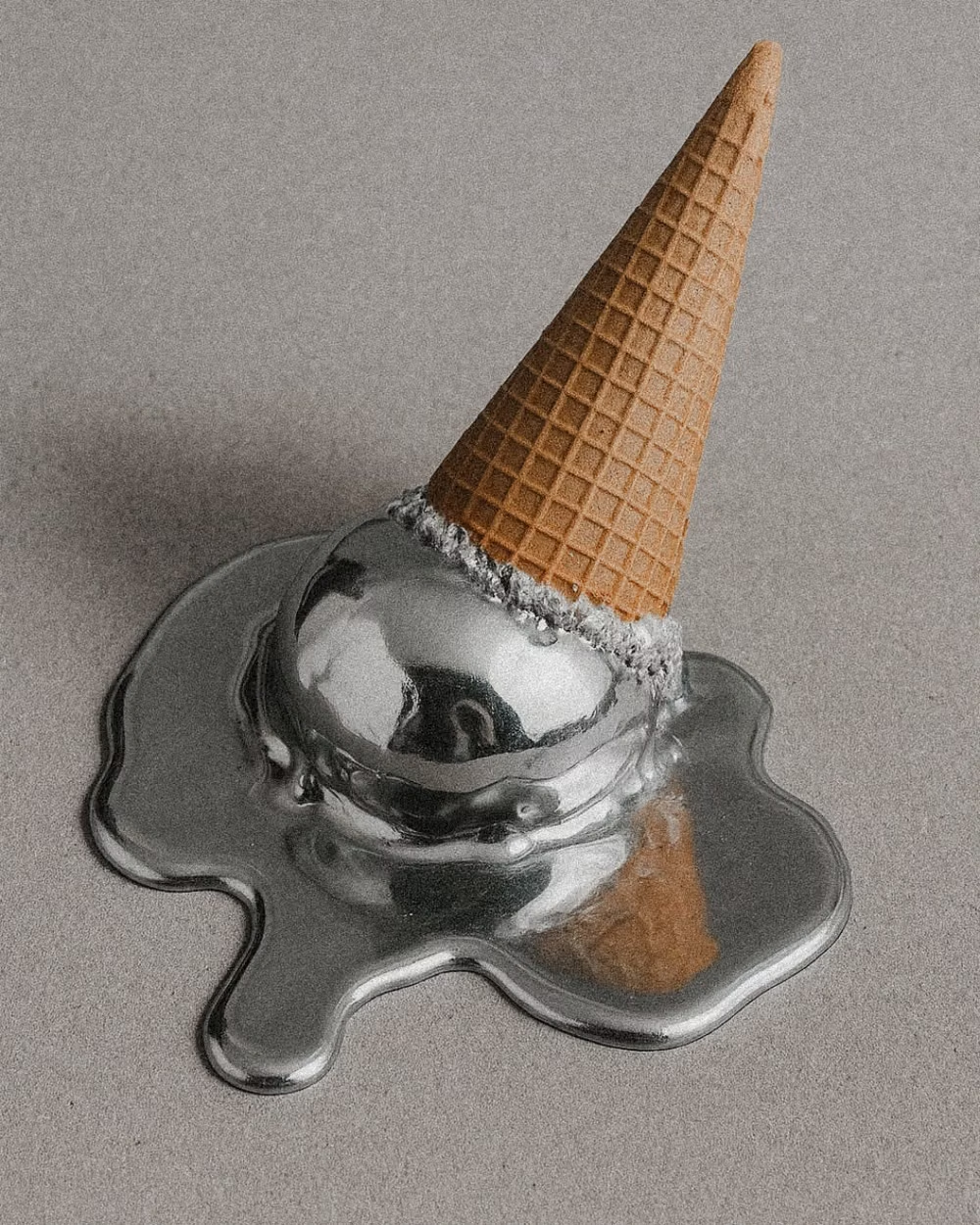
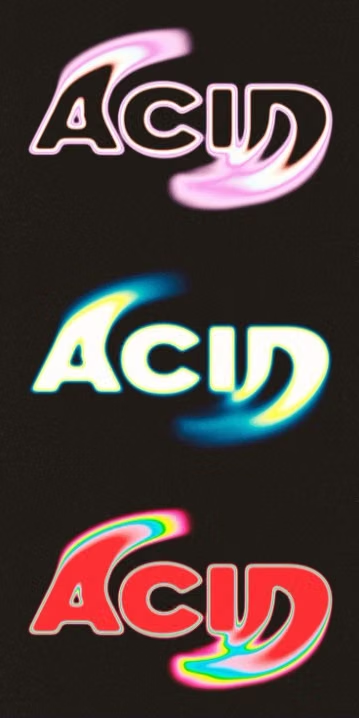
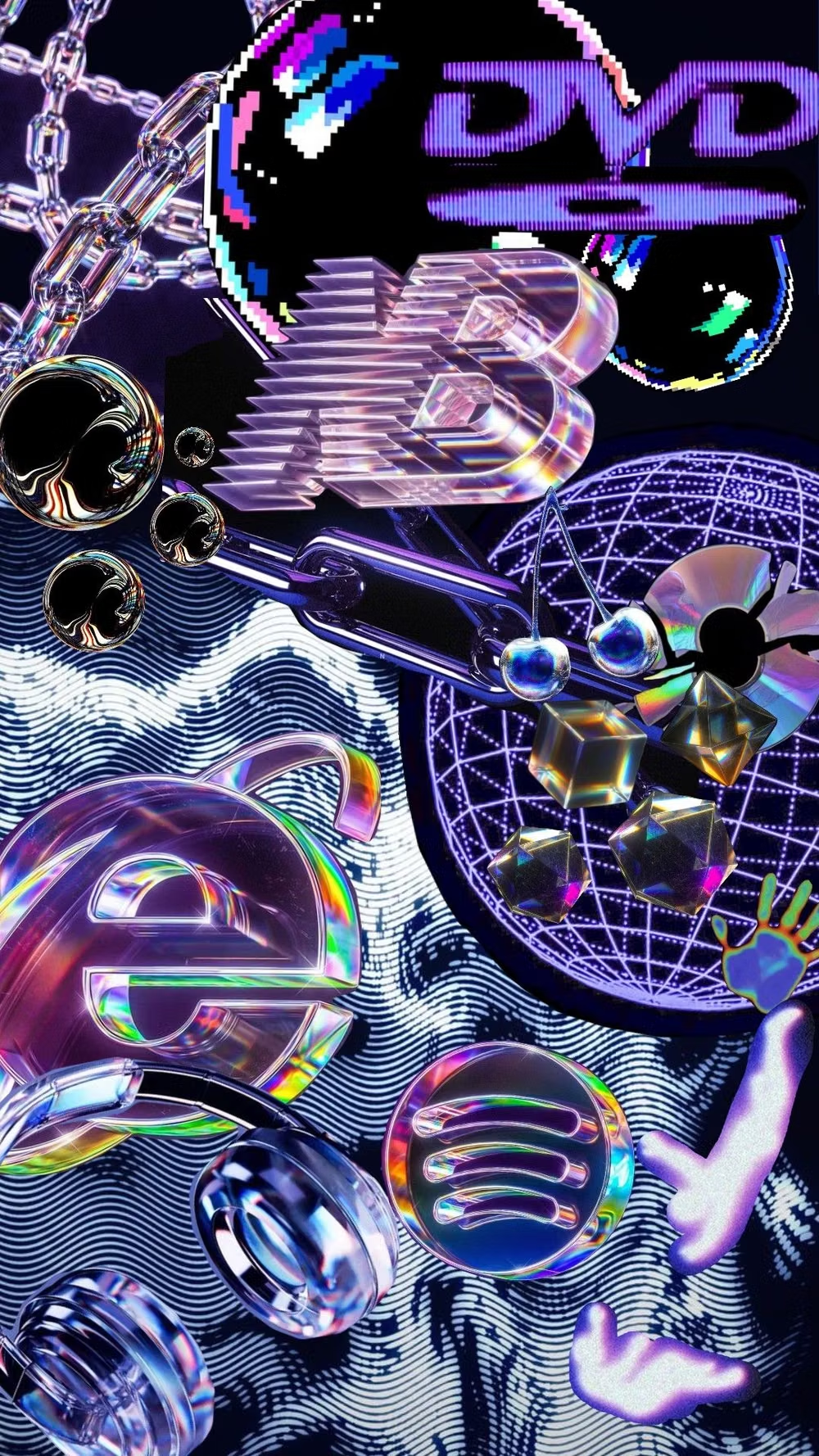
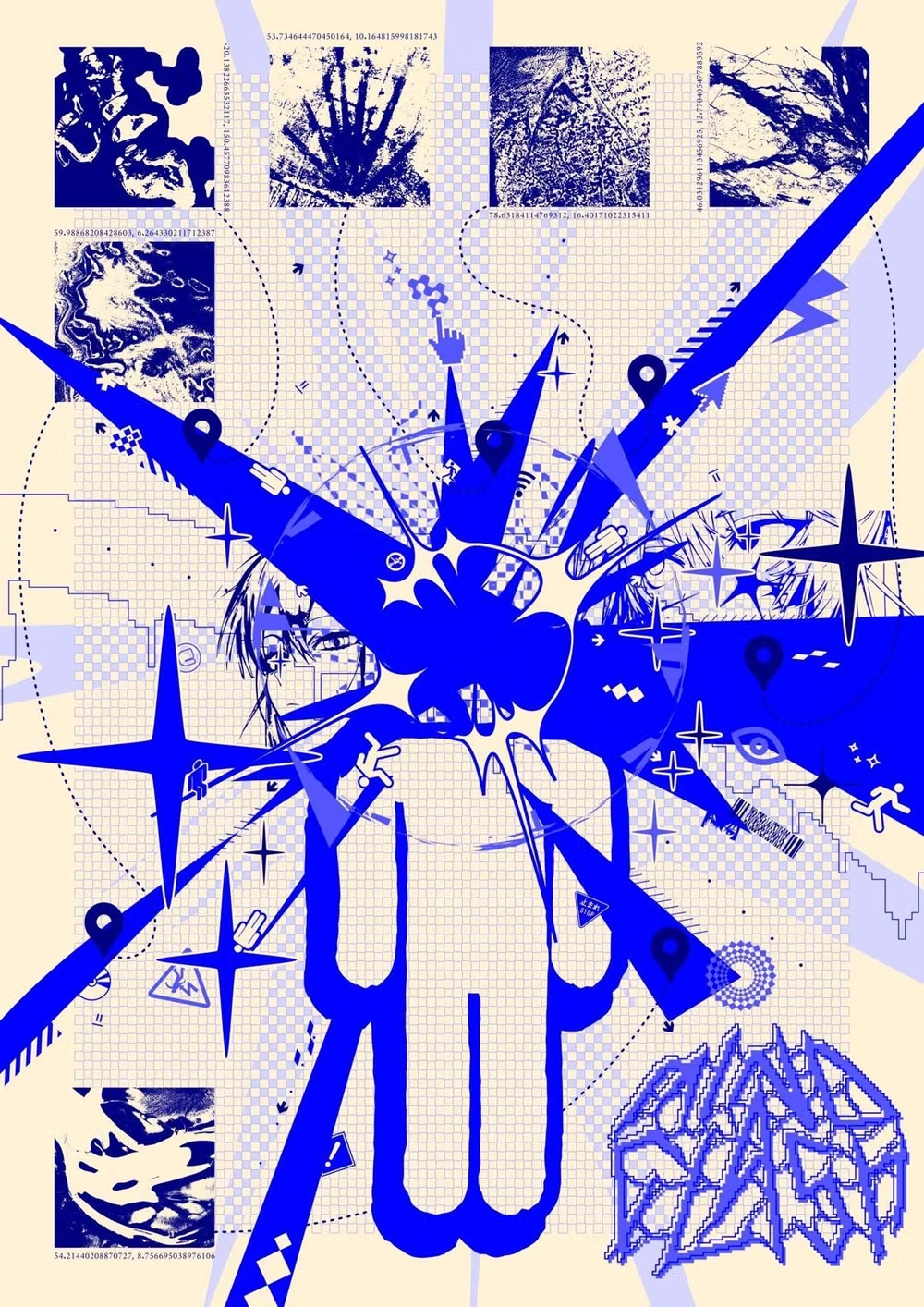
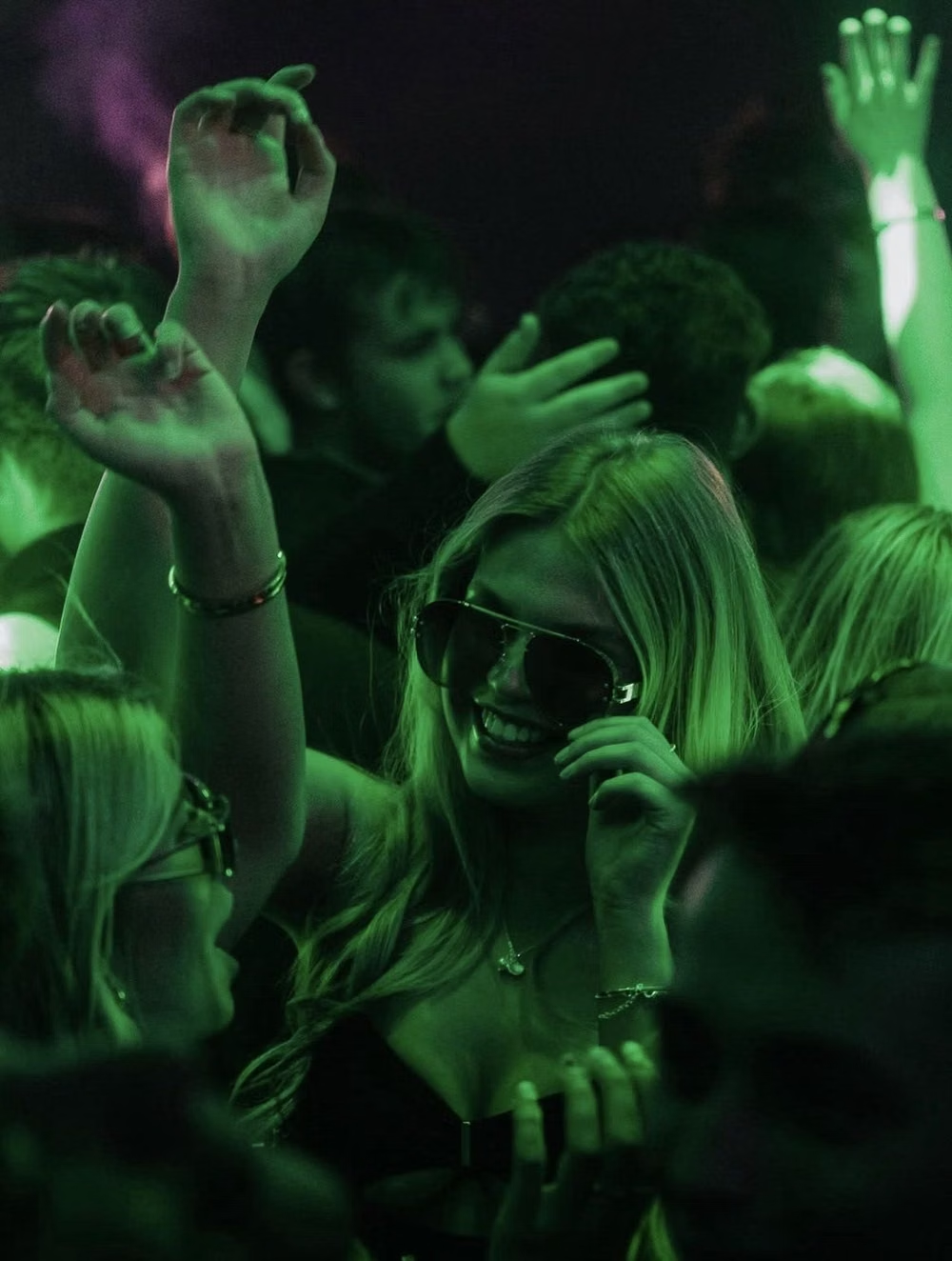
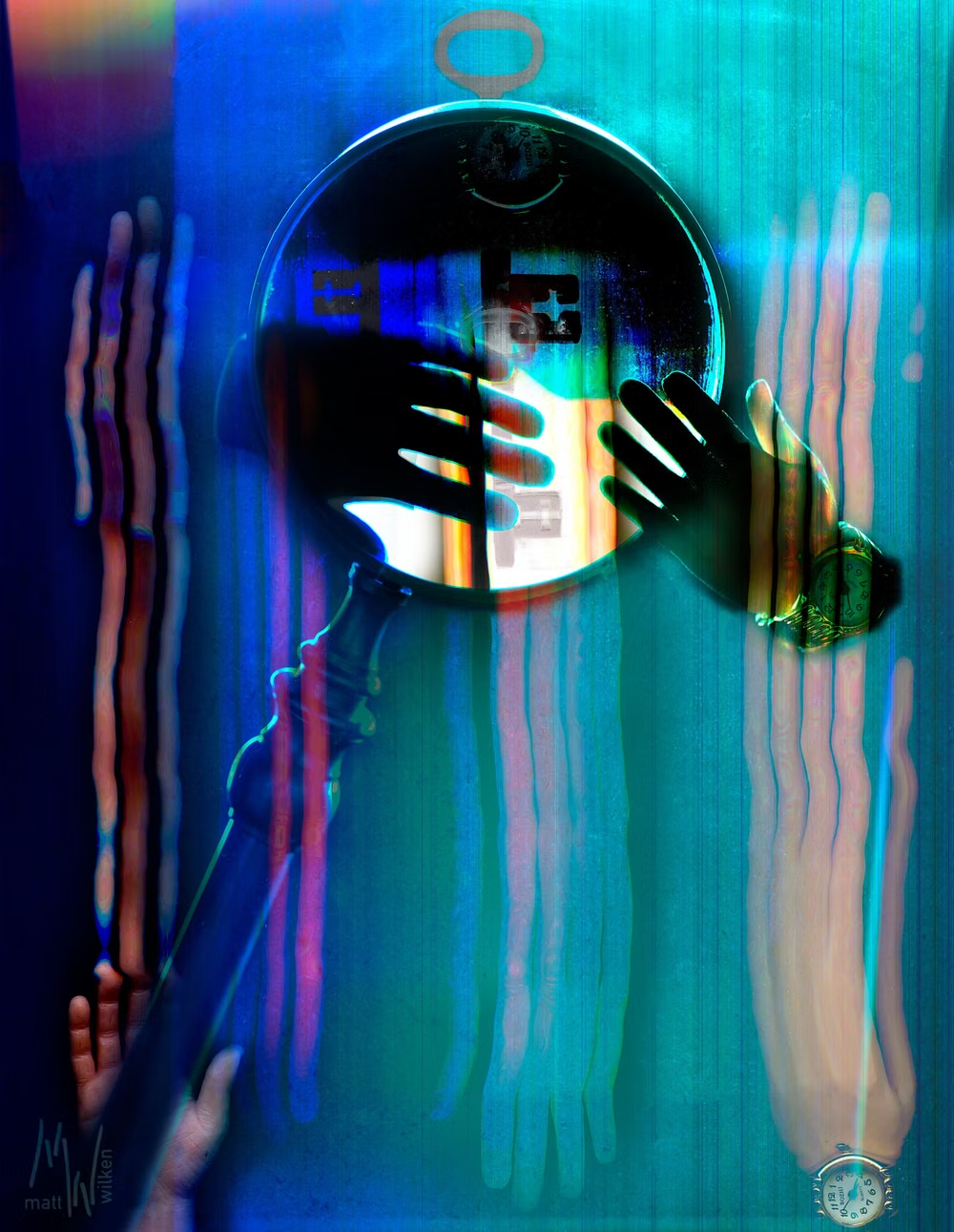
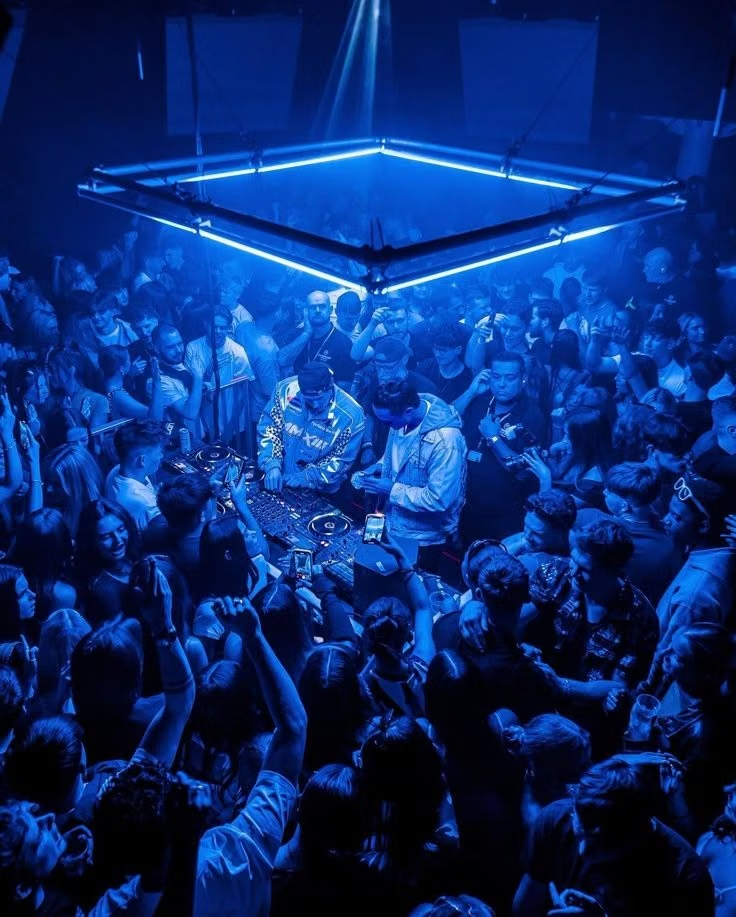
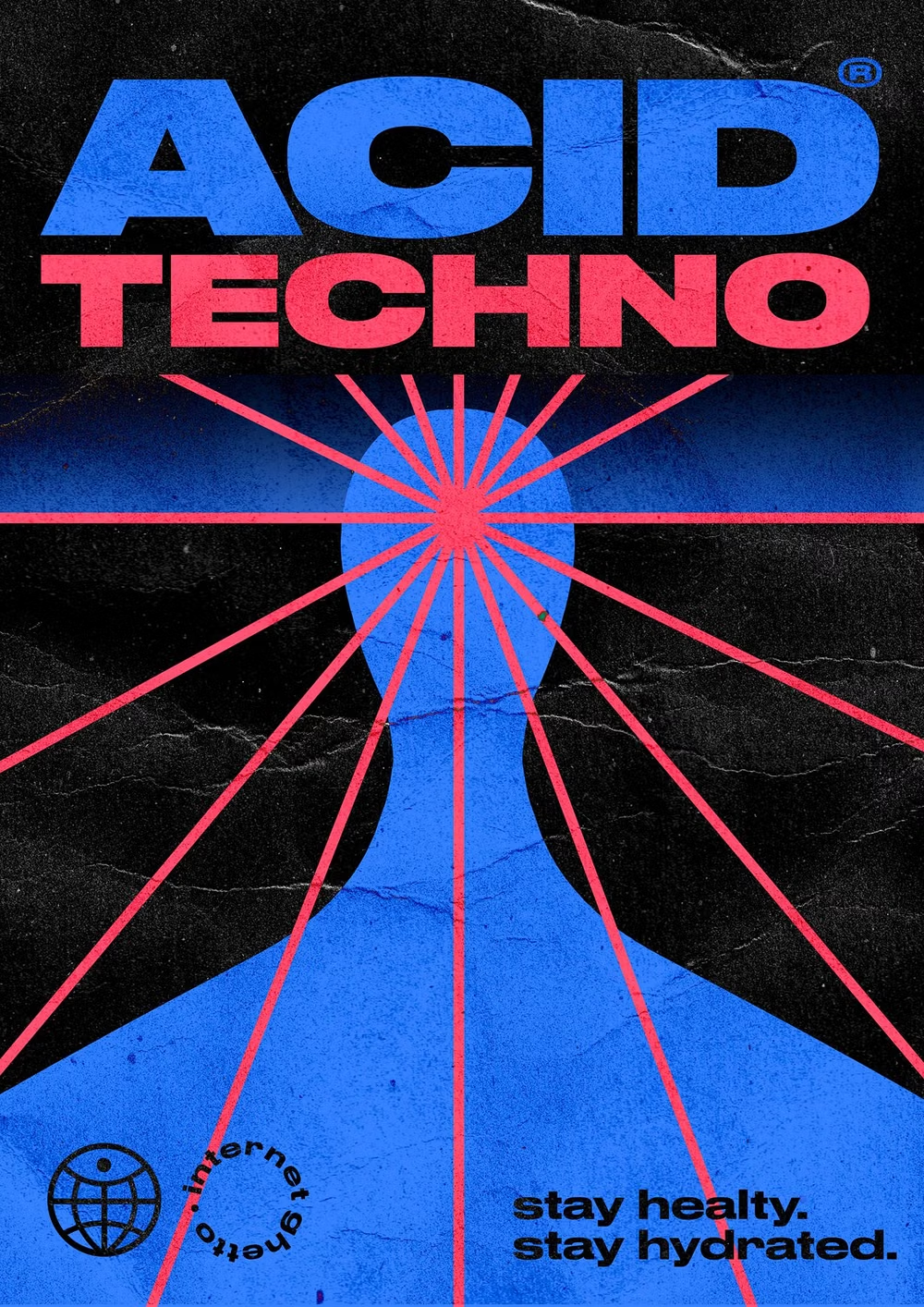
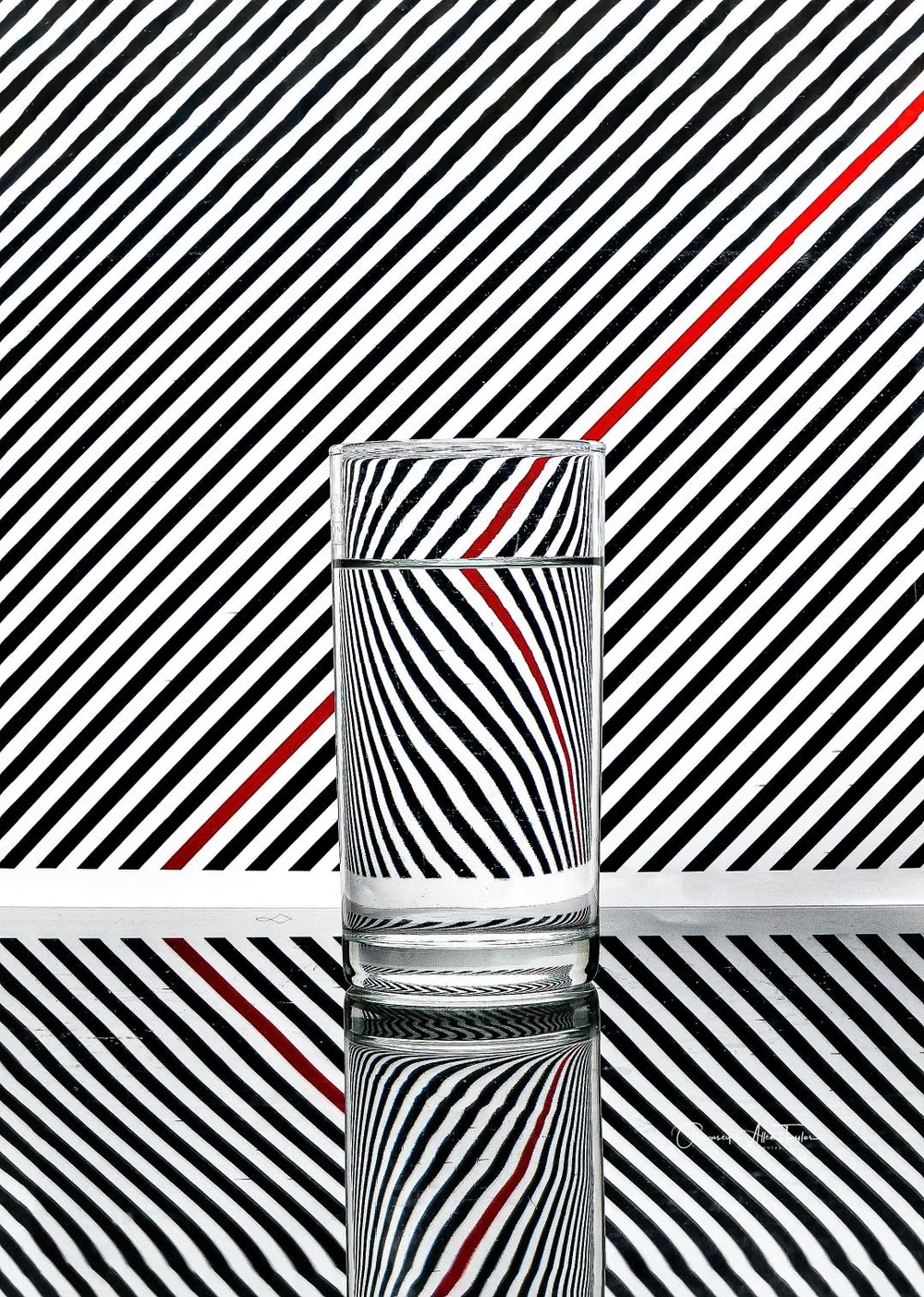
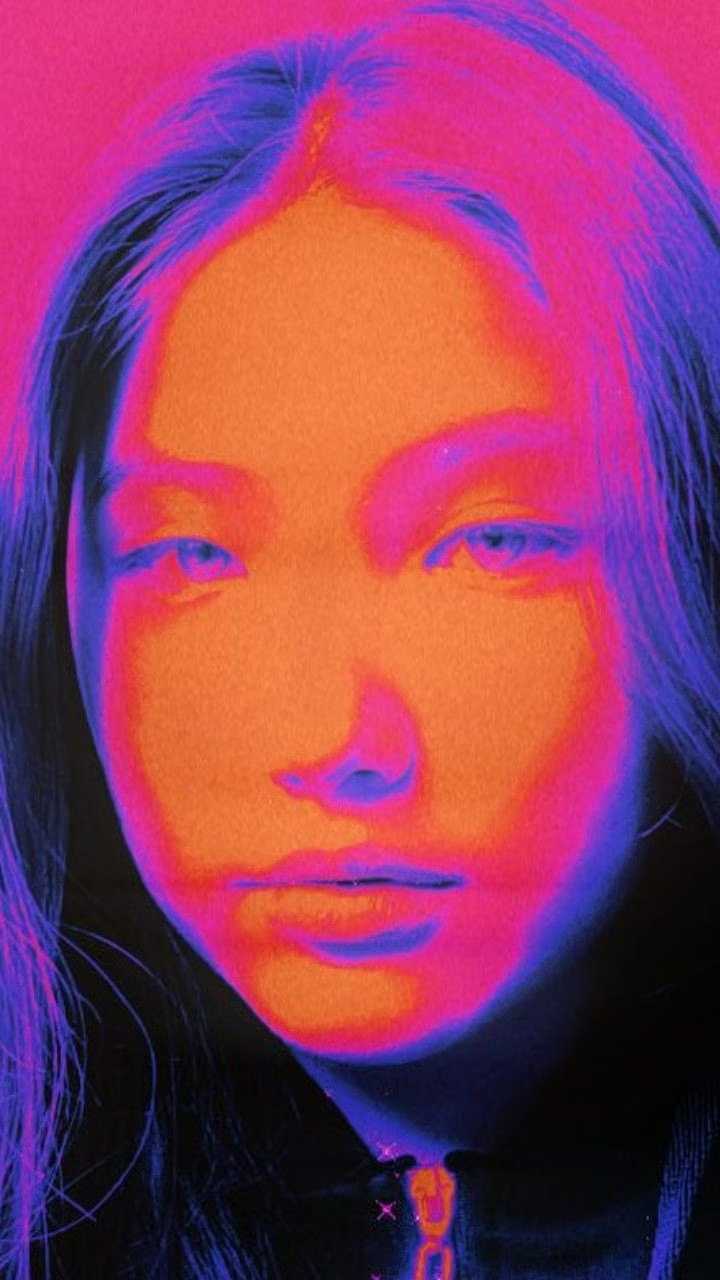
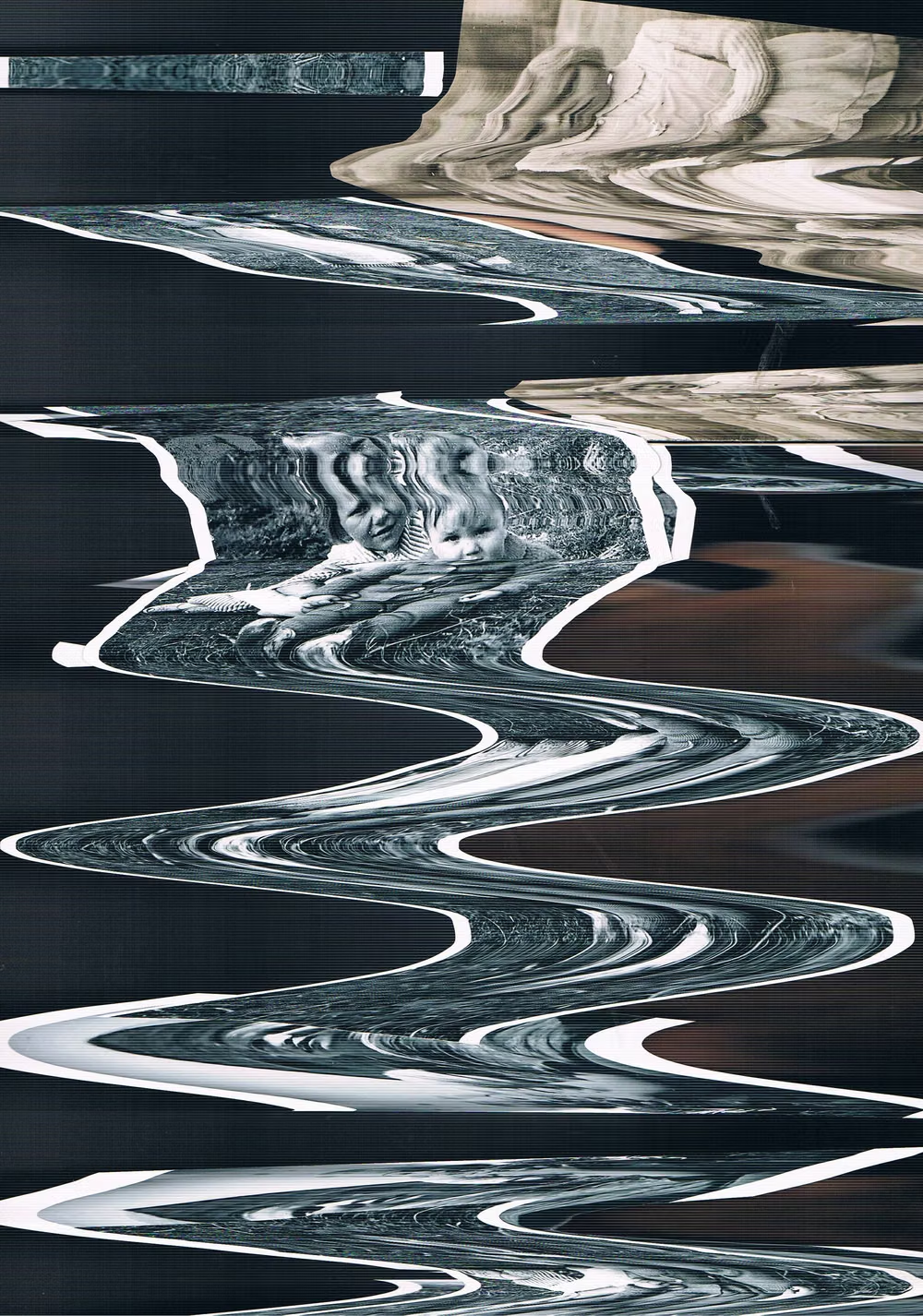
Moodboard and visual references
A visual study of the forms, inspirations, materials, colors, type, and cultural references associated with this UI design style.
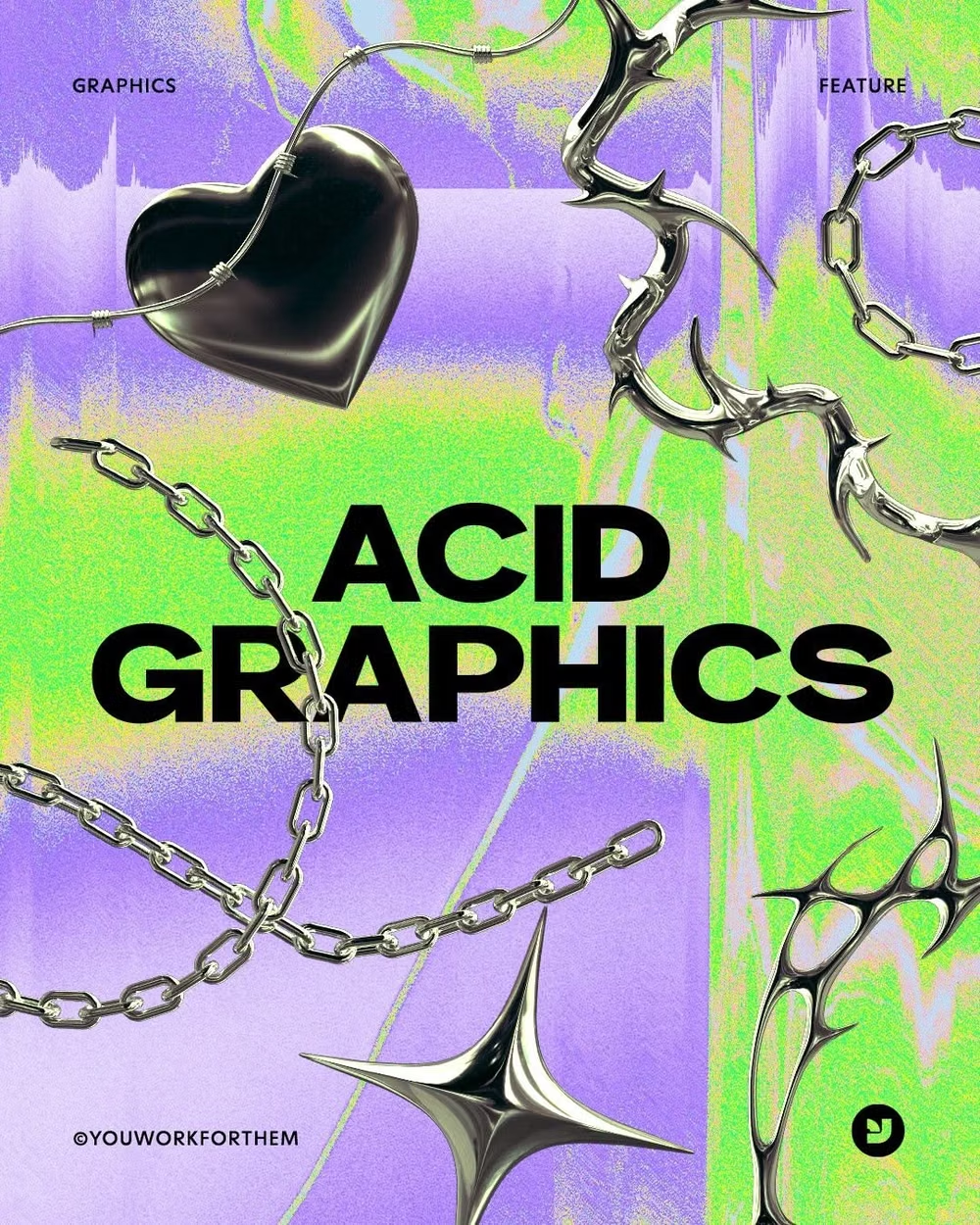
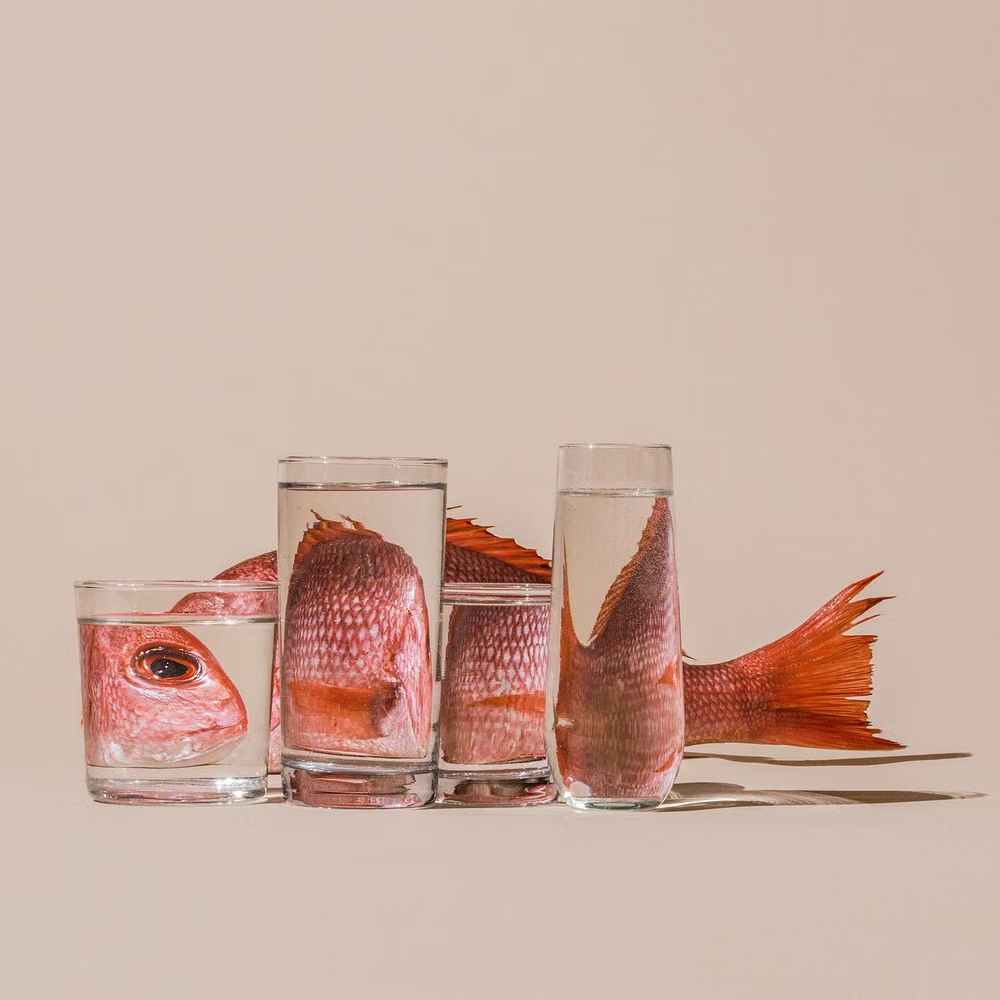
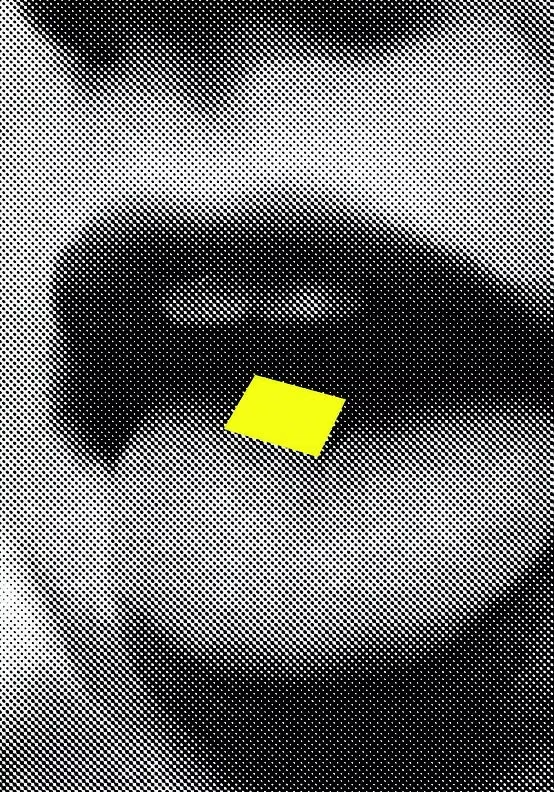
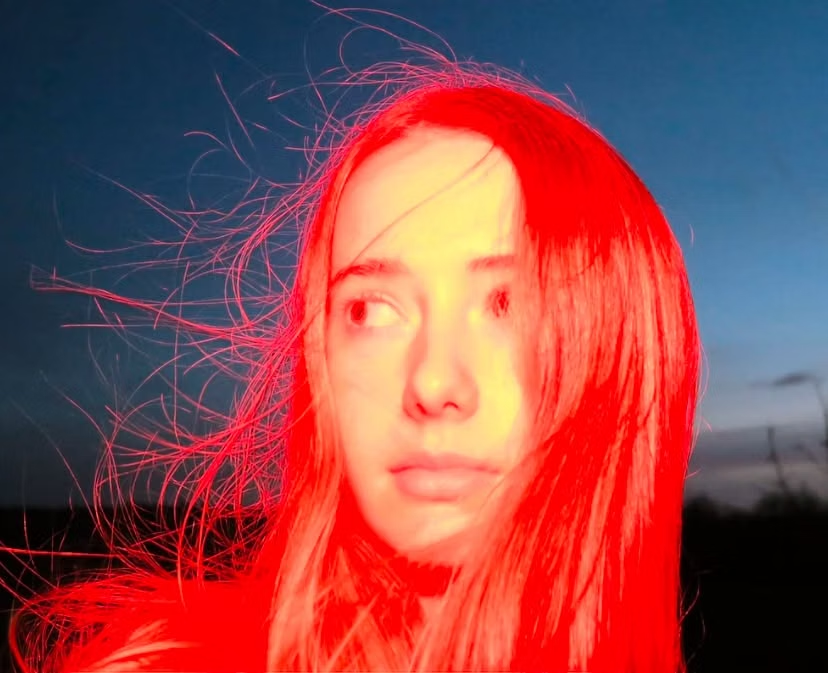
Design principles and implementation
Use these principles to write a focused AI UI design prompt instead of asking for a vague visual treatment.
Color direction
Use fluorescent yellow, green, orange, pink, and blue against black or metallic gray, allowing deliberately abrasive high-contrast combinations. In a daisyUI theme, use fluorescent yellow or green for `primary`, hot pink or electric blue for `secondary`, and step `base-100`, `base-200`, and `base-300` through metallic gray, charcoal, and black.
Imagery direction
Choose distorted portraits, liquefied objects, chrome type, thermal color, scanned flyers, stretched textures, and club photography.
Content density
Embrace high visual and textual density, but isolate time, place, price, and primary action from the most distorted layers.
Motion direction
Warp type, pulse fluorescent fields, liquefy transitions, and use brief strobe-like cuts only within safe frequency and reduced-motion limits.
Shape language
Use liquid spikes, stretched blobs, chrome thorns, distorted grids, concentric targets, and irregular flyer crops. In daisyUI themes, set the `--radius-*` variables between `0.75rem` and `1.5rem`.
Typography rules
Use warped experimental lettering for dominant names, then set logistics in a condensed sans-serif with firm alignment and uncompromised readability.
Suggested Typfaces
Rubik Glitch
Fresh daisies glow in warm sunlight
Fresh daisies glow in warm sunlight
1 2 3 4 5 6 7 8 9 0
Climate Crisis
Fresh daisies glow in warm sunlight
Fresh daisies glow in warm sunlight
1 2 3 4 5 6 7 8 9 0
Unbounded
Fresh daisies glow in warm sunlight
Fresh daisies glow in warm sunlight
1 2 3 4 5 6 7 8 9 0
Syne
Fresh daisies glow in warm sunlight
Fresh daisies glow in warm sunlight
1 2 3 4 5 6 7 8 9 0
Archivo Black
Fresh daisies glow in warm sunlight
Fresh daisies glow in warm sunlight
1 2 3 4 5 6 7 8 9 0
Build a Acid Graphics interface with daisyUI
The live example translates this direction into daisyUI components and semantic theme tokens.
To generate a full page in the same visual language, give the style name and the design rules above to Blueprint MCP.
Related UI design styles
Compare nearby visual languages that share typography, shapes, use cases, or signature elements.
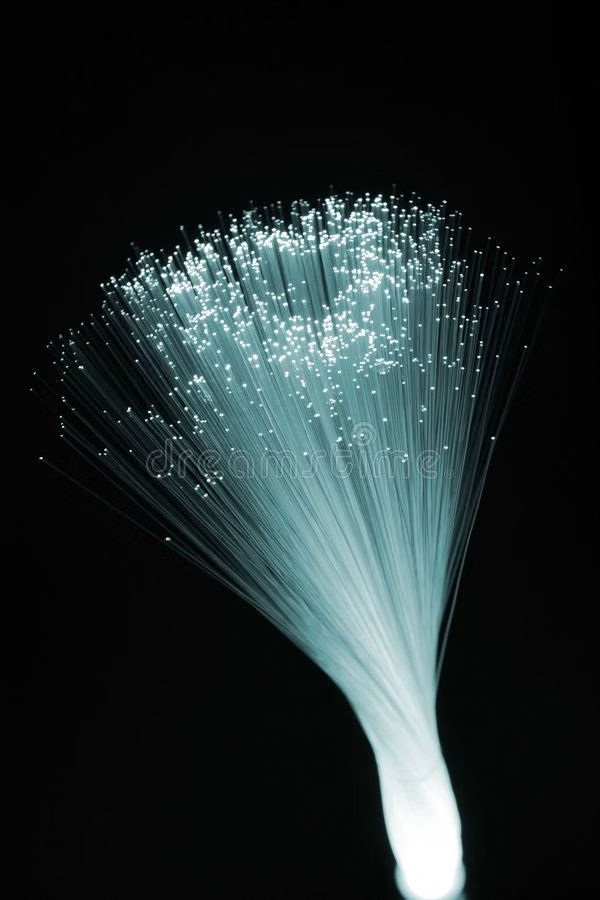
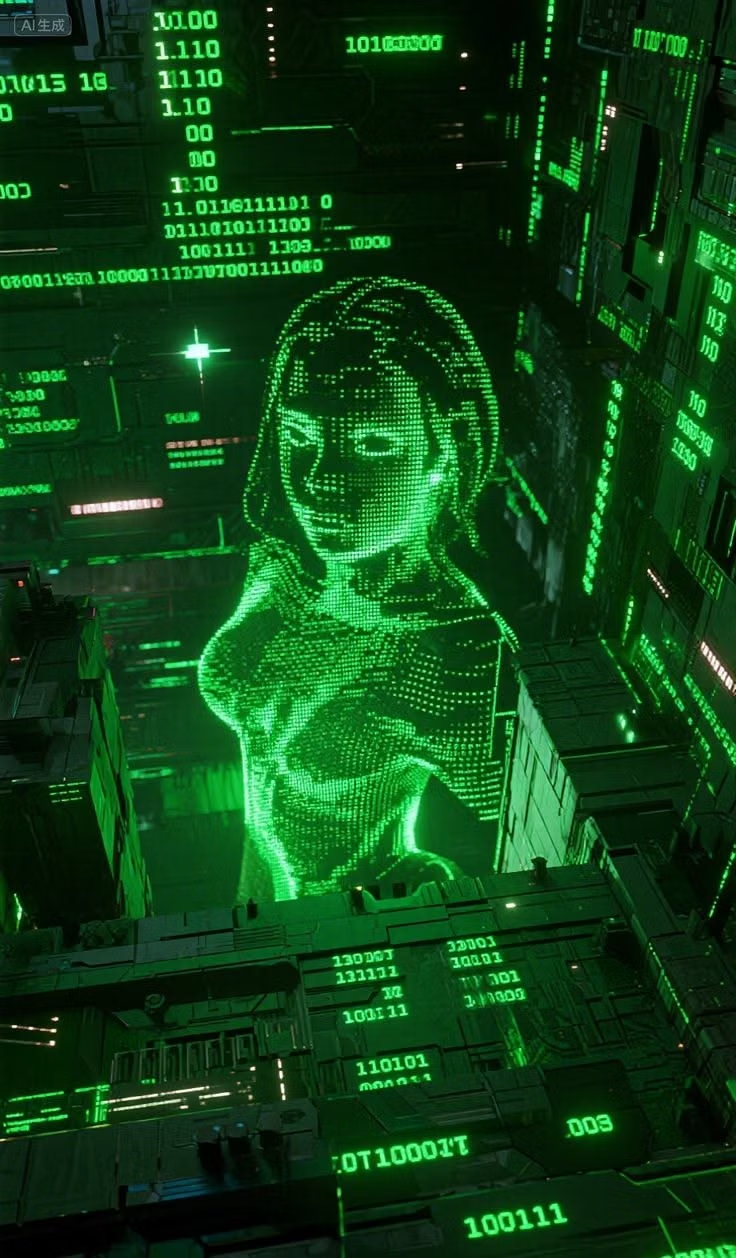

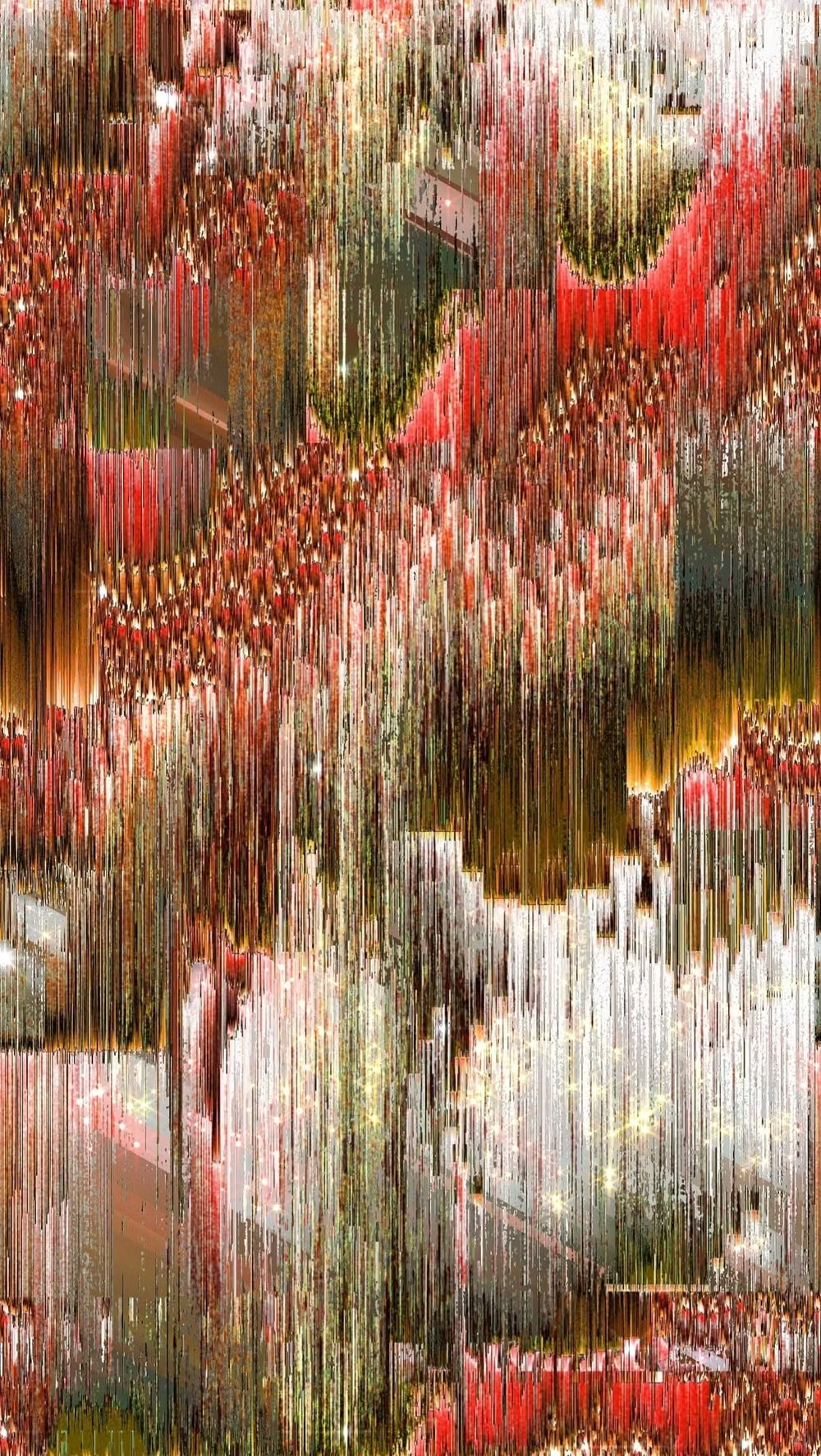
Cyberdelia UI design style
Cyberculture merges with psychedelia through acid color, fractals, kaleidoscopic imagery, early 3D type, and rave-era digital optimism.
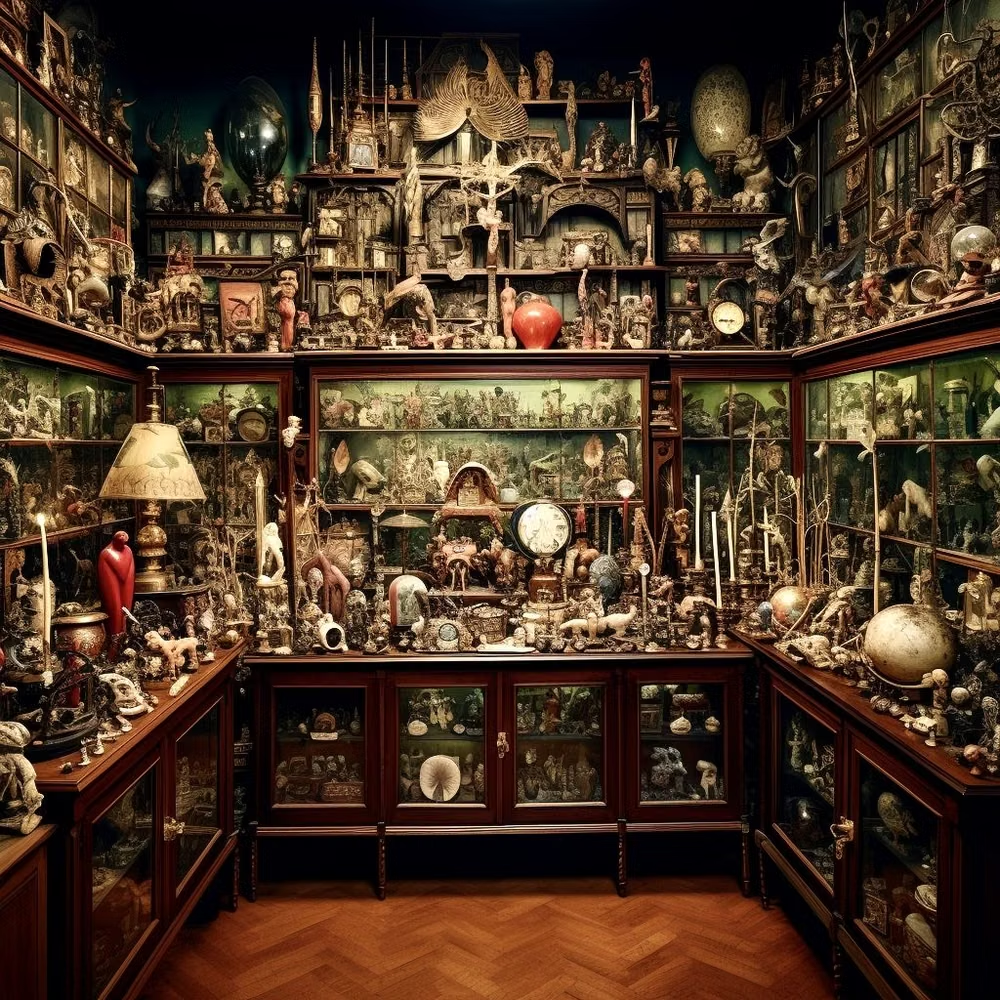
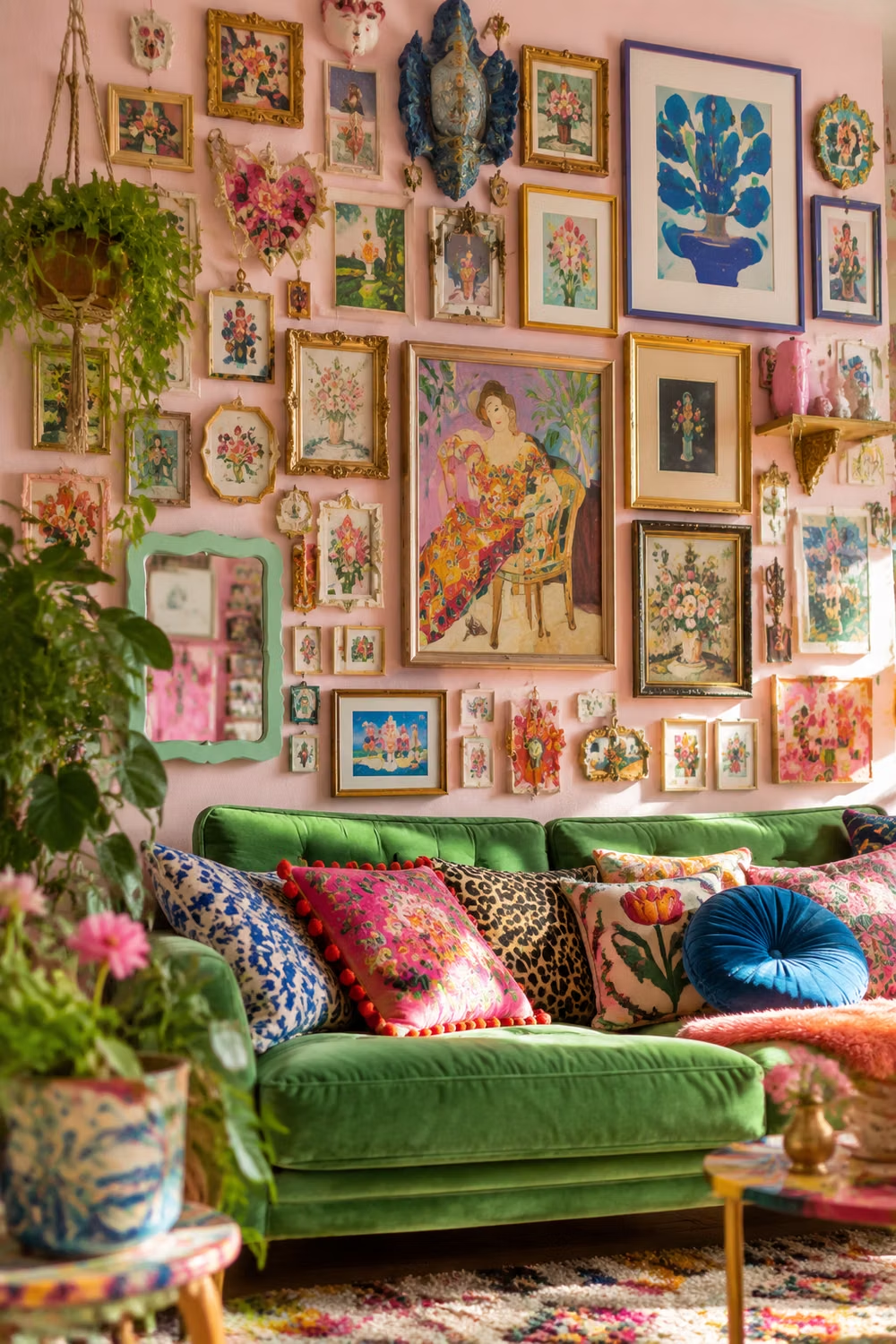
Maximalism UI design style
Dense compositions combine expressive typography, vivid color, layered imagery, pattern, and abundant decoration.
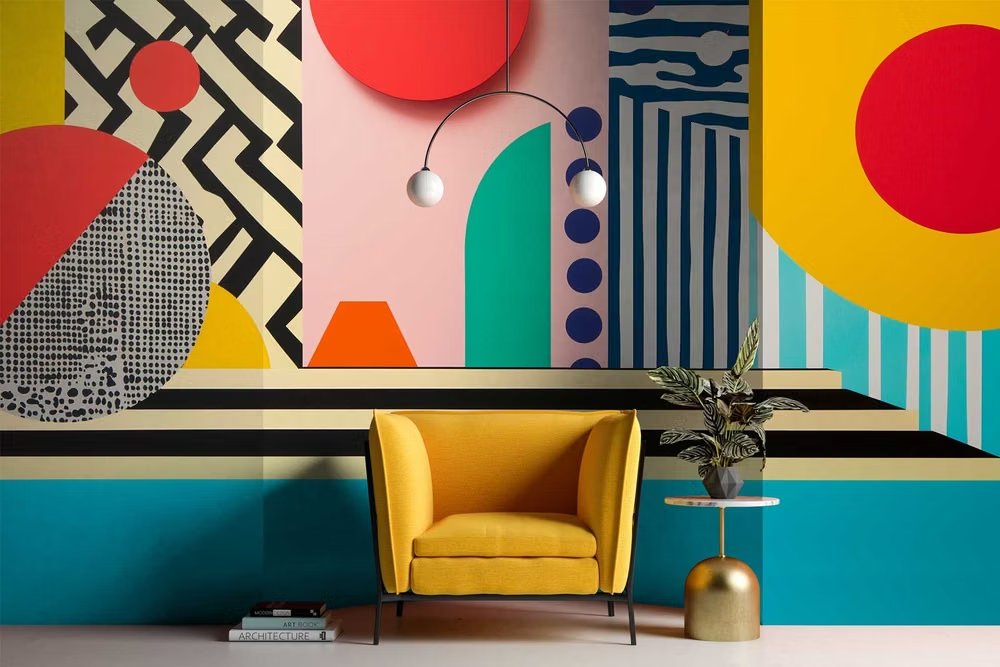
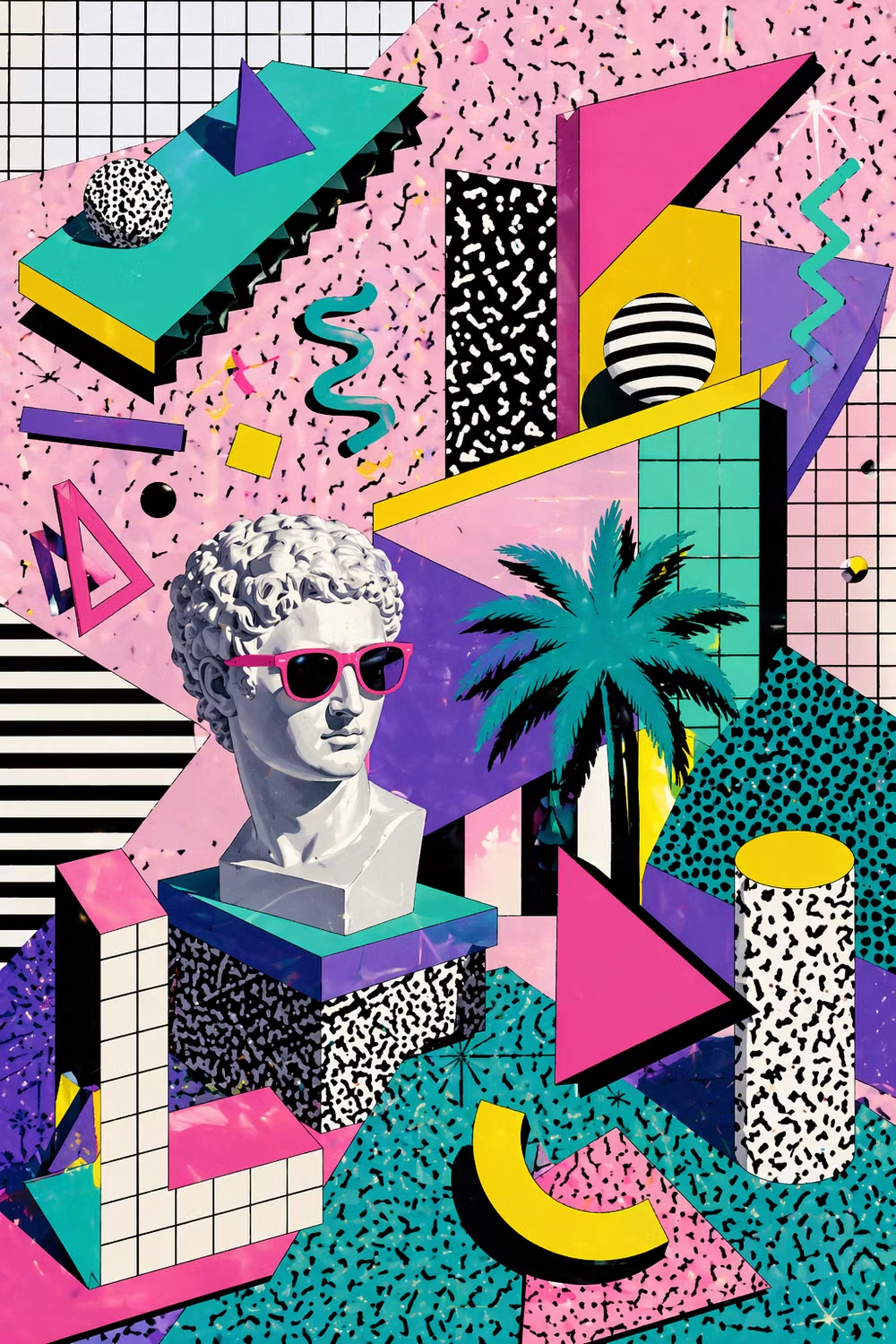
Memphis Design UI design style
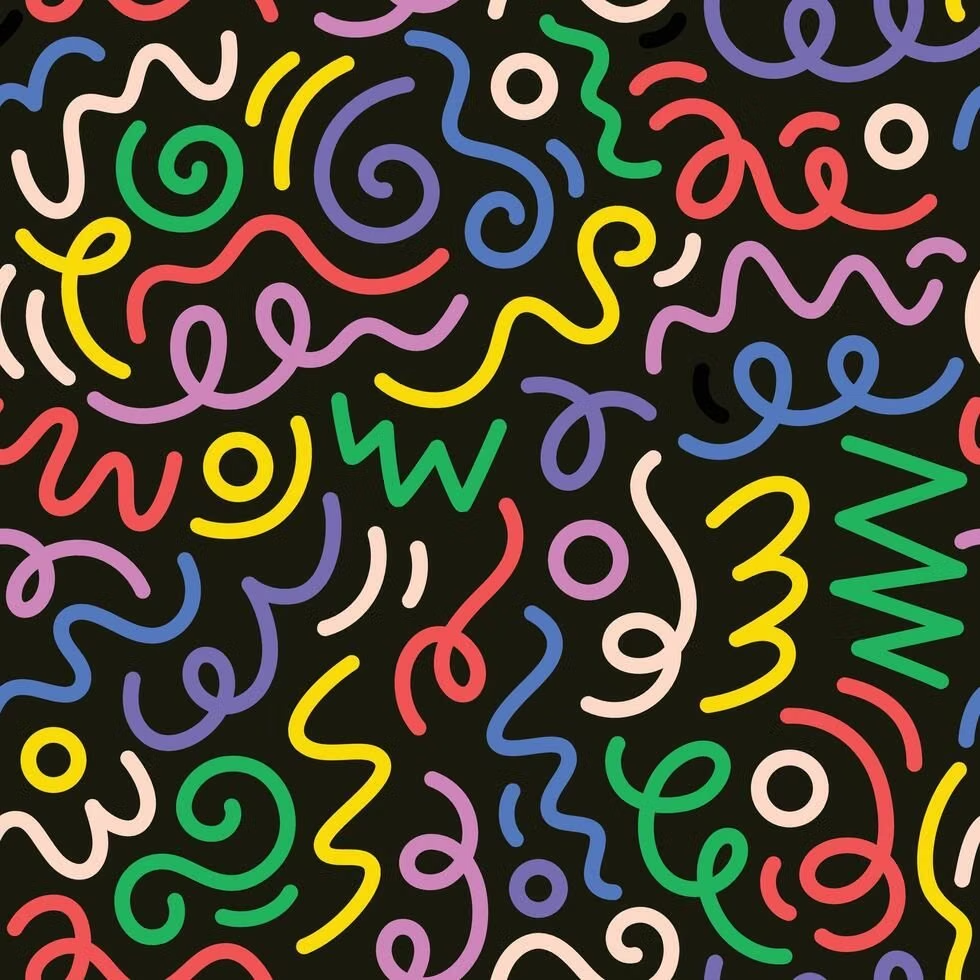
Bright geometric shapes, squiggles, dots, contrasting patterns, and playful visual imbalance evoke the 1980s Memphis Group.