Cyberdelia UI design style
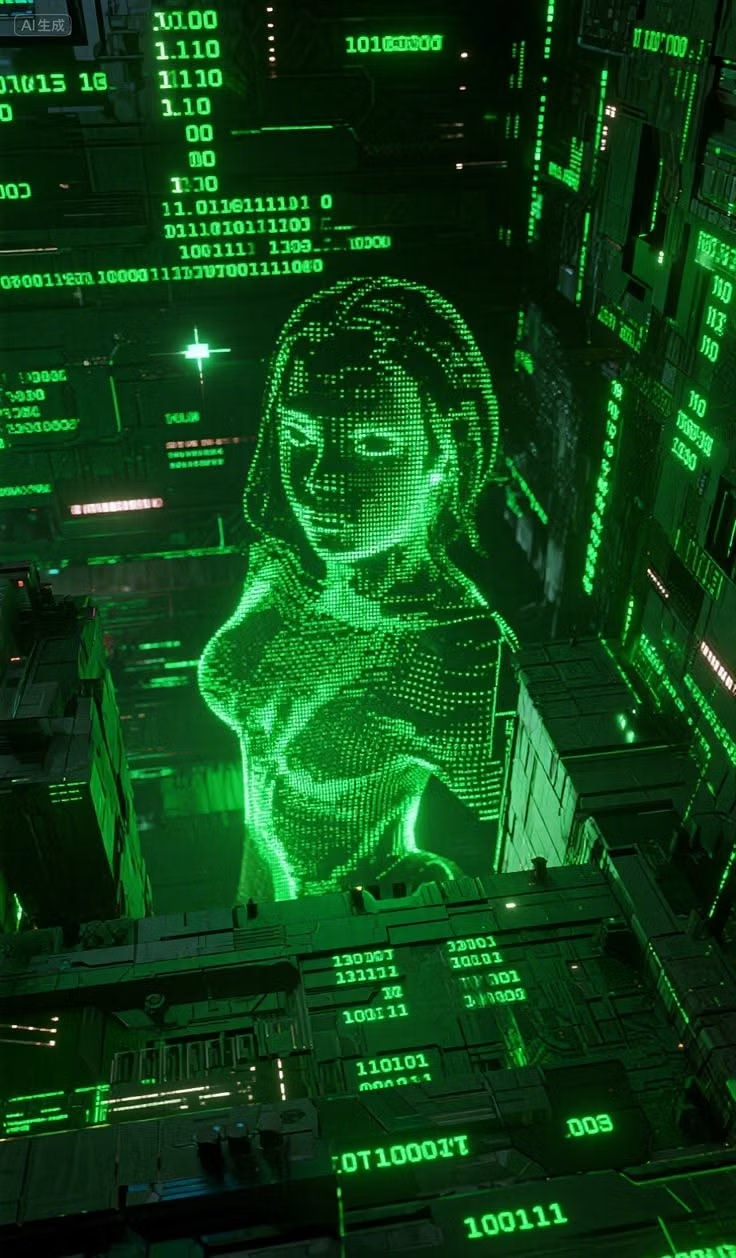
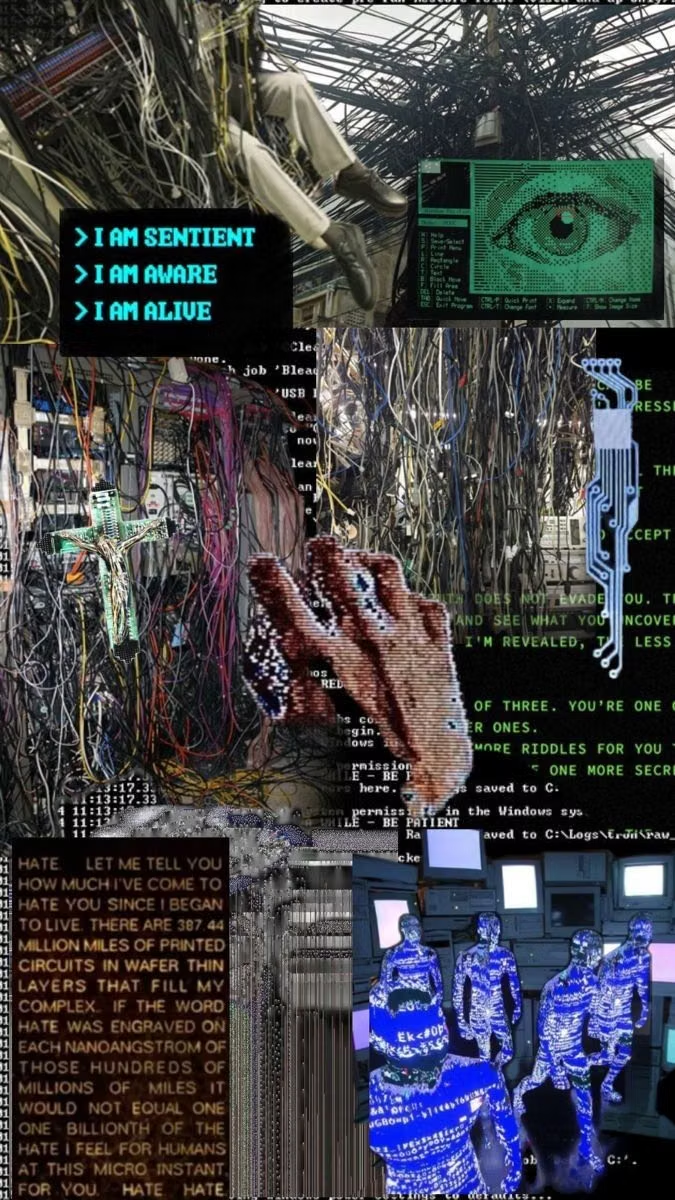
Cyberculture merges with psychedelia through acid color, fractals, kaleidoscopic imagery, early 3D type, and rave-era digital optimism.
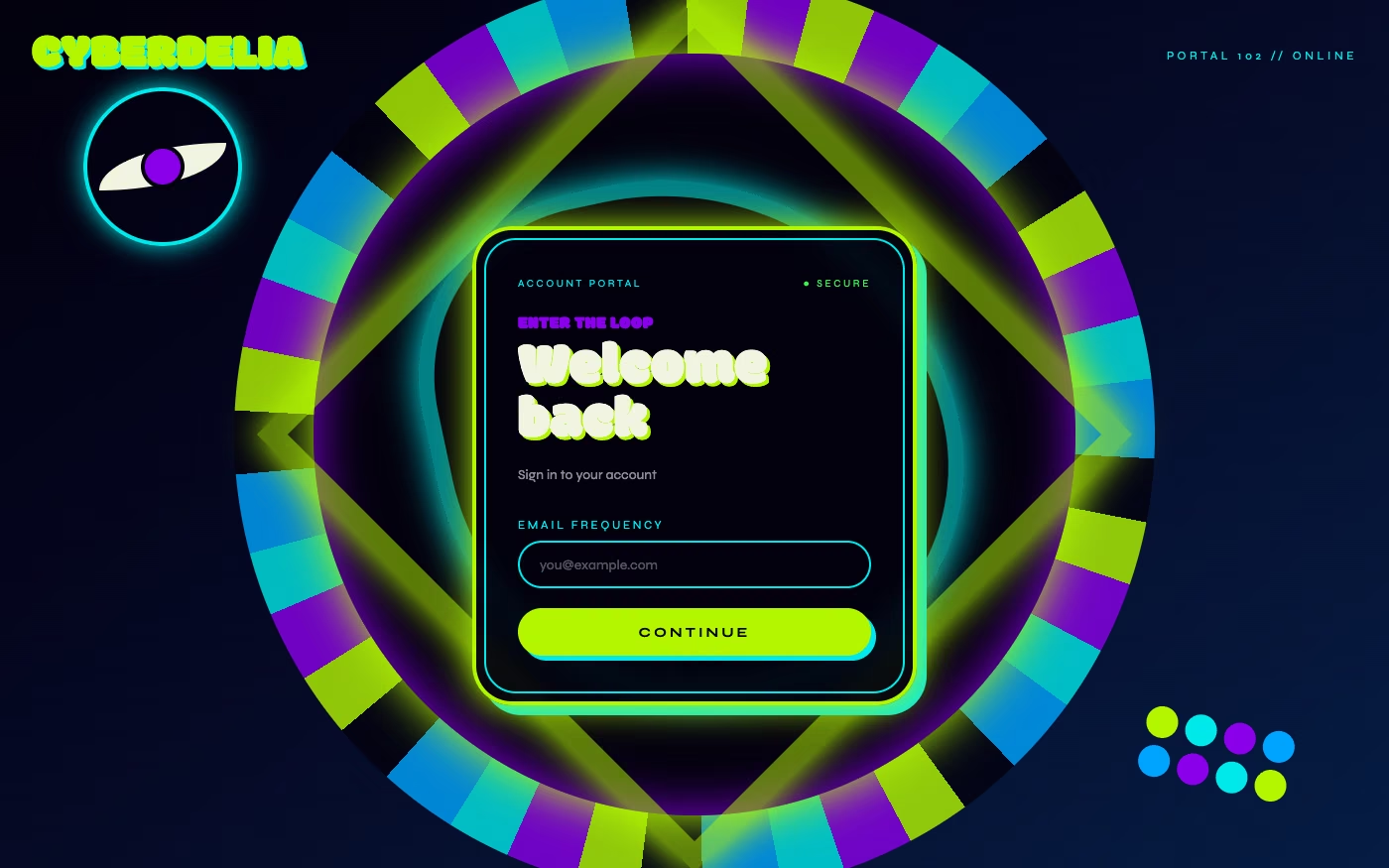
Design overview
- Signature elements
- fractals, acid color, kaleidoscopic imagery, early three-dimensional type, rave graphics, cybernetic motifs. In daisyUI themes, set `--depth: 1;`.
- Best suited to
- Music, nightlife, games, experimental technology, events, and retro-internet campaigns.
- Layout principles
- Build a portal-like sequence of fractal fields, early-three-dimensional objects, and rave navigation, anchoring each scene around one central entry point.
History and origins
A fact-checked account of where this visual language came from, with links to the references used.
- Period
- Late 1980s–mid-1990s
- Origin
- Rave flyers, early computer graphics, and emerging cyberculture
Cyberdelia joined psychedelic color and imagery with the first broadly visible wave of digital manipulation, fractals, rave graphics, and network mythology. CARI places its relevance from the late 1980s to mid-1990s and notes that the name became widely recognizable through the Cyberdelia club in the 1995 film Hackers; the visual tendency predates that film.
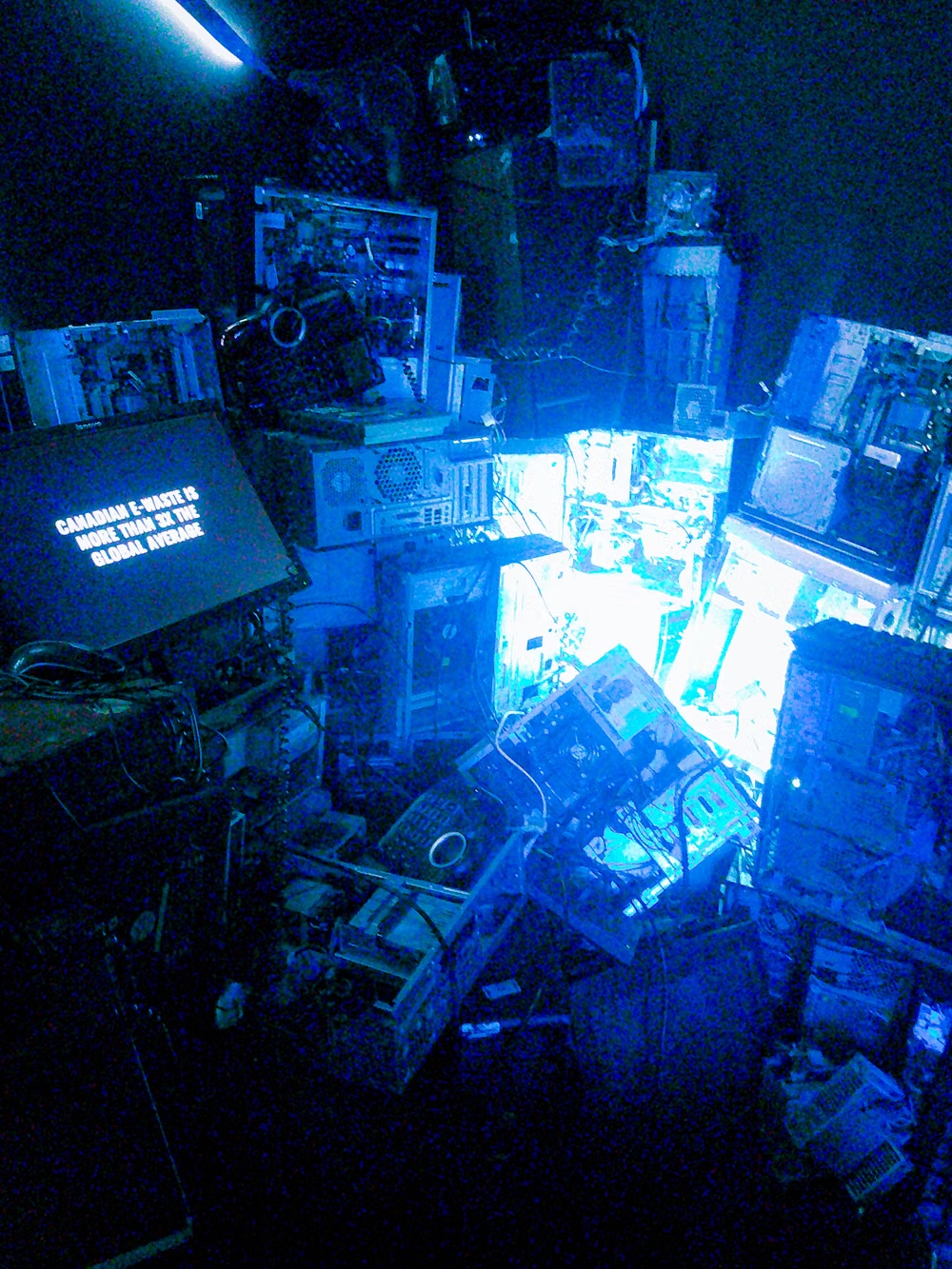
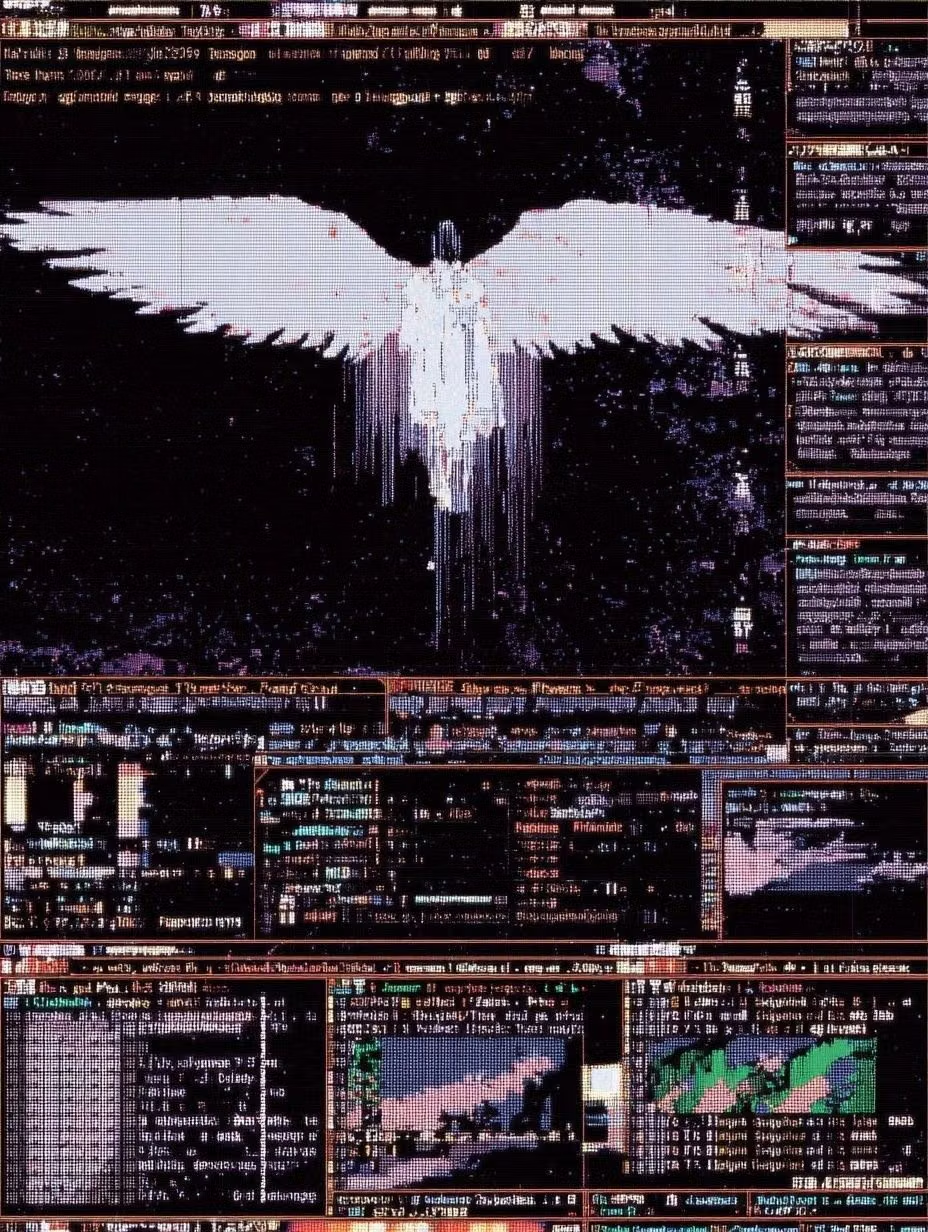
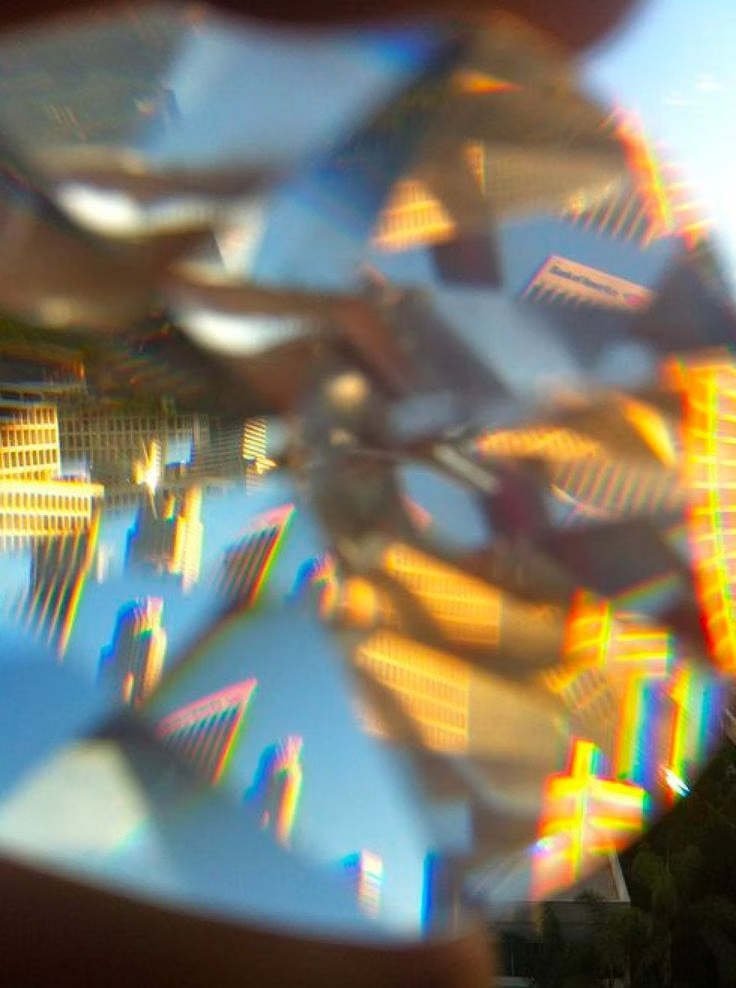
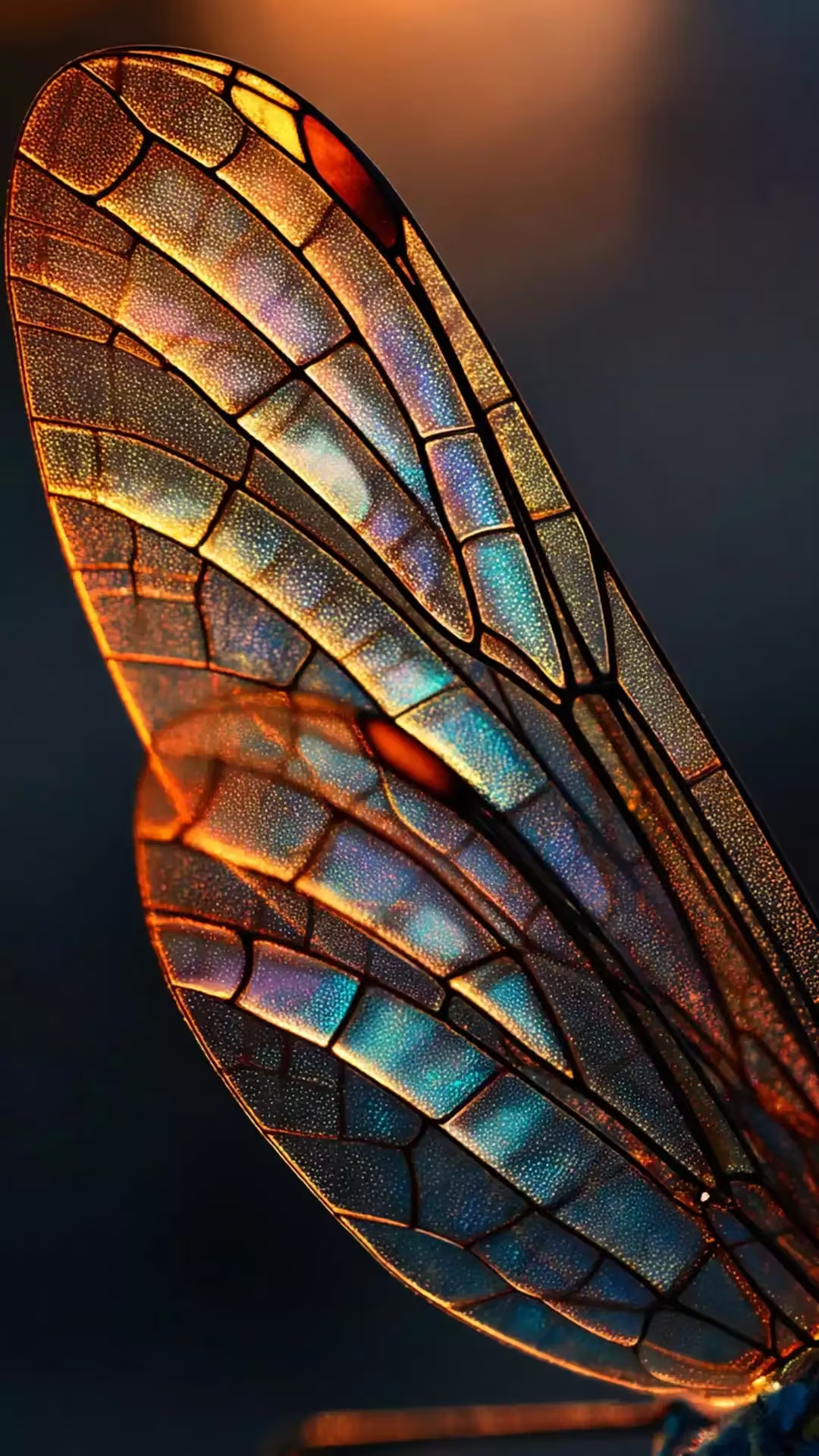
Moodboard and visual references
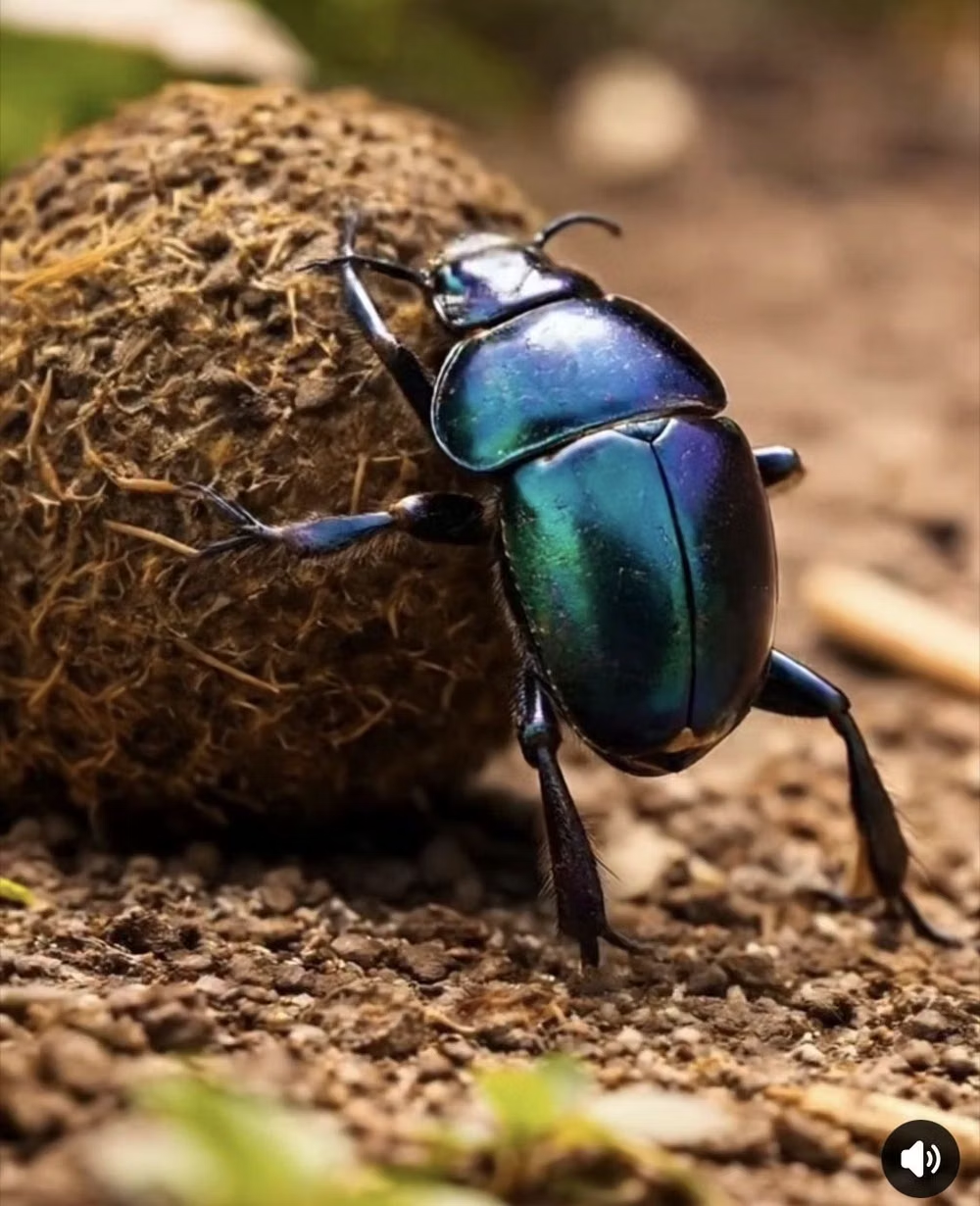
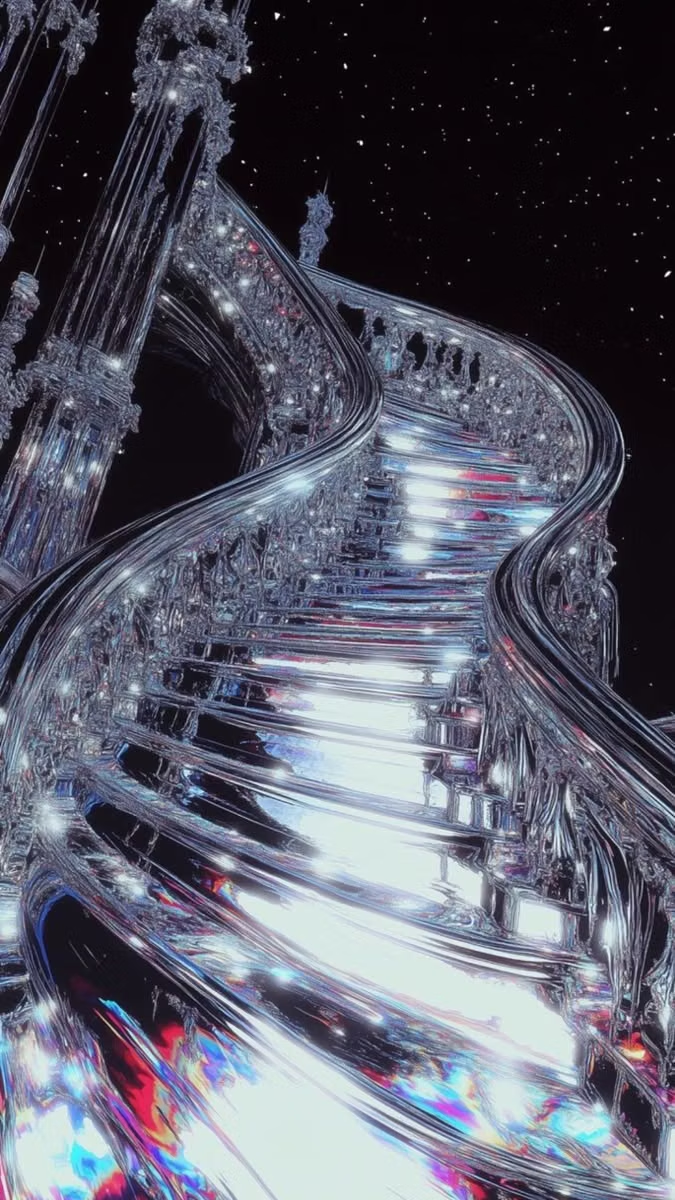
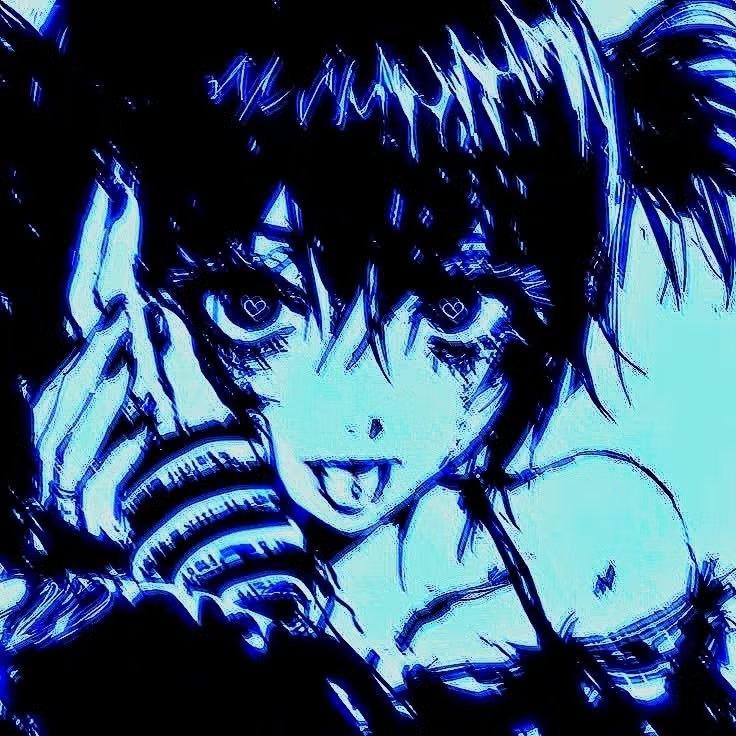
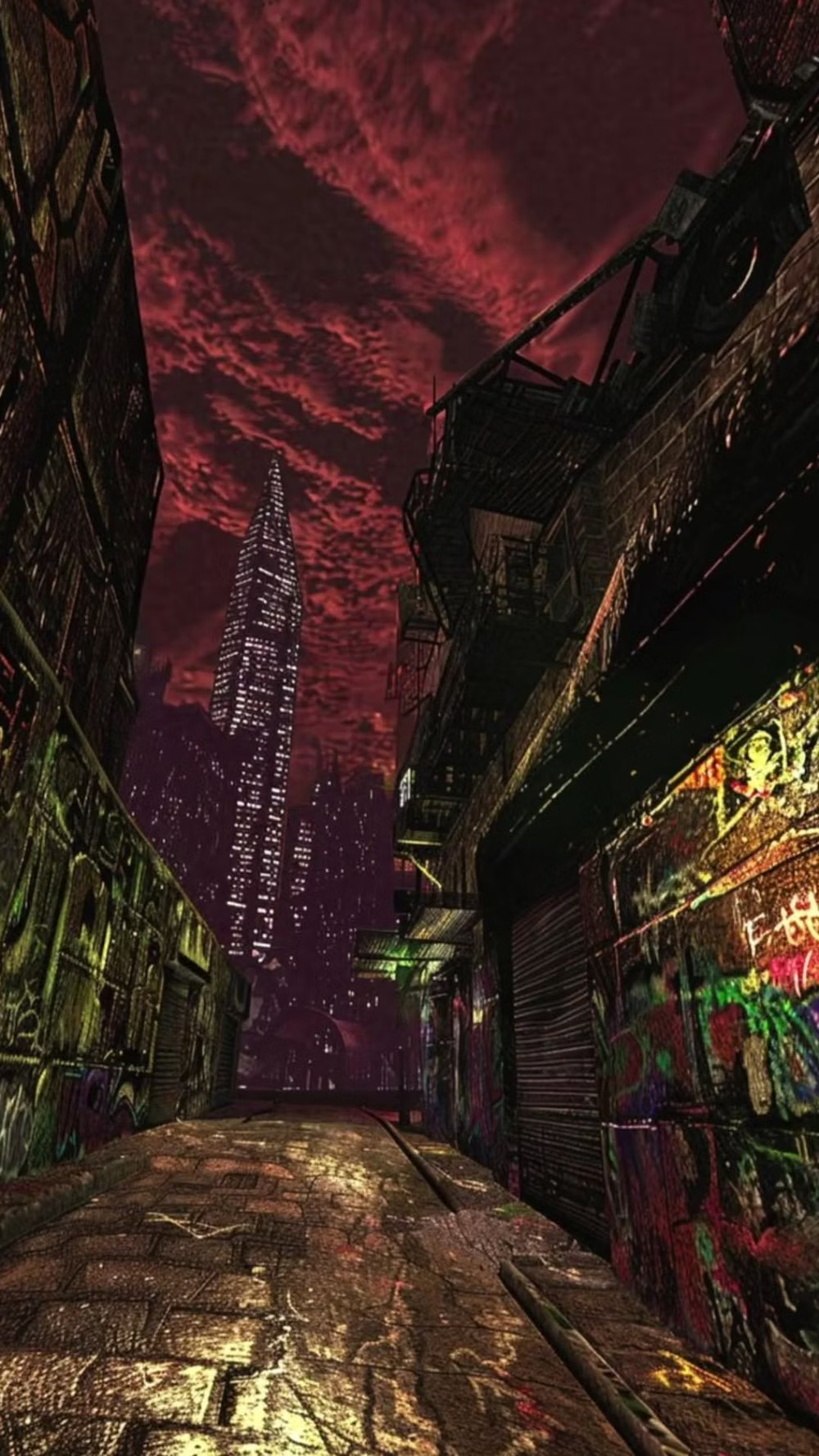
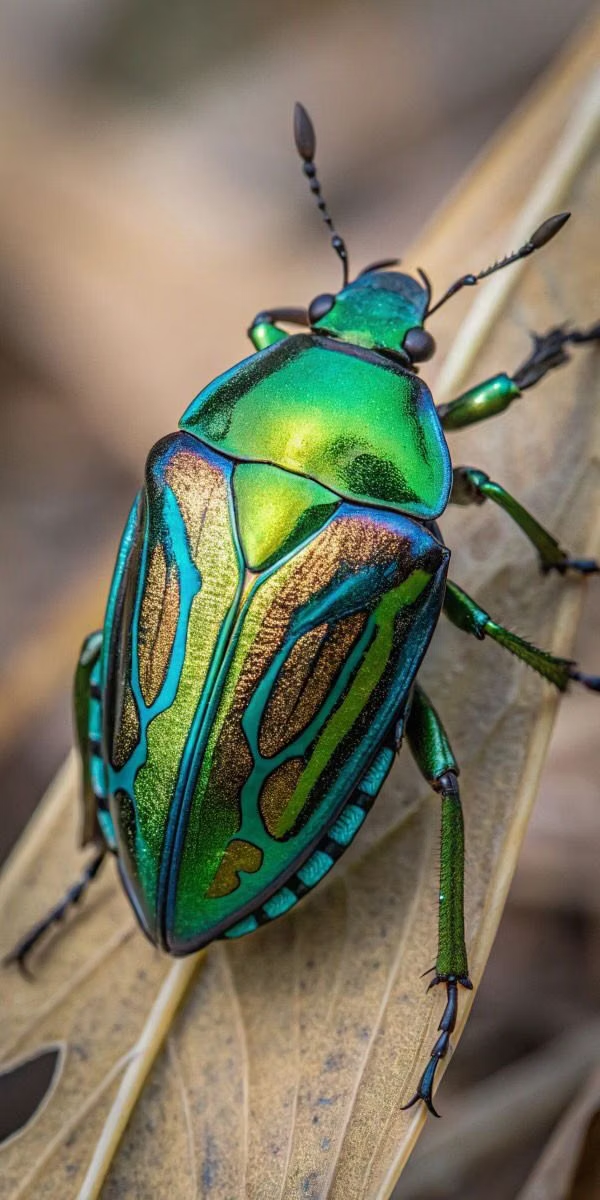
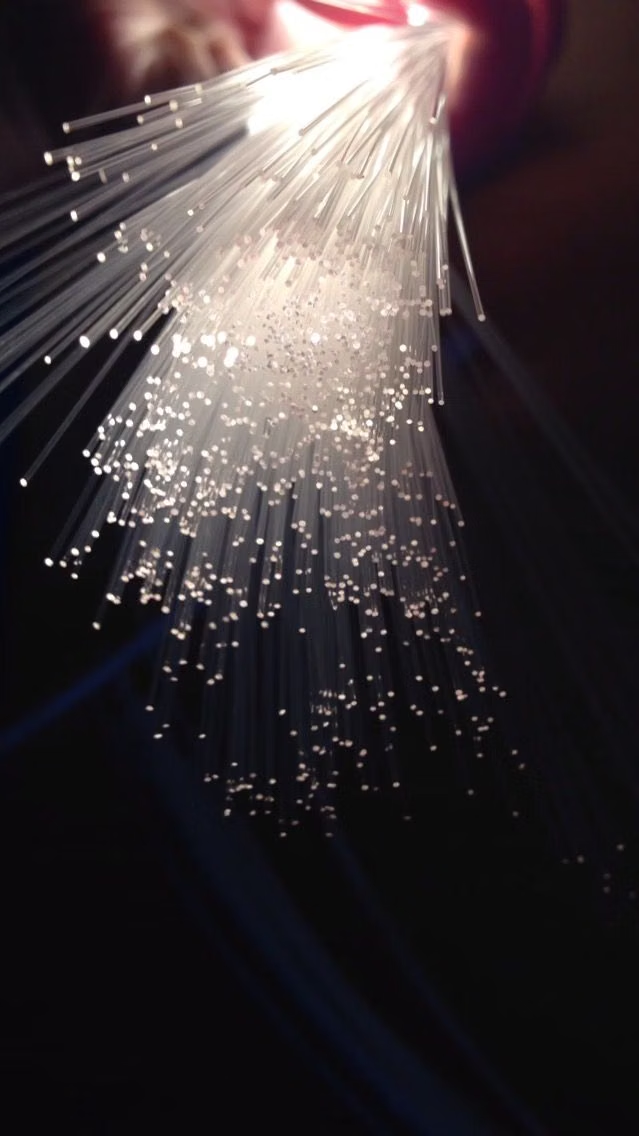
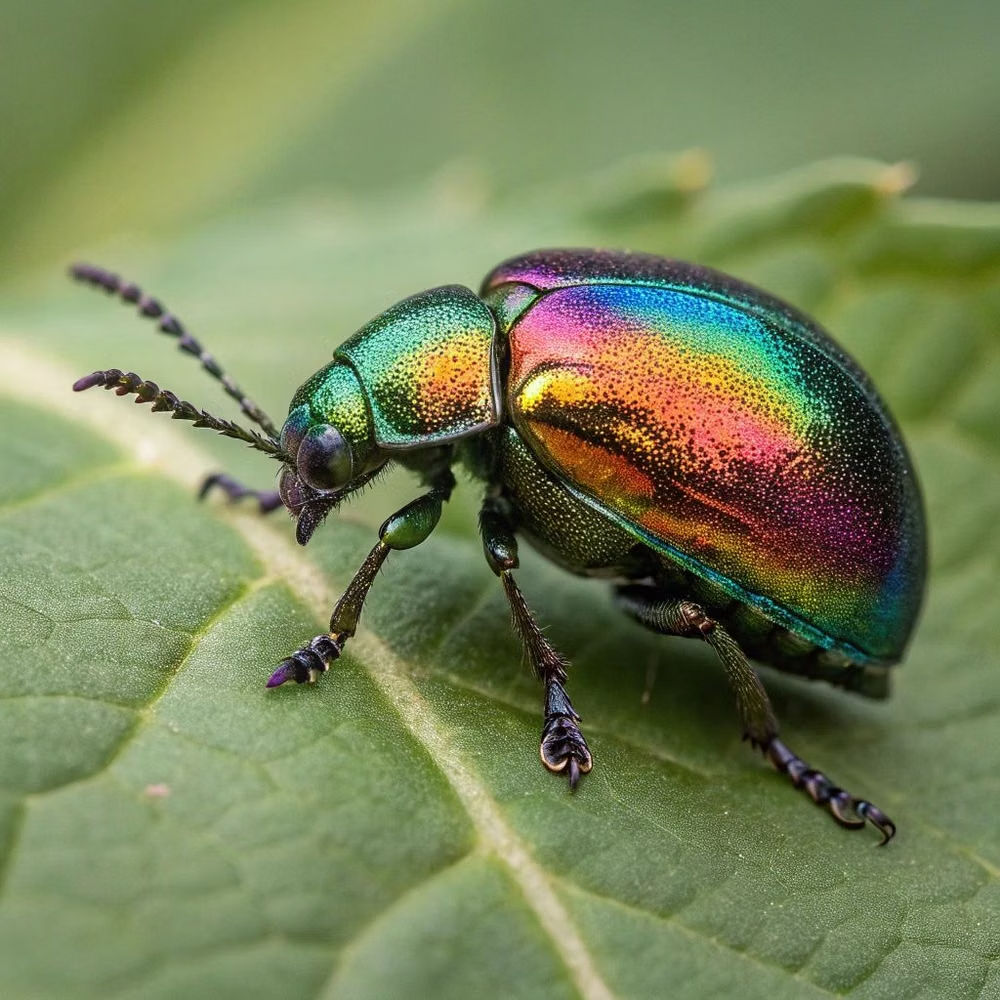
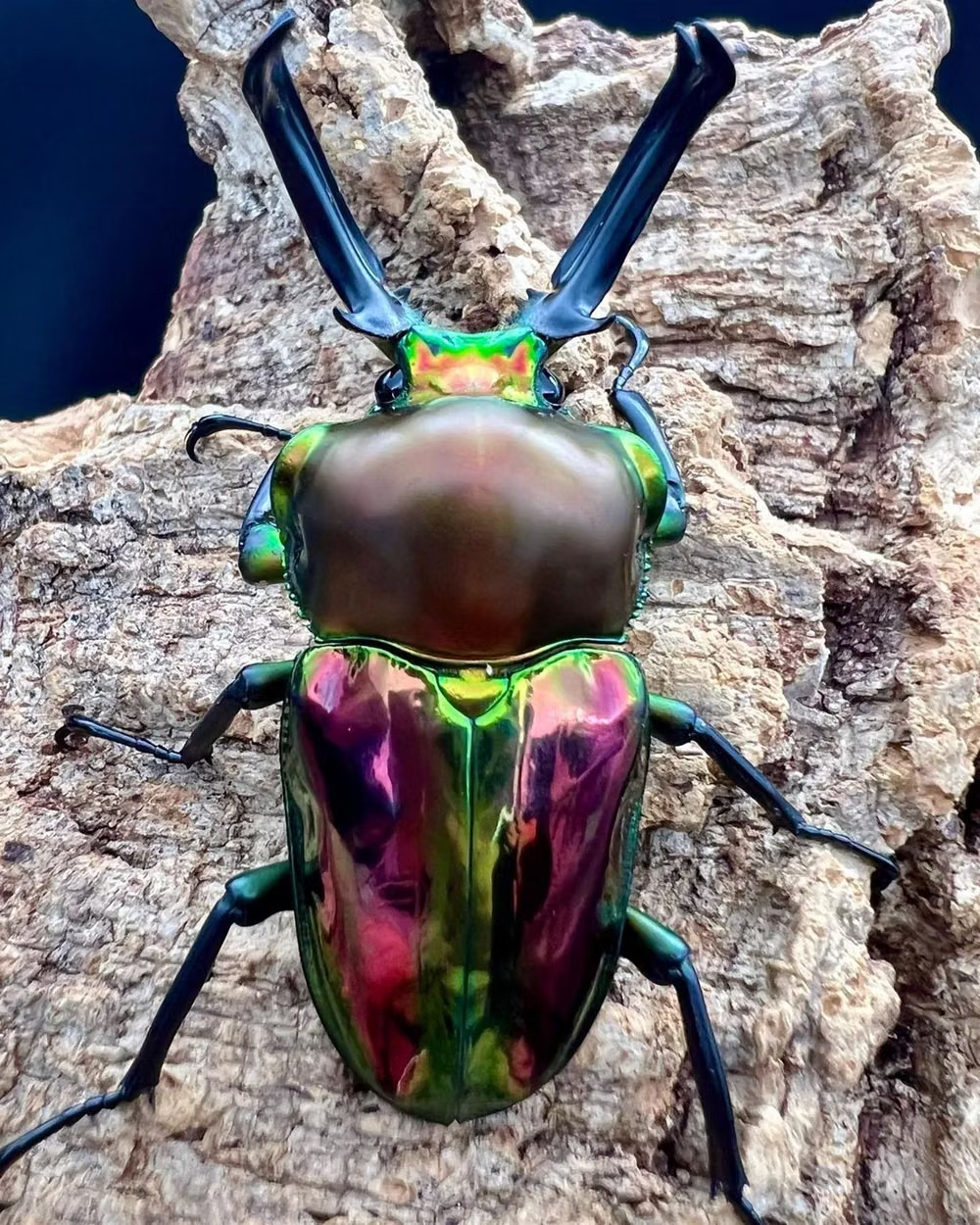
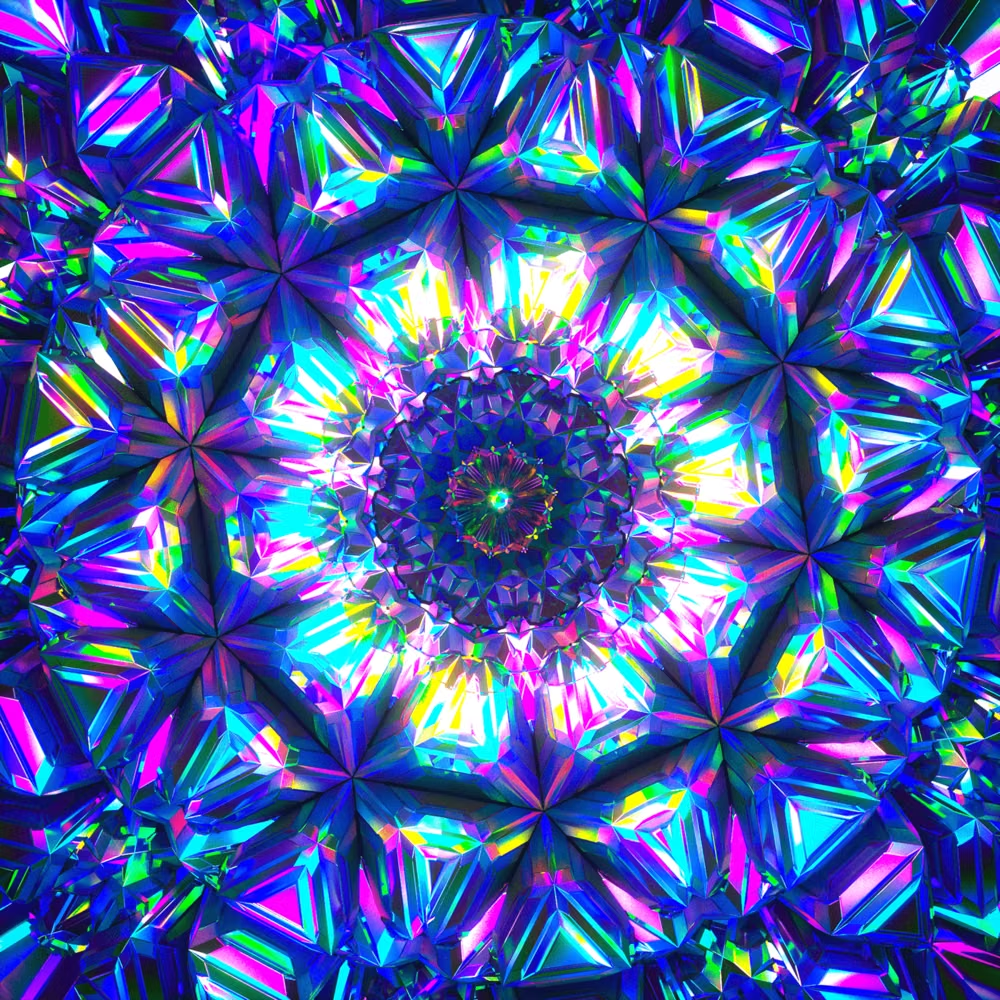
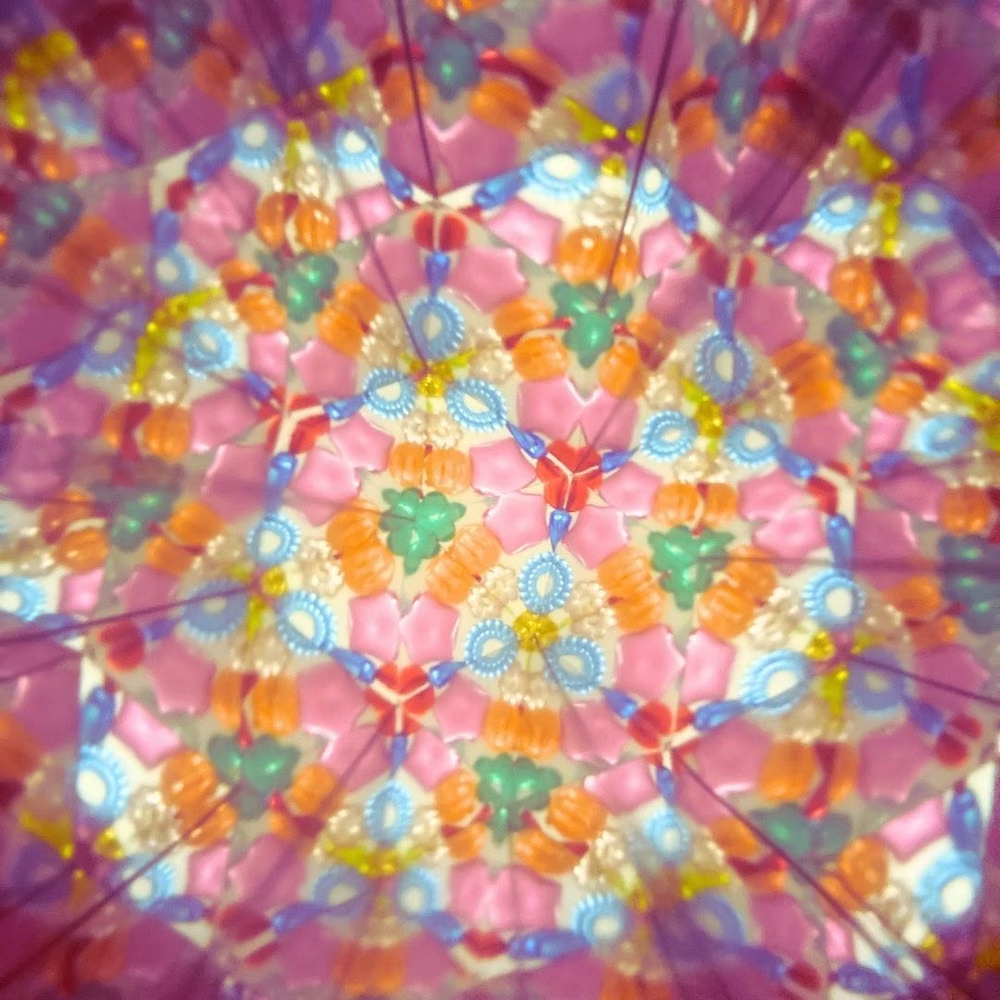
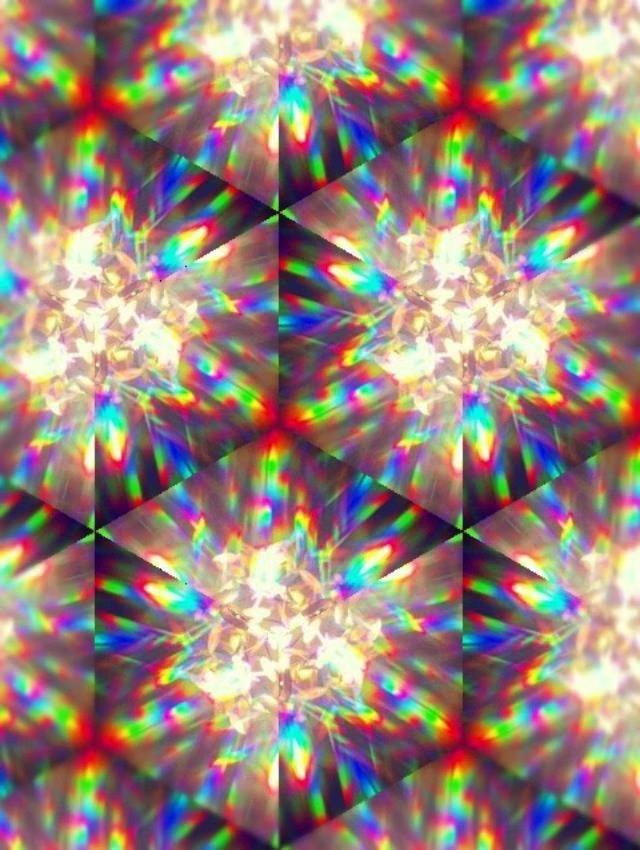
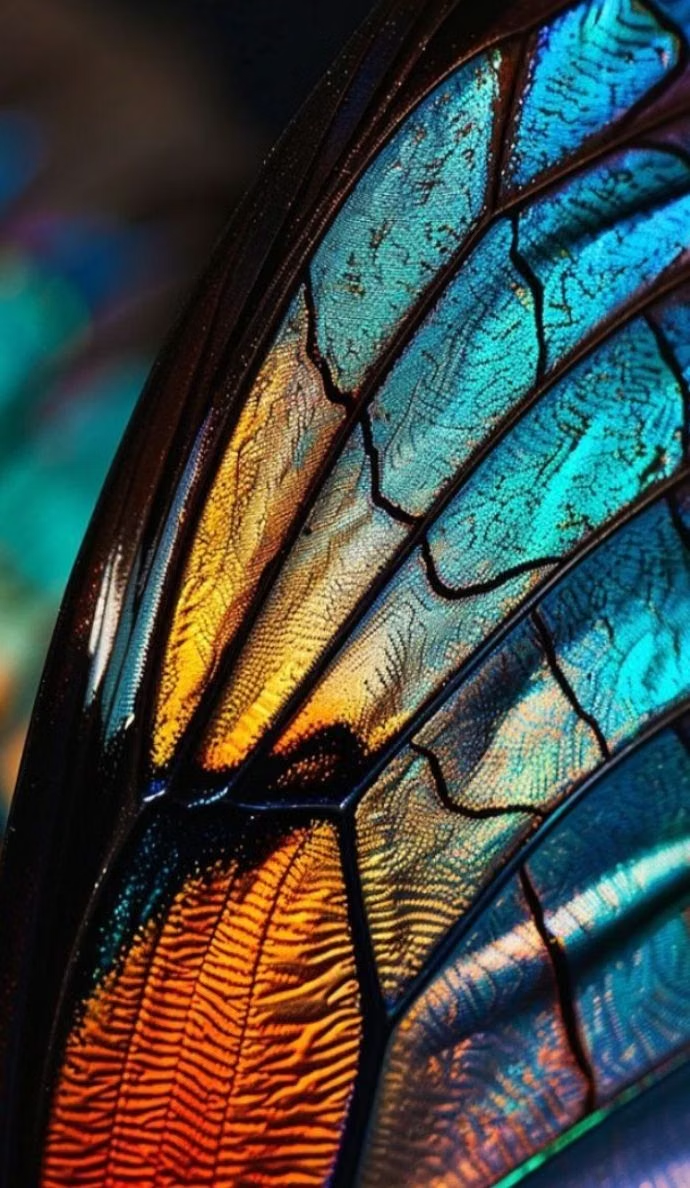
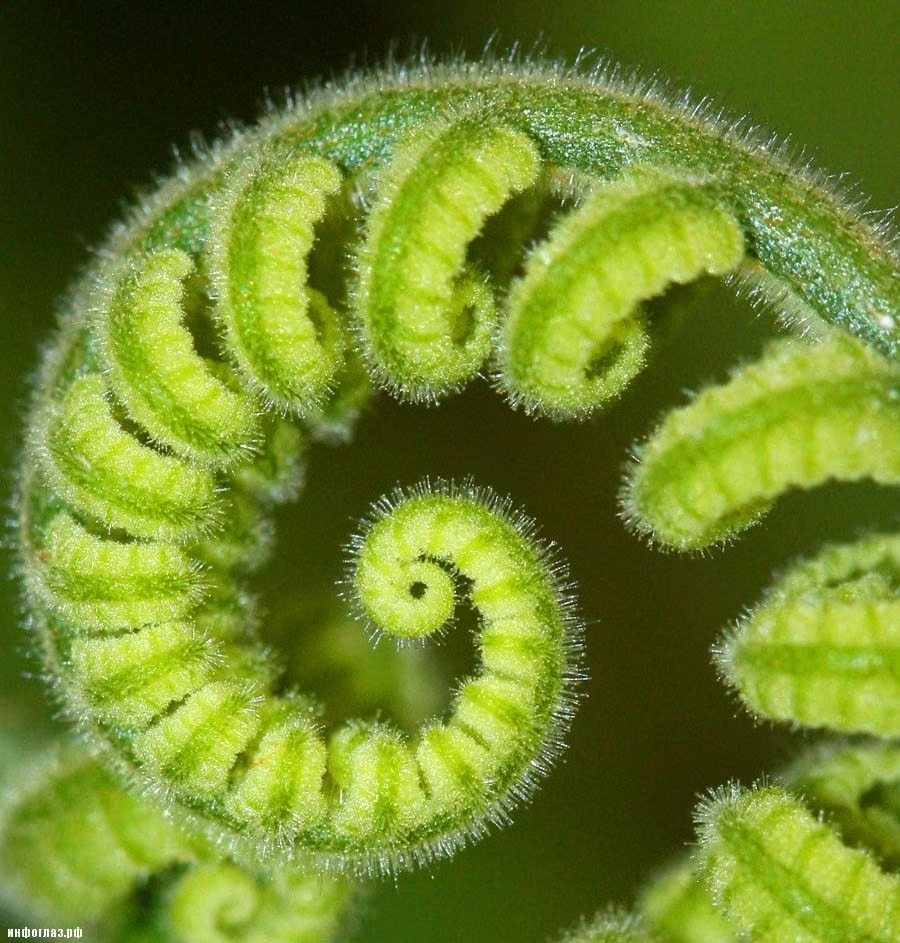
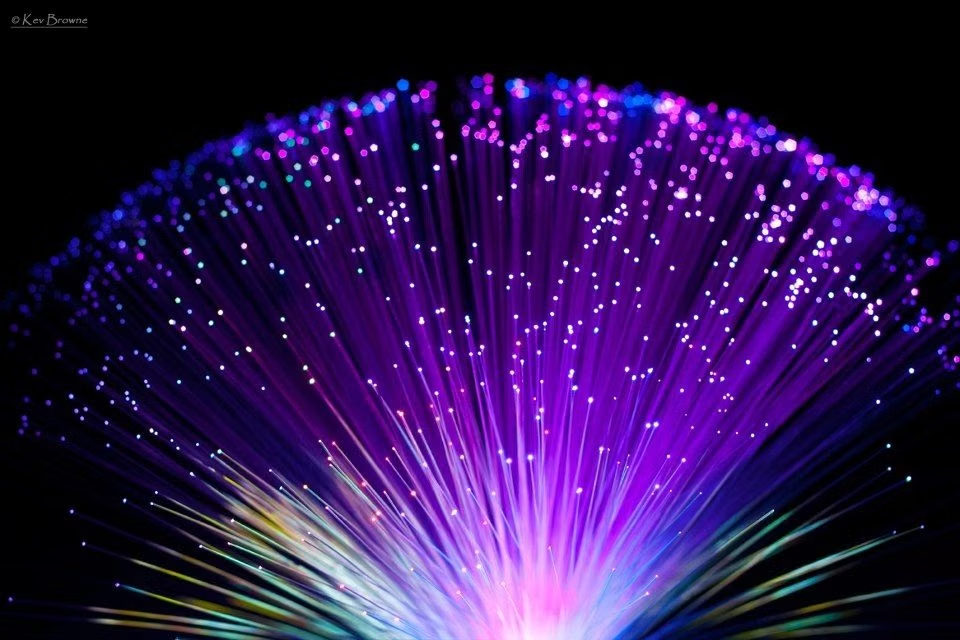
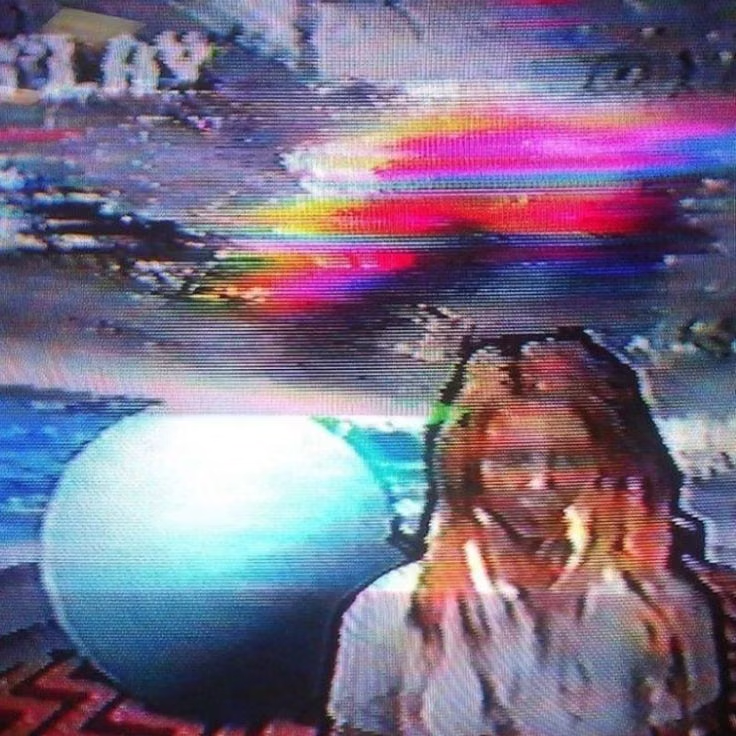
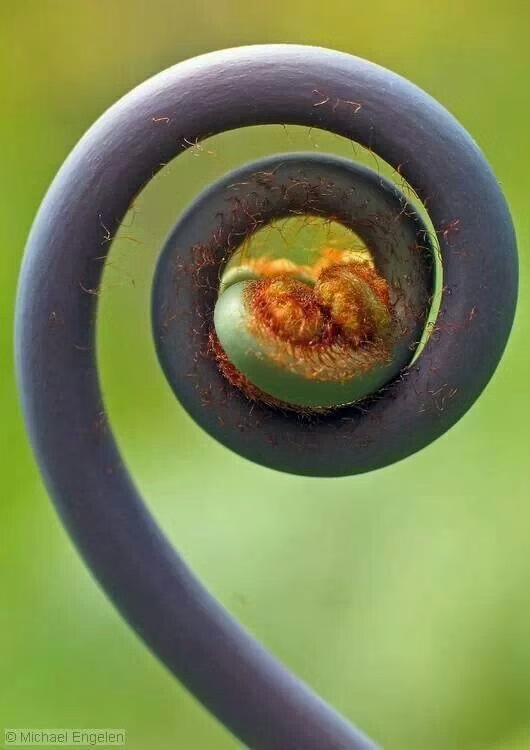
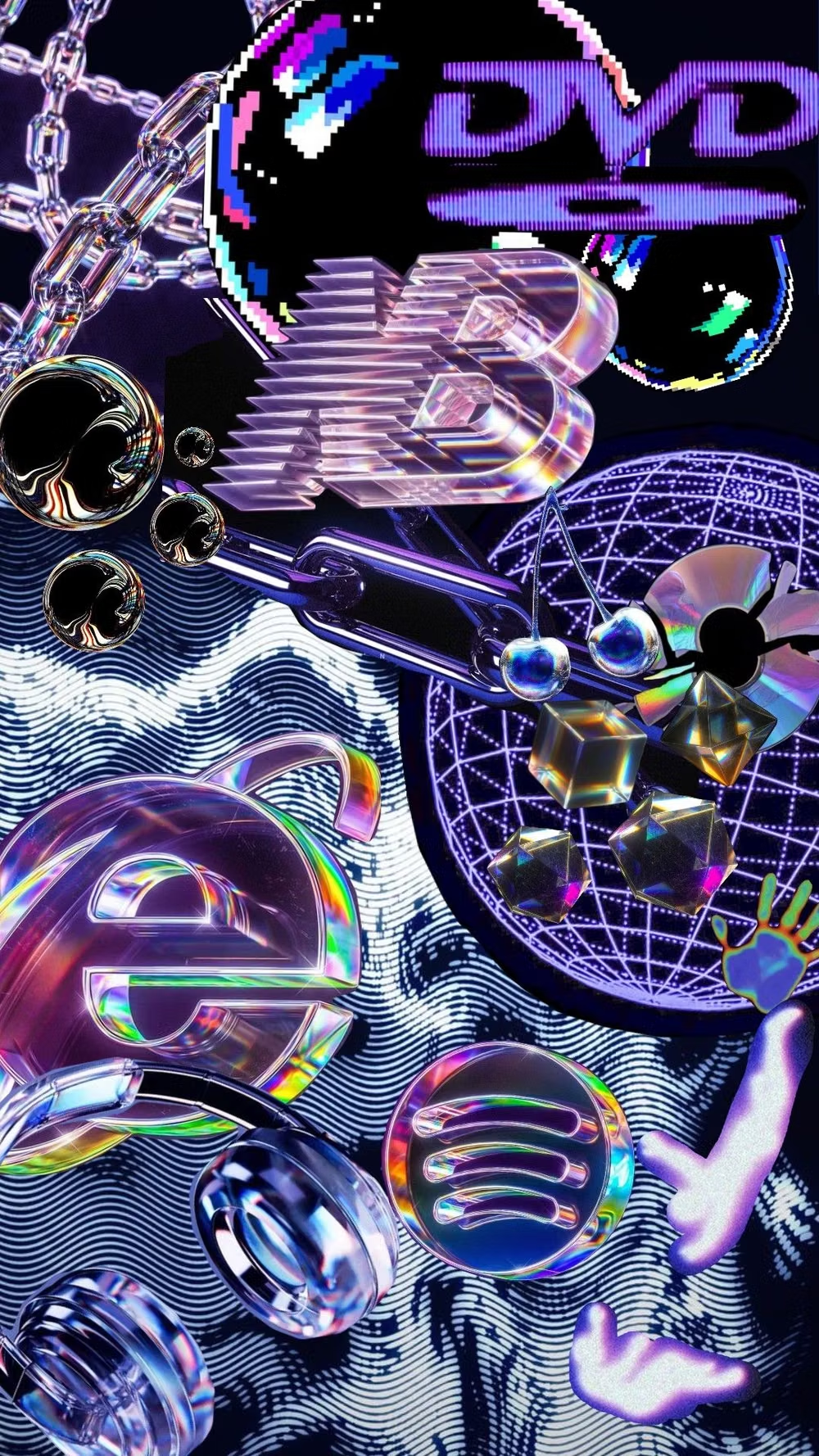
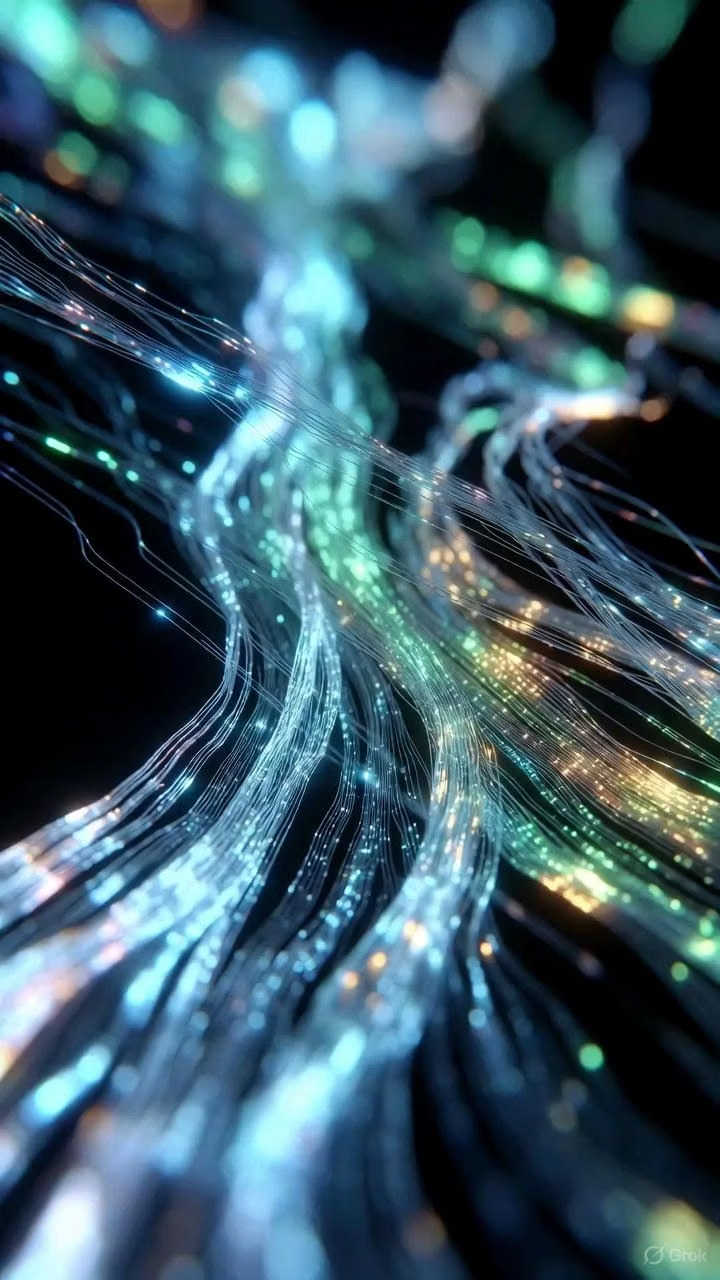
A visual study of the forms, inspirations, materials, colors, type, and cultural references associated with this UI design style.


Design principles and implementation
Use these principles to write a focused AI UI design prompt instead of asking for a vague visual treatment.
Color direction
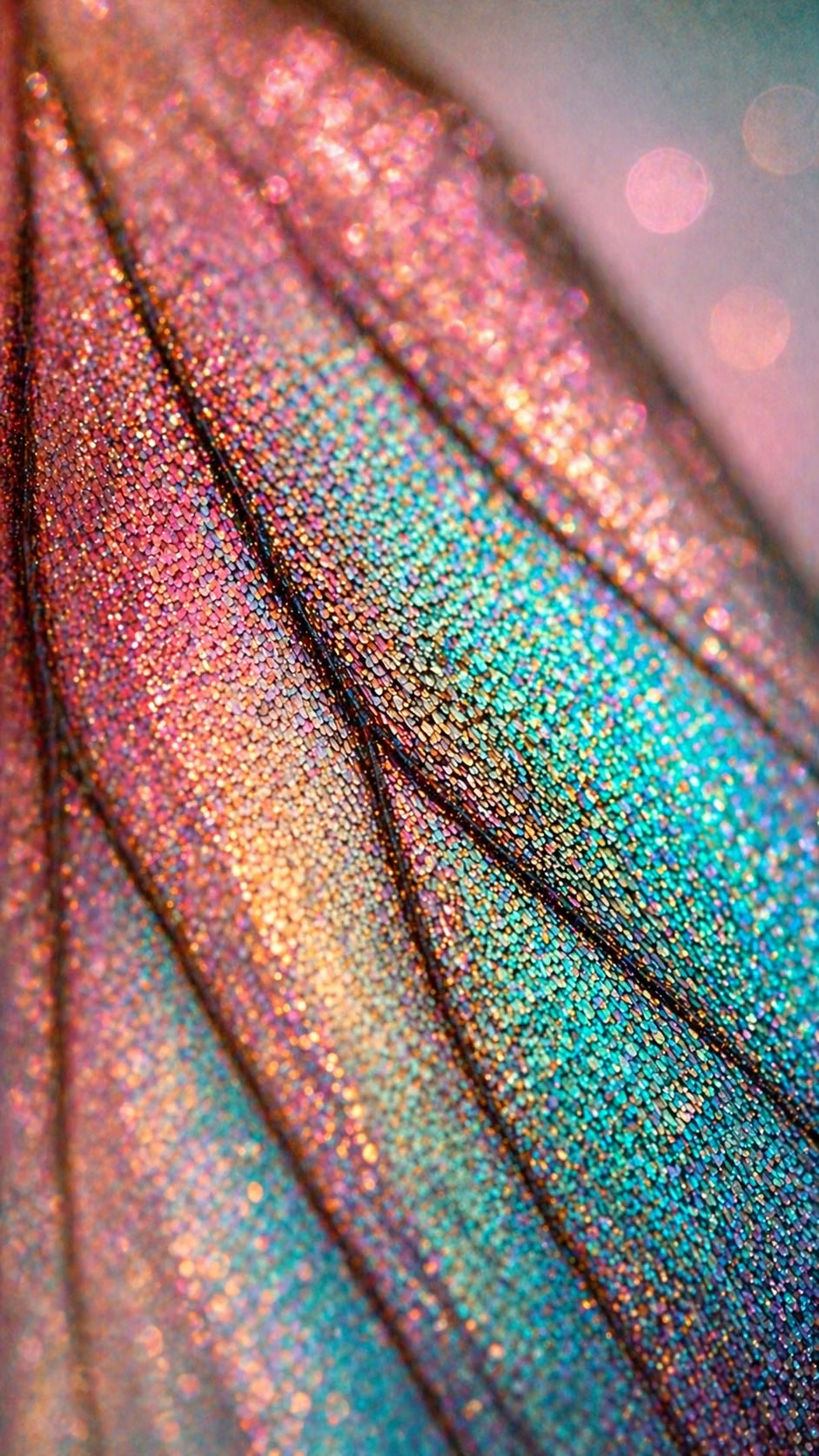
Use acid green, ultraviolet, cyan, hot orange, black, and spectral gradients in luminous combinations that resemble projected club graphics. In a daisyUI theme, use acid green or ultraviolet for `primary`, cyan or hot orange for `secondary`, and step `base-100`, `base-200`, and `base-300` through deep indigo, dark violet, and black.
Imagery direction
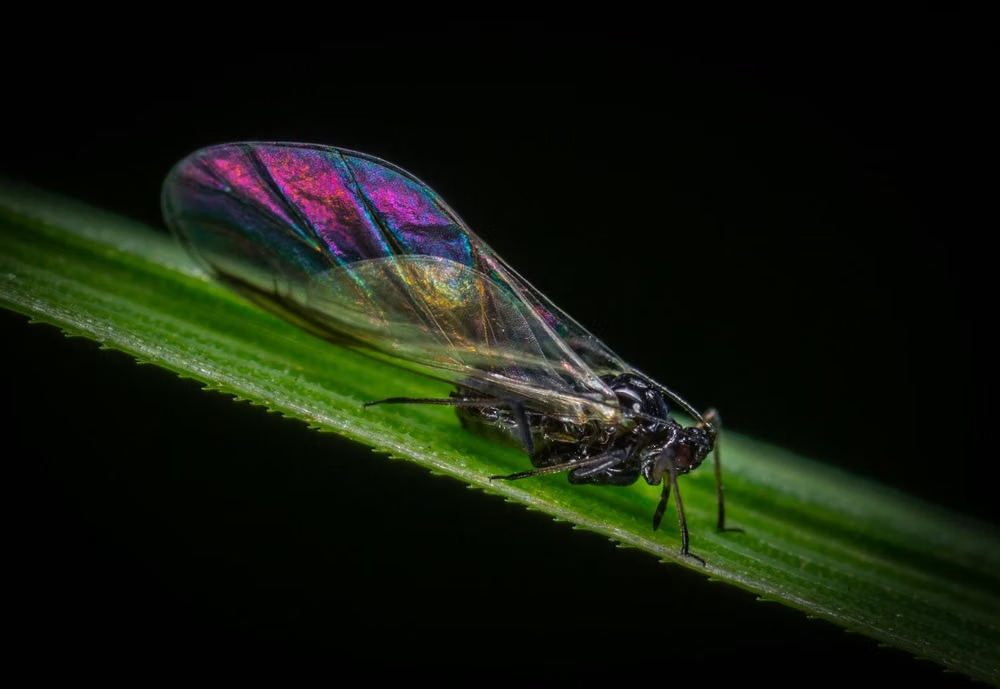
Choose fractals, kaleidoscopes, chrome insects, cybernetic eyes, wireframes, early CGI, rave footage, and psychedelic computer diagrams.
Content density
Use high visual density but low to medium copy, keeping event or product information on stable overlays above the shifting cyber-psychedelic field.
Motion direction
Travel through kaleidoscopic tunnels, iterate fractals, rotate cybernetic forms, and pulse patterns to rhythm without unsafe flashing.
Shape language
Use spirals, fractal branches, cyber grids, liquid rings, early-three-dimensional glyphs, and kaleidoscopic radial symmetry. In daisyUI themes, set the `--radius-*` variables between `1rem` and `2rem`.
Typography rules
Use bulbous or early-3D display lettering for short names, paired with a crisp digital sans or mono that remains readable over moving color.
Suggested Typfaces
Rubik Glitch
Fresh daisies glow in warm sunlight
Fresh daisies glow in warm sunlight
1 2 3 4 5 6 7 8 9 0
Monoton
Fresh daisies glow in warm sunlight
Fresh daisies glow in warm sunlight
1 2 3 4 5 6 7 8 9 0
Modak
Fresh daisies glow in warm sunlight
Fresh daisies glow in warm sunlight
1 2 3 4 5 6 7 8 9 0
Syne
Fresh daisies glow in warm sunlight
Fresh daisies glow in warm sunlight
1 2 3 4 5 6 7 8 9 0
Unbounded
Fresh daisies glow in warm sunlight
Fresh daisies glow in warm sunlight
1 2 3 4 5 6 7 8 9 0
Build a Cyberdelia interface with daisyUI
The live example translates this direction into daisyUI components and semantic theme tokens.
To generate a full page in the same visual language, give the style name and the design rules above to Blueprint MCP.
Related UI design styles
Compare nearby visual languages that share typography, shapes, use cases, or signature elements.
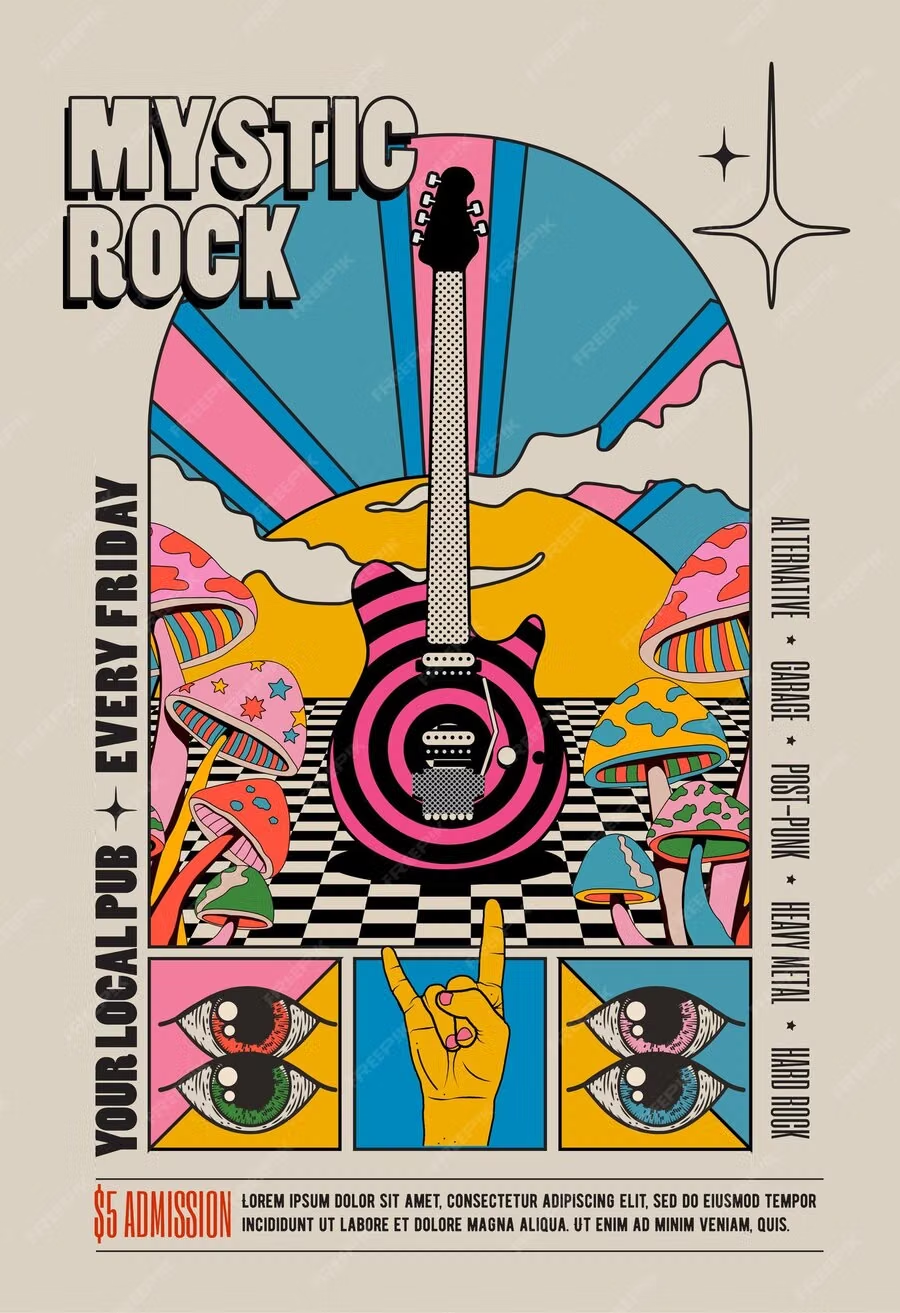
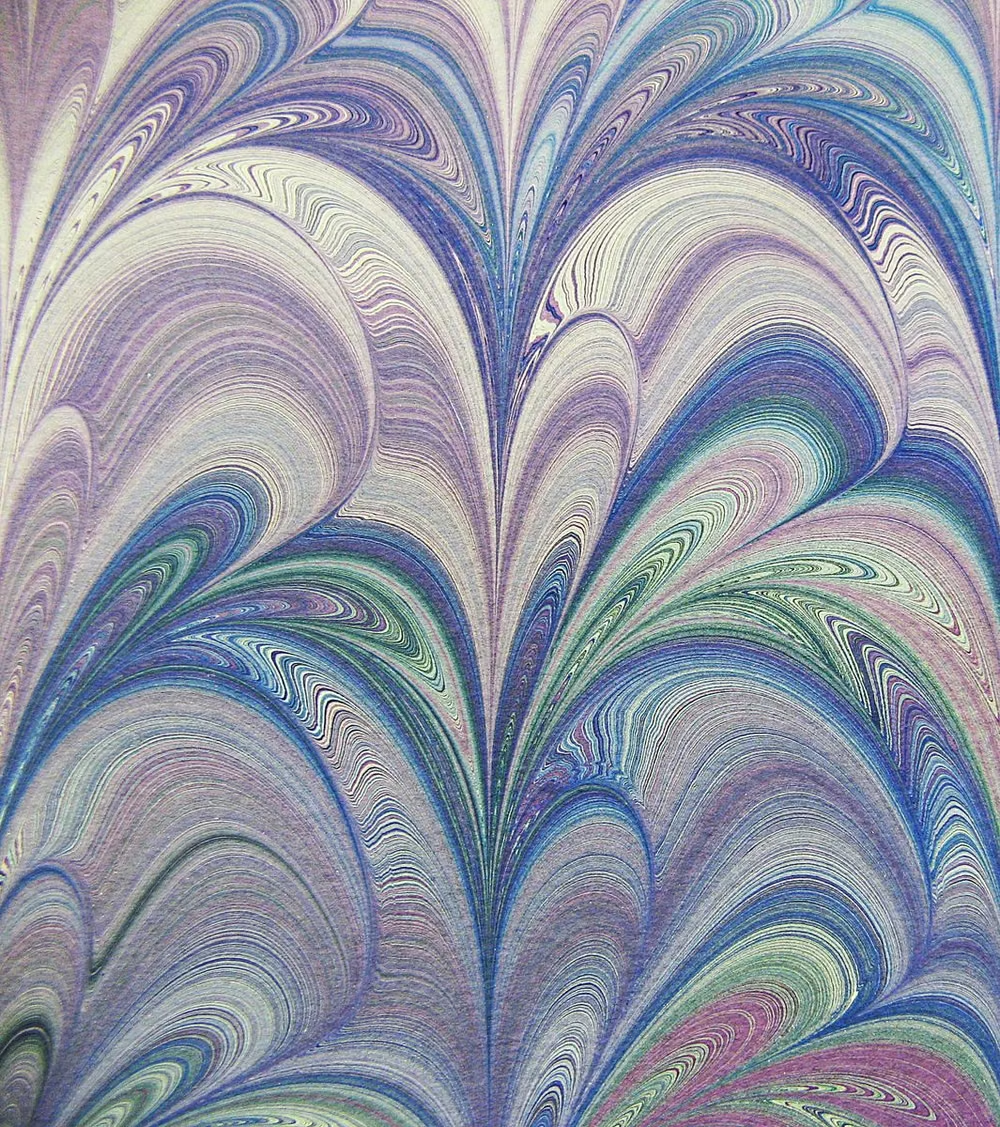
Psychedelic Design UI design style
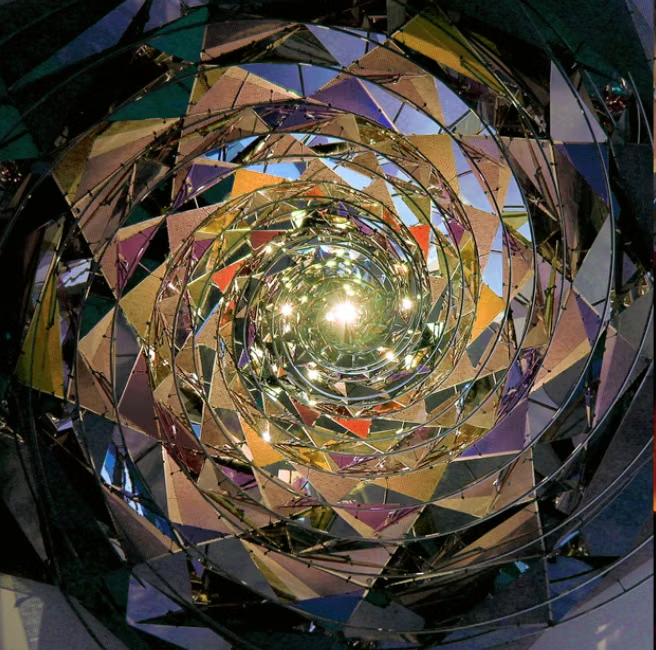
Surreal imagery, distorted lettering, intense colors, fluid patterns, and dreamlike compositions.
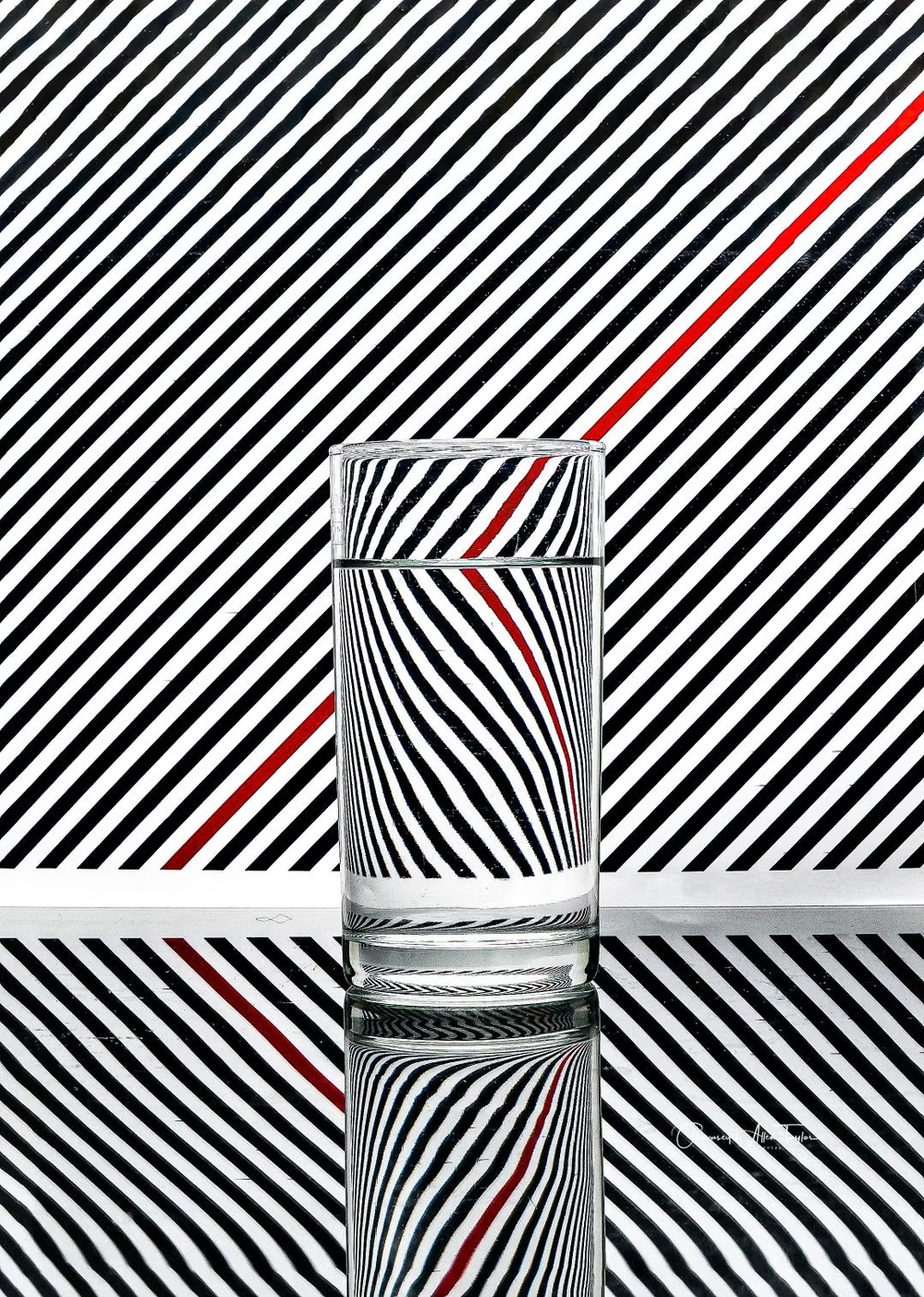
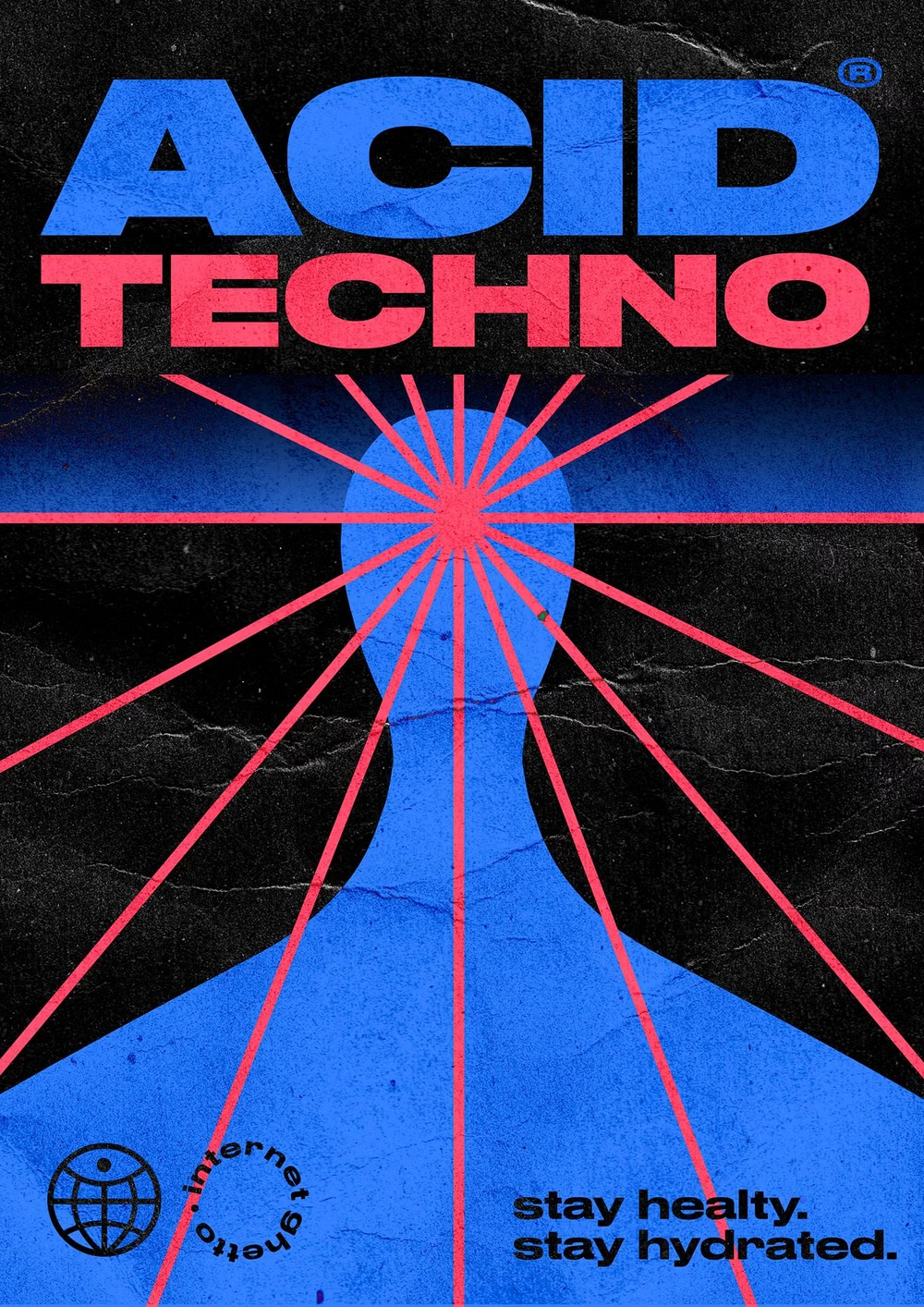
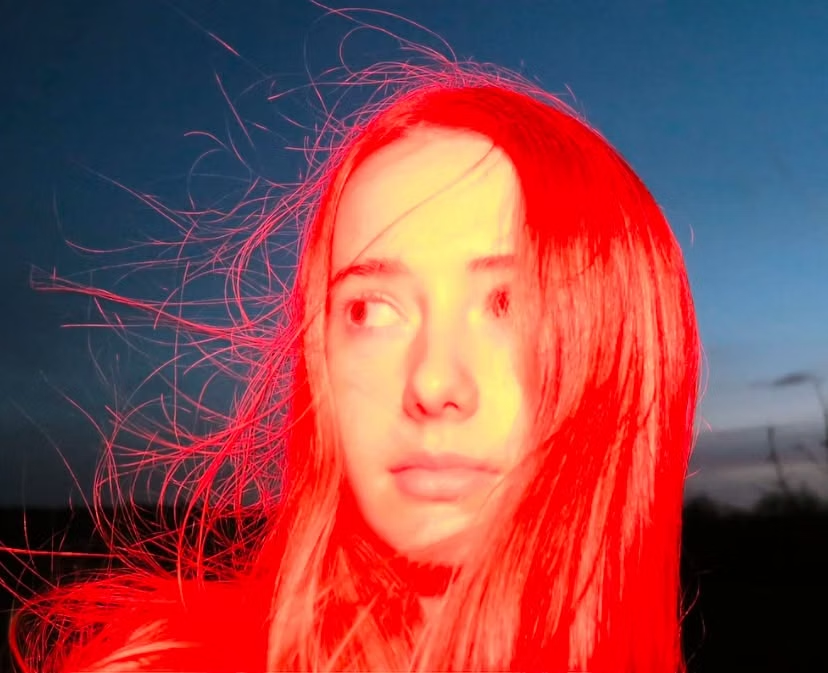
Acid Graphics UI design style
Fluorescent colors, warped typography, chrome details, distortion, dense layering, and underground rave energy.
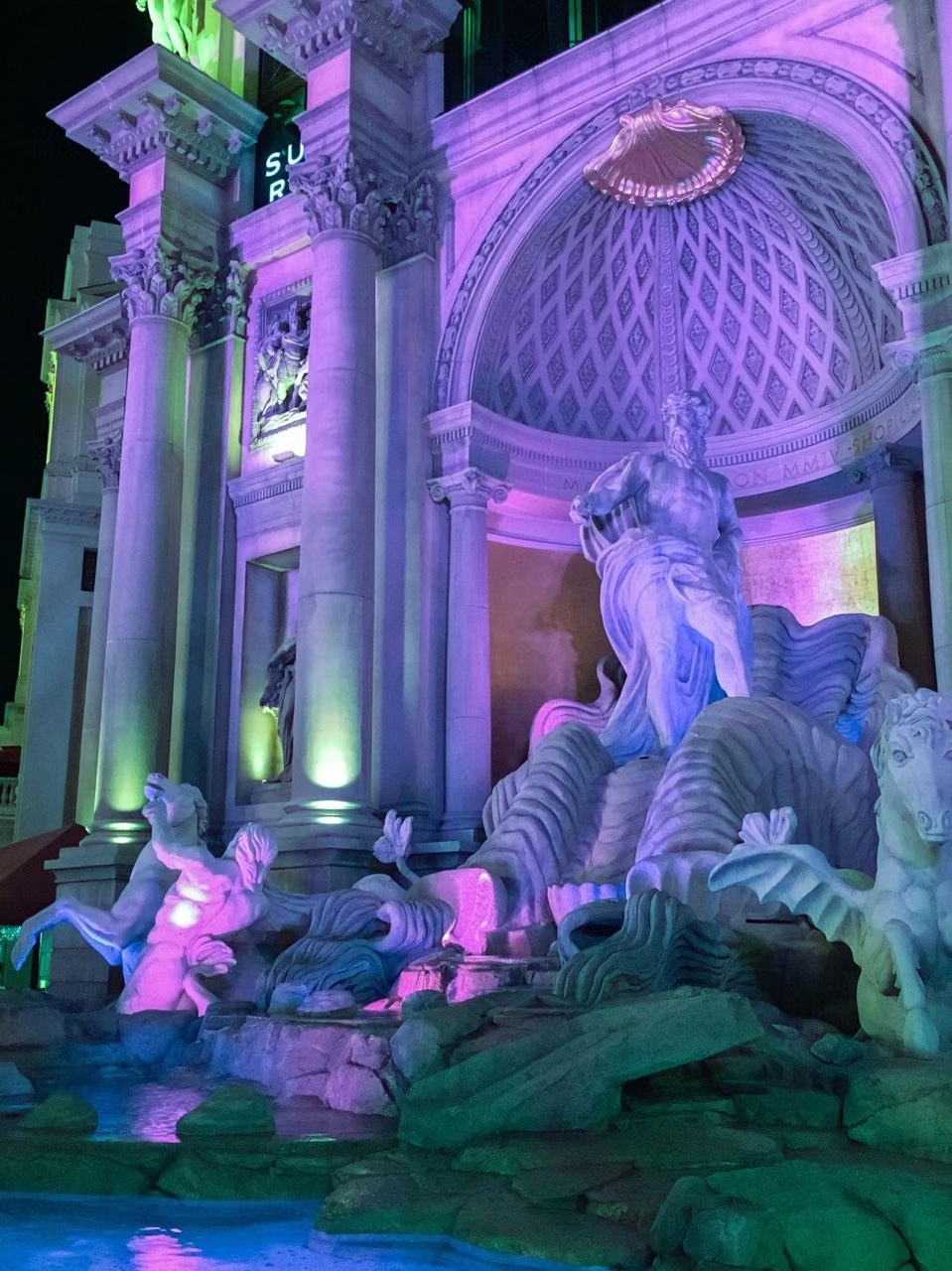
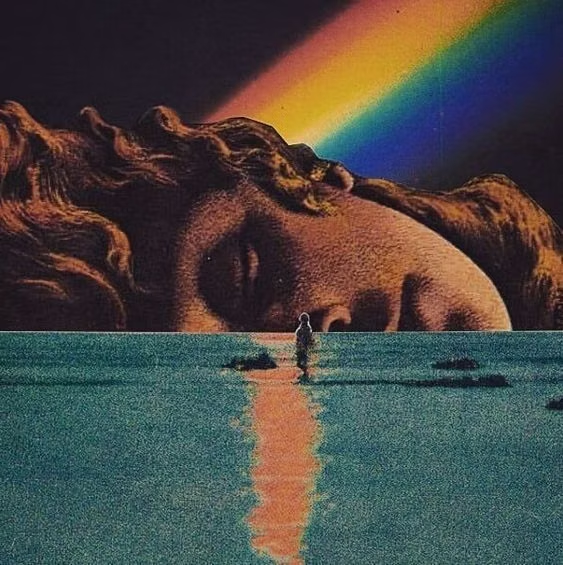
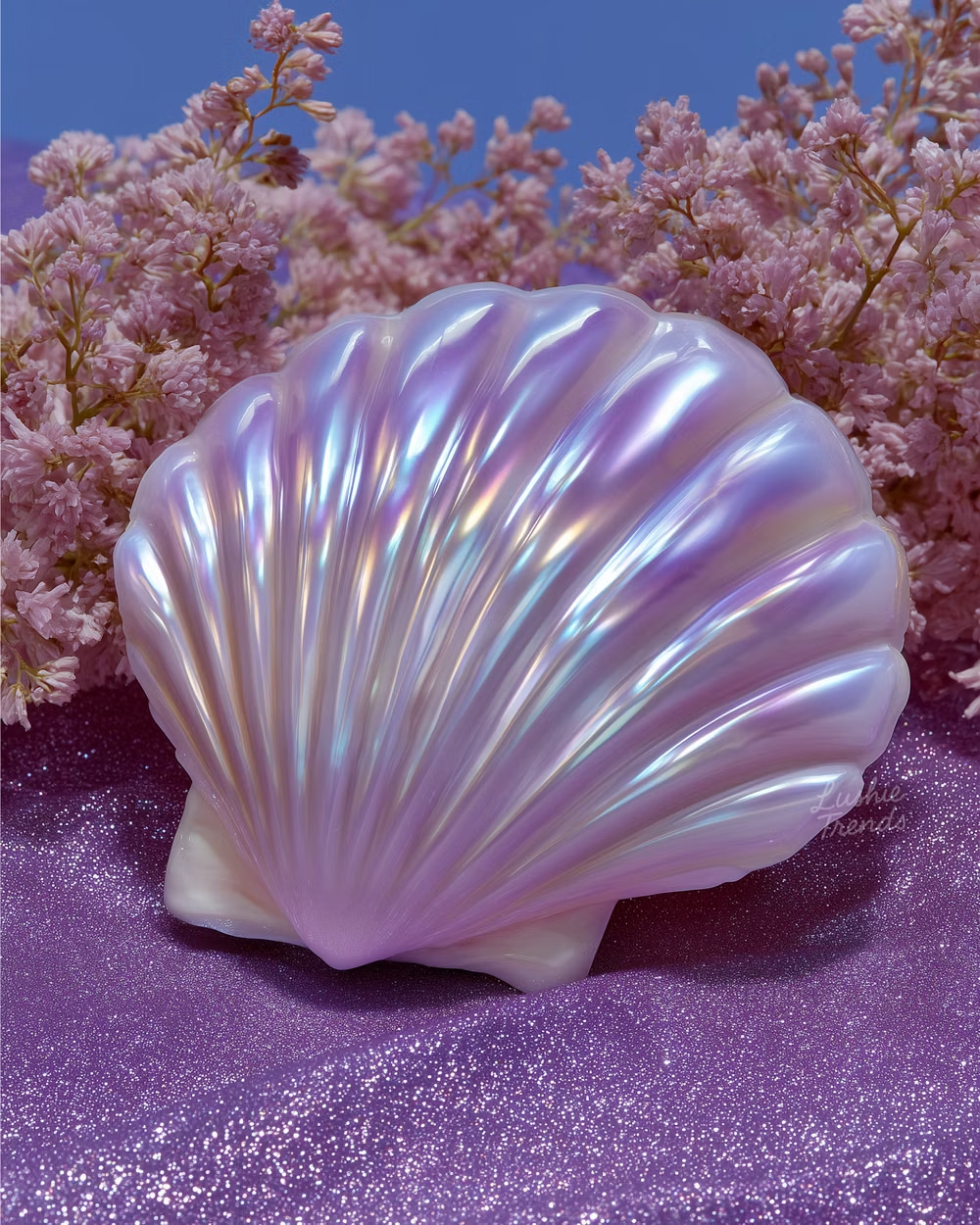
Seapunk UI design style
Turquoise water, dolphins, shells, early CGI, chrome, tropical graphics, and playful aquatic internet surrealism.