Afrofuturism UI design style
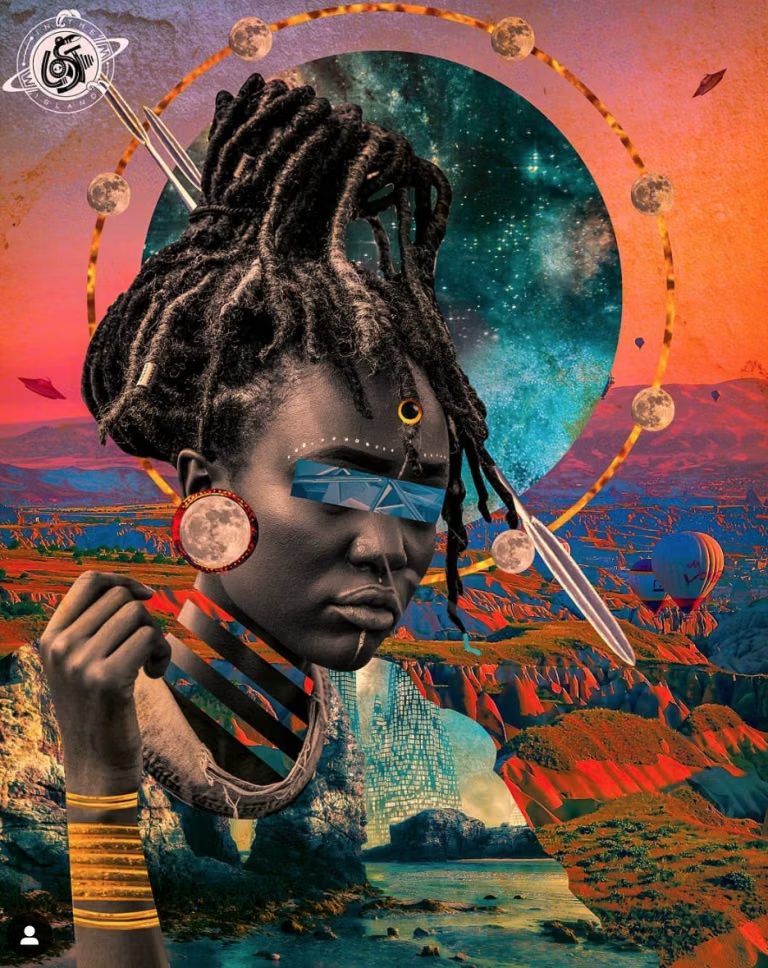
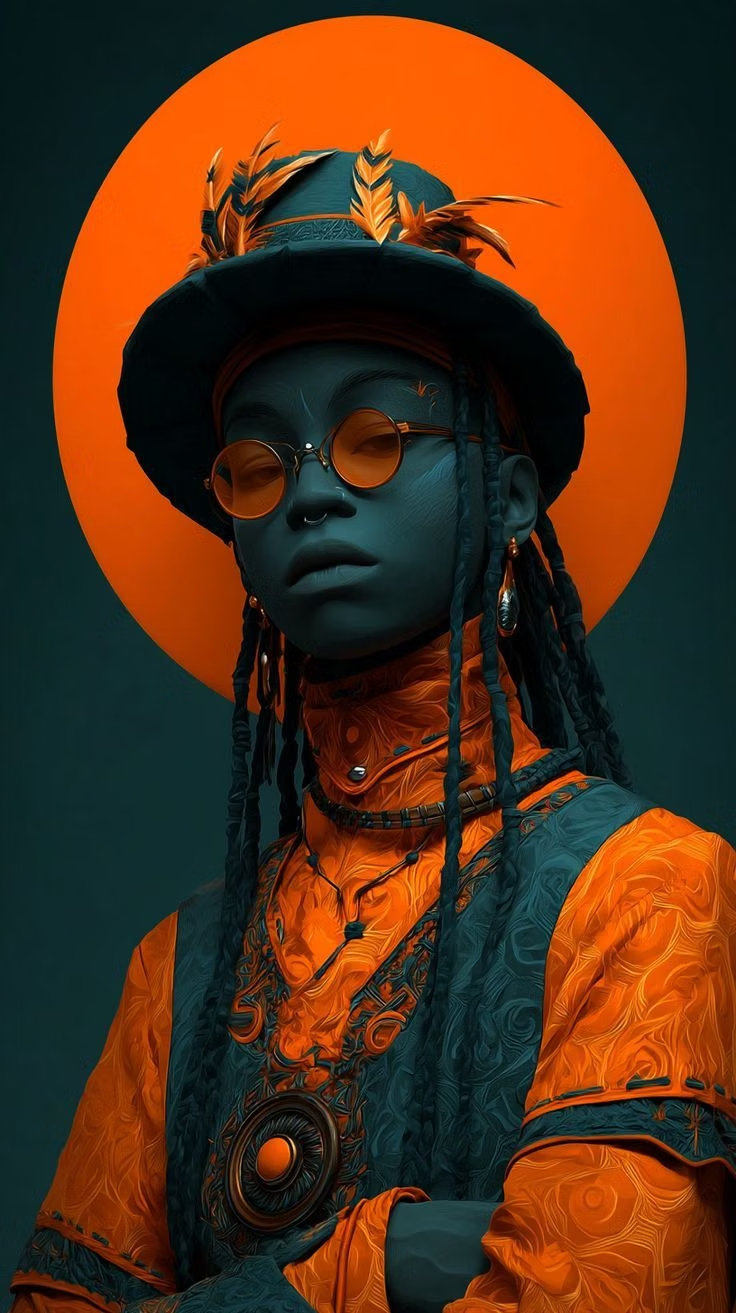
African and diasporic cultural references combine with speculative technology, cosmic imagery, bold pattern, and future-facing storytelling.
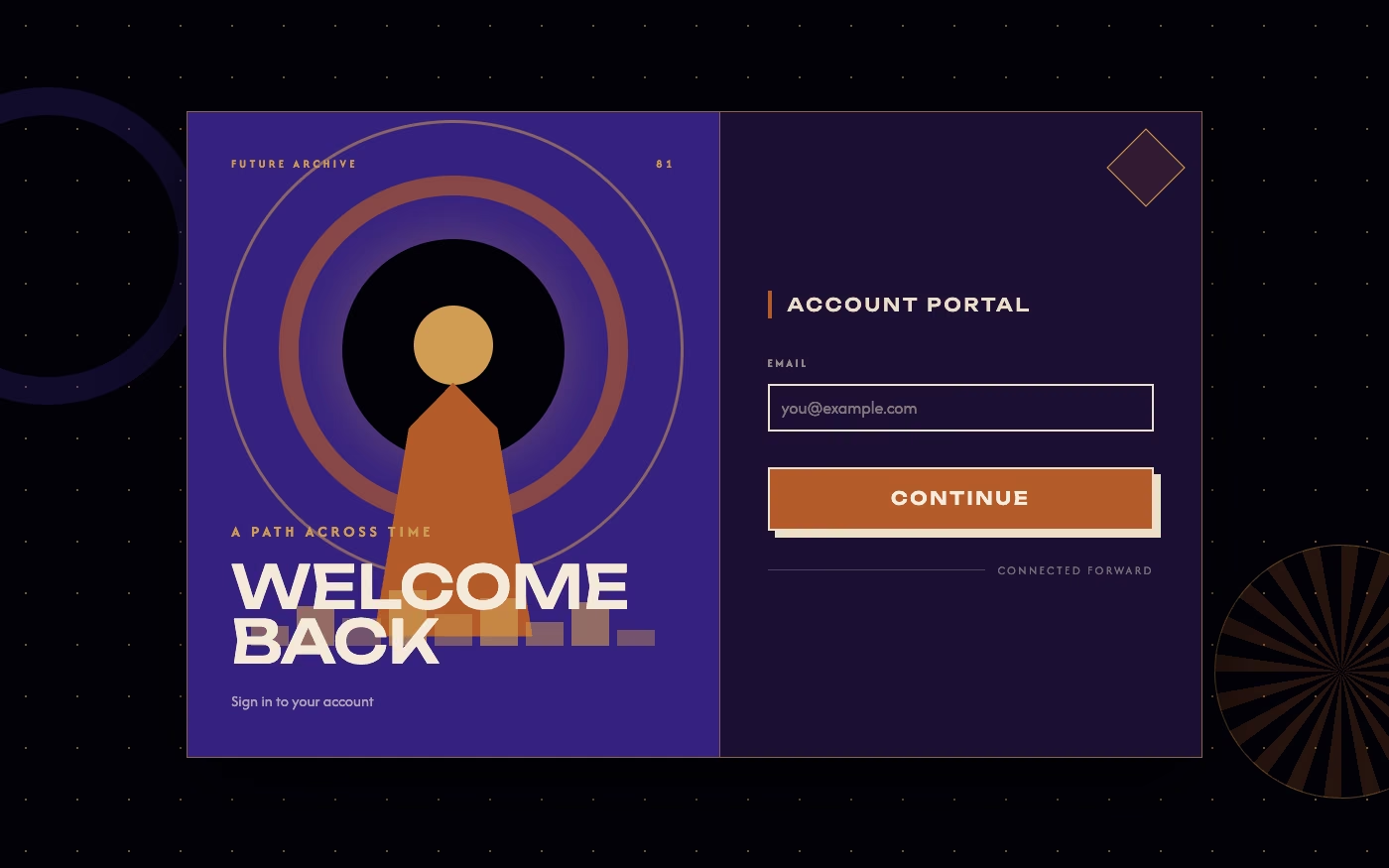
Design overview
- Signature elements
- cosmic imagery, diasporic pattern, metallic accents, bold geometry, speculative technology, ancestral symbolism
- Best suited to
- Culture, music, fashion, education, entertainment, and visionary technology campaigns.
- Layout principles
- Build monumental radial or processional compositions, combining strong central figures with layered pattern fields, cosmic space, and clear narrative progression.
History and origins
A fact-checked account of where this visual language came from, with links to the references used.
- Period
- Long artistic lineage; term coined in 1993
- Origin
- African diasporic literature, music, visual art, scholarship, and technology culture
Cultural critic Mark Dery coined “Afrofuturism” in 1993, but the work it names is much older. Writers and thinkers including W. E. B. Du Bois, musicians such as Sun Ra, and many later artists used speculative futures, technology, African histories, and diasporic experience to examine liberation and identity; the field cannot be reduced to a decorative sci-fi motif set.
Moodboard and visual references
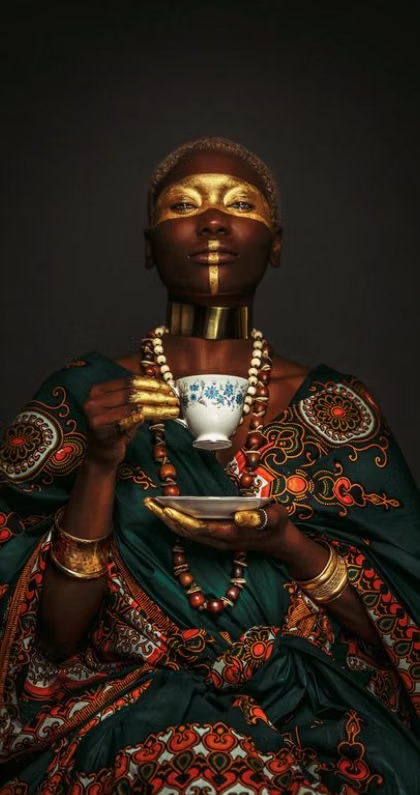
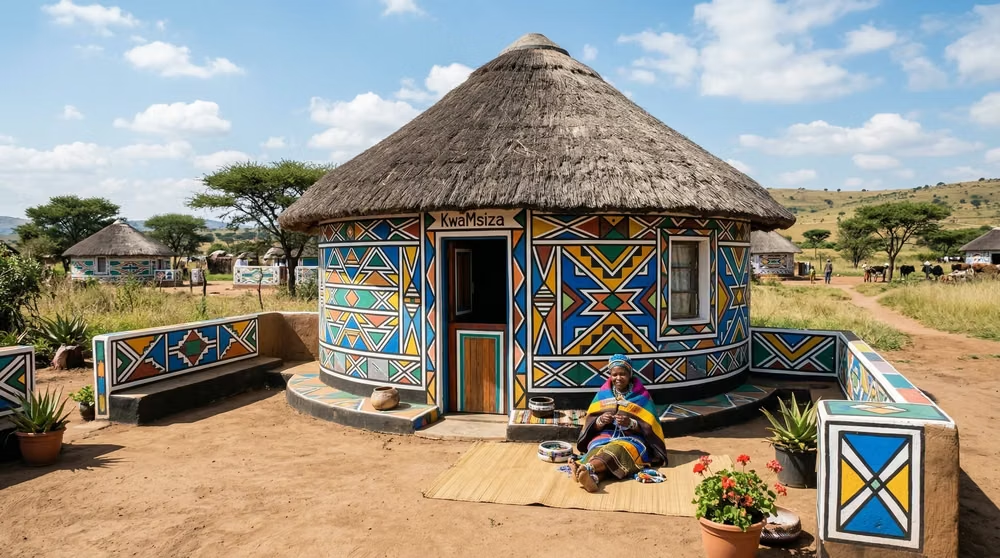
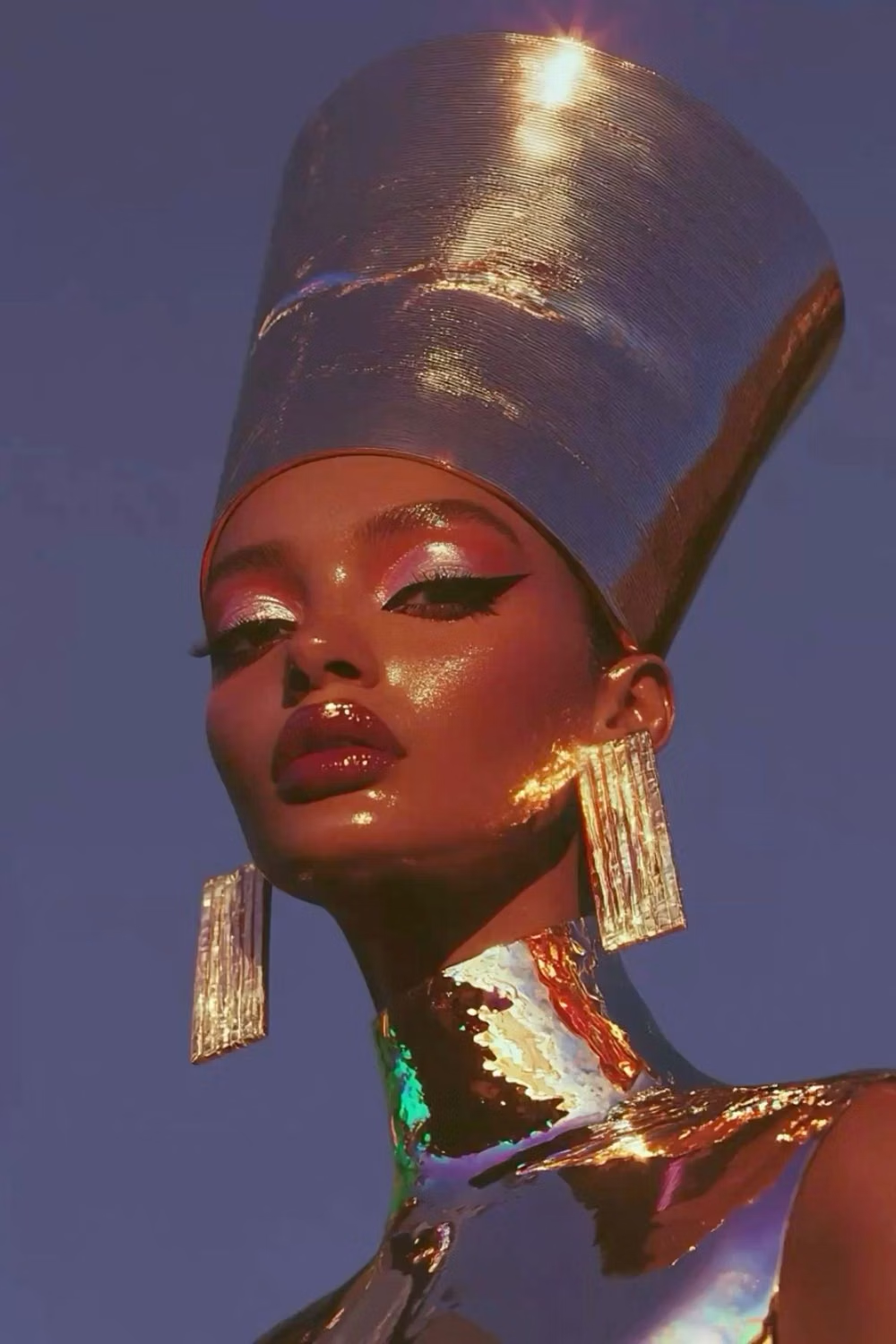
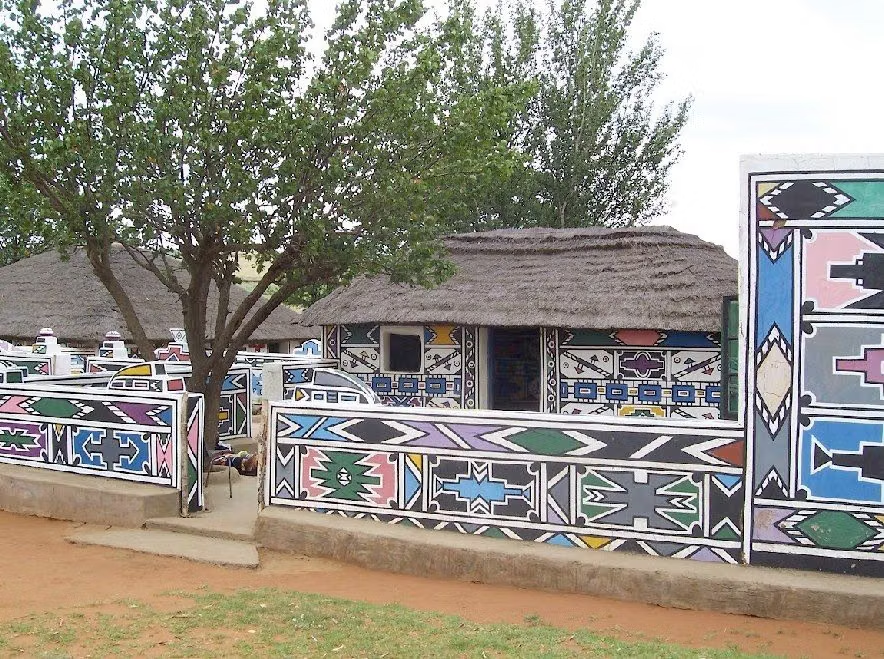
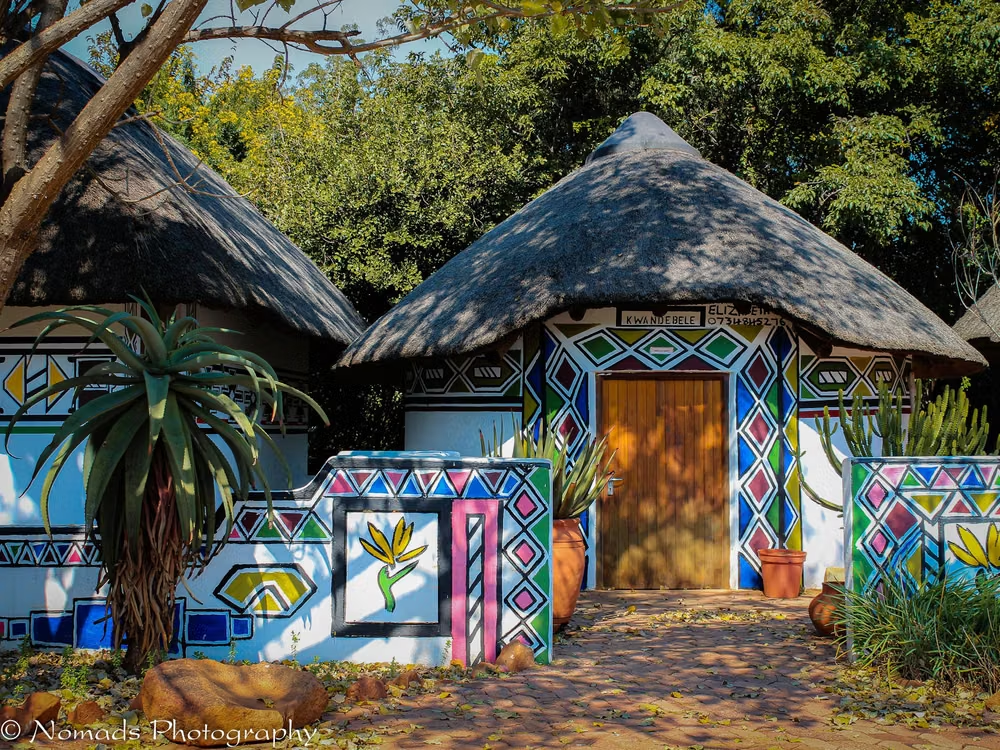
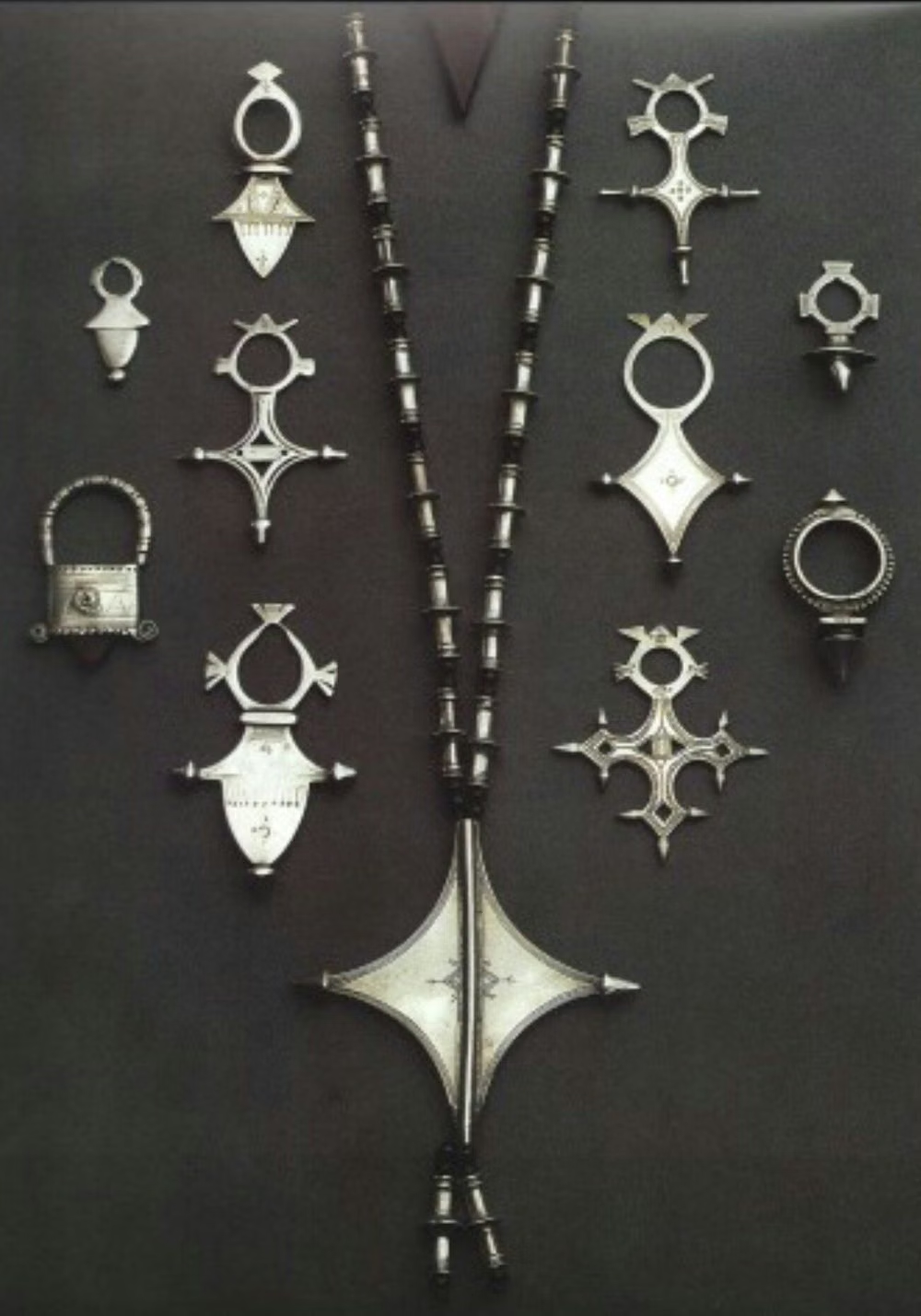
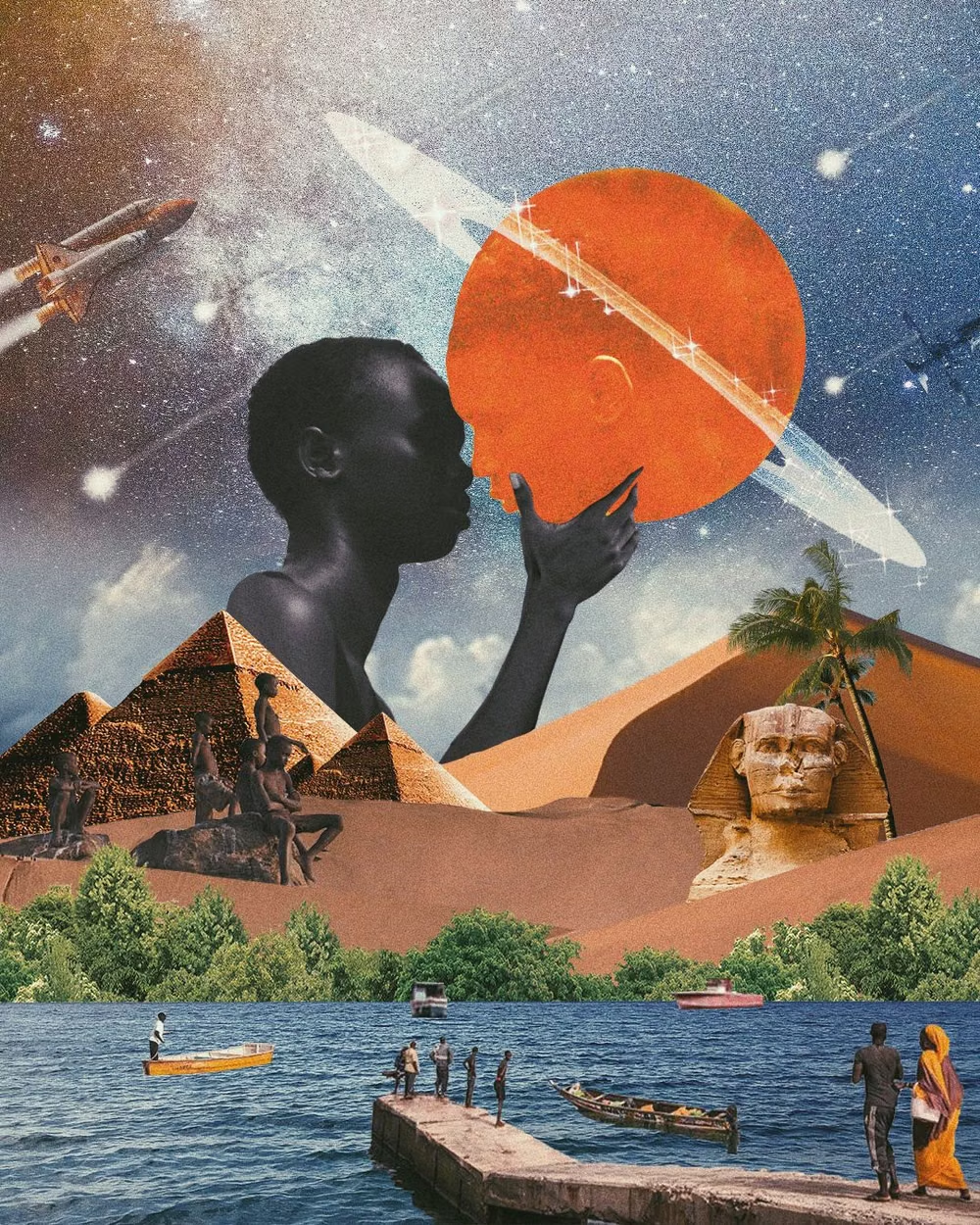
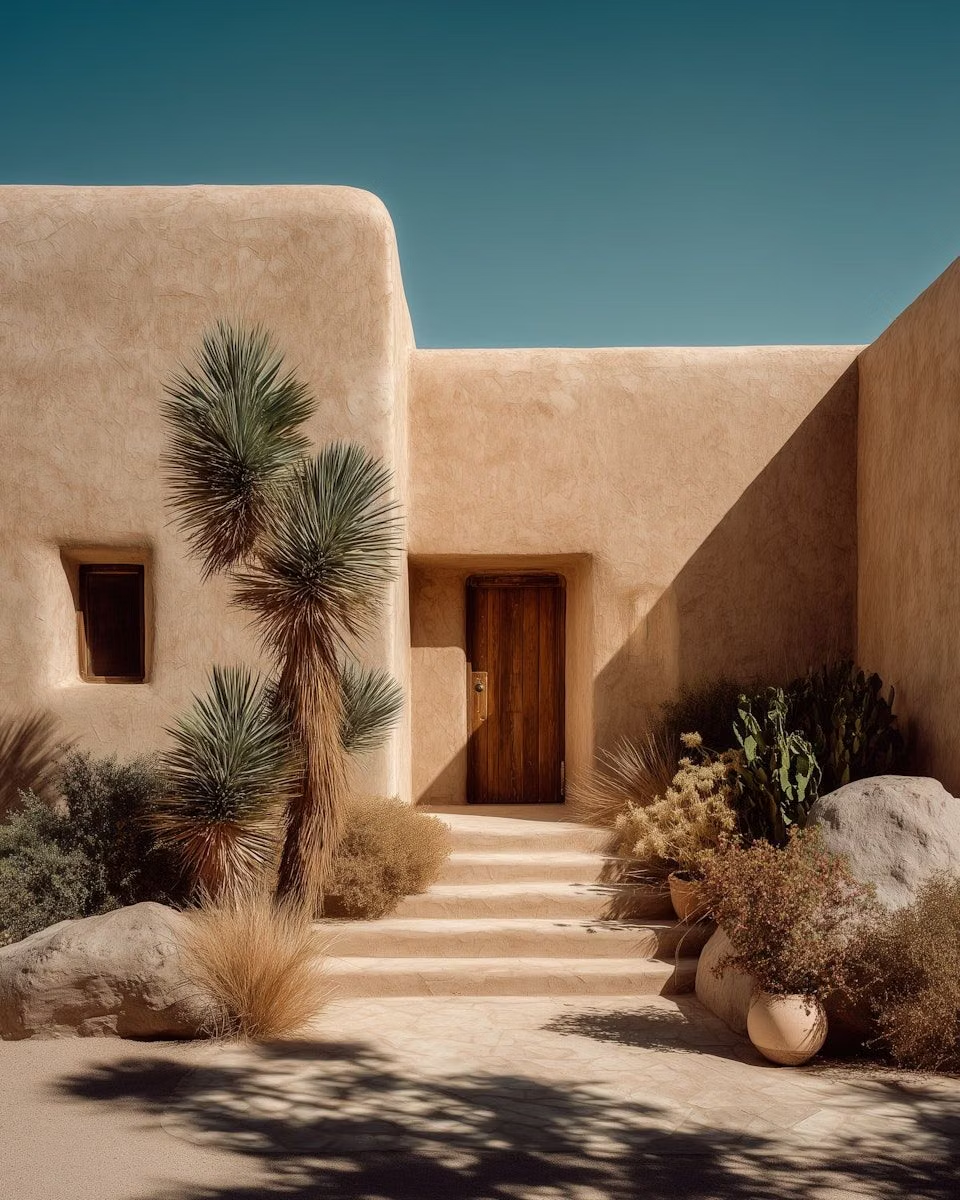
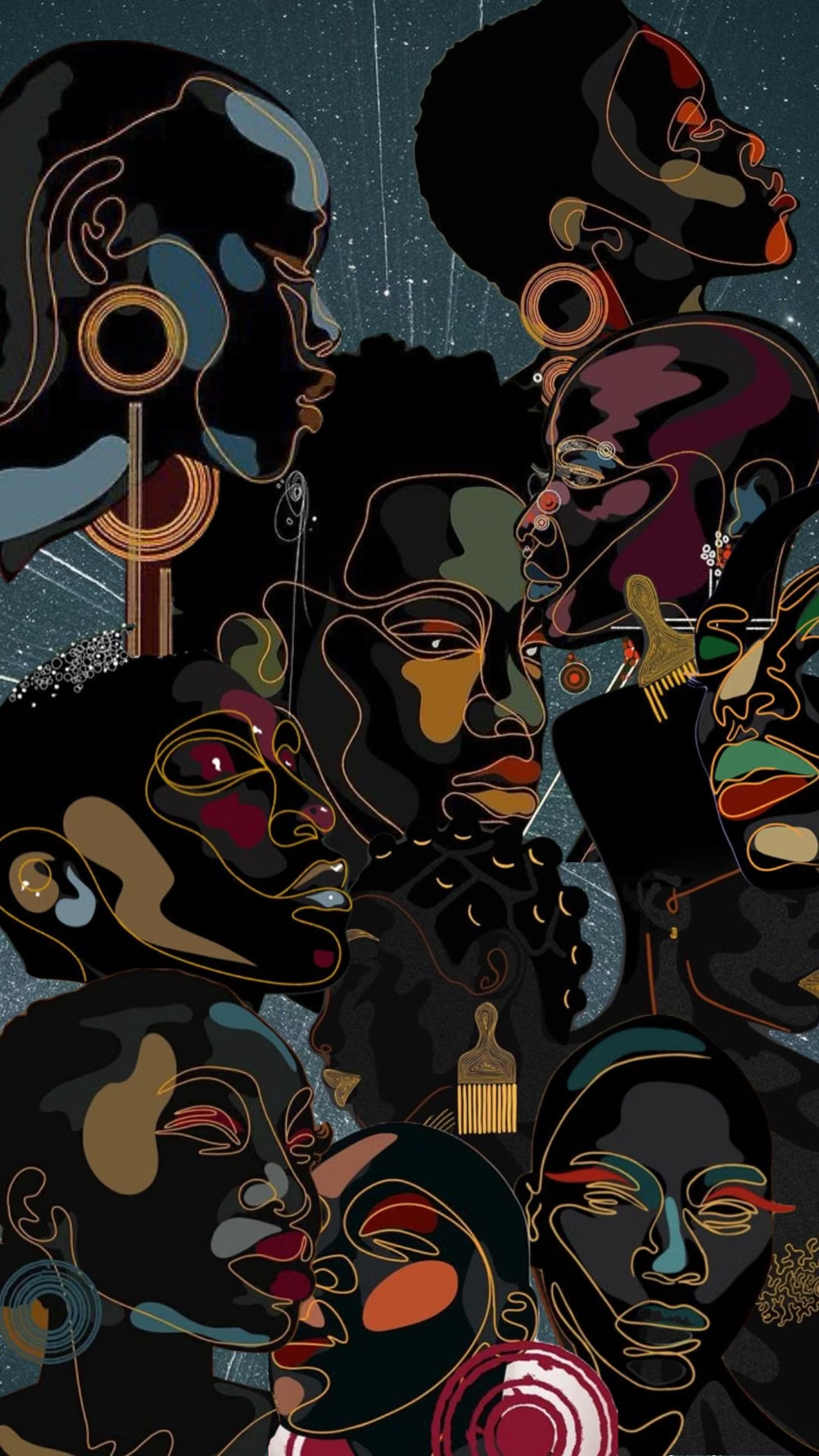
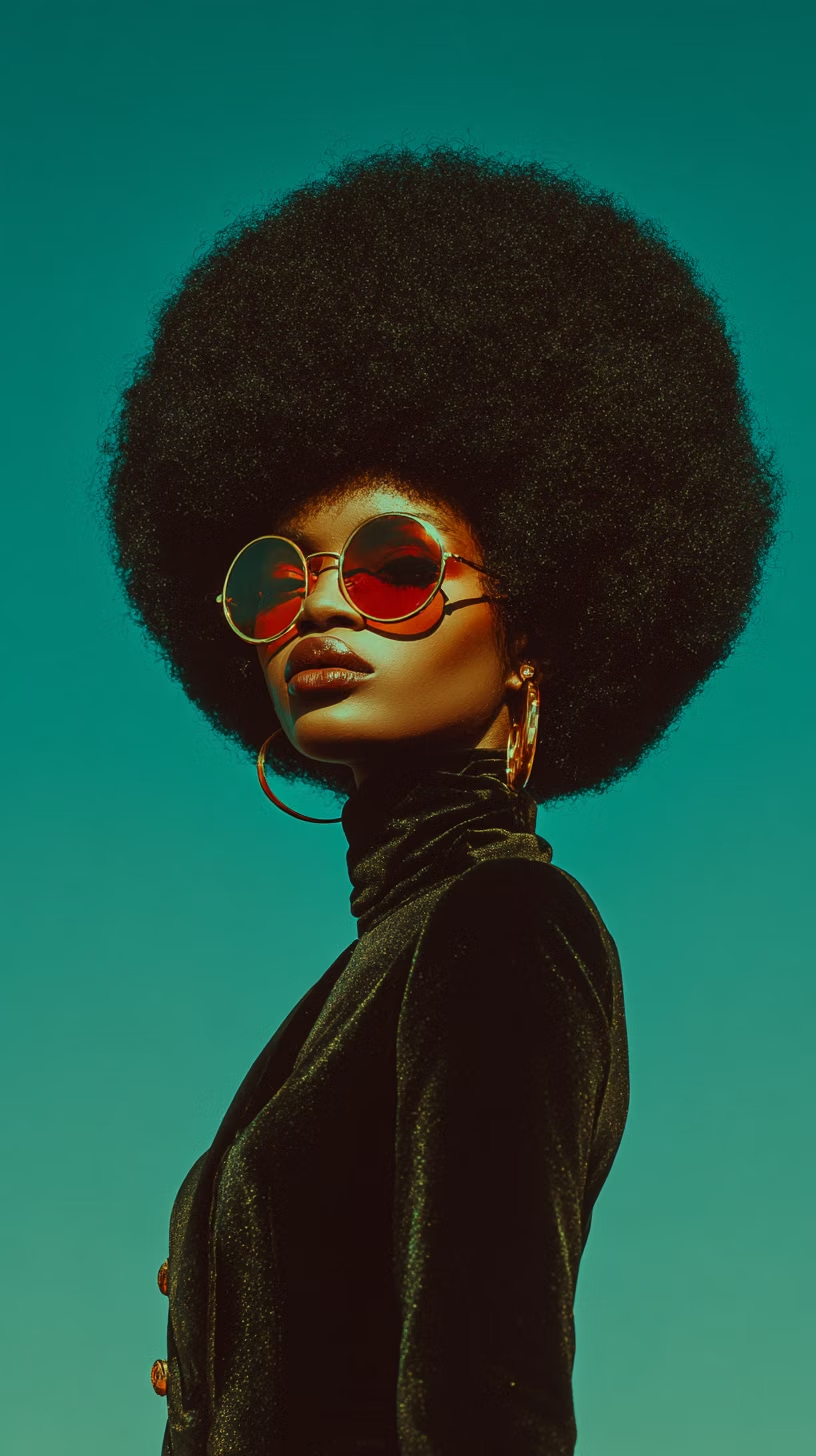
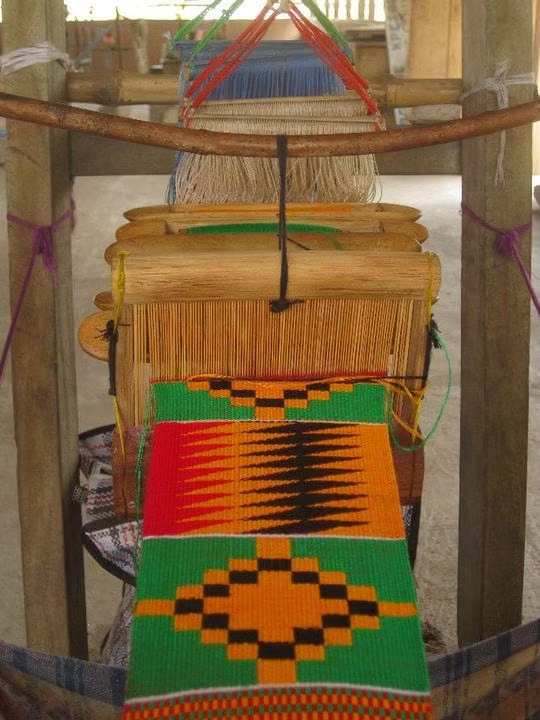
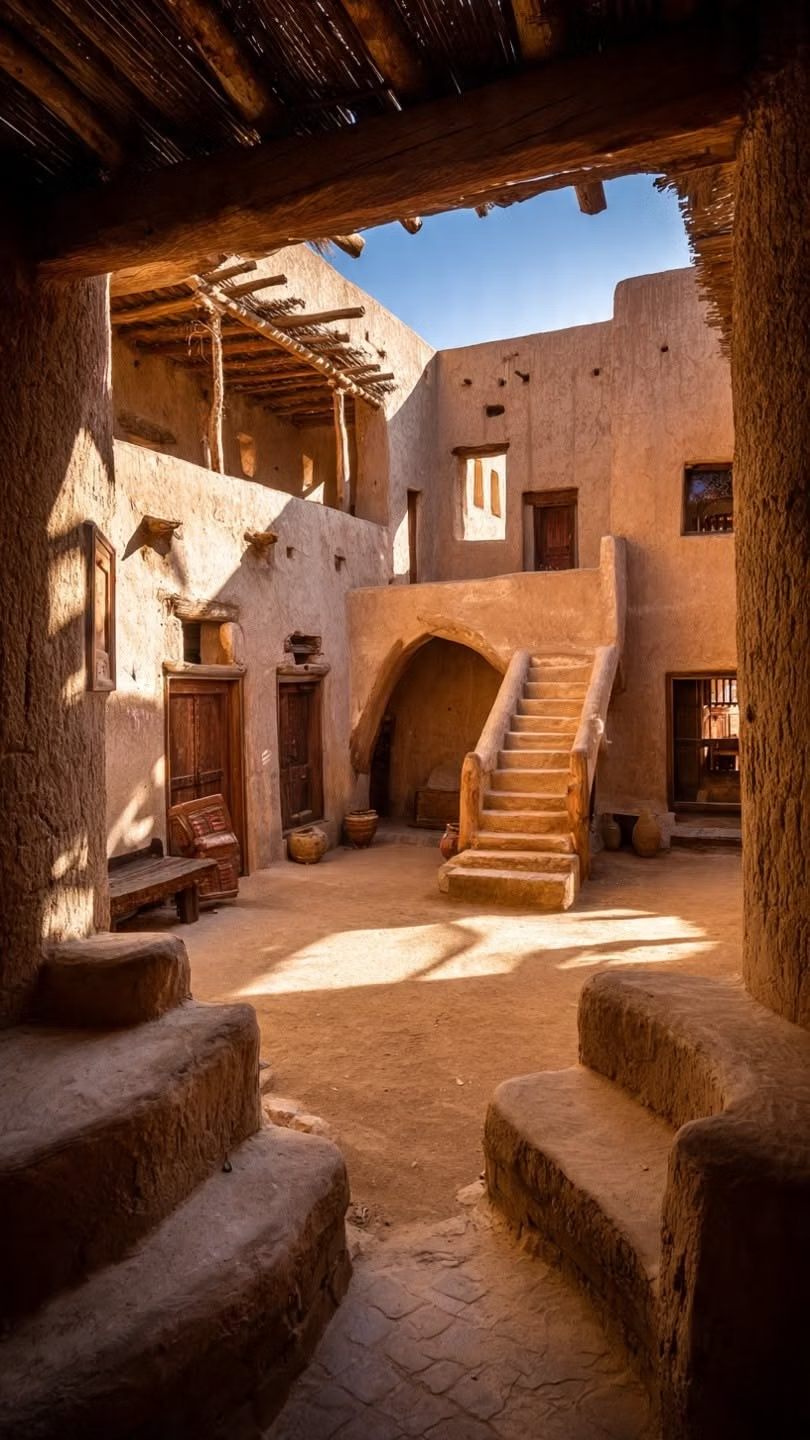
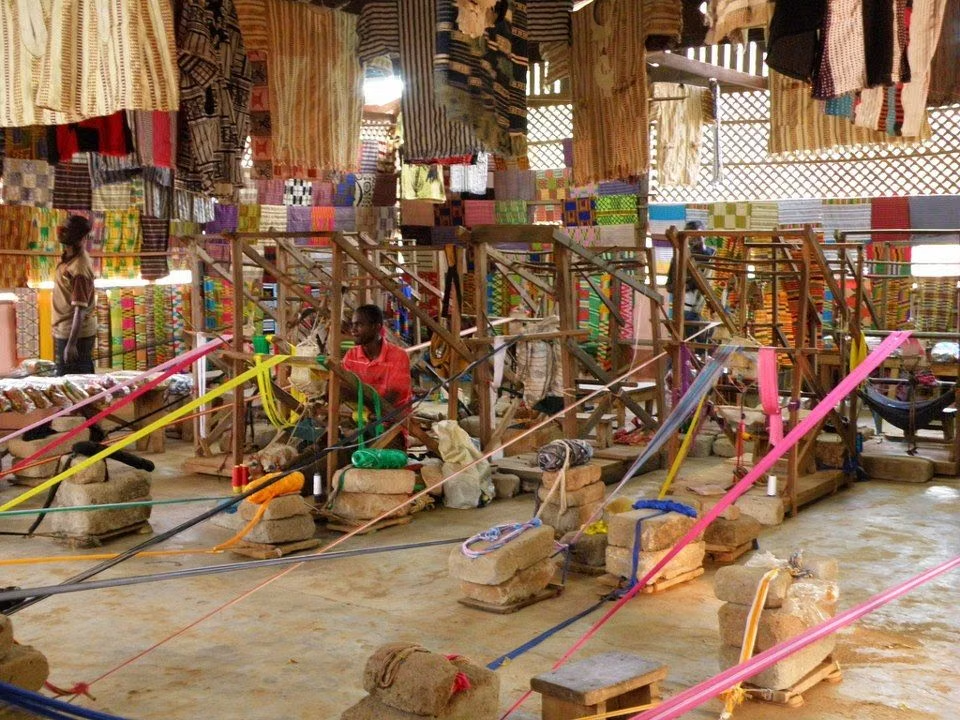
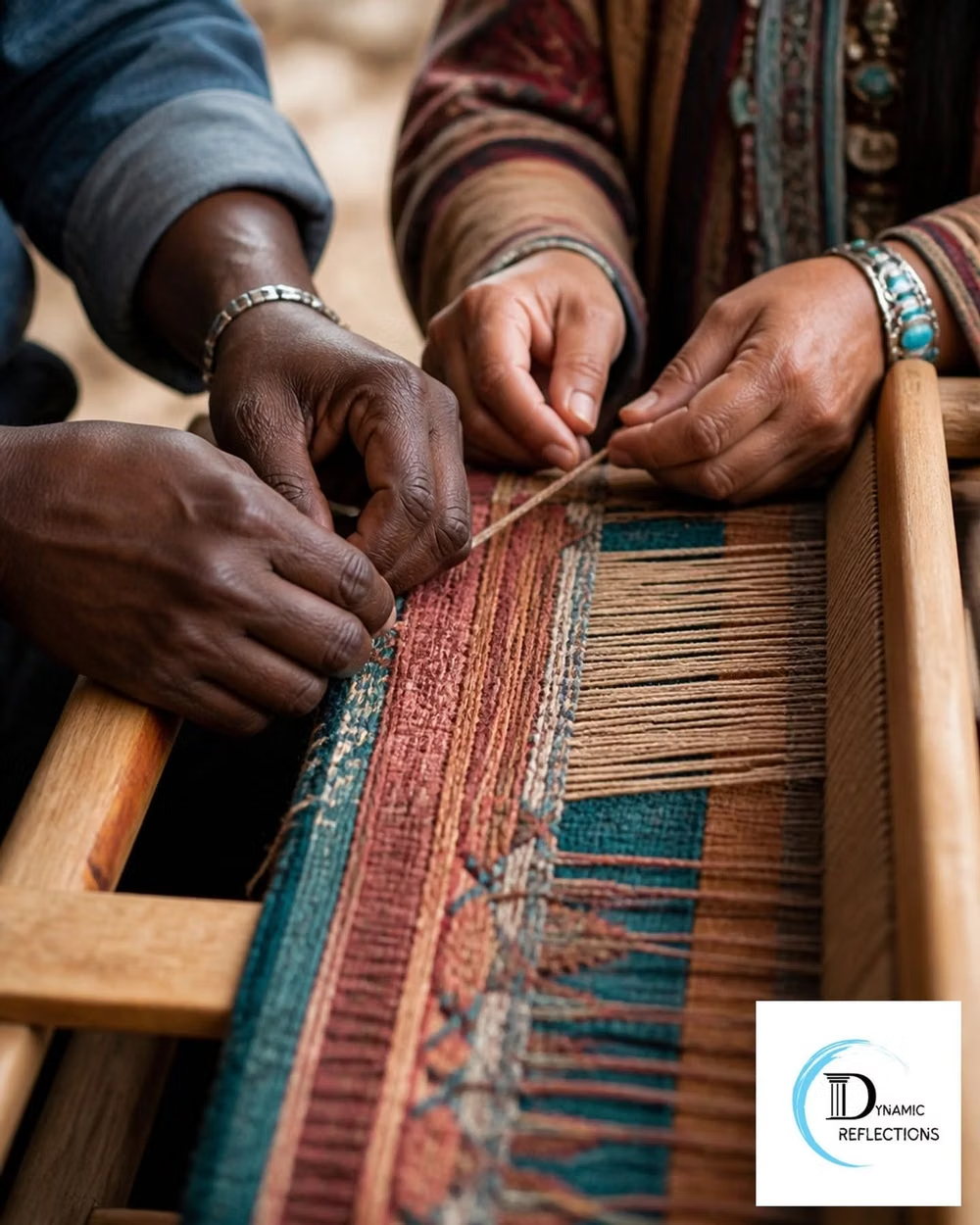
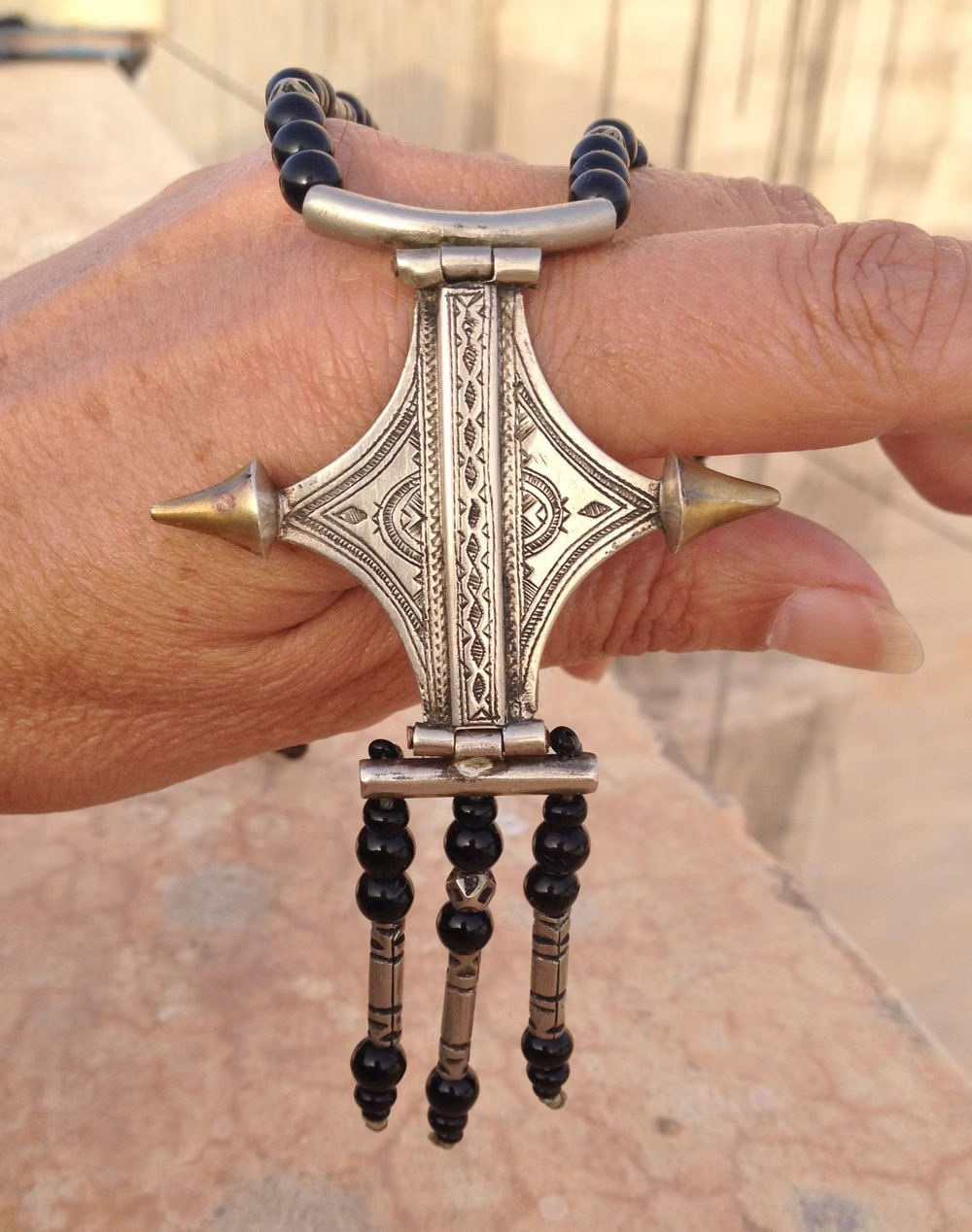
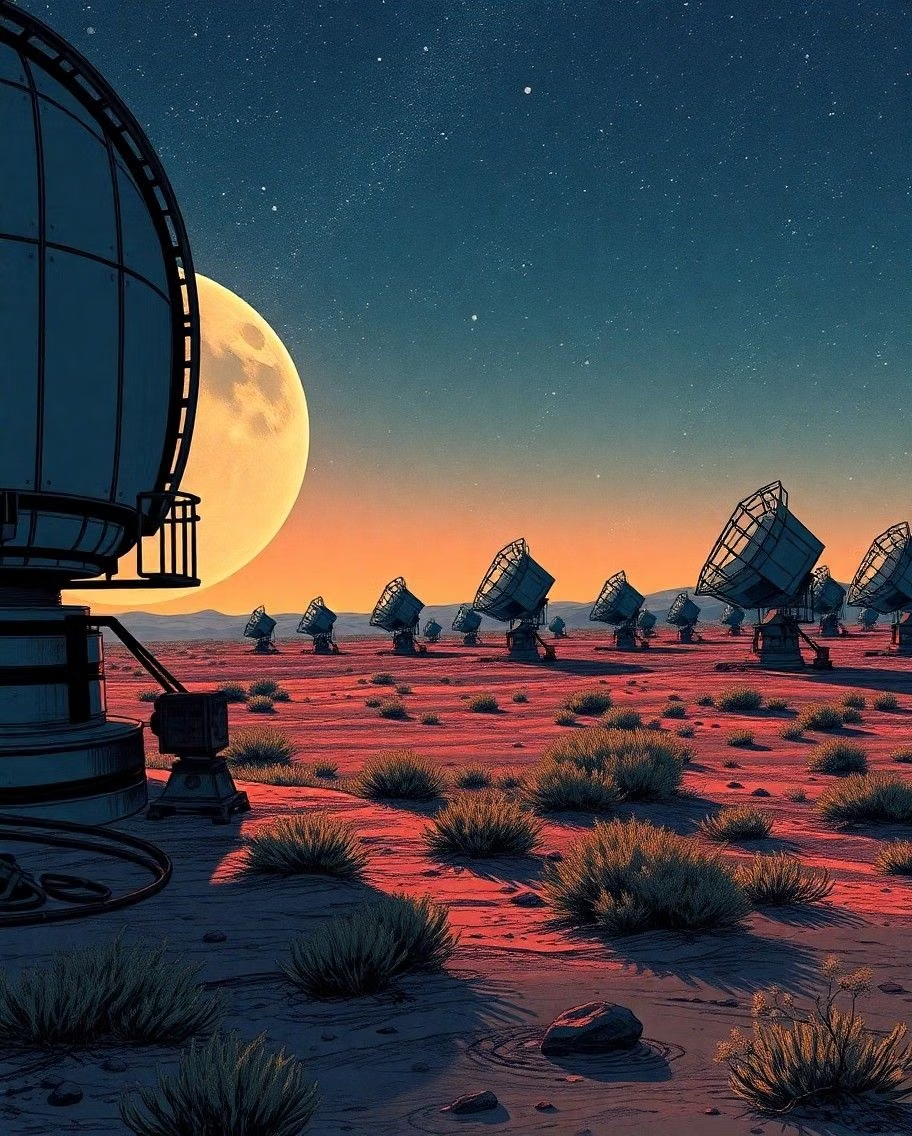
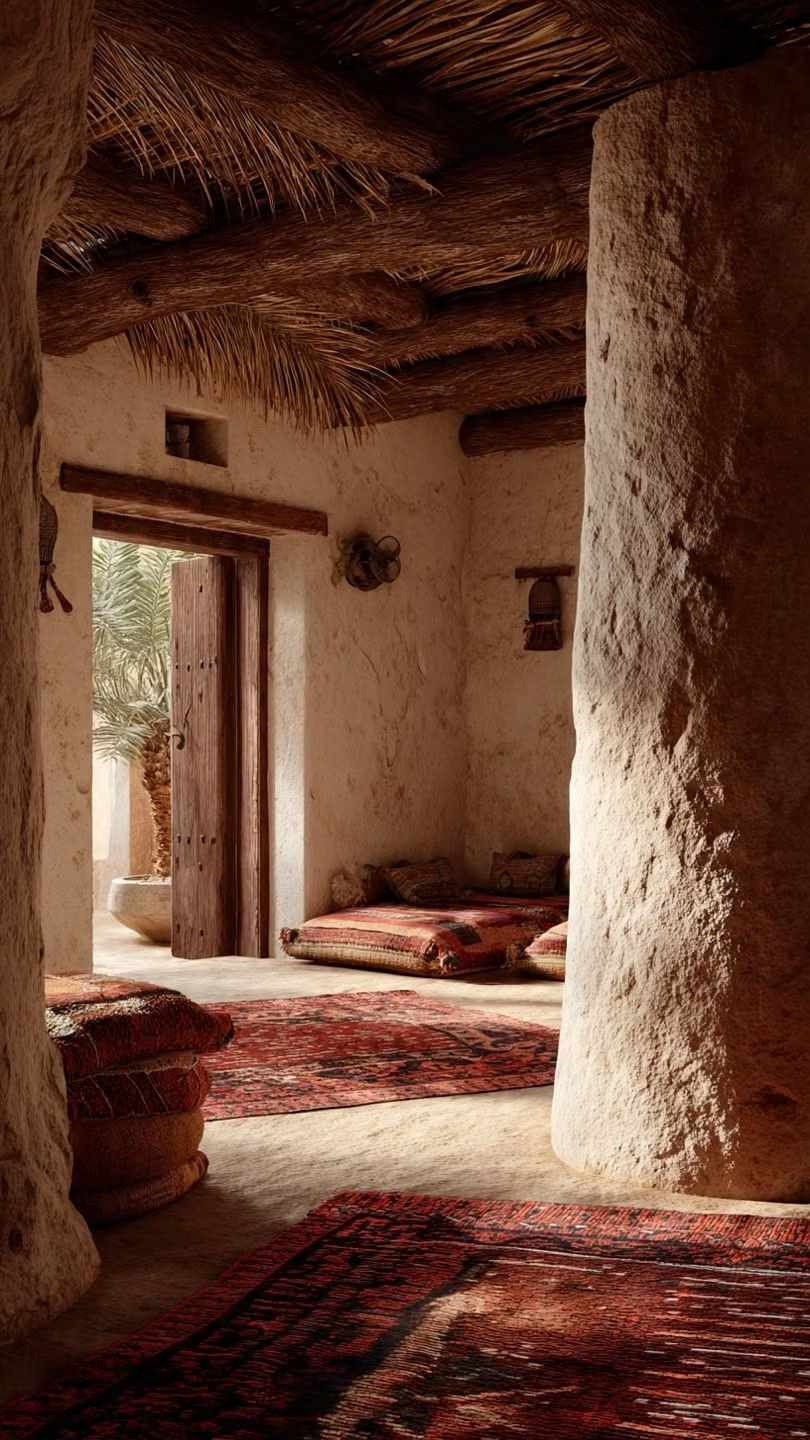
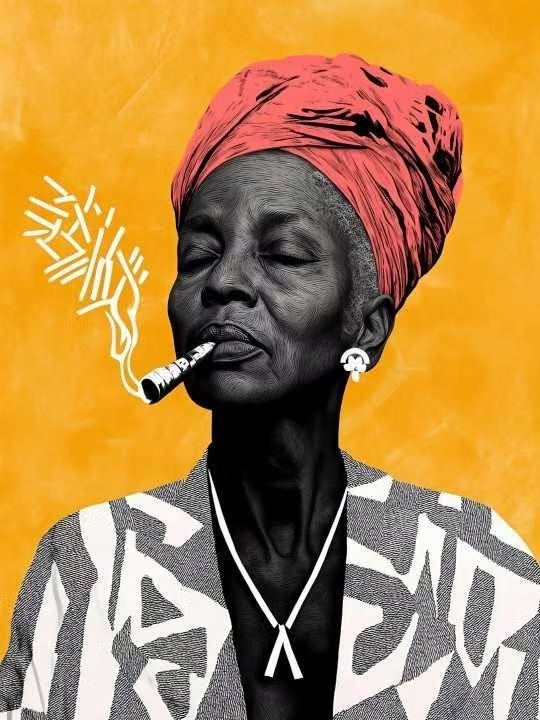
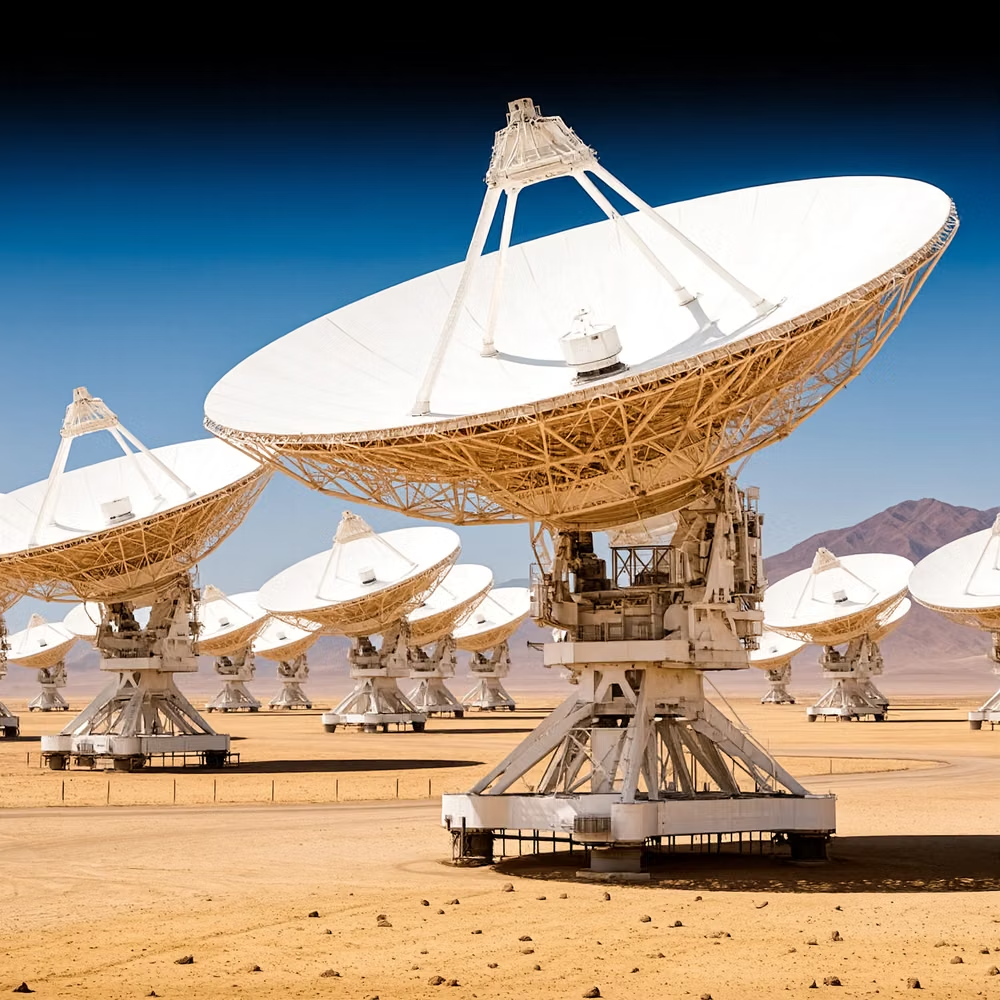
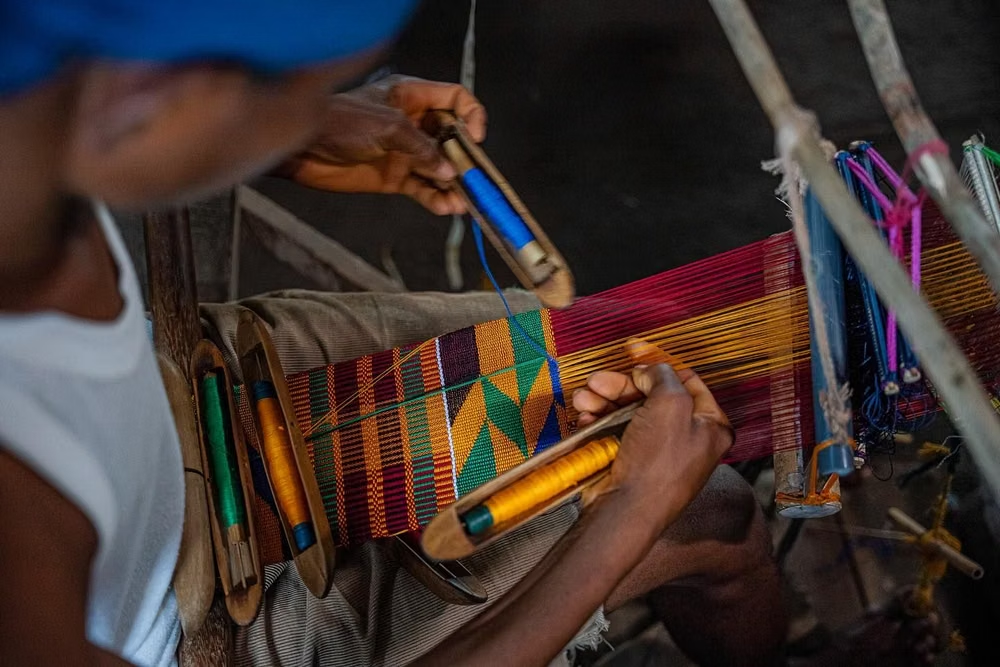
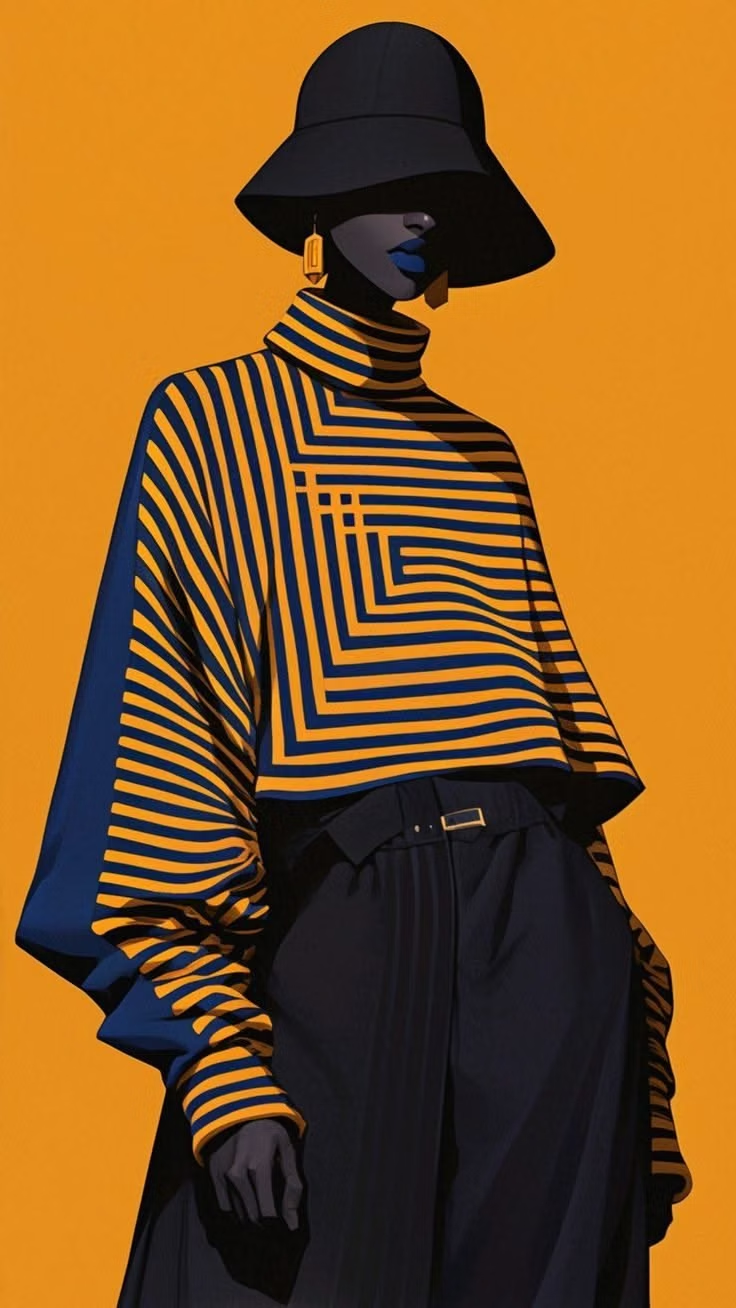
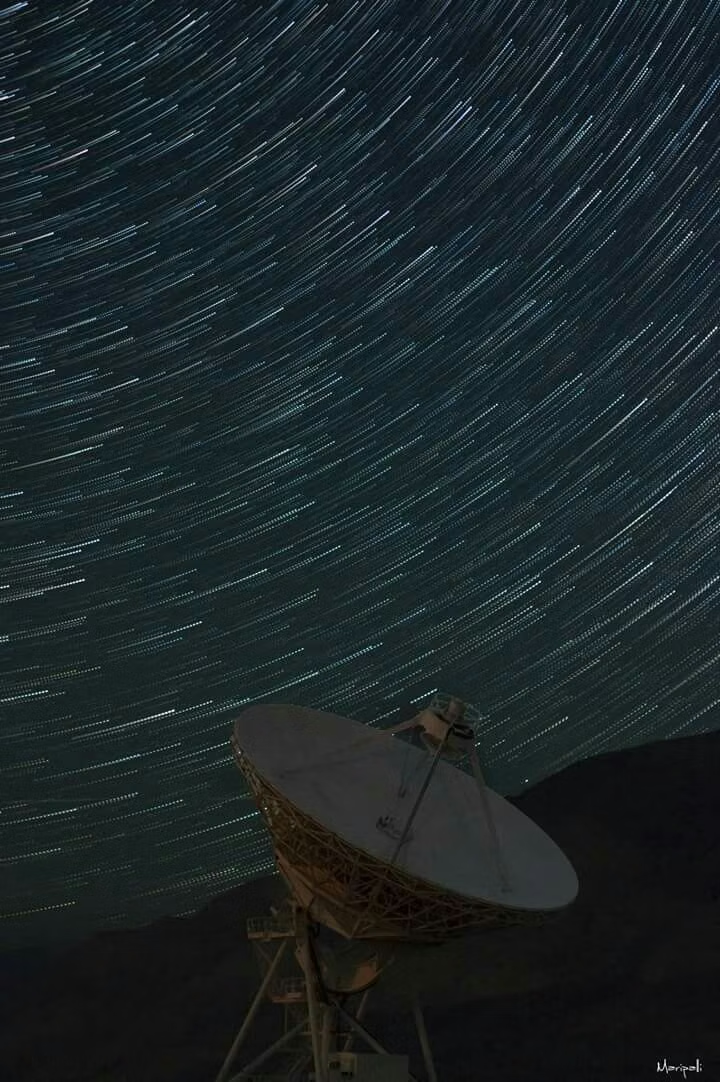
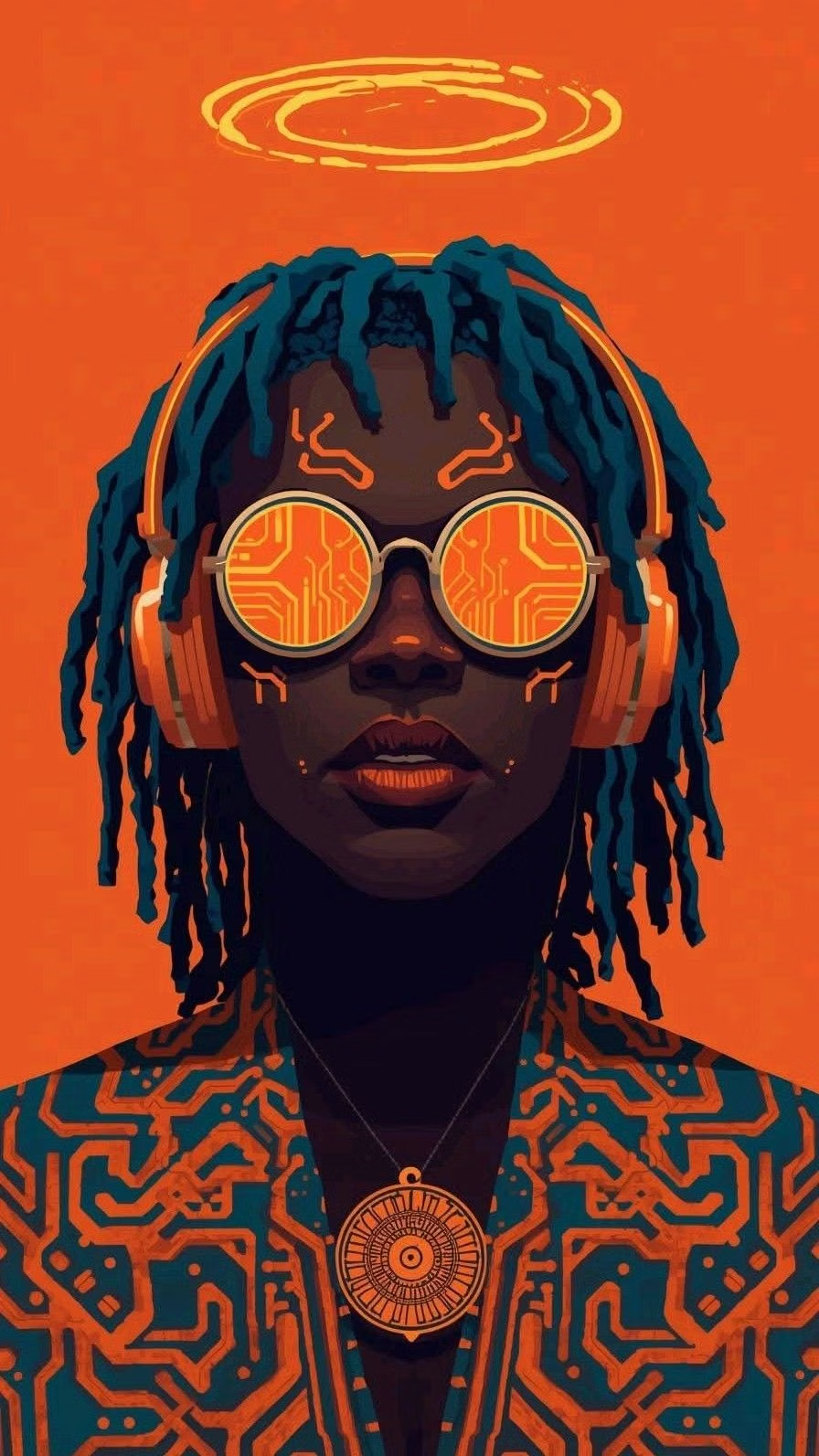
A visual study of the forms, inspirations, materials, colors, type, and cultural references associated with this UI design style.
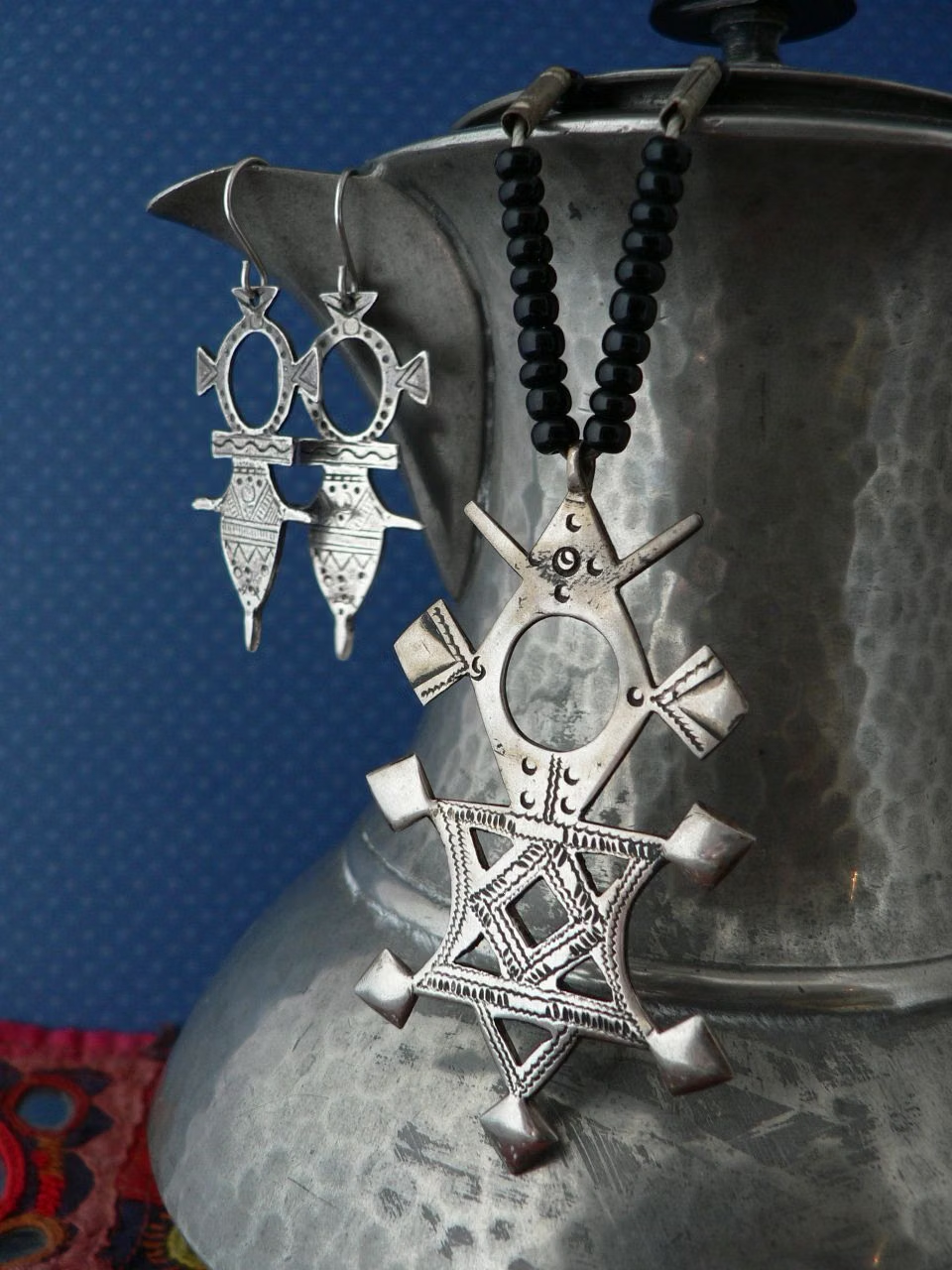
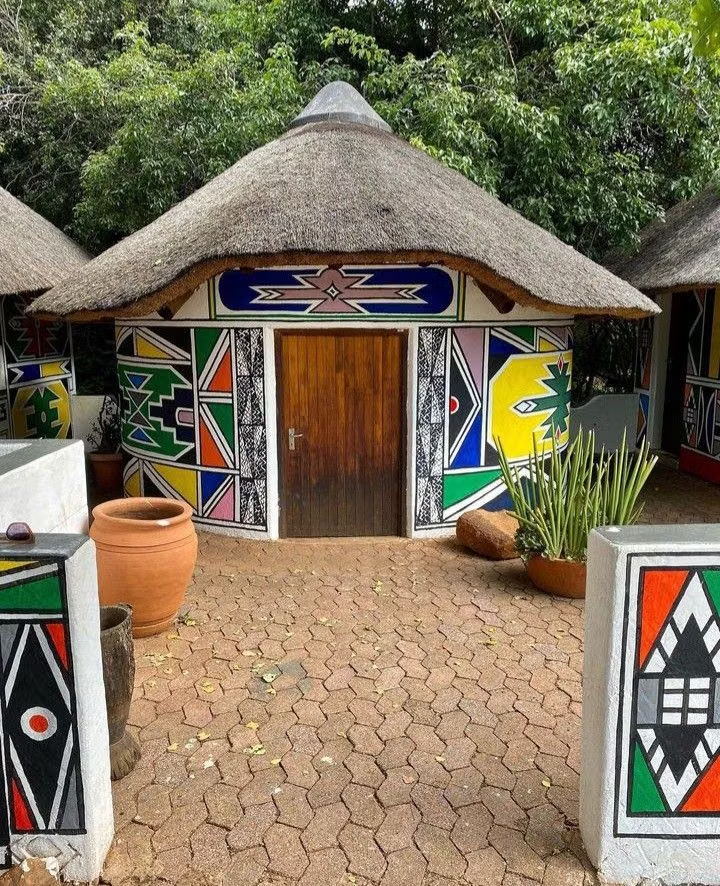
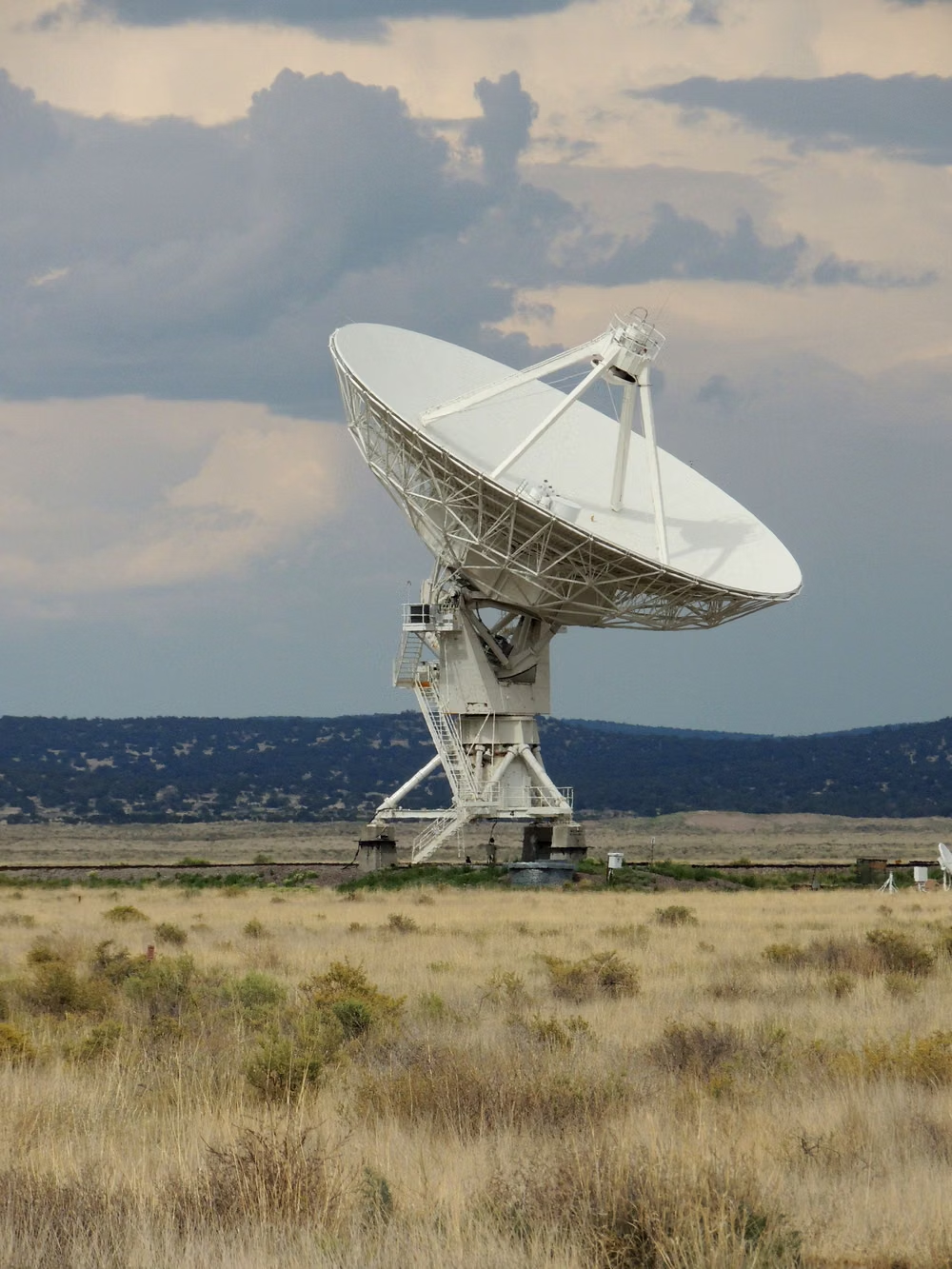
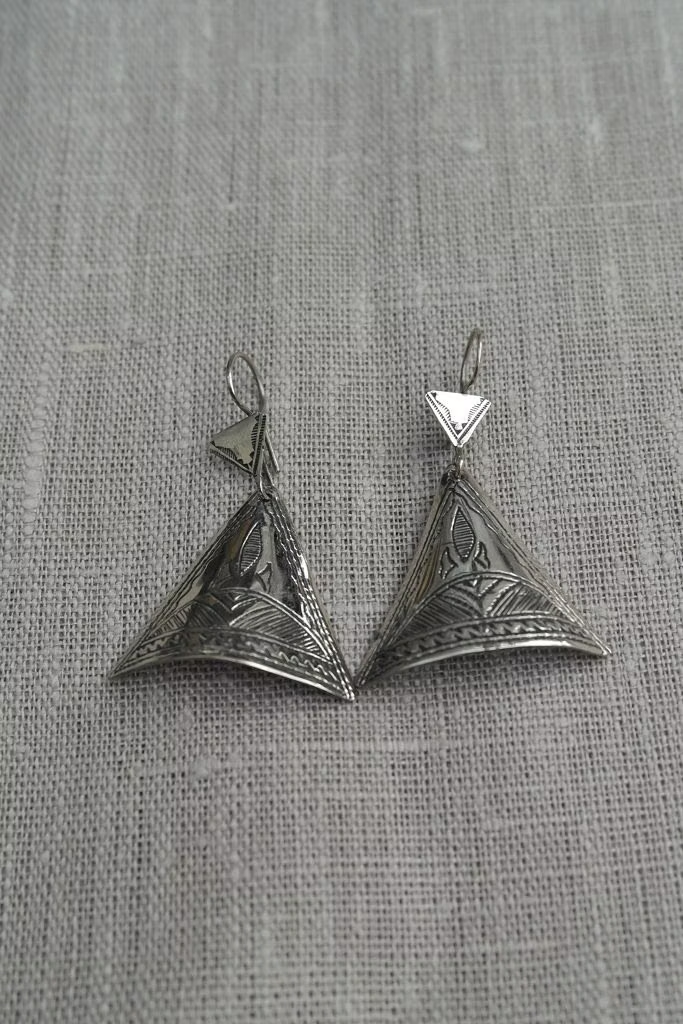
![Sahel adobe architecture detail photograph - 🌾 Africa boasts a rich array of local building materials, from rammed earth to bamboo. These gorgeous bioclimatic architectural designs leverage these materials to create stunning, sustainable designs that embrace our unique culture and environment. From@African Architecture[Fb] "#BioclimaticArchitecture #SustainableDesign #GreenBuilding #TropicalArchitecture #AfricanArchitecture #EcoFriendlyHomes #SustainableAfrica #Tanzania #AfricanSustainableArchitecture"](../../moodboards/afrofuturism/22-inspiration-sahel-adobe-architecture.avif)
Design principles and implementation
Use these principles to write a focused AI UI design prompt instead of asking for a vague visual treatment.
Color direction
Use deep black, indigo, royal purple, earth, gold, copper, and electric accents informed by the specific African or diasporic context. In a daisyUI theme, use context-appropriate royal purple or indigo for `primary`, gold or copper for `secondary`, and step `base-100`, `base-200`, and `base-300` through dark earth, near-black, and deep black.
Imagery direction
Combine culturally grounded textiles, architecture, adornment, portraiture, ancestral symbols, landscapes, and speculative machines without treating traditions as interchangeable.
Content density
Use medium to high symbolic density, supporting each motif with enough context and leaving practical information in clearly structured regions.
Motion direction
Unfold patterns, orbit cosmic elements, activate metallic circuitry, and transition between ancestral and future imagery with ceremonial pacing.
Shape language
Draw geometry from the chosen culture's pattern, craft, architecture, and symbolism, combining it with stars, rings, shields, and engineered forms. In daisyUI themes, set the `--radius-*` variables between `0.25rem` and `1rem`.
Typography rules
Choose bold contemporary display type that respects the cultural reference, pair it with a highly readable sans-serif, and avoid invented pseudo-African lettering.
Suggested Typfaces
Afacad Flux
Fresh daisies glow in warm sunlight
Fresh daisies glow in warm sunlight
1 2 3 4 5 6 7 8 9 0
Ubuntu
Fresh daisies glow in warm sunlight
Fresh daisies glow in warm sunlight
1 2 3 4 5 6 7 8 9 0
Syne
Fresh daisies glow in warm sunlight
Fresh daisies glow in warm sunlight
1 2 3 4 5 6 7 8 9 0
Unbounded
Fresh daisies glow in warm sunlight
Fresh daisies glow in warm sunlight
1 2 3 4 5 6 7 8 9 0
Space Grotesk
Fresh daisies glow in warm sunlight
Fresh daisies glow in warm sunlight
1 2 3 4 5 6 7 8 9 0
Build a Afrofuturism interface with daisyUI
The live example translates this direction into daisyUI components and semantic theme tokens.
To generate a full page in the same visual language, give the style name and the design rules above to Blueprint MCP.
Related UI design styles
Compare nearby visual languages that share typography, shapes, use cases, or signature elements.
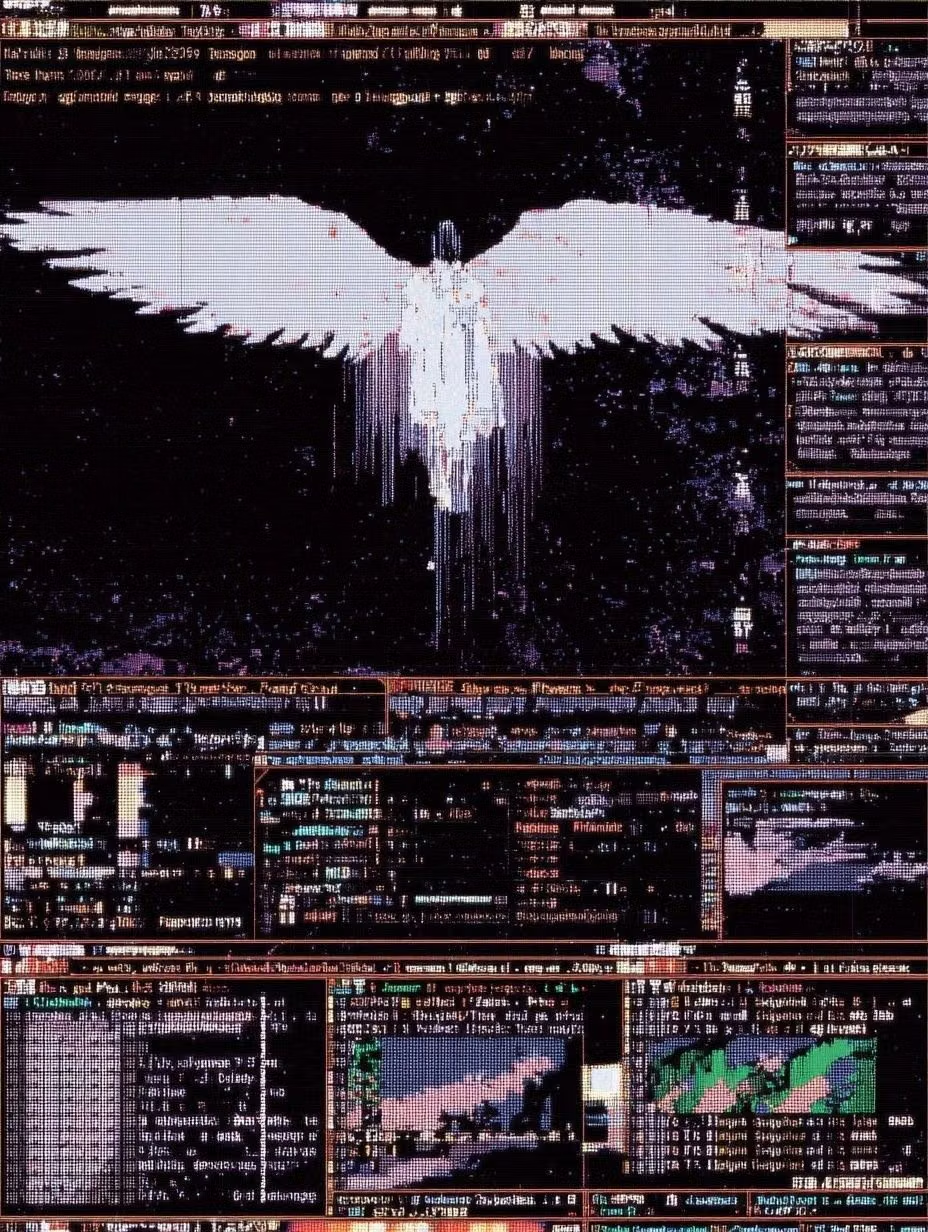
Cyberdelia UI design style
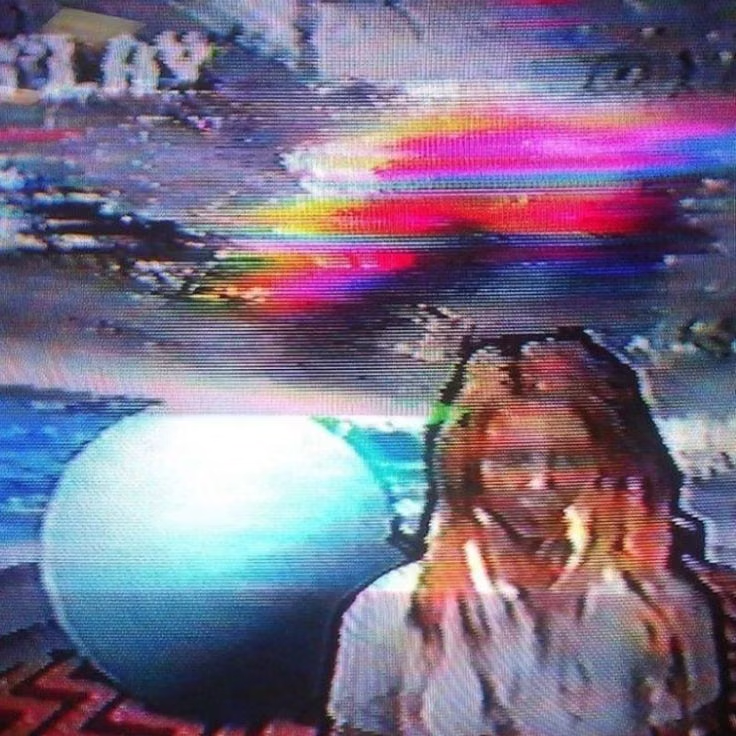
Cyberculture merges with psychedelia through acid color, fractals, kaleidoscopic imagery, early 3D type, and rave-era digital optimism.
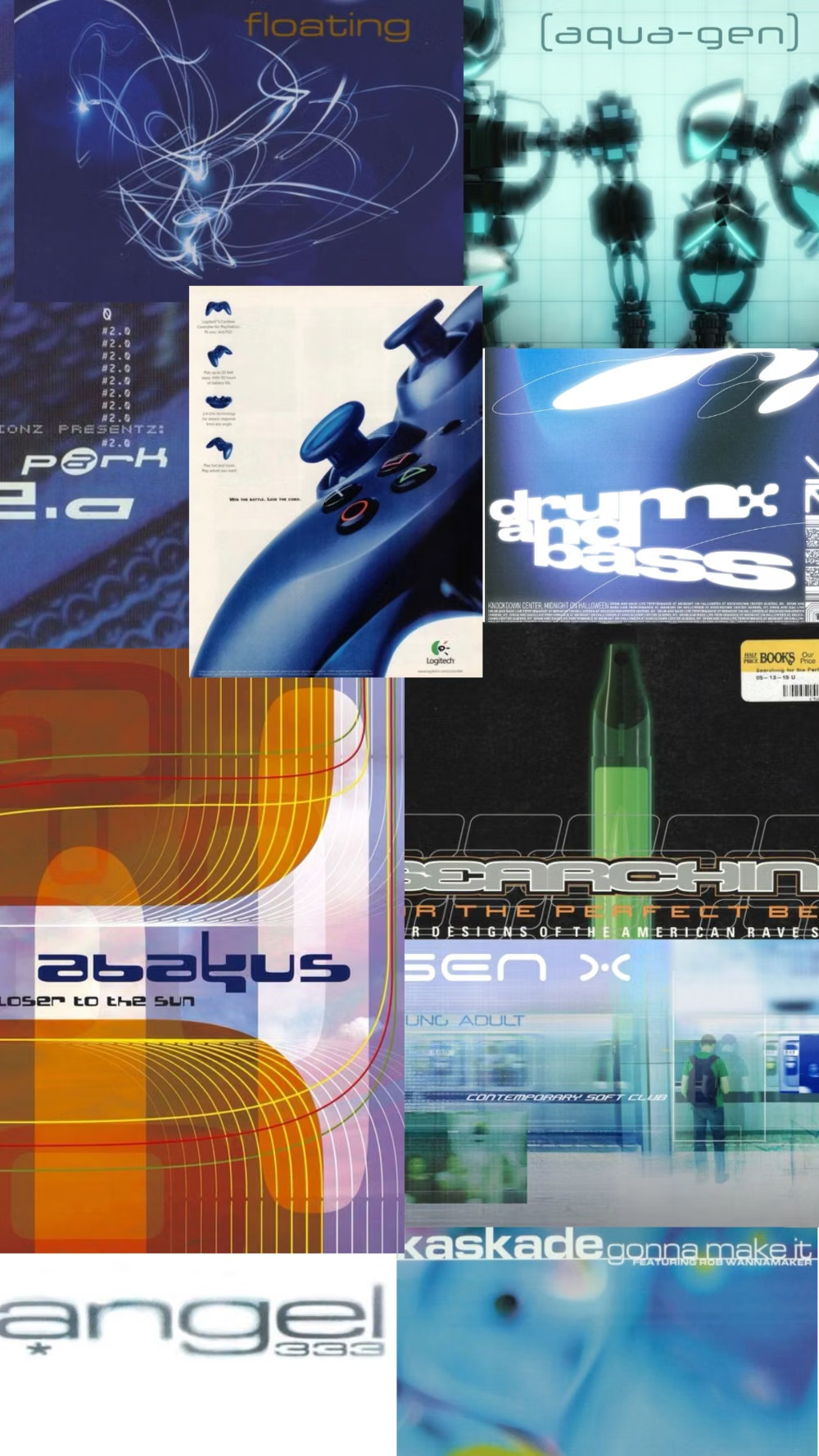
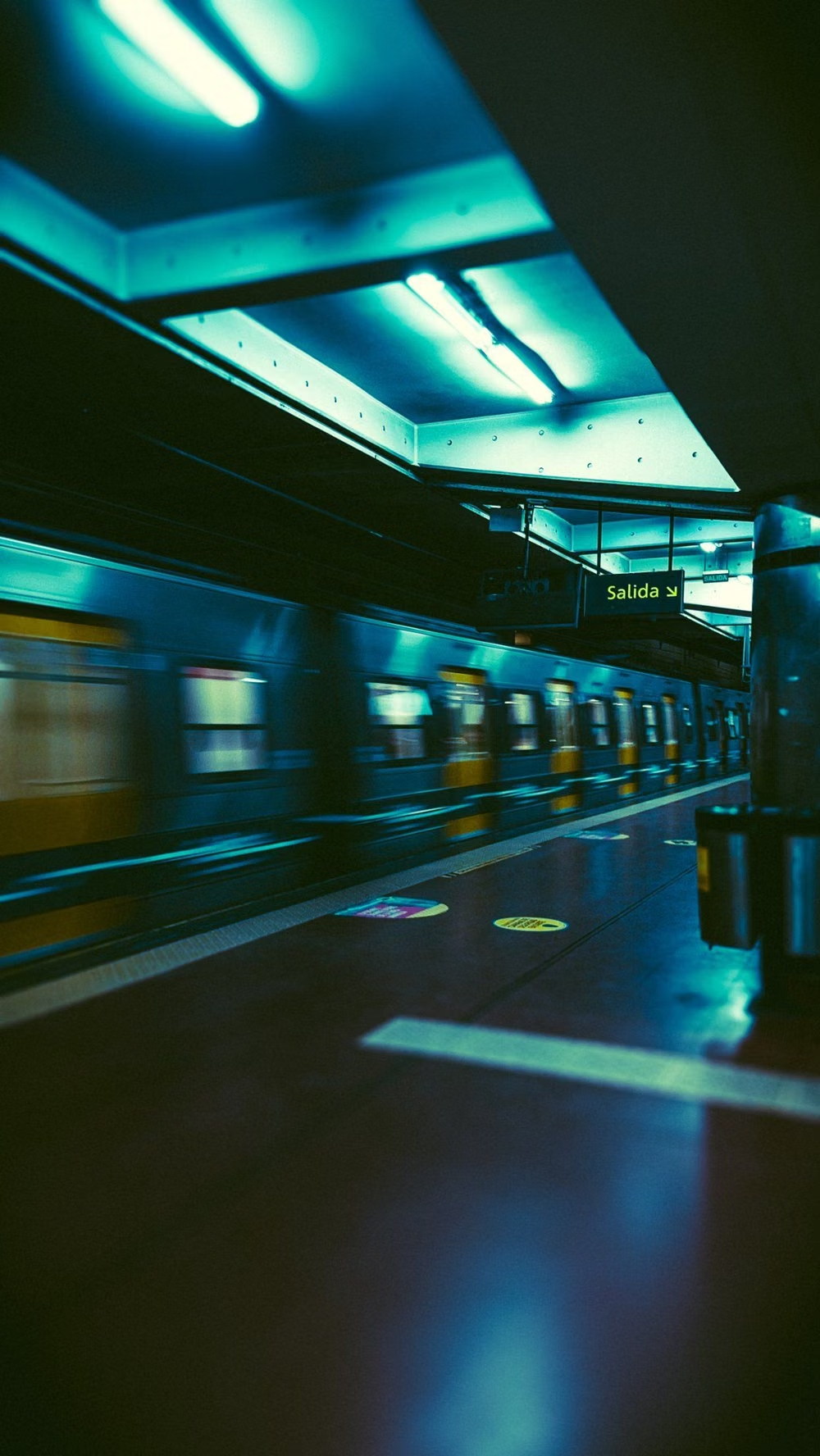
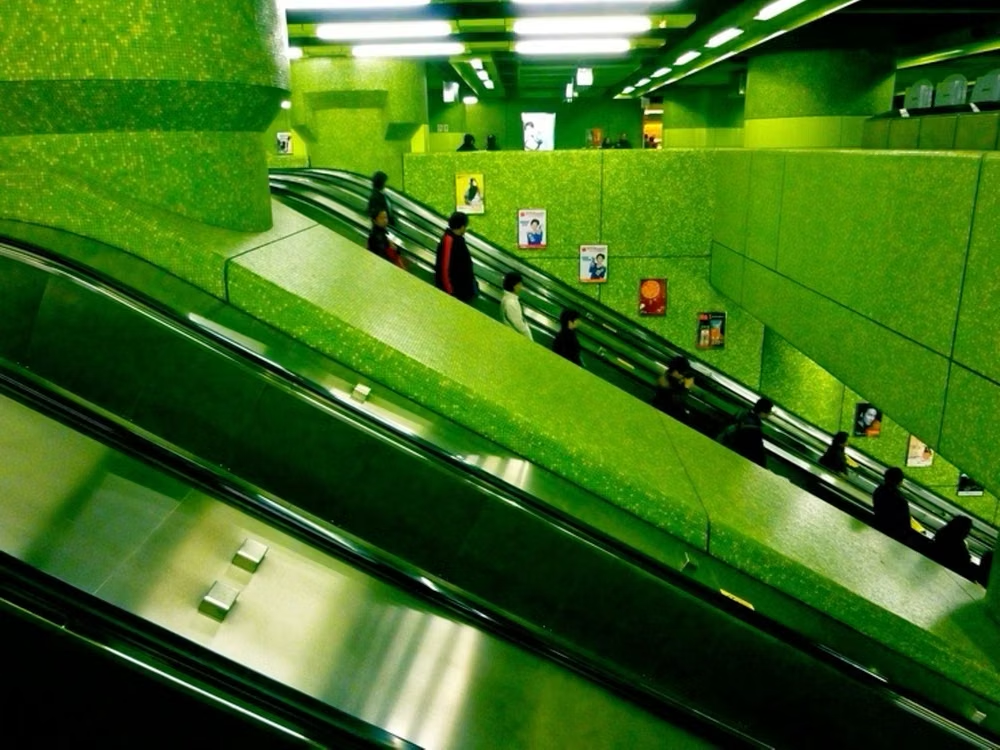
Gen-X Soft Club UI design style
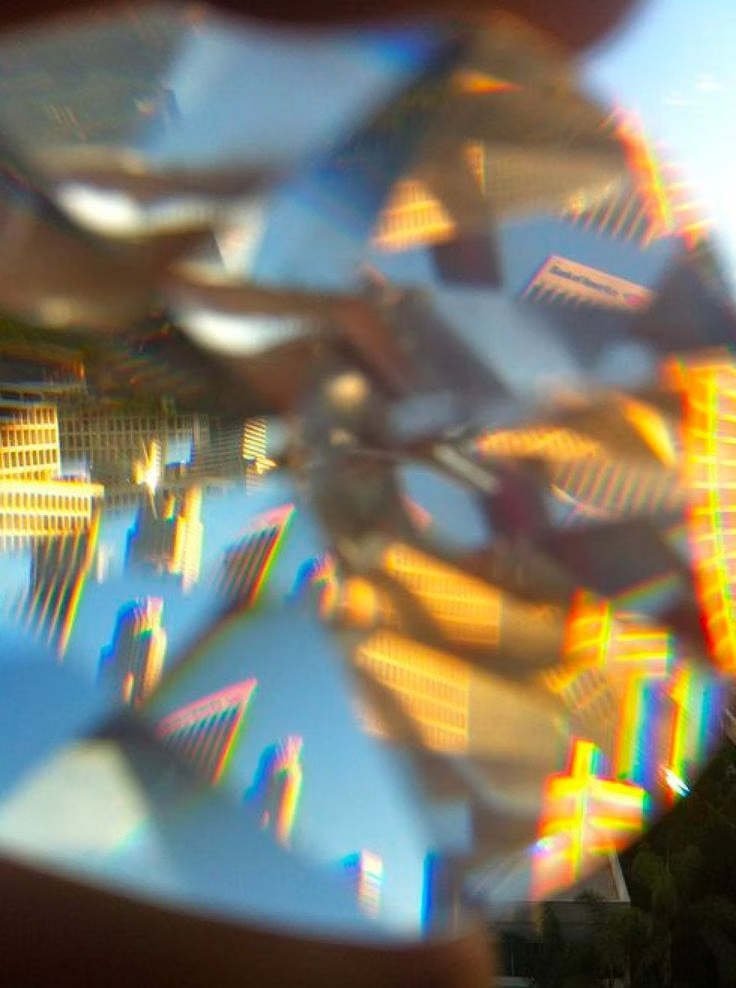
Late-1990s and early-2000s urban futurism softens Y2K gloss through muted color, minimalist typography, blurred photography, and a sterile-meets-organic mood.
2K1 UI design style
This 2001–2004 transitional pop-cultural look mixes late-Y2K clarity with dirtier hip-hop, sports, nu-metal, teen-comedy, and early-McBling attitude.