Solarpunk UI design style
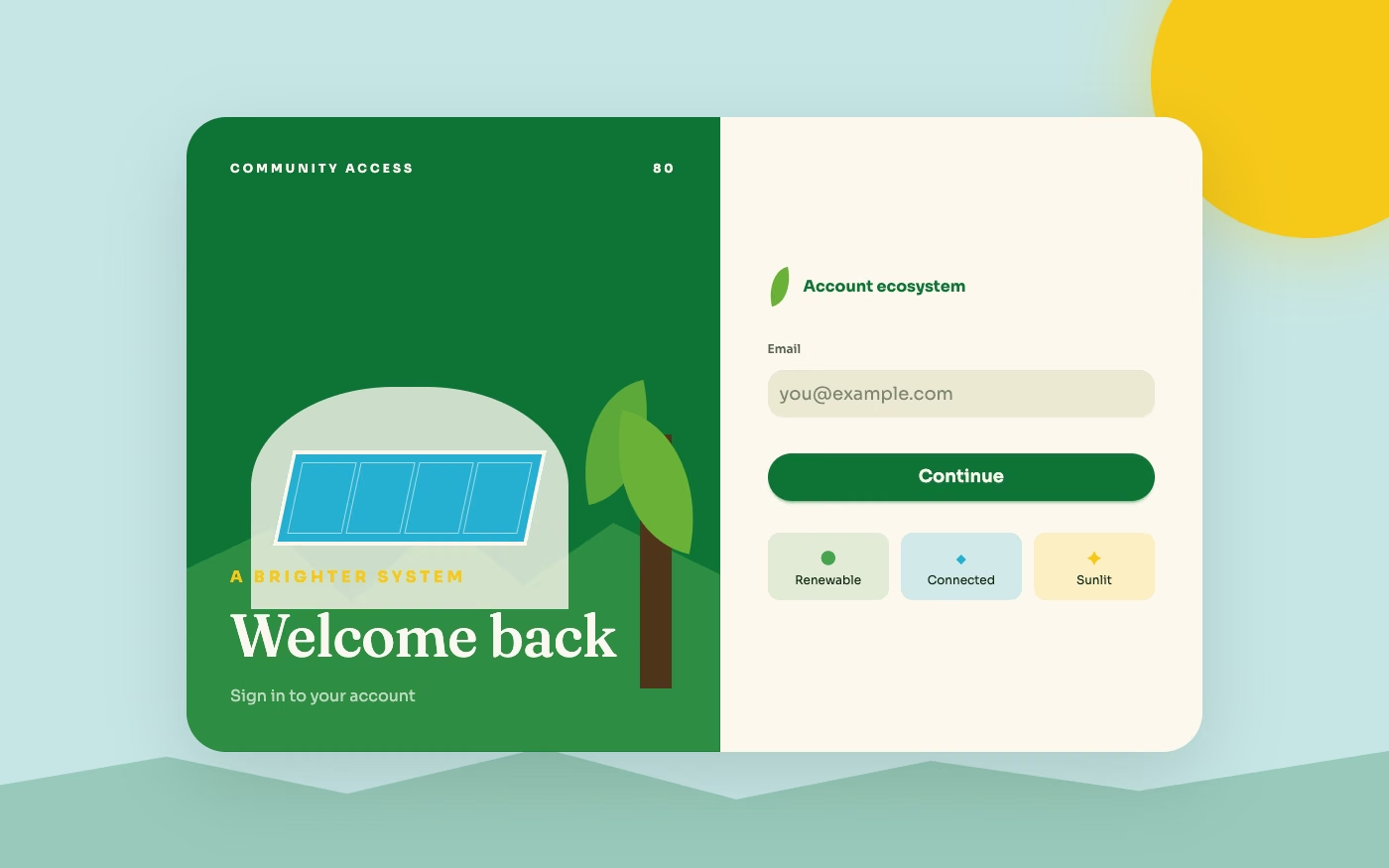
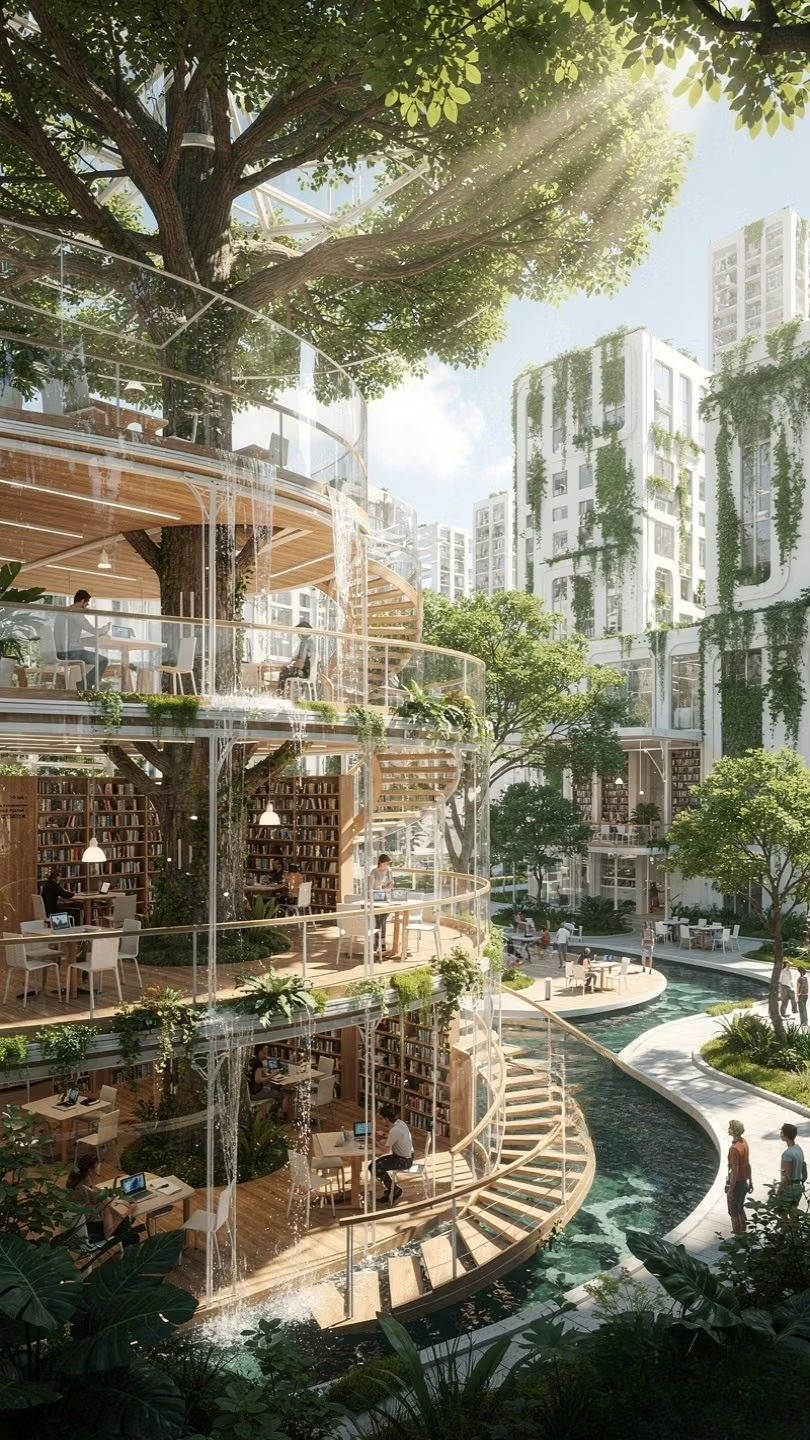
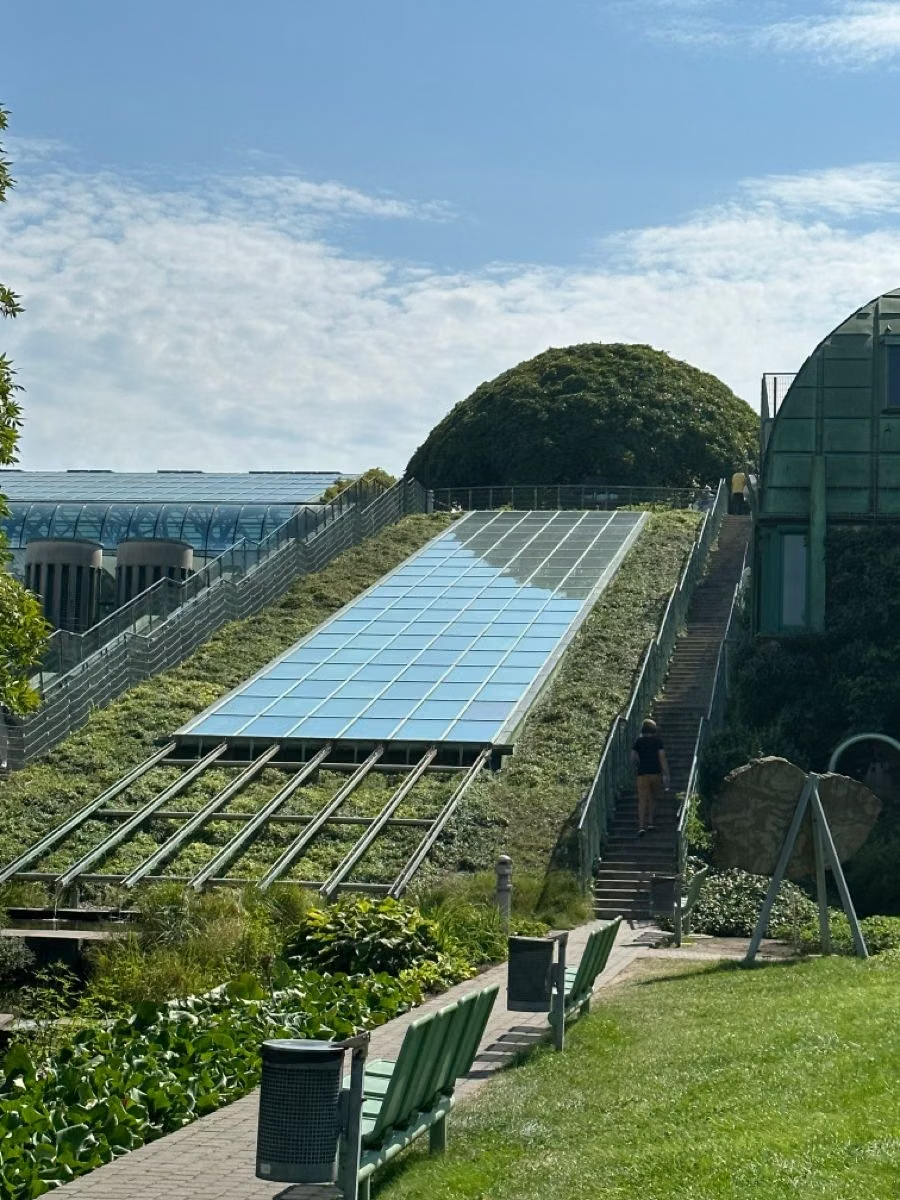
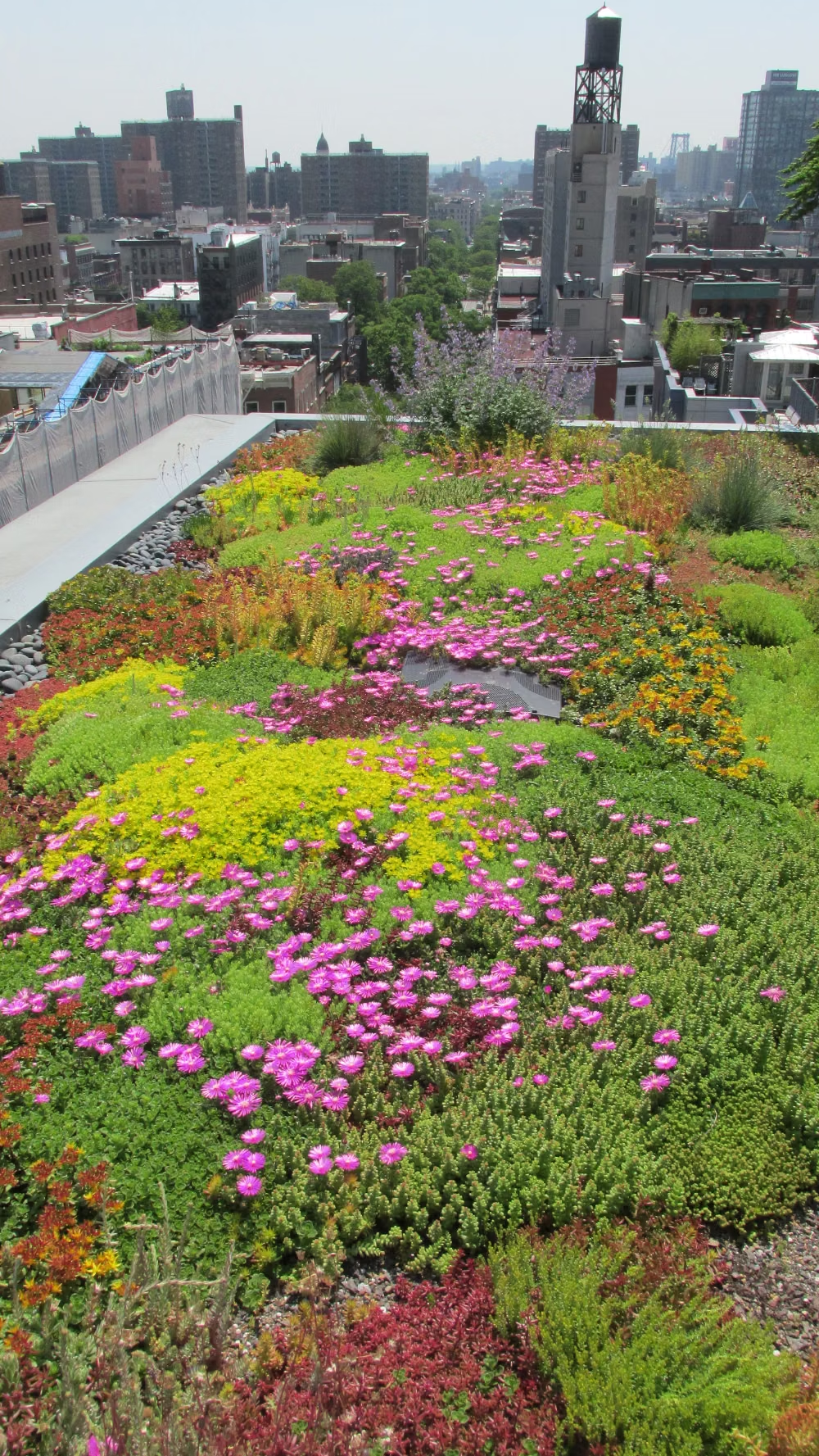
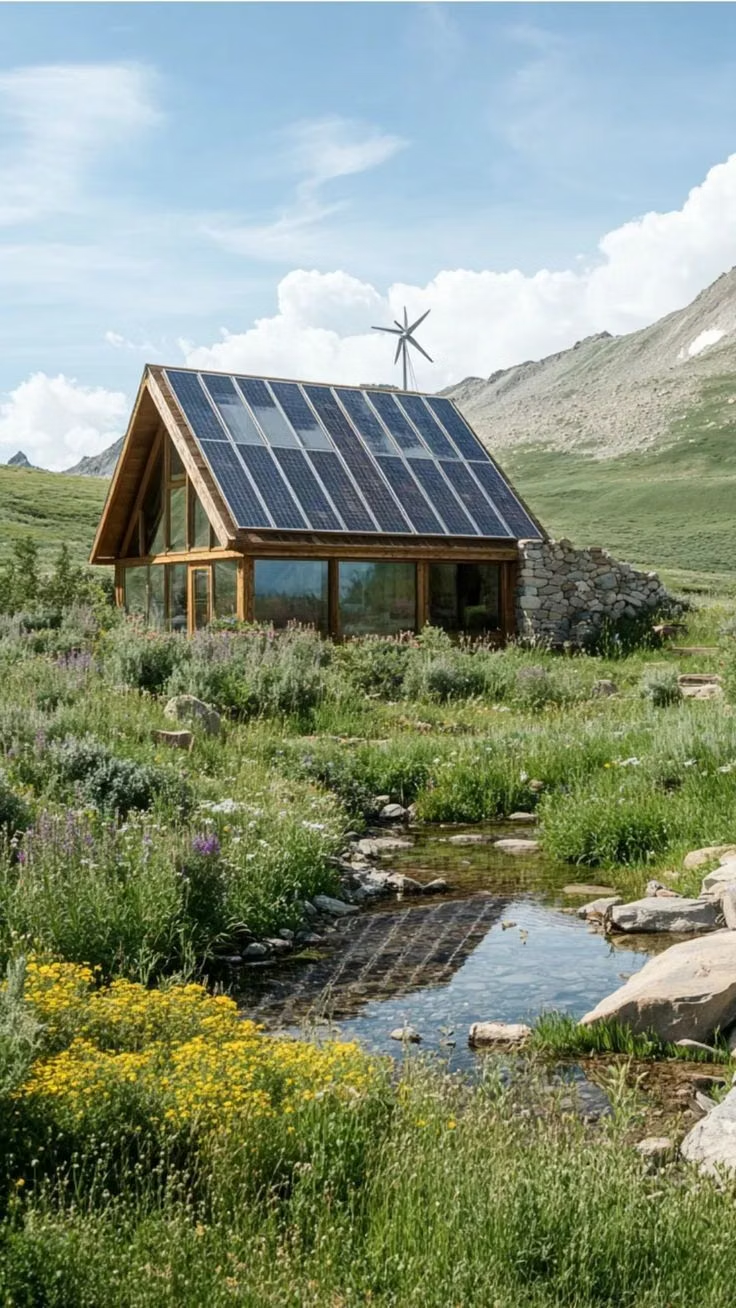
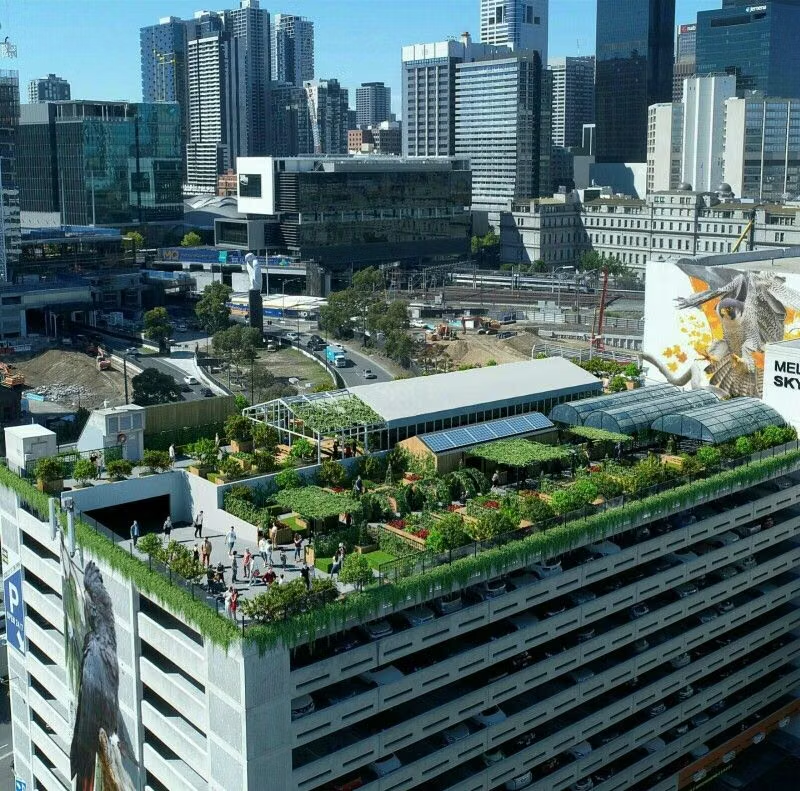
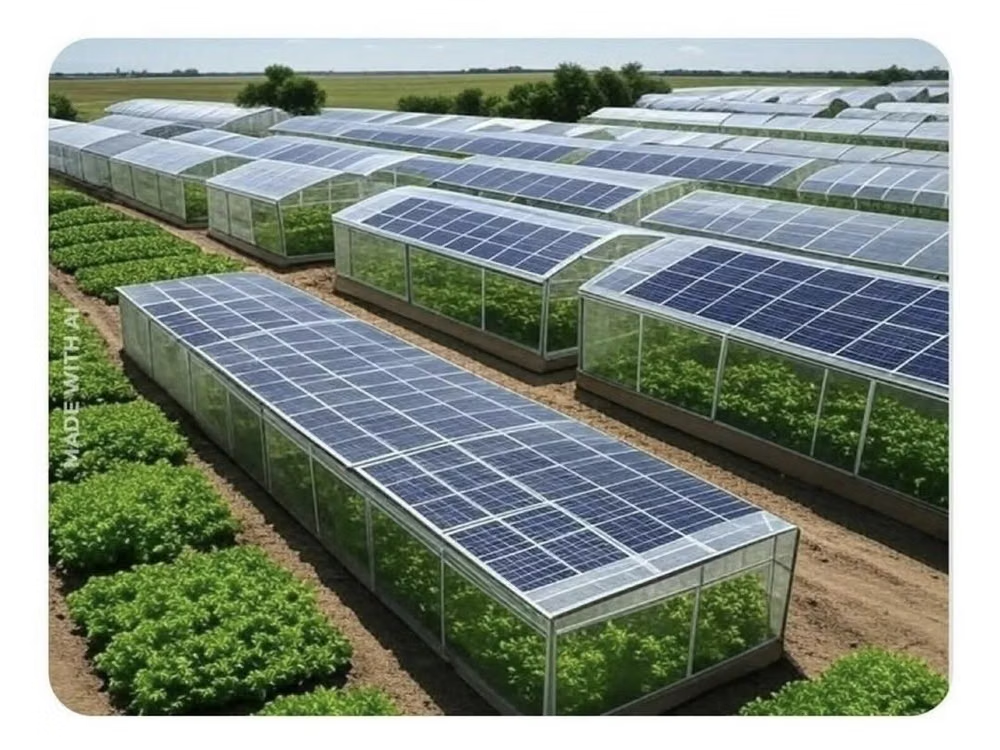
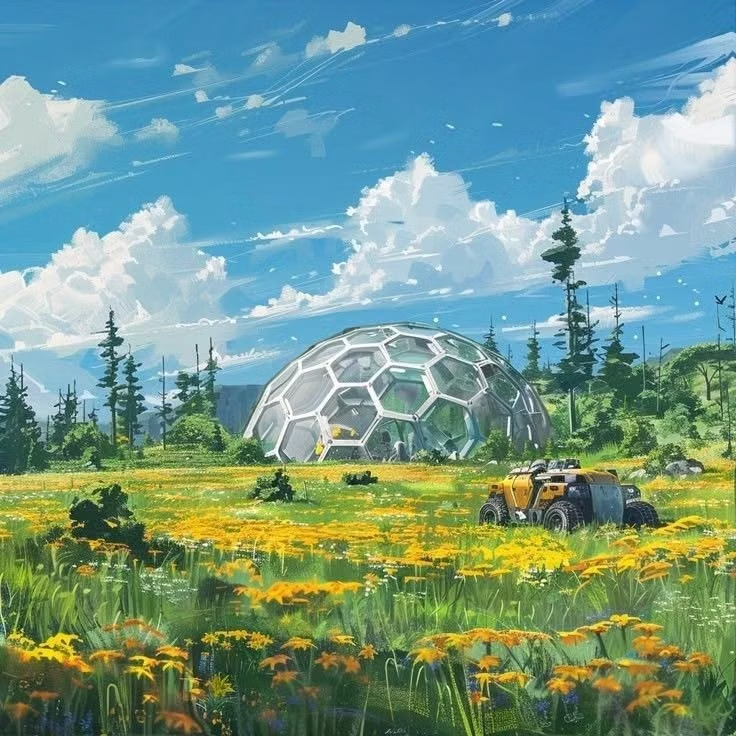
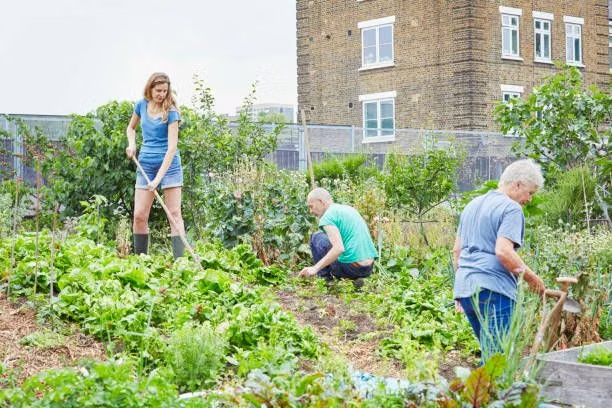
Optimistic futurism combines renewable technology, lush vegetation, warm daylight, community infrastructure, and organic forms.
Design overview
- Signature elements
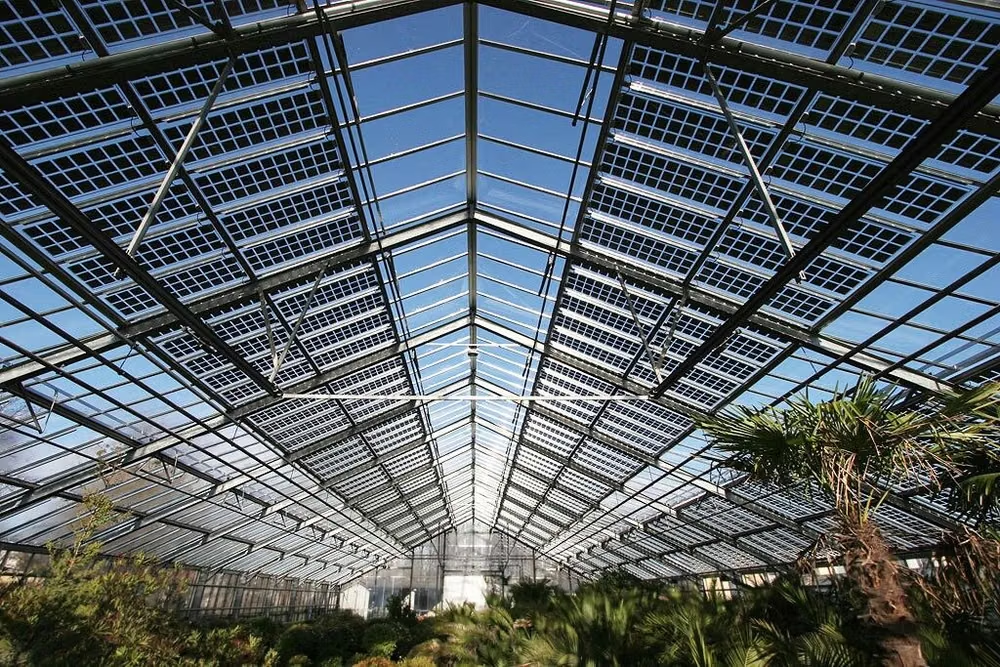
- lush vegetation, renewable technology, warm daylight, community infrastructure, organic architecture, optimistic illustration
- Best suited to
- Climate products, sustainability platforms, community tools, and speculative projects.
- Layout principles
- Map content as a connected community ecosystem, weaving buildings, gardens, energy, transit, and shared resources through open sunlit sections.
History and origins
A fact-checked account of where this visual language came from, with links to the references used.
- Period
- Term introduced in 2008; community growth in the 2010s
- Origin
- Online speculative-fiction and environmental communities
Solarpunk is an explicitly future-facing movement centered on ecological repair, renewable technology, mutual aid, and more equitable social systems. Academic histories trace the word to a 2008 blog post titled “From Steampunk to Solarpunk,” with Tumblr discussion, fiction, art, and manifestos expanding the community especially around 2014; it is not merely a palette of leaves and solar panels.
Moodboard and visual references
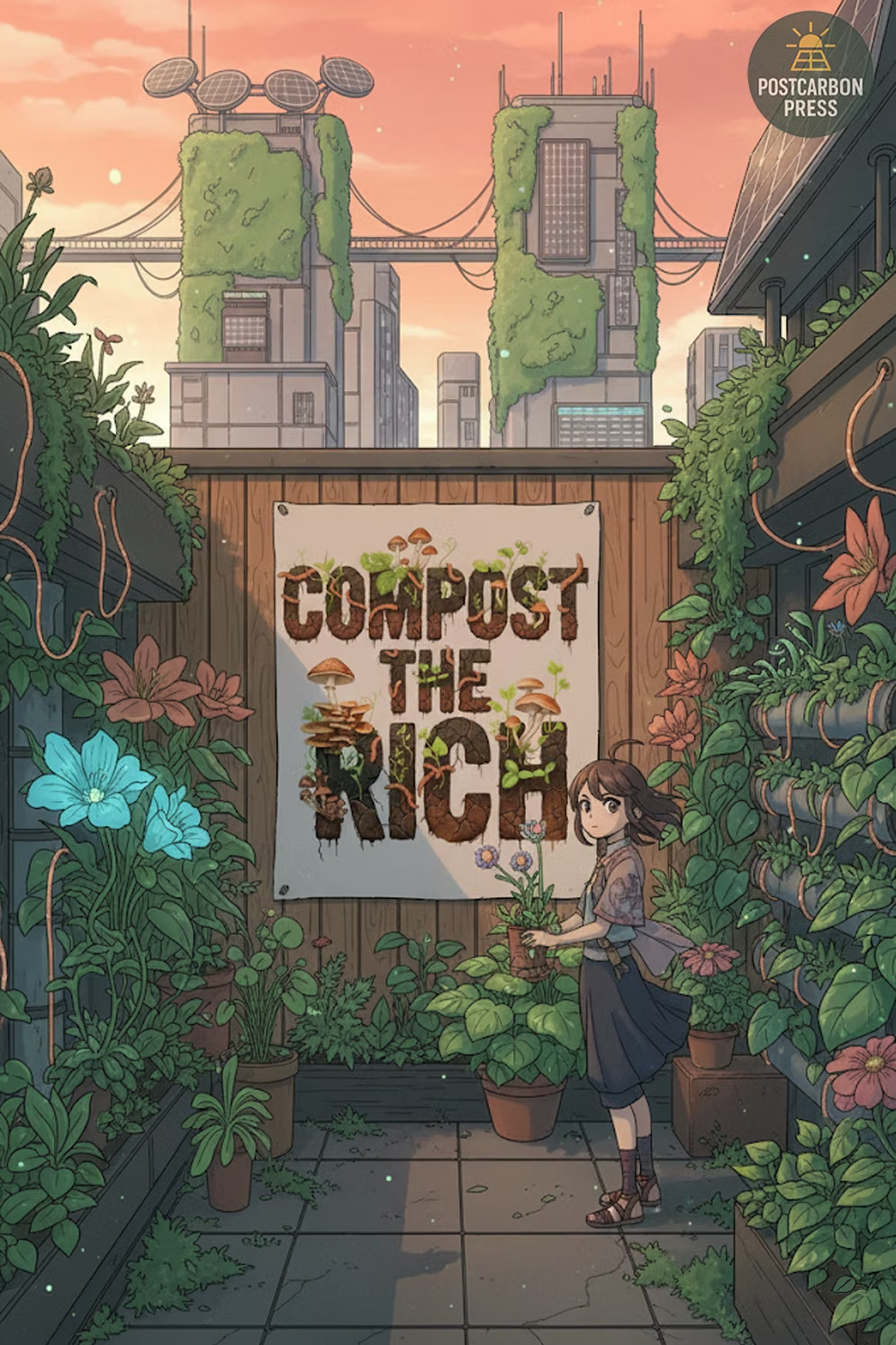
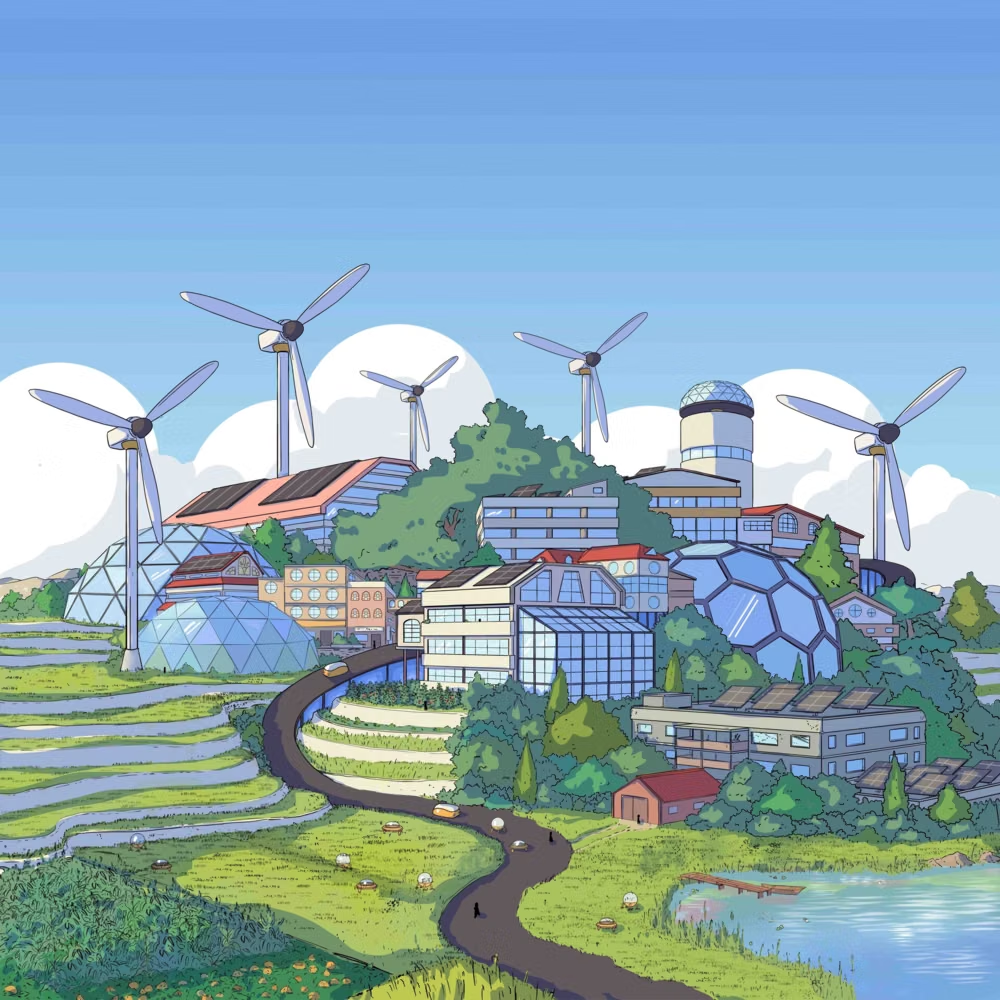
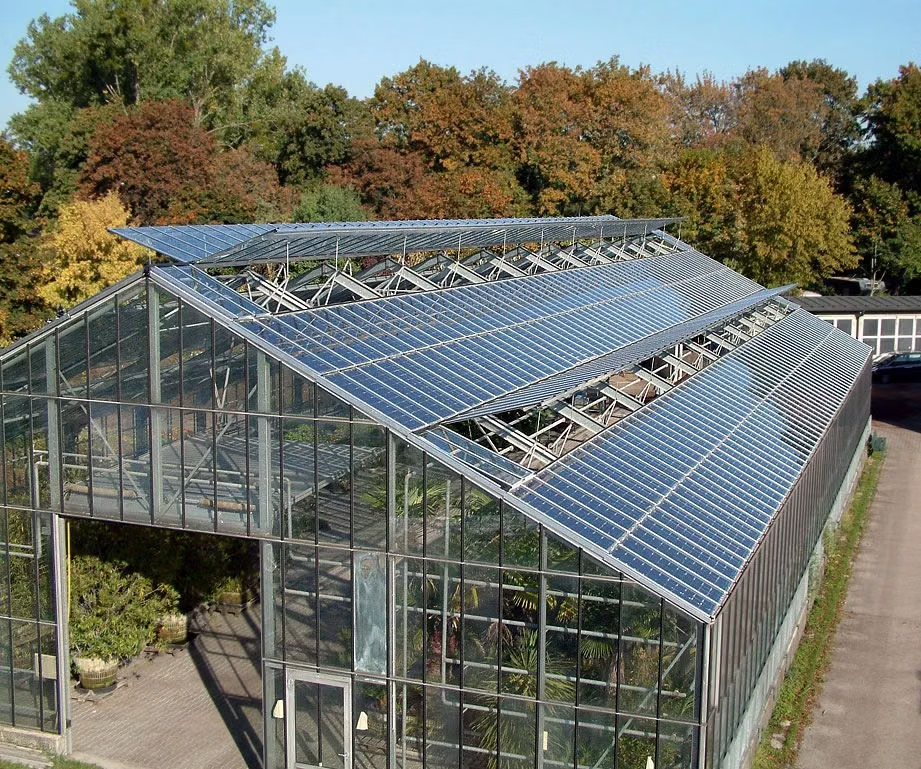
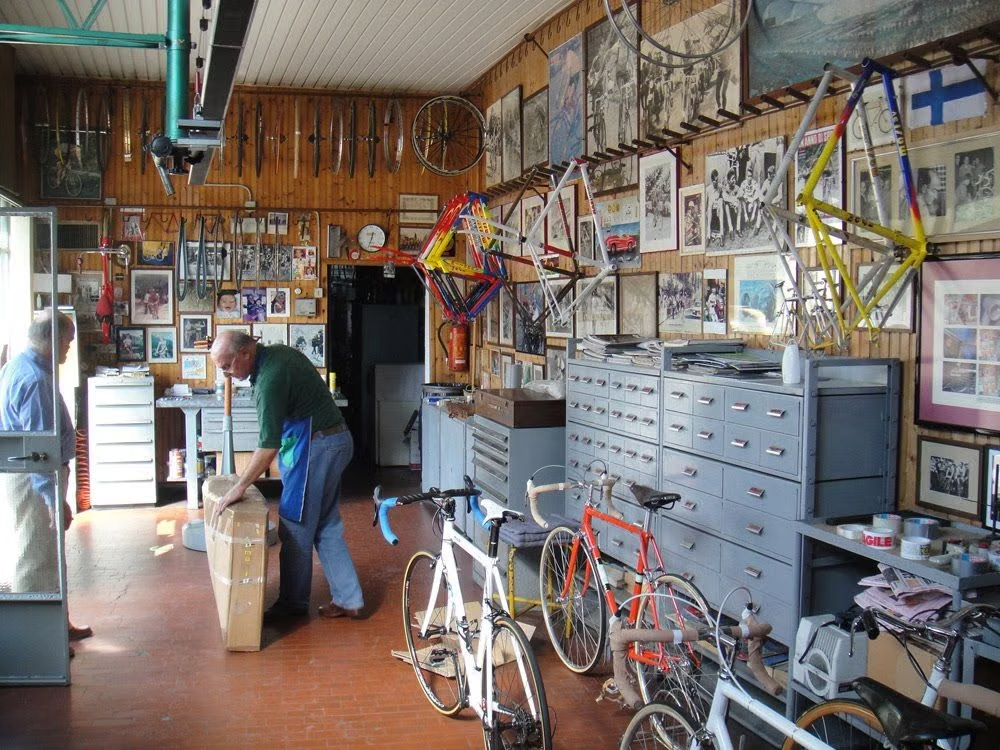
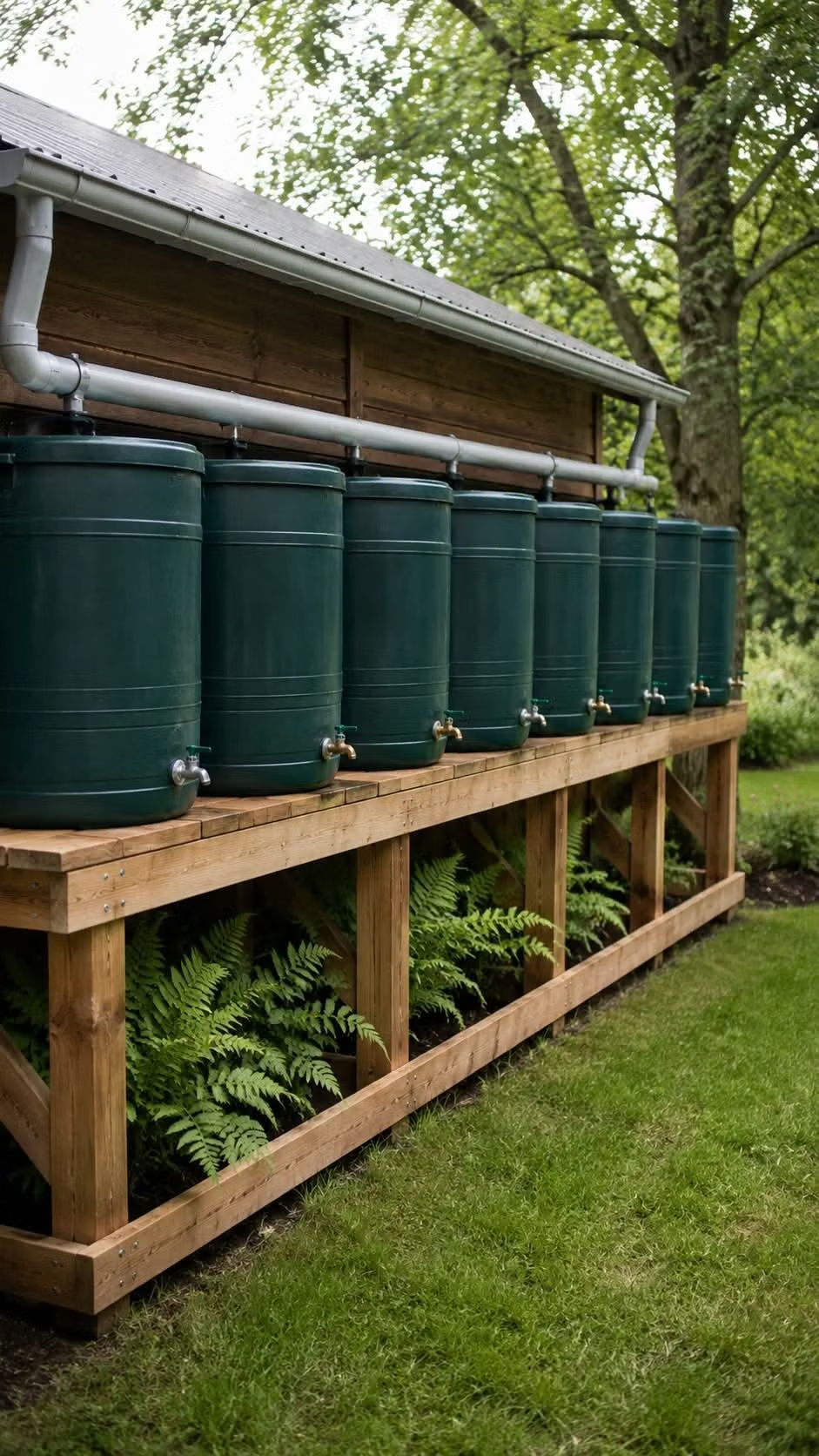
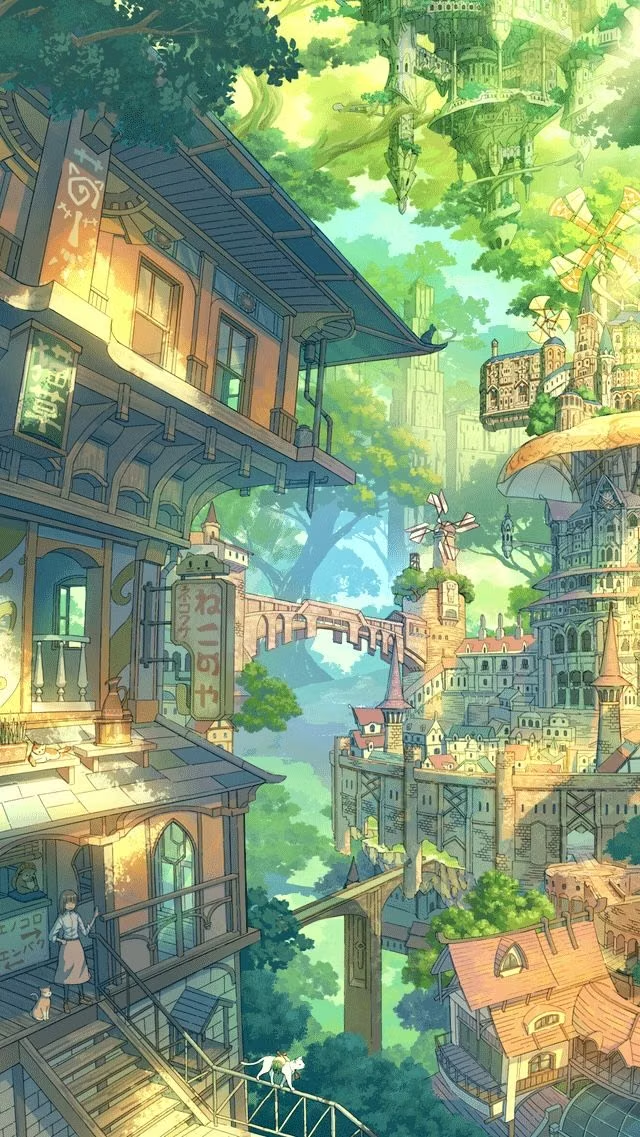
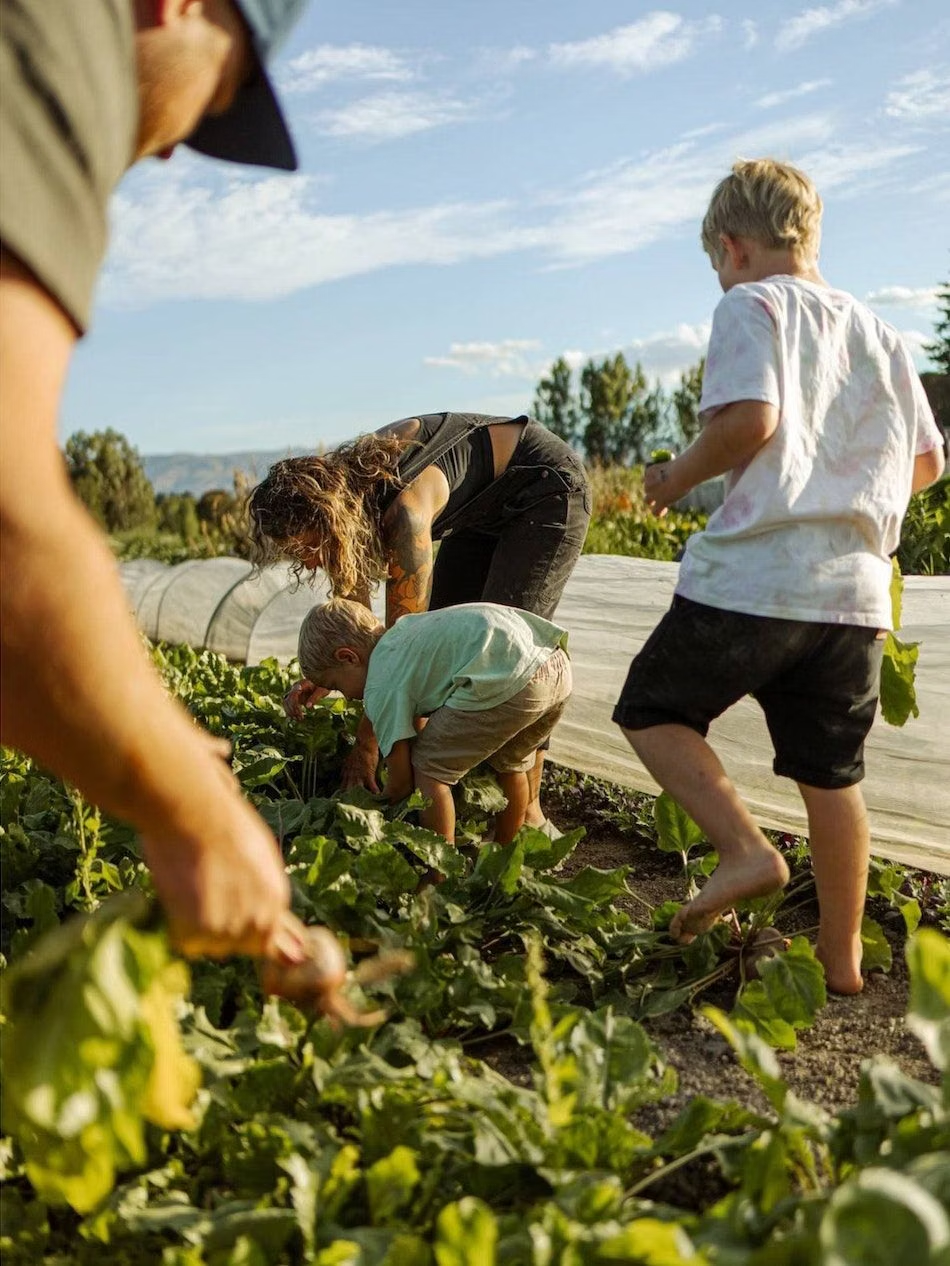
A visual study of the forms, inspirations, materials, colors, type, and cultural references associated with this UI design style.
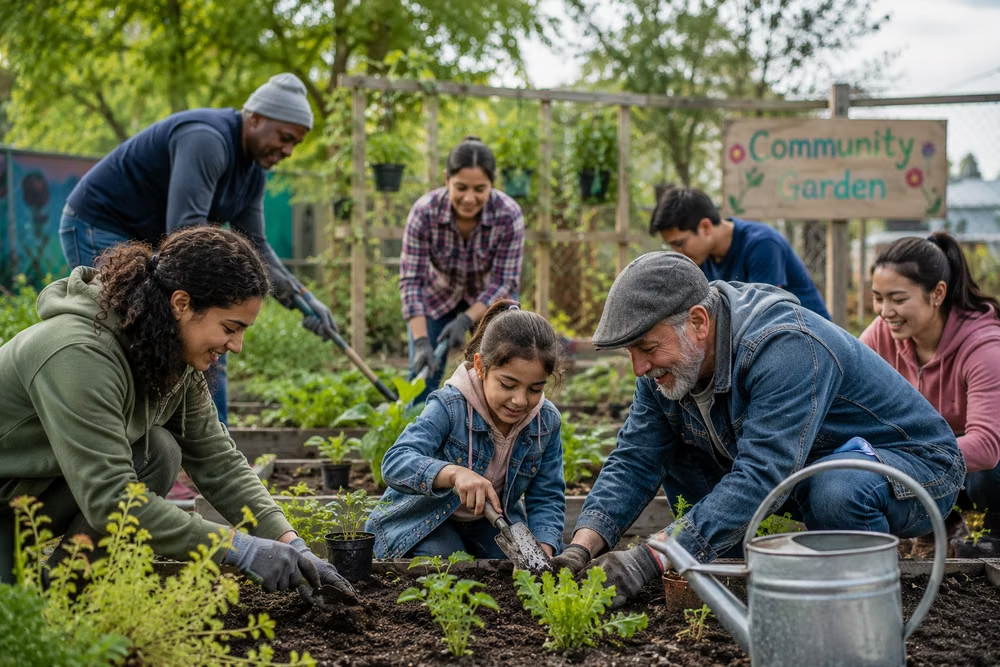
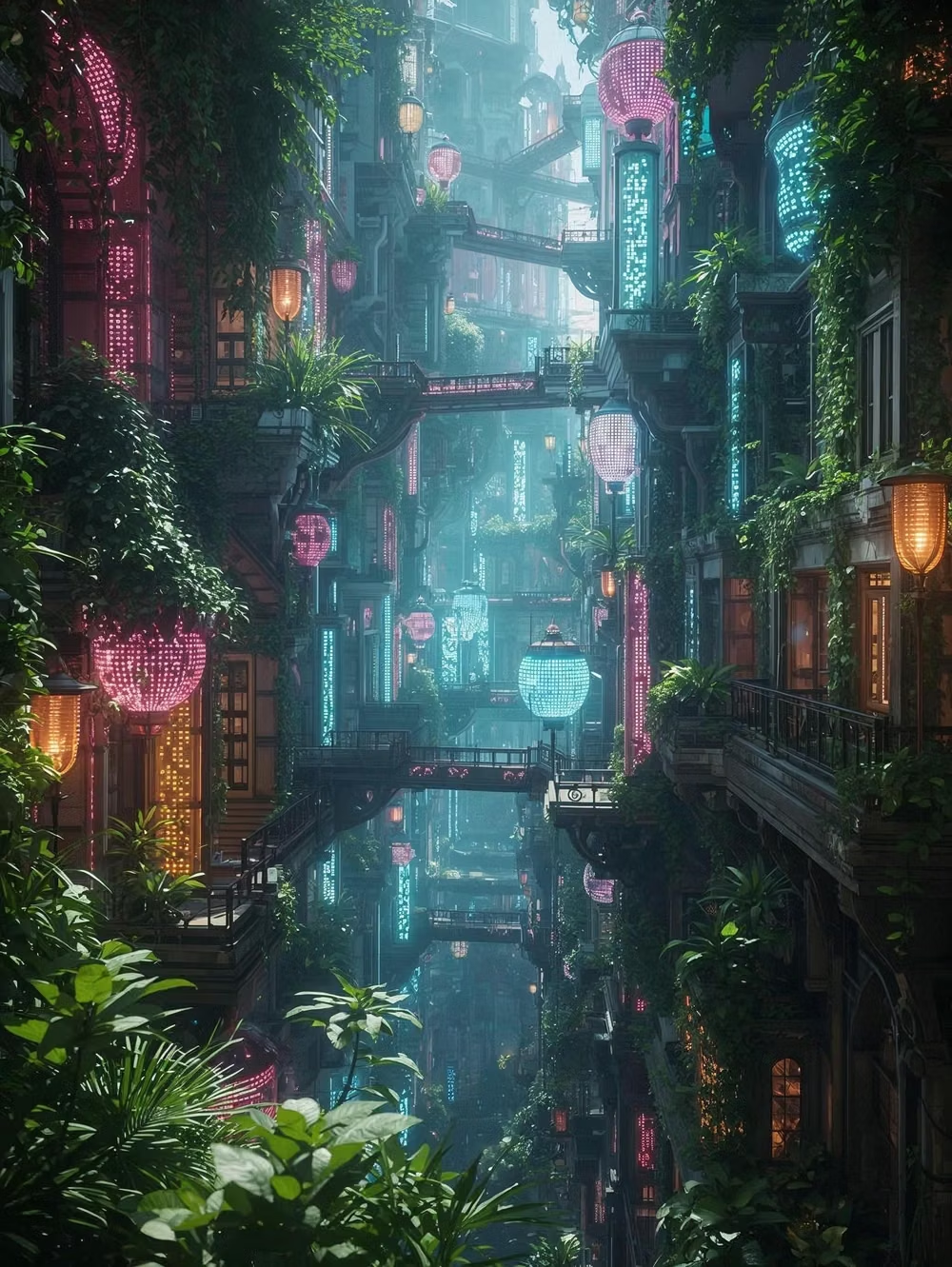
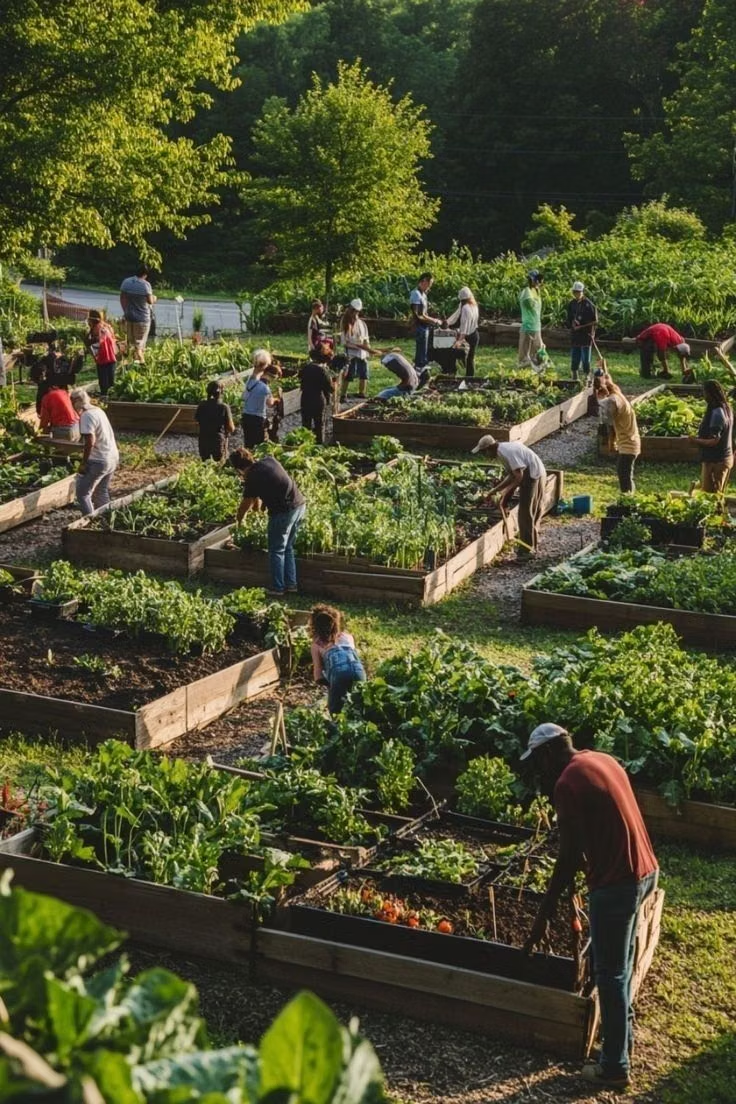
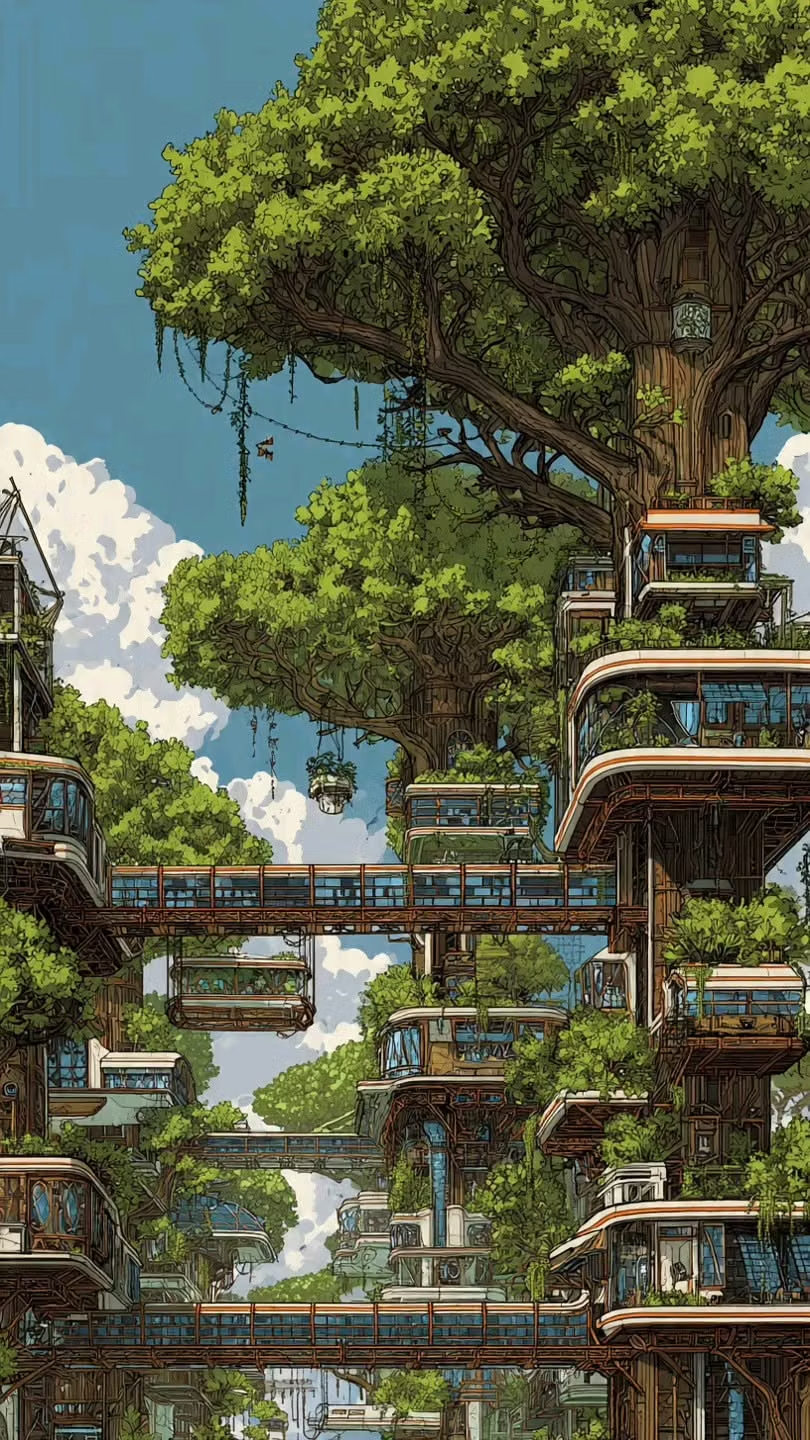
Design principles and implementation
Use these principles to write a focused AI UI design prompt instead of asking for a vague visual treatment.
Color direction
Use leaf and algae greens, terracotta, solar blue, warm yellow, soil, and pale concrete in bright daylight rather than dystopian neon. In a daisyUI theme, use leaf or algae green for `primary`, solar blue or terracotta for `secondary`, and assign warm white, pale concrete, and light soil-gray to `base-100`, `base-200`, and `base-300`.
Imagery direction
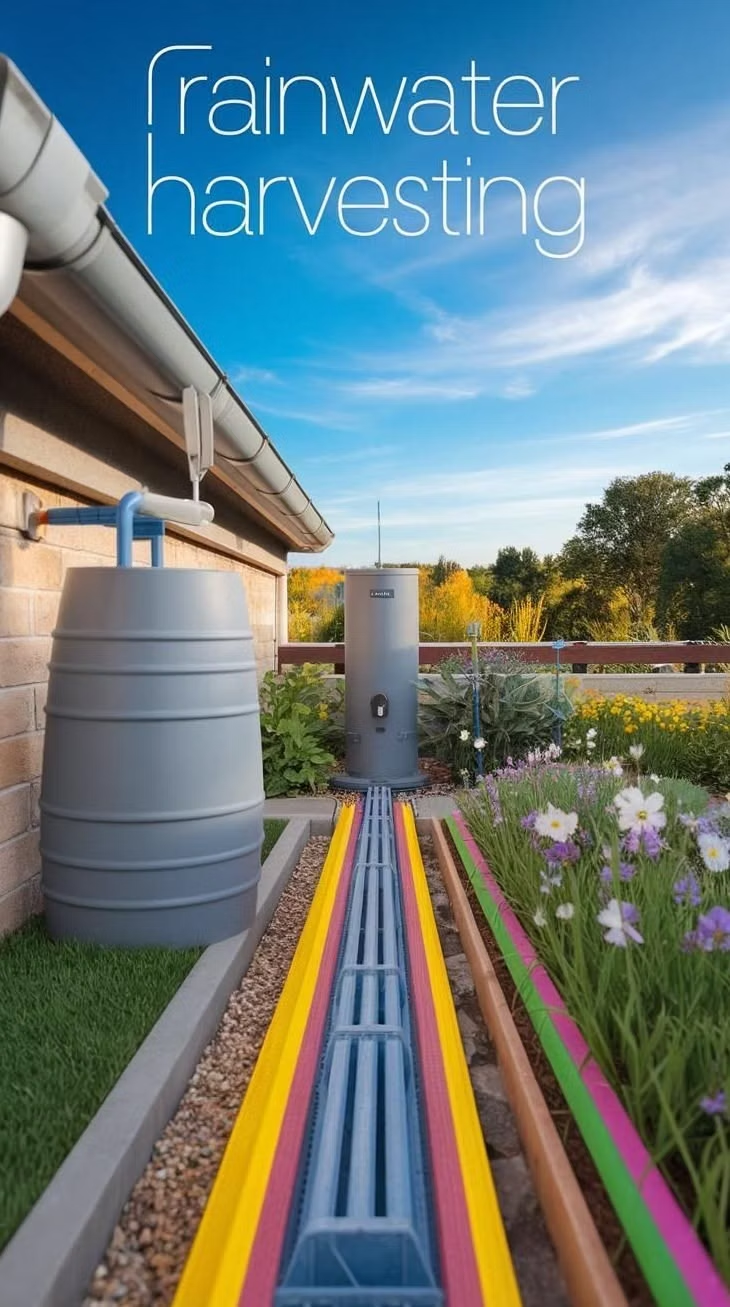
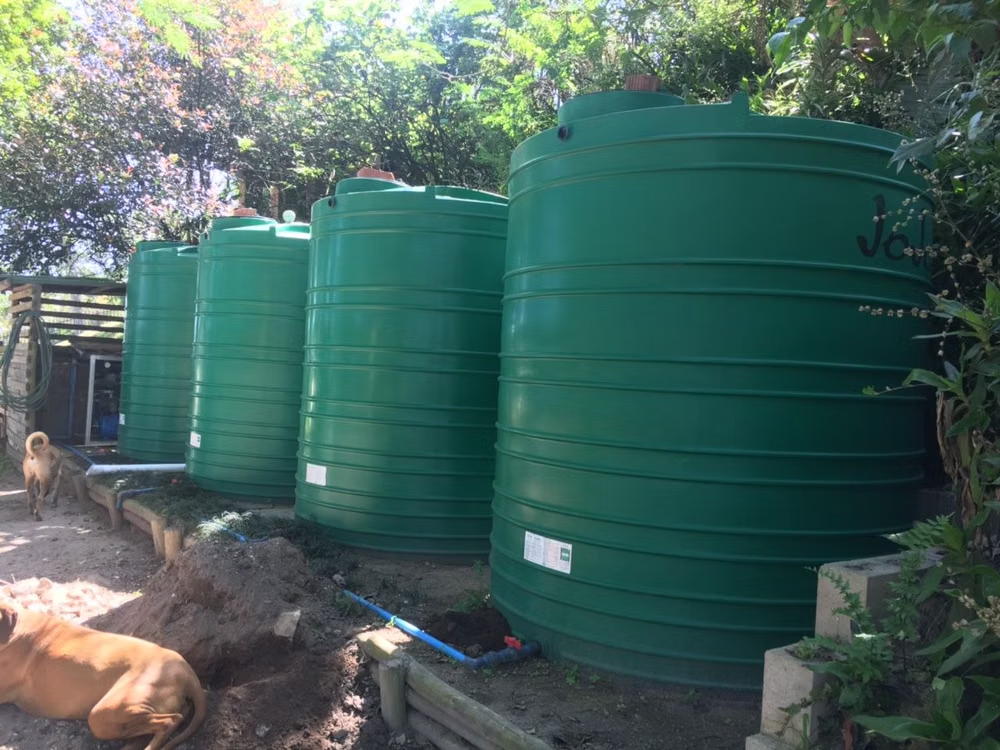
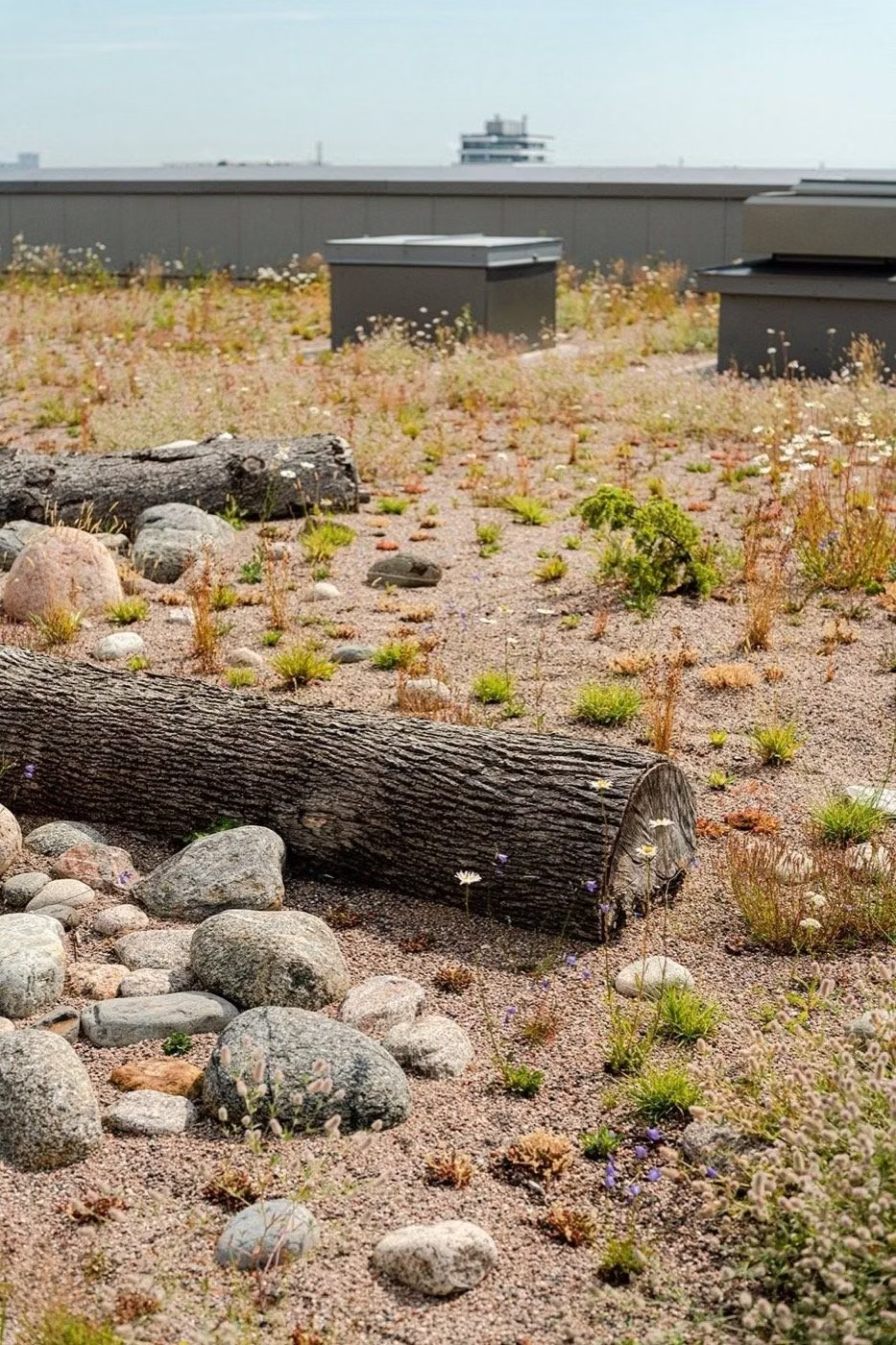
Show lush inhabited cities, renewable infrastructure, cooperative work, repair, food systems, biodiversity, and technology integrated with landscape.
Content density
Keep density medium, offering meaningful systems detail in clear diagrams while preserving an optimistic sense of air, light, and public space.
Motion direction
Trace energy and water flows, grow planted elements, shift sunlight, and animate community activity through gentle cyclical motion.
Shape language
Combine organic canopies, terraces, greenhouse curves, branching networks, and clean photovoltaic geometry into integrated structures. In daisyUI themes, set the `--radius-*` variables between `0.75rem` and `1.5rem`.
Typography rules
Use an optimistic humanist sans-serif with warm editorial accents, favor plain language, and keep technical sustainability data clearly labeled.
Suggested Typfaces
Fraunces
Fresh daisies glow in warm sunlight
Fresh daisies glow in warm sunlight
1 2 3 4 5 6 7 8 9 0
Alegreya Sans
Fresh daisies glow in warm sunlight
Fresh daisies glow in warm sunlight
1 2 3 4 5 6 7 8 9 0
Sora
Fresh daisies glow in warm sunlight
Fresh daisies glow in warm sunlight
1 2 3 4 5 6 7 8 9 0
Raleway
Fresh daisies glow in warm sunlight
Fresh daisies glow in warm sunlight
1 2 3 4 5 6 7 8 9 0
Exo 2
Fresh daisies glow in warm sunlight
Fresh daisies glow in warm sunlight
1 2 3 4 5 6 7 8 9 0
Build a Solarpunk interface with daisyUI
The live example translates this direction into daisyUI components and semantic theme tokens.
To generate a full page in the same visual language, give the style name and the design rules above to Blueprint MCP.
Related UI design styles
Compare nearby visual languages that share typography, shapes, use cases, or signature elements.

Biophilic Design UI design style
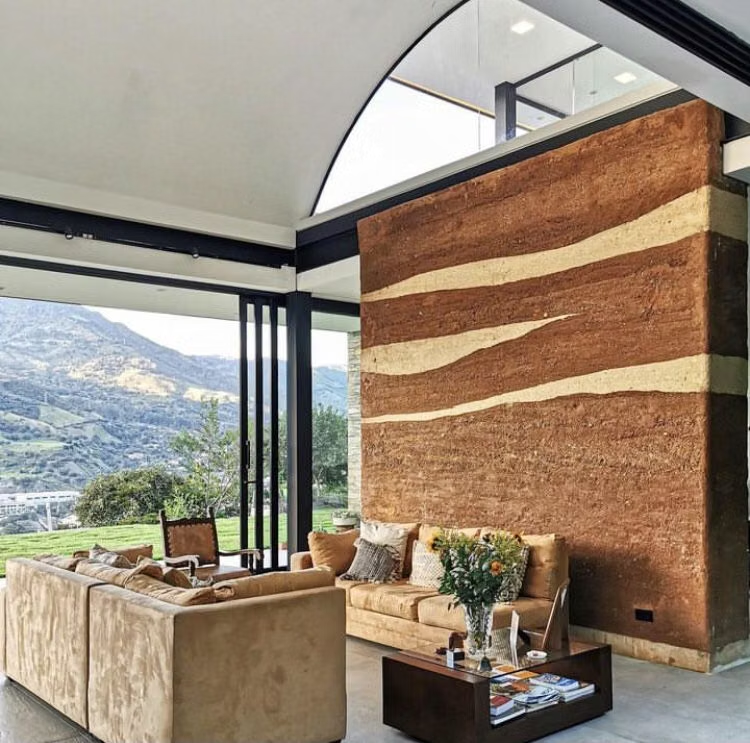
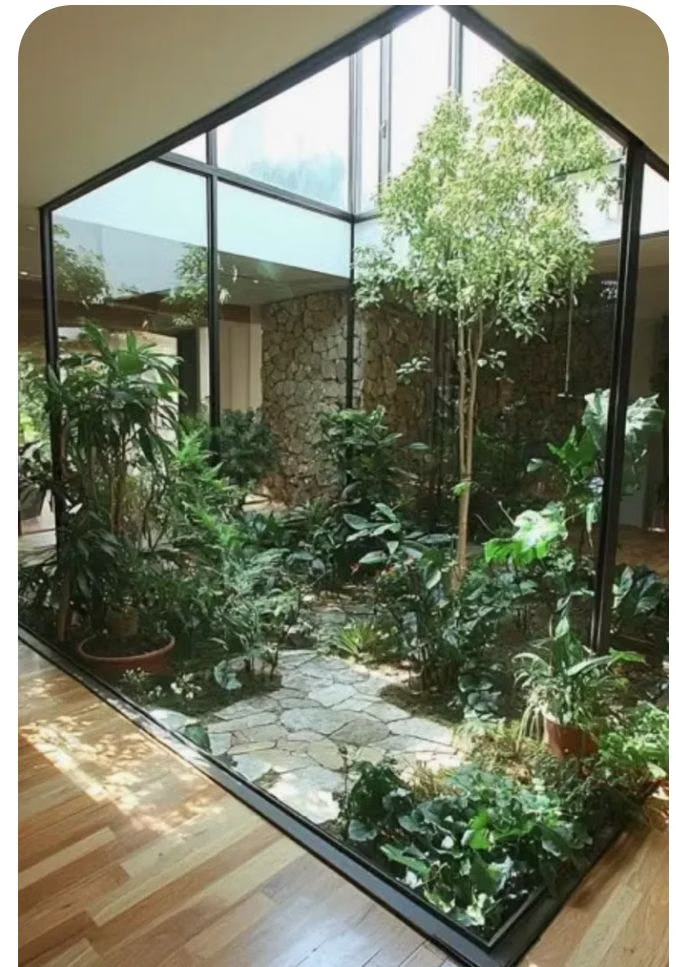
Nature-centered interfaces use organic shapes, botanical imagery, earthy colors, natural textures, and gentle motion.
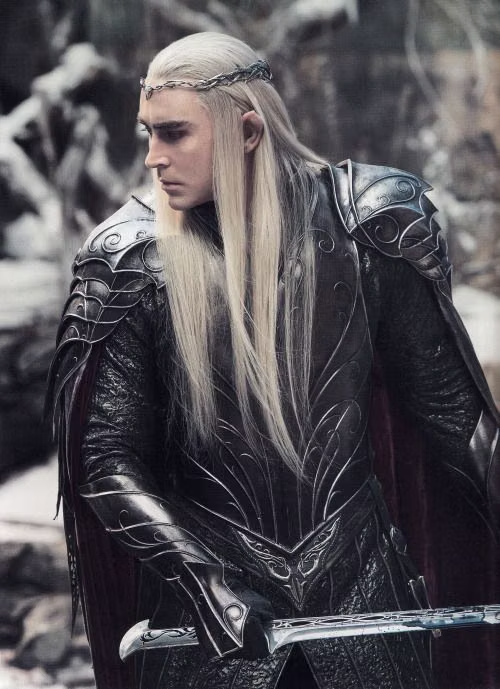

Elvish Aesthetic UI design style
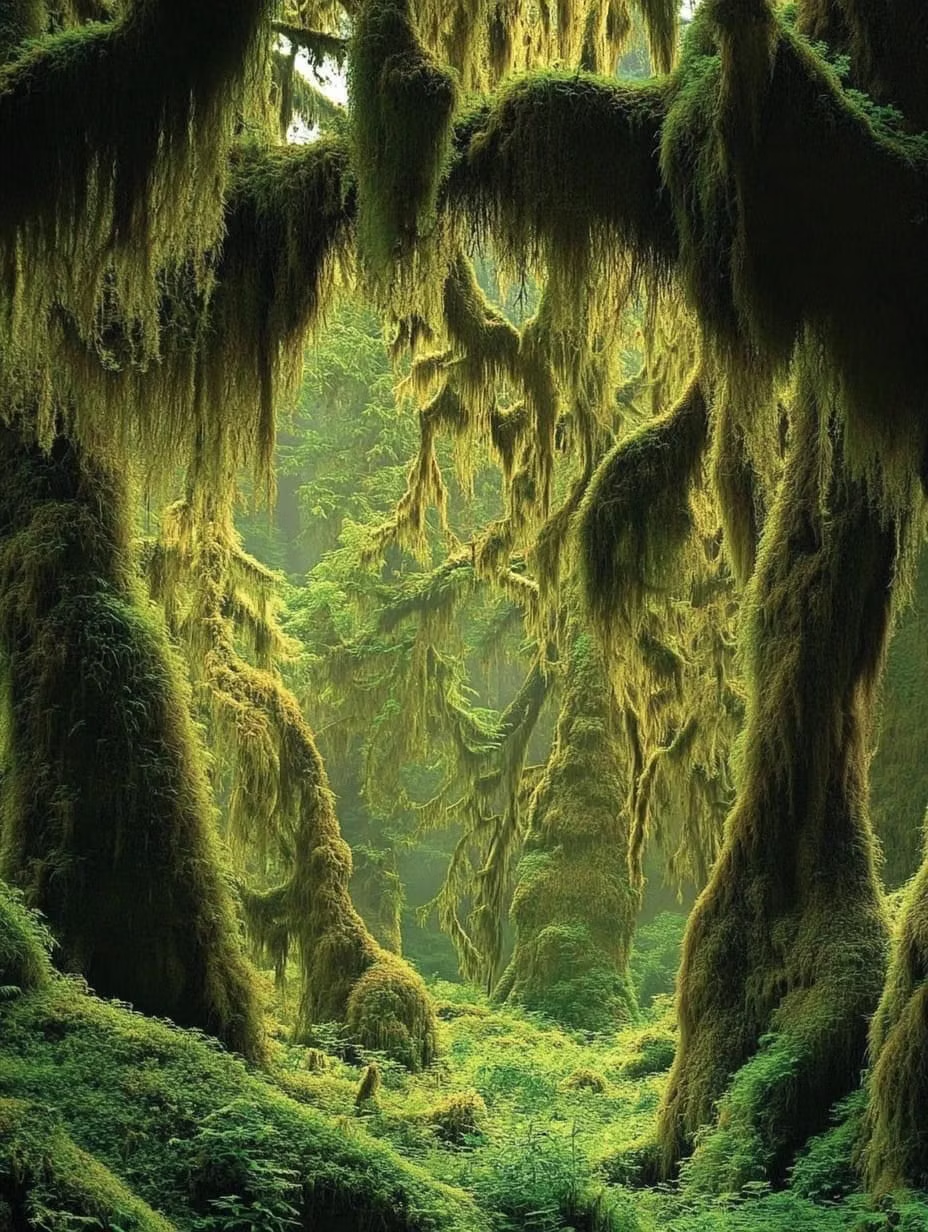
Nature-bound high fantasy combines graceful verticality, flowing botanical ornament, luminous landscapes, refined handcraft, and an ancient otherworldly calm.
Material Design UI design style
Google’s adaptive design system combines clear interface hierarchy, personalized color, accessible components, generous rounded geometry, and responsive behavior. Also known as Material You, it evolves Material Design away from paper-like realism toward flexible digital surfaces, with newer expressive variants introducing stronger typography, contrasting shapes, and more energetic motion.