Psychedelic Design UI design style
Surreal imagery, distorted lettering, intense colors, fluid patterns, and dreamlike compositions.
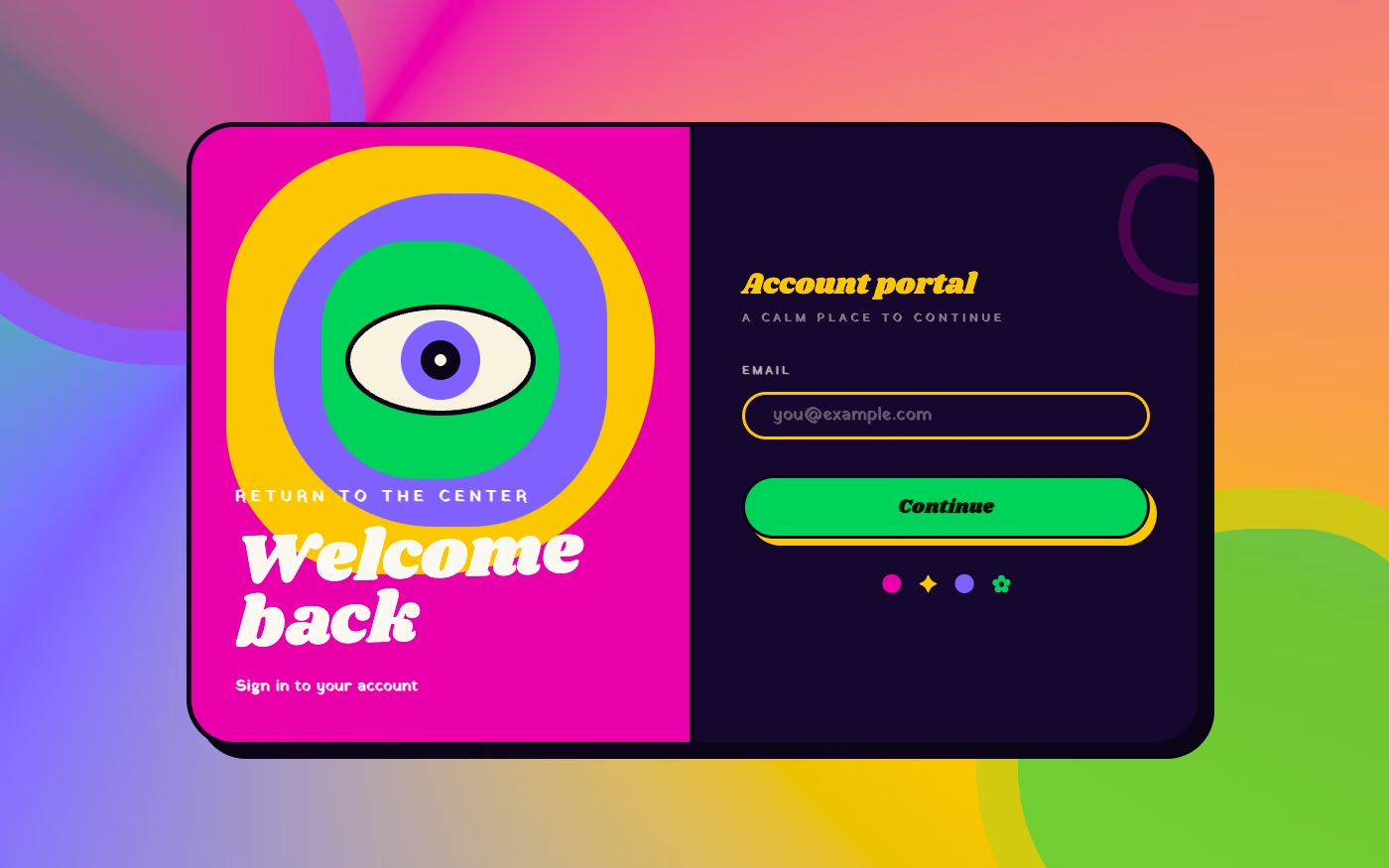
Design overview
- Signature elements
- warped lettering, kaleidoscopic patterns, saturated color, liquid forms, surreal motifs, dense ornament
- Best suited to
- Music, festivals, fashion, entertainment, and experimental campaigns.
- Layout principles
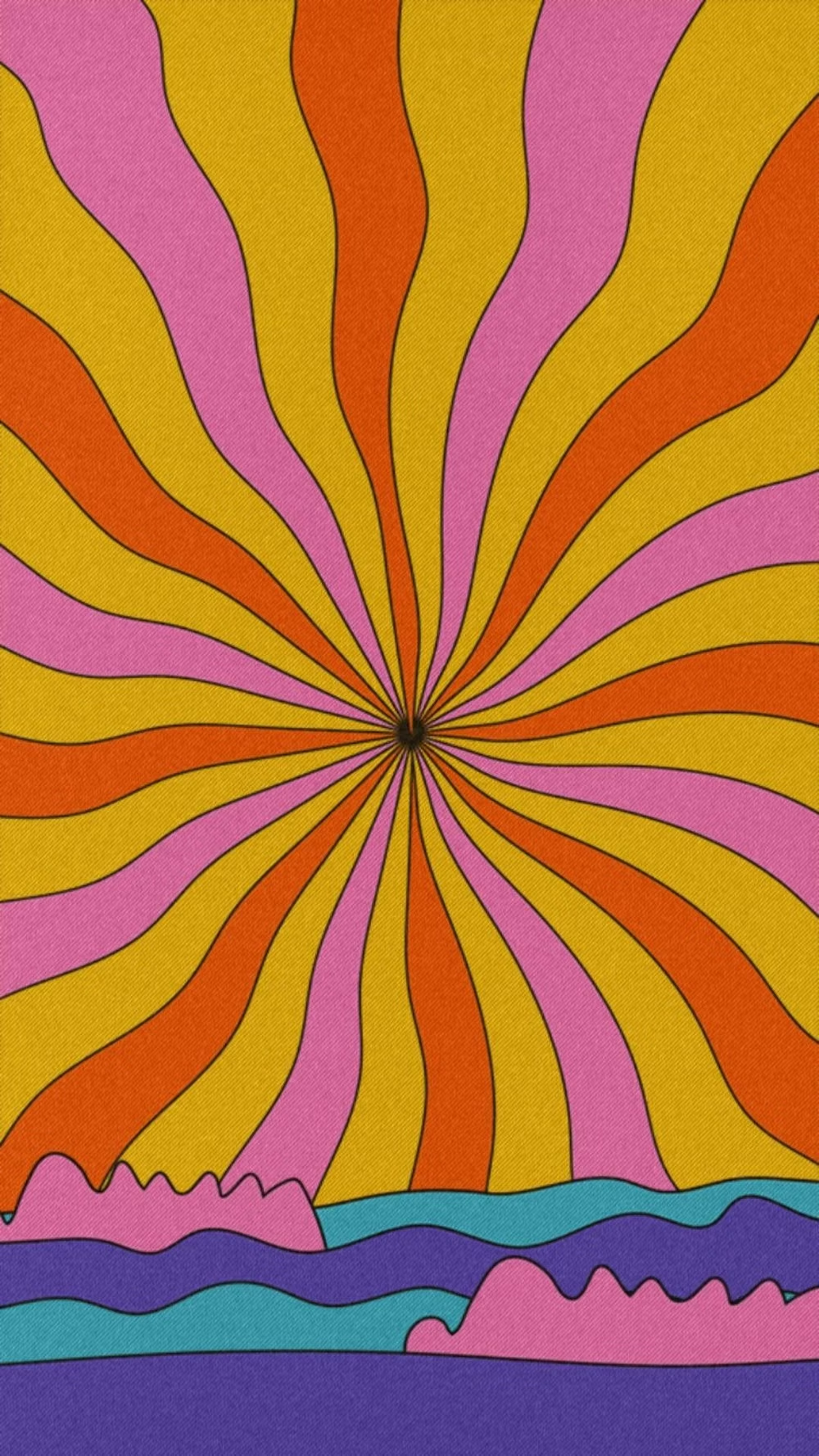
- Build a flowing radial or spiral composition with a strong center, letting imagery and lettering curve outward through layered dreamlike zones.
History and origins
A fact-checked account of where this visual language came from, with links to the references used.
- Period
- Mid-1960s–early 1970s
- Origin
- Counterculture centers including San Francisco and London
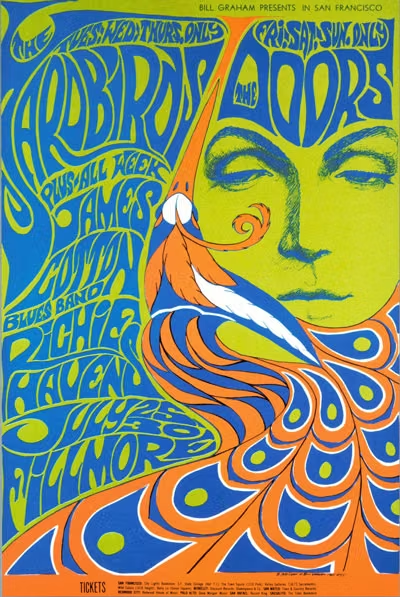
Psychedelic graphic design grew with 1960s counterculture, rock music, light shows, and altered-state imagery. San Francisco’s Haight-Ashbury scene and venues such as the Fillmore generated influential posters with vibrating color, compressed lettering, Art Nouveau revival lines, and optical distortion; the language later returned through rave and digital culture.
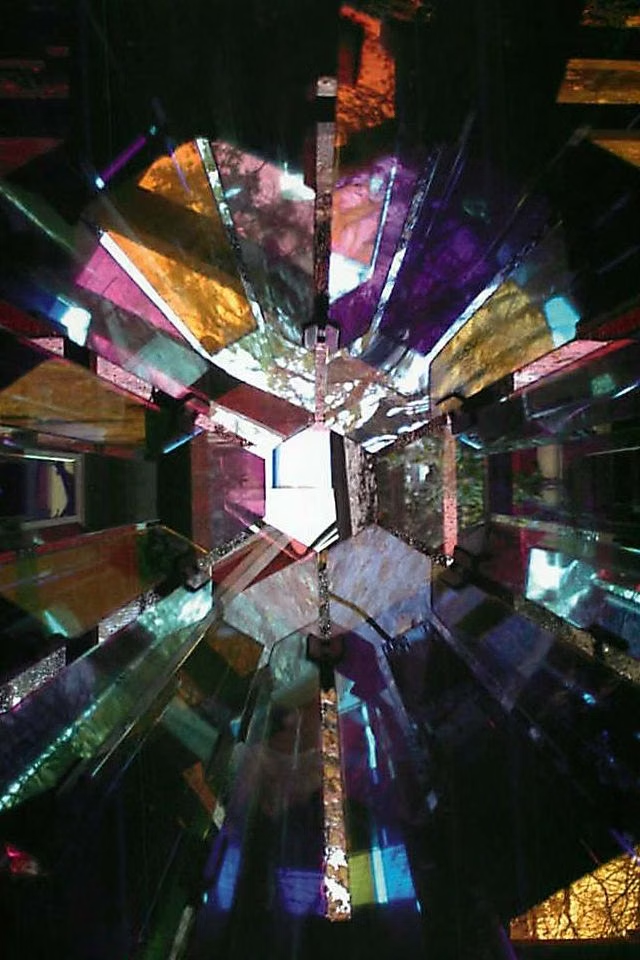
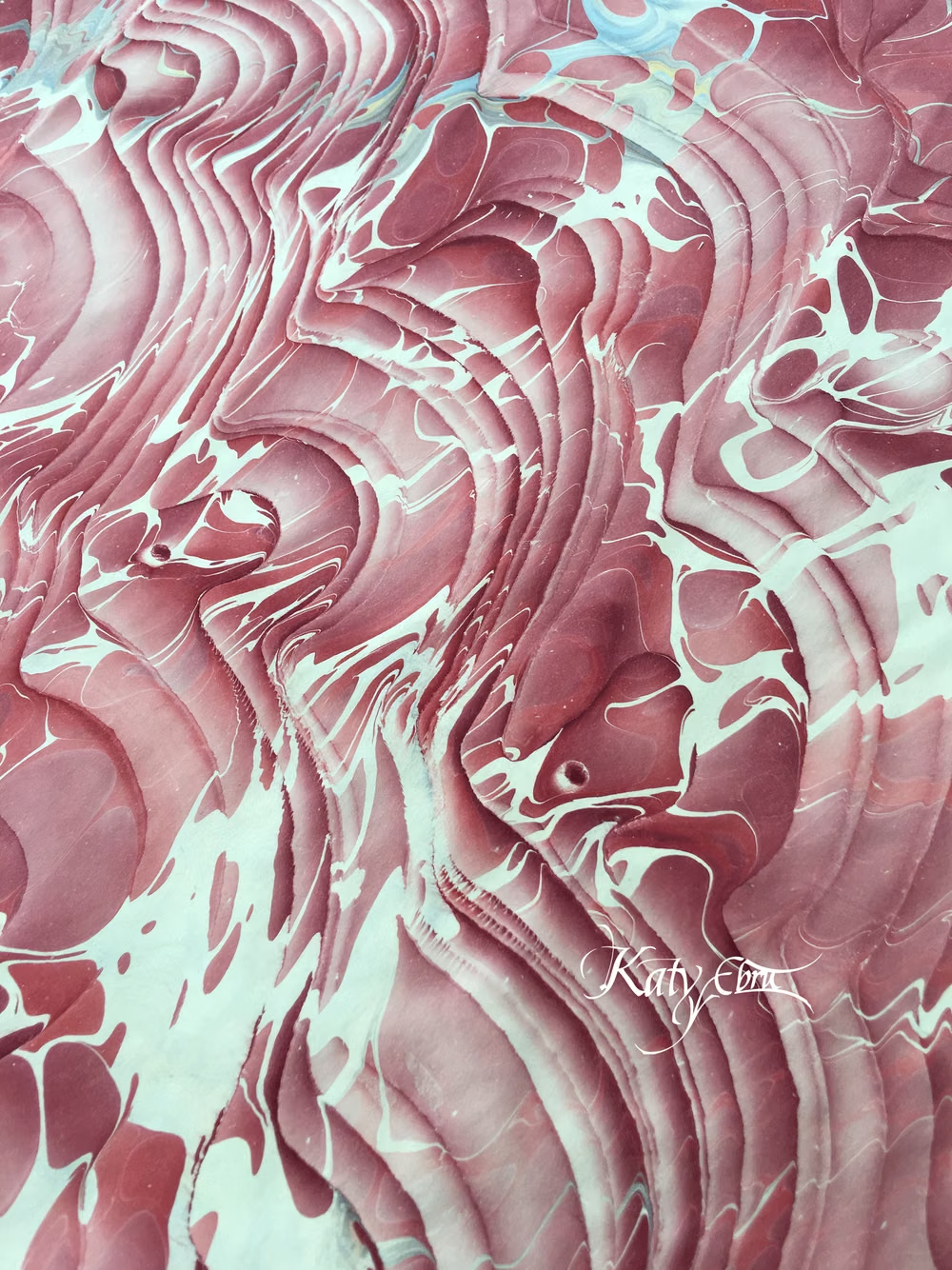
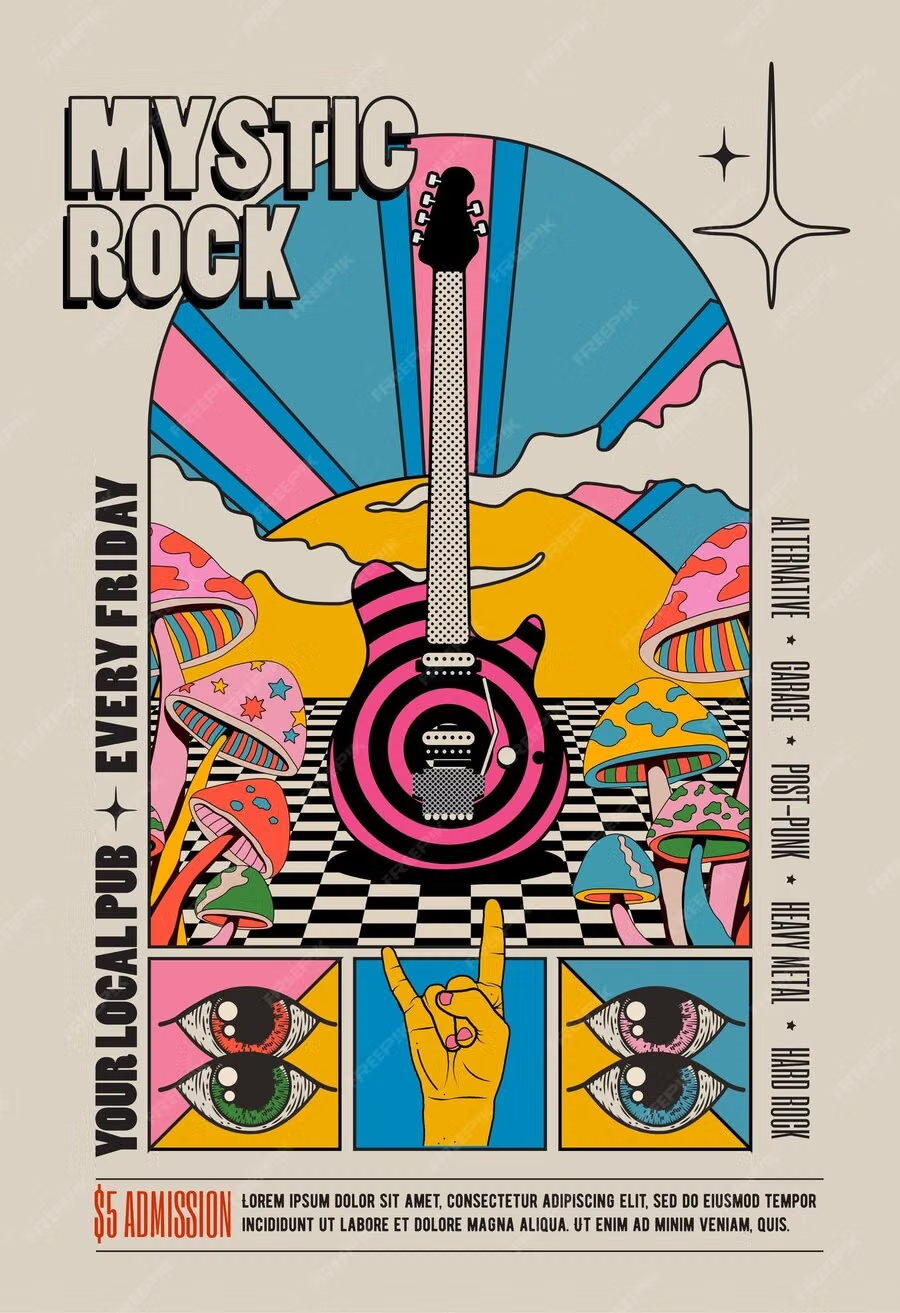
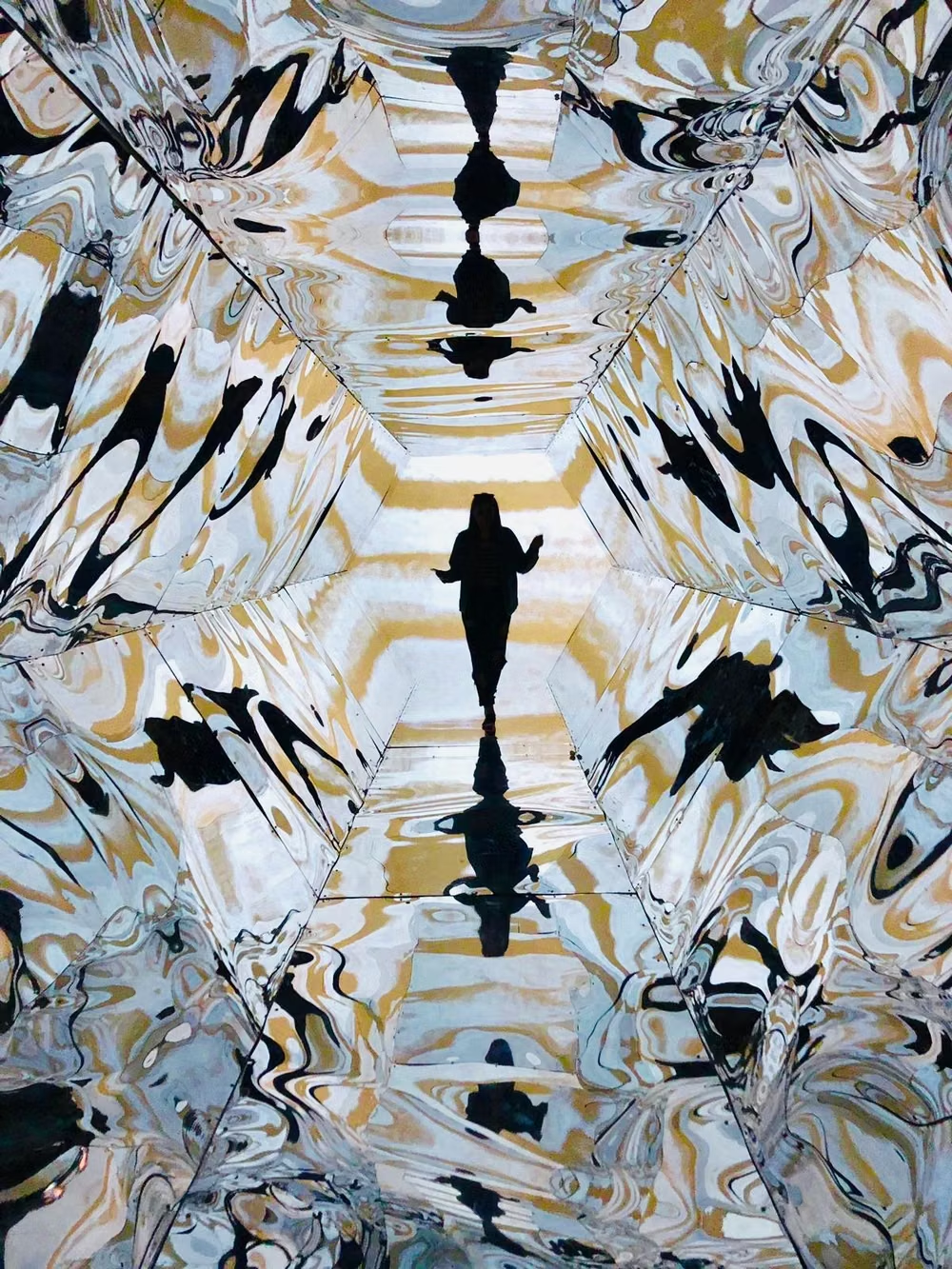
Moodboard and visual references
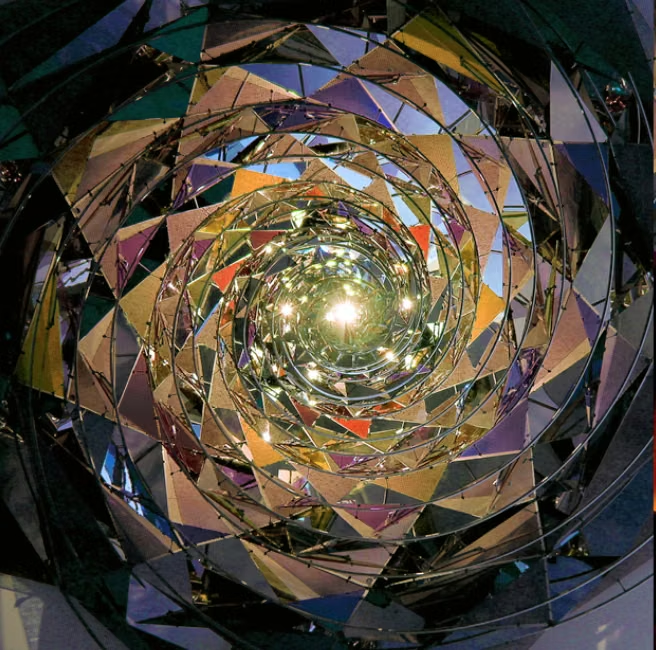
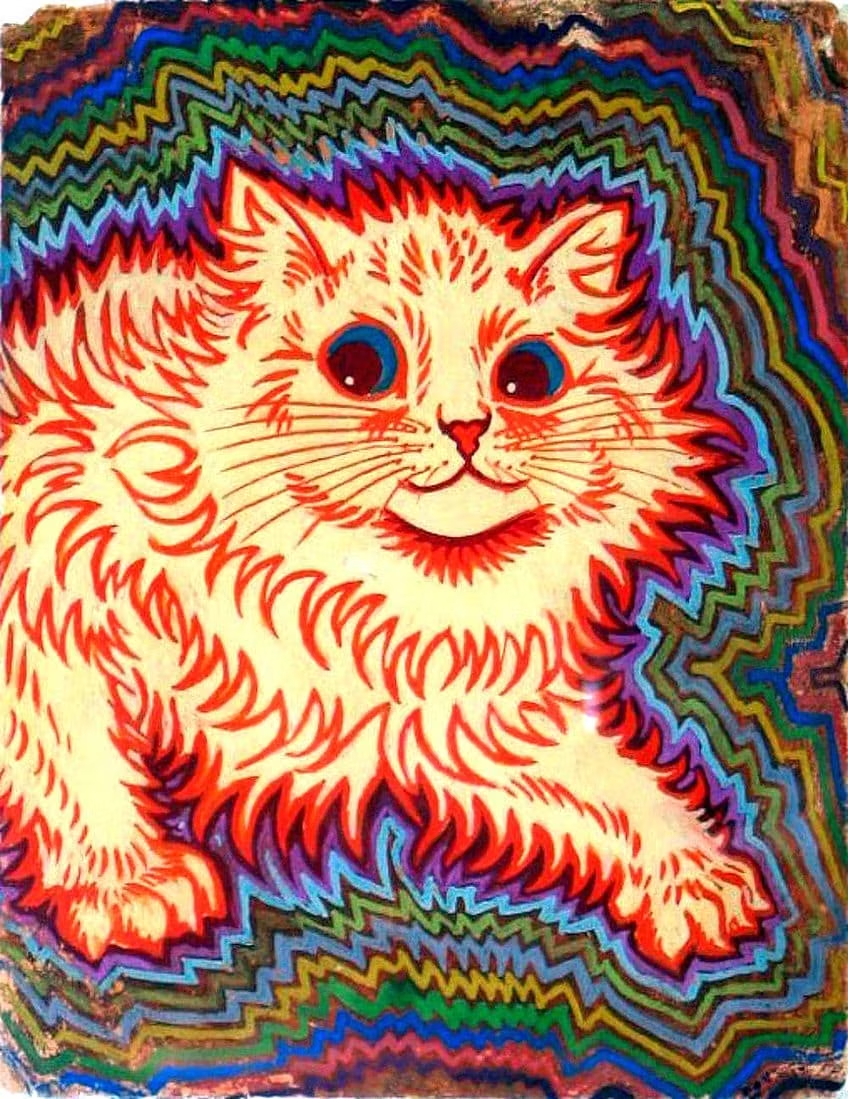
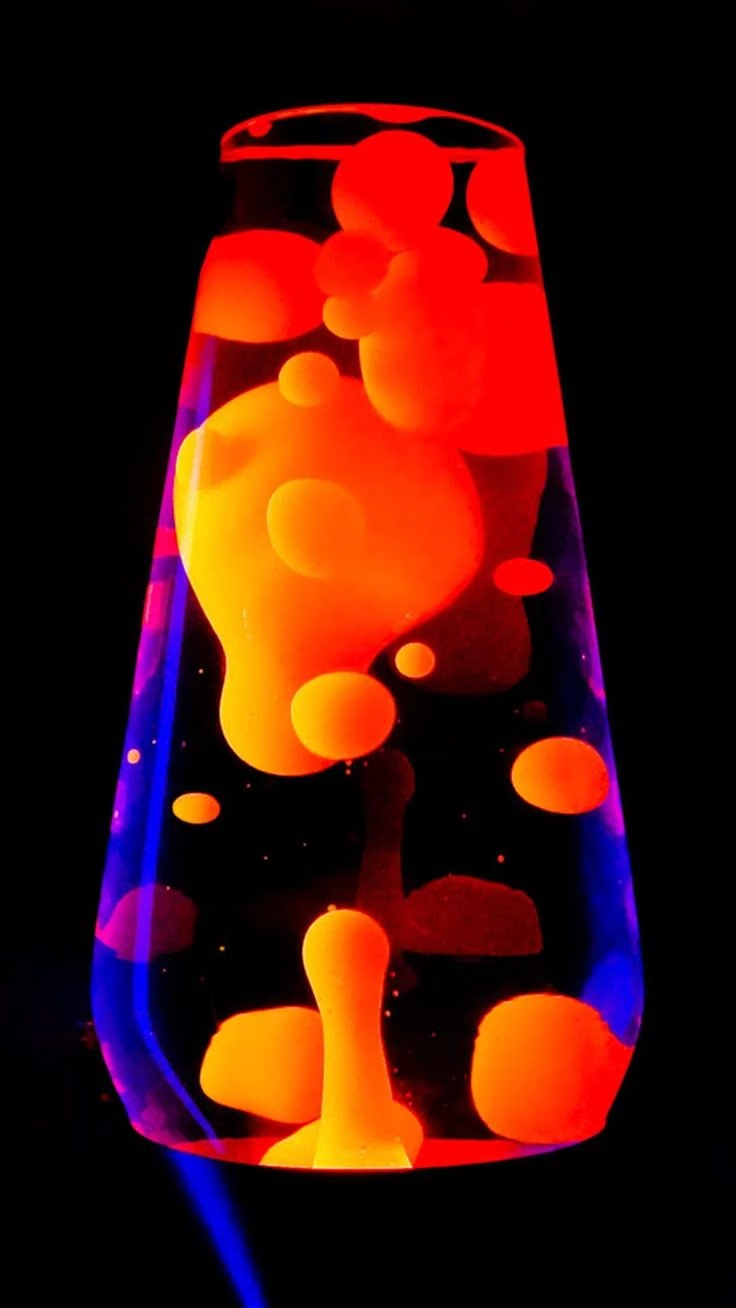
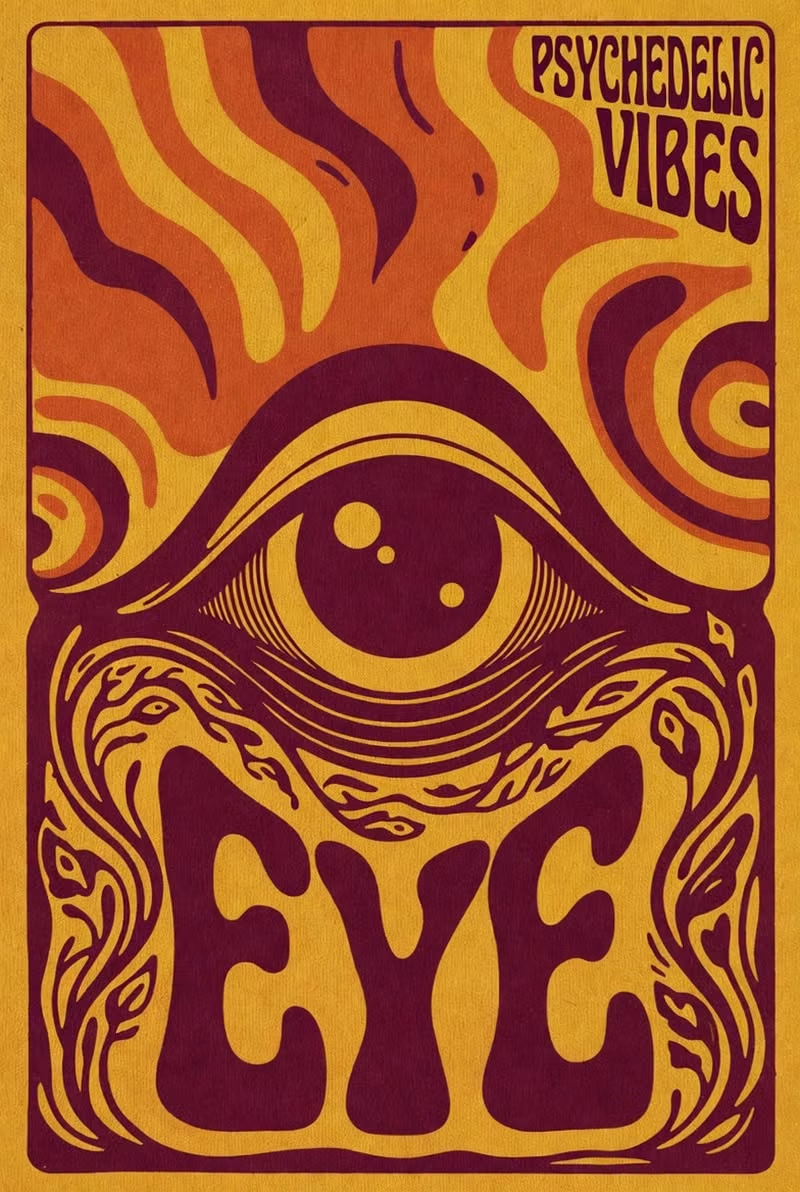
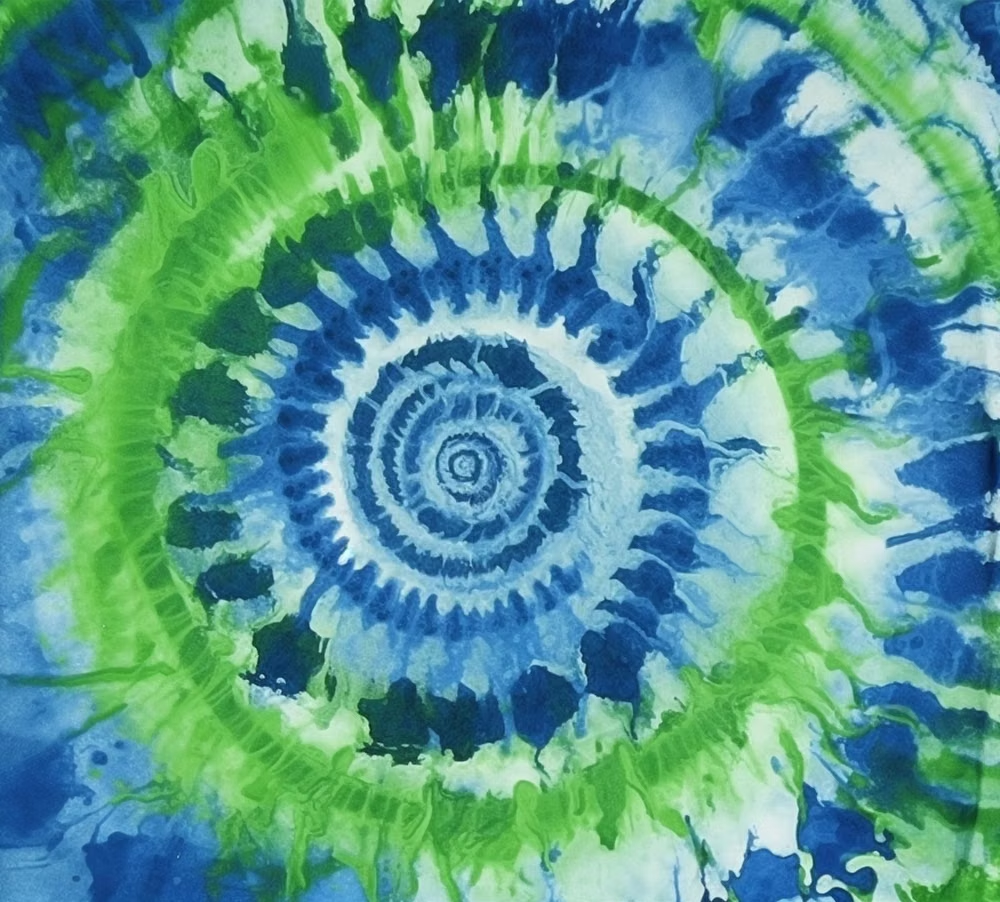
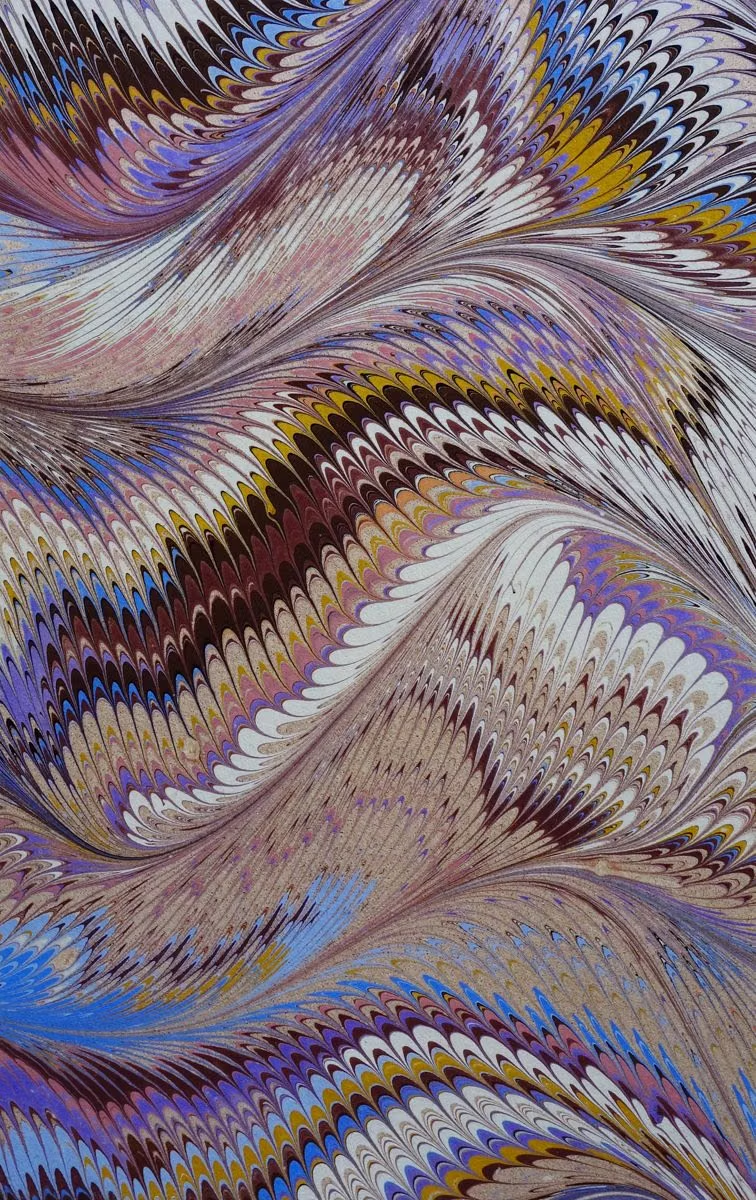
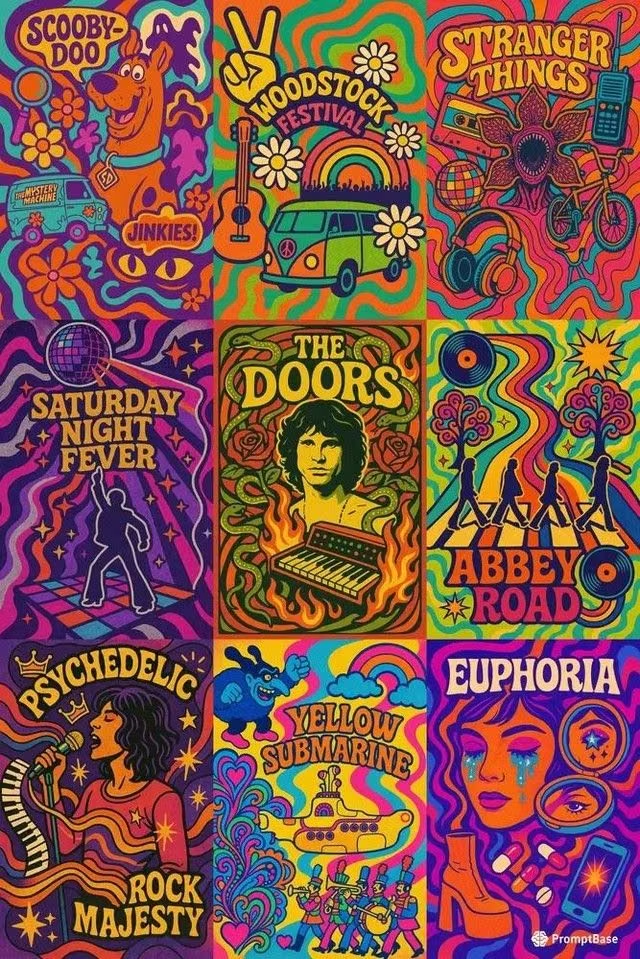
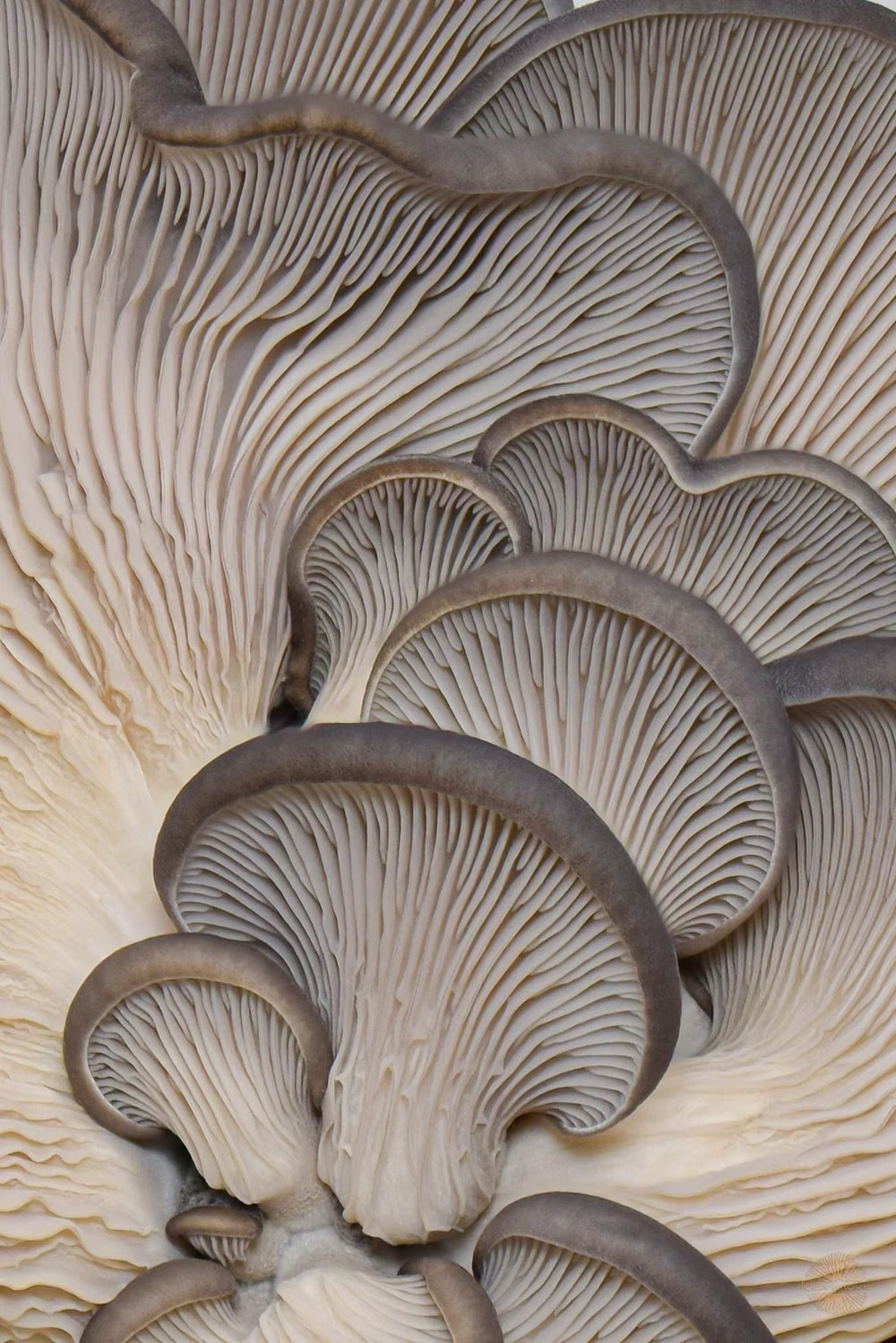
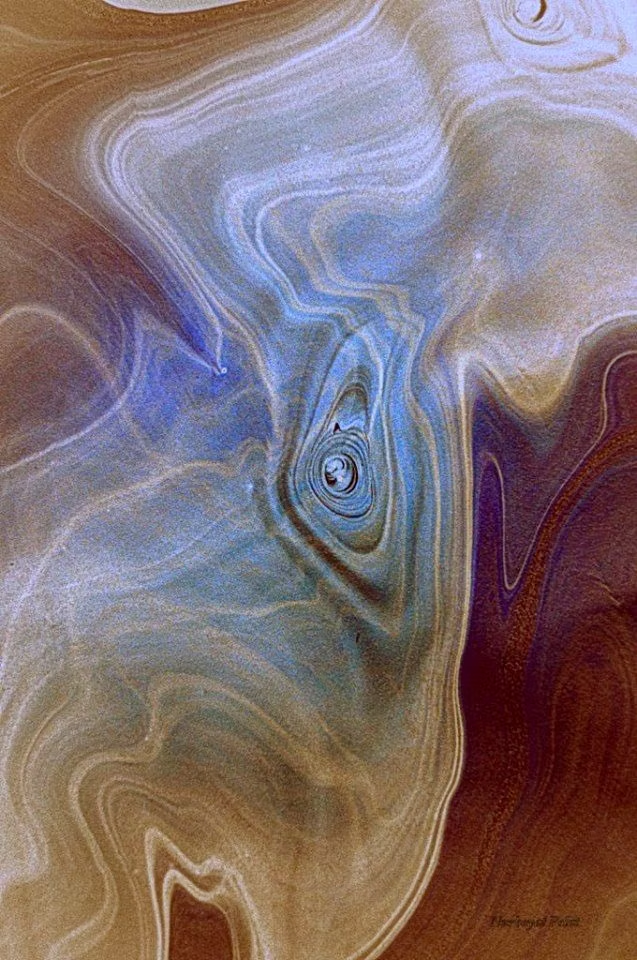
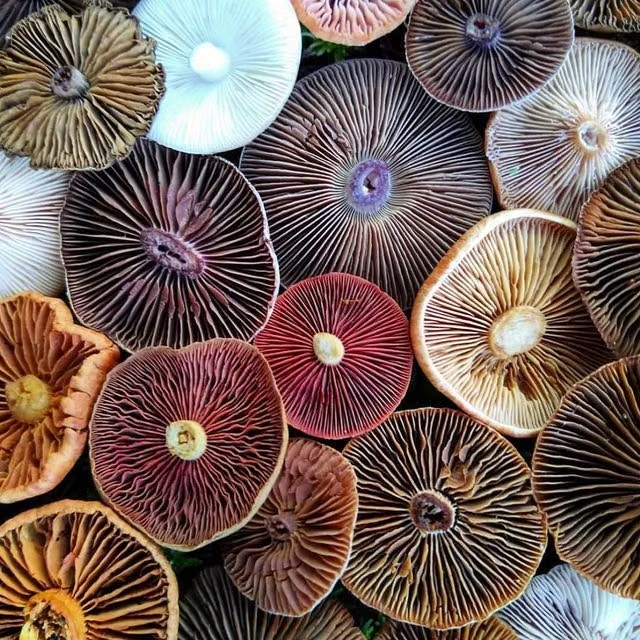
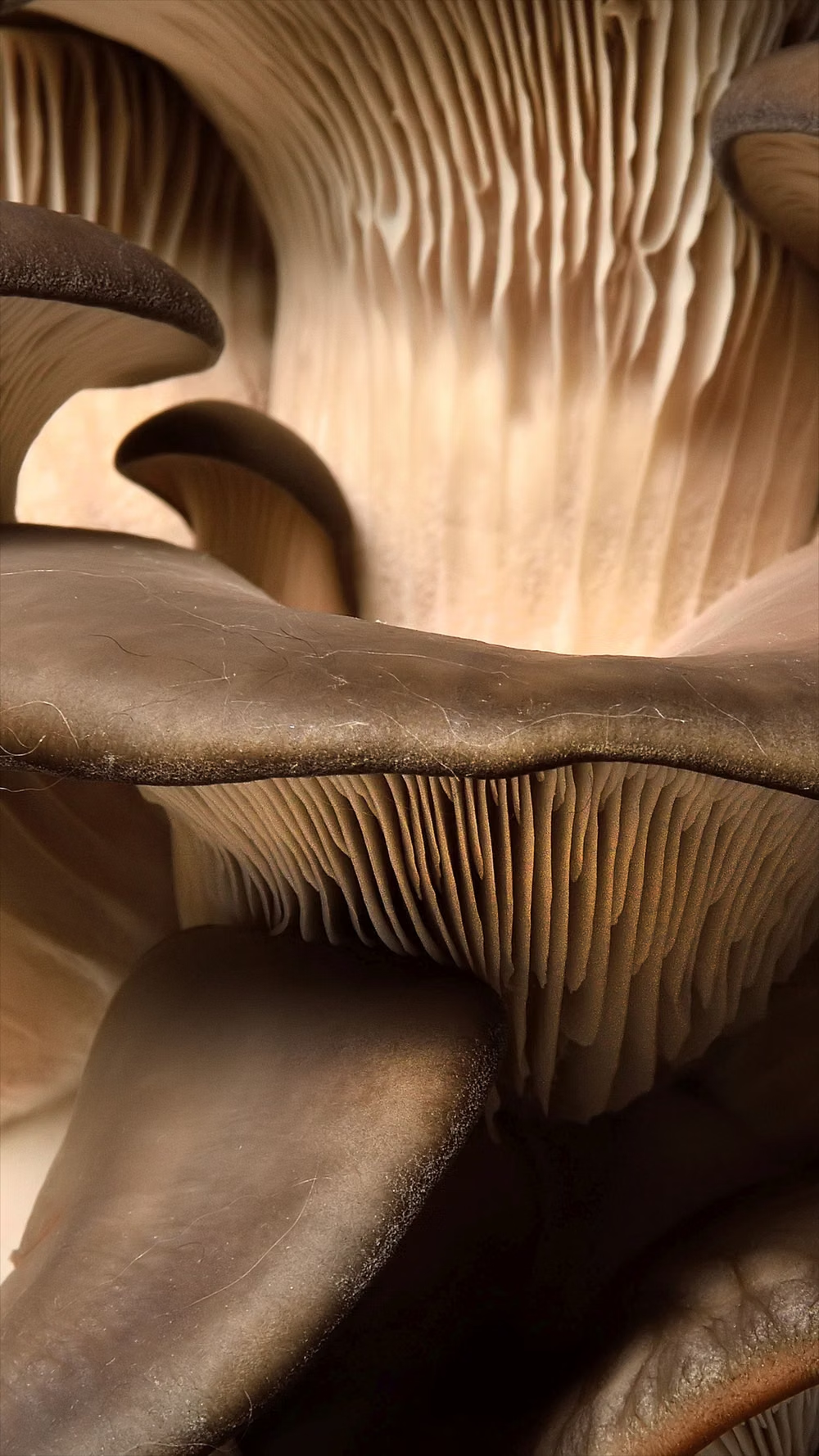
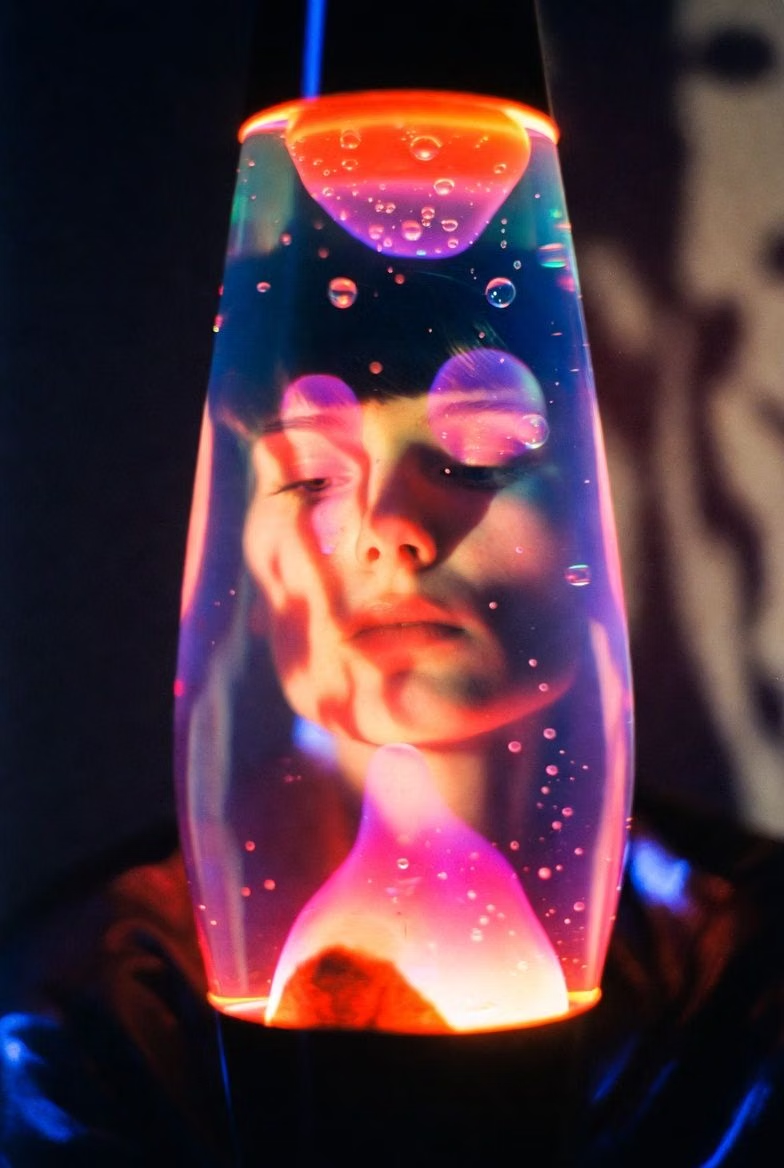
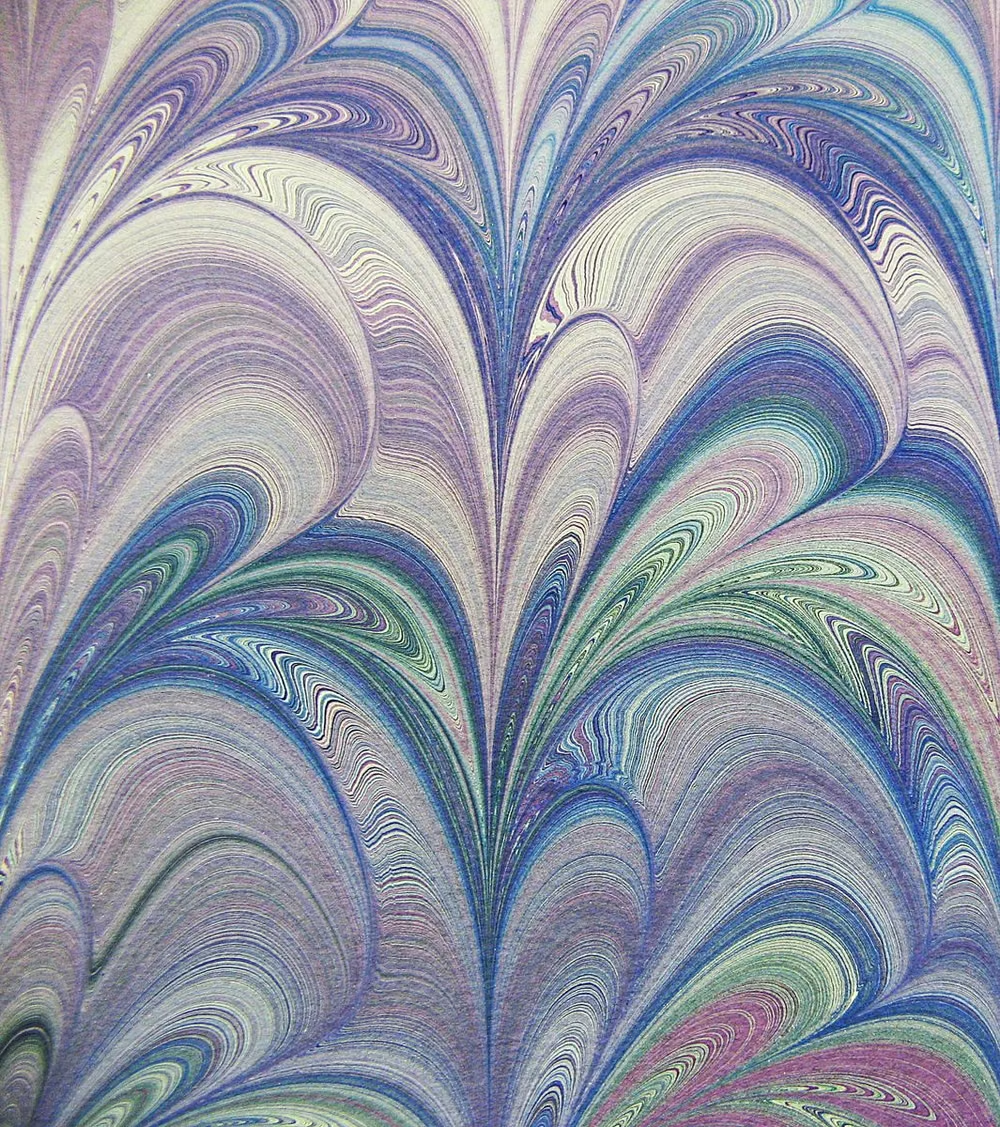
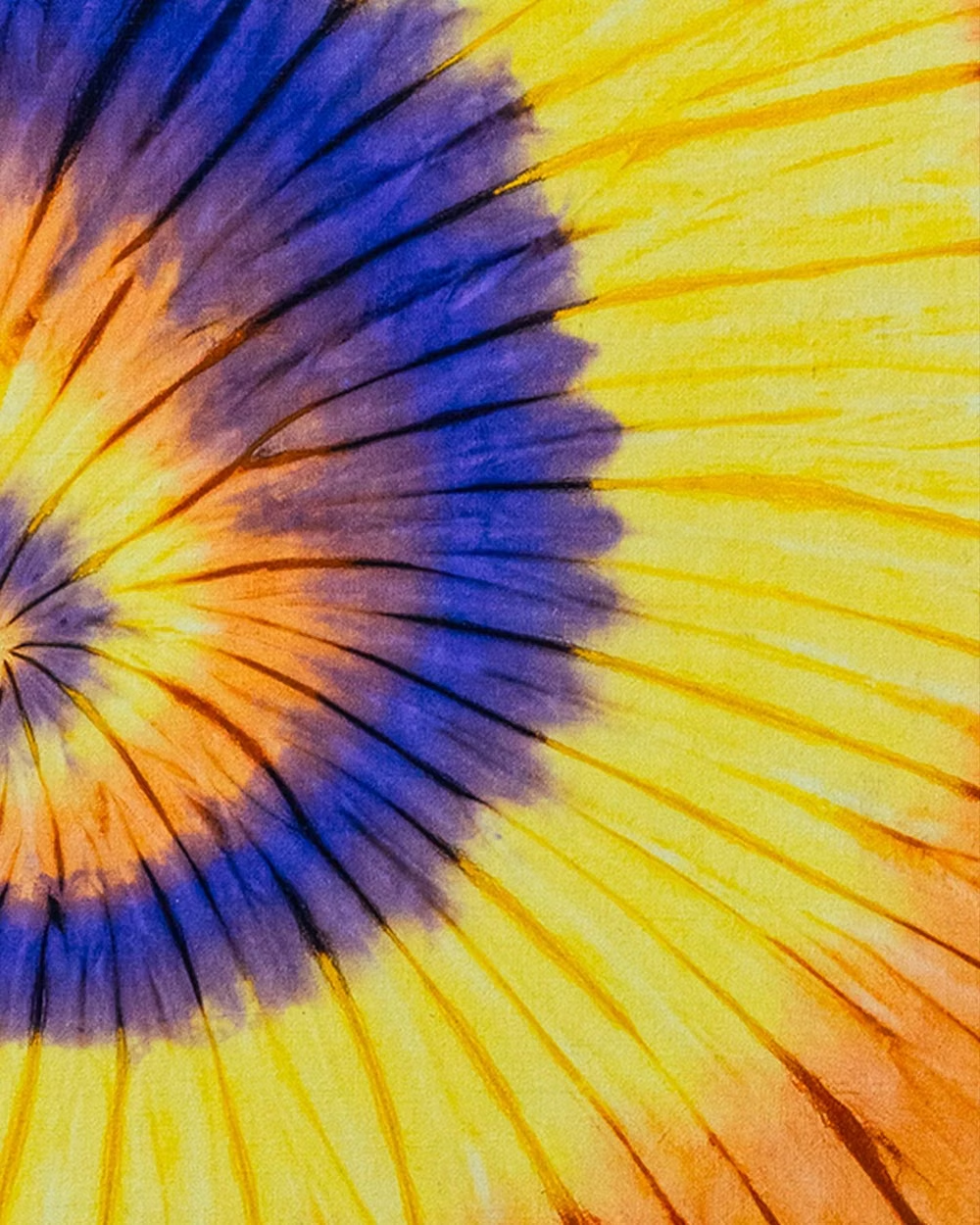
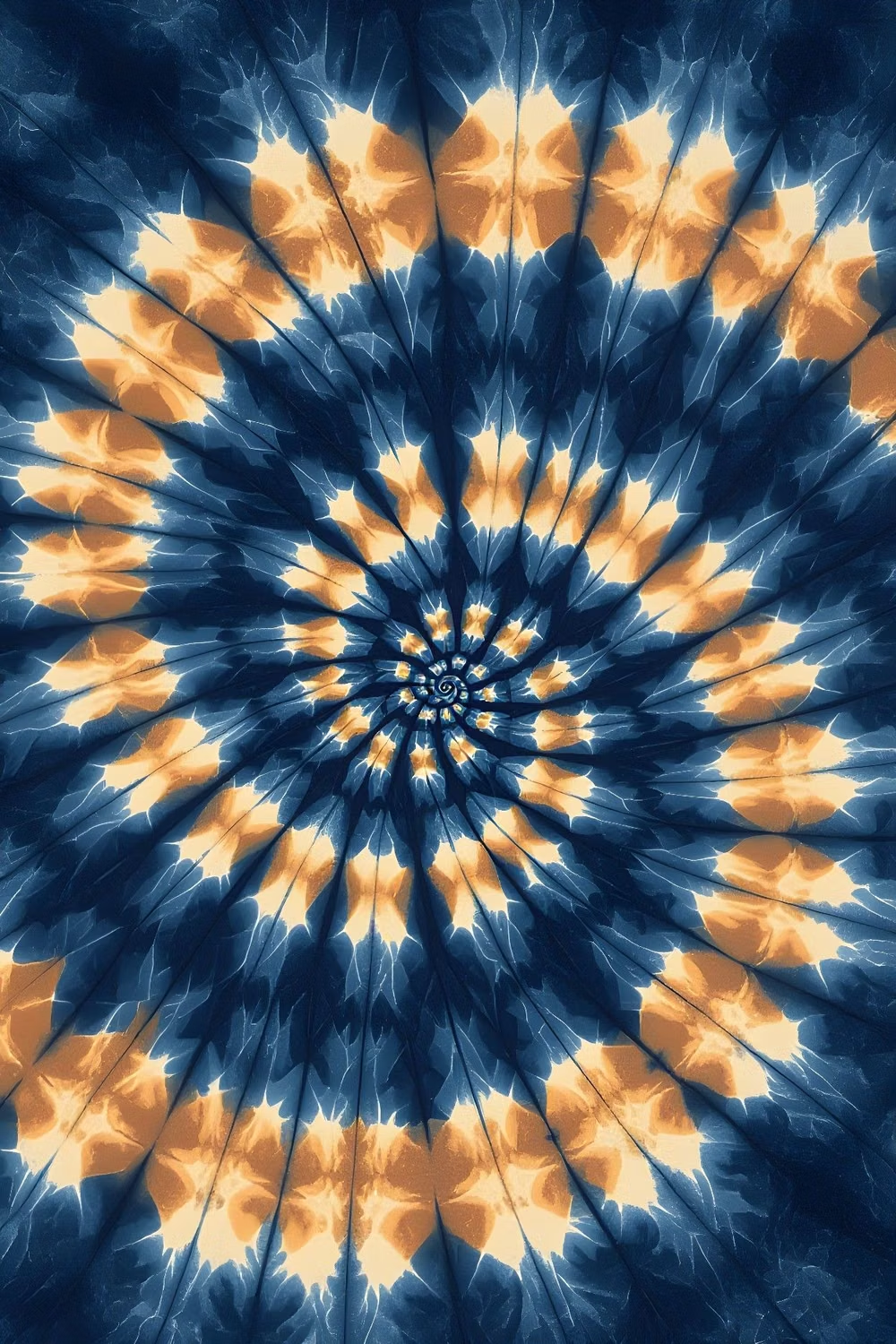
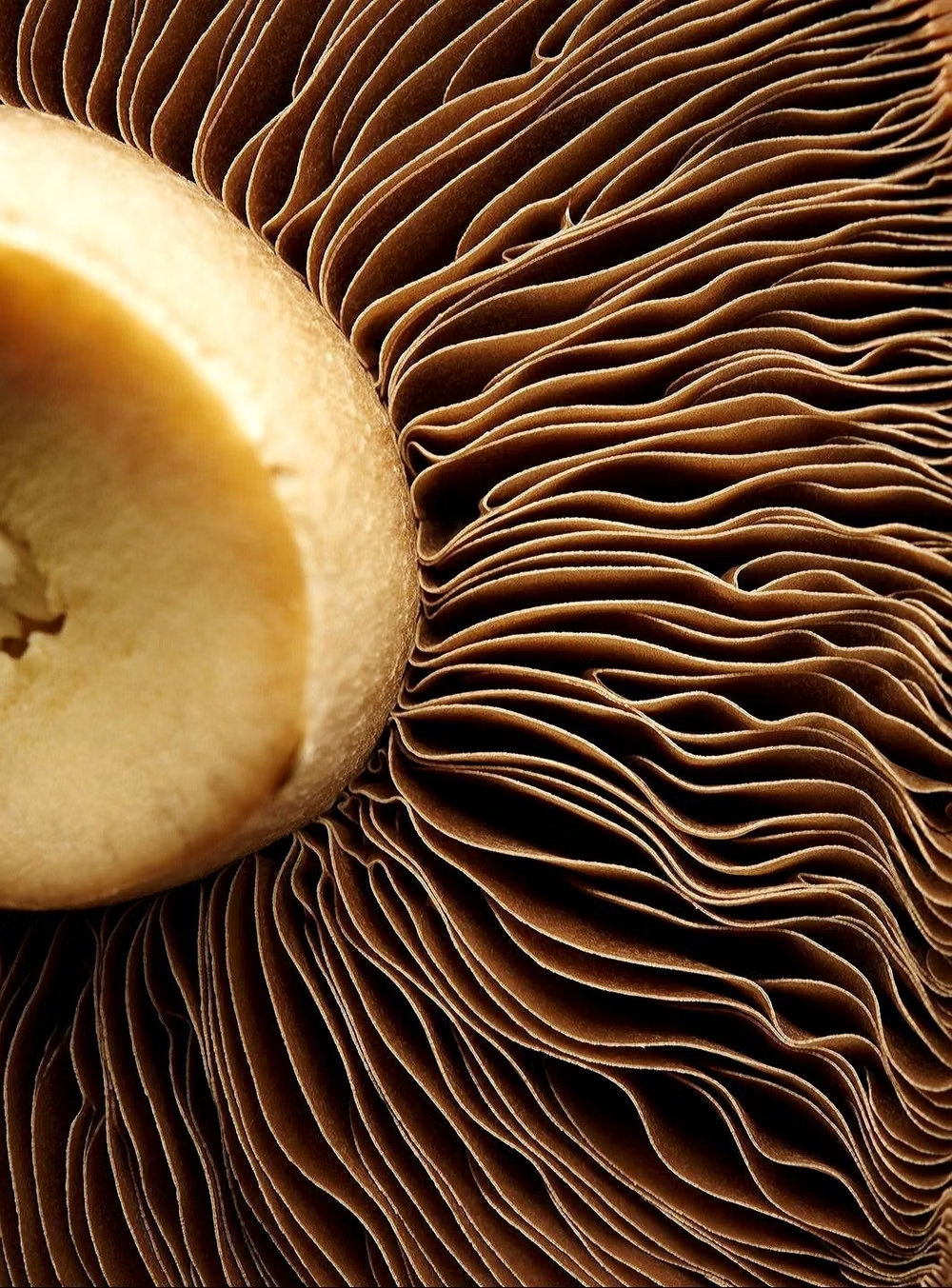
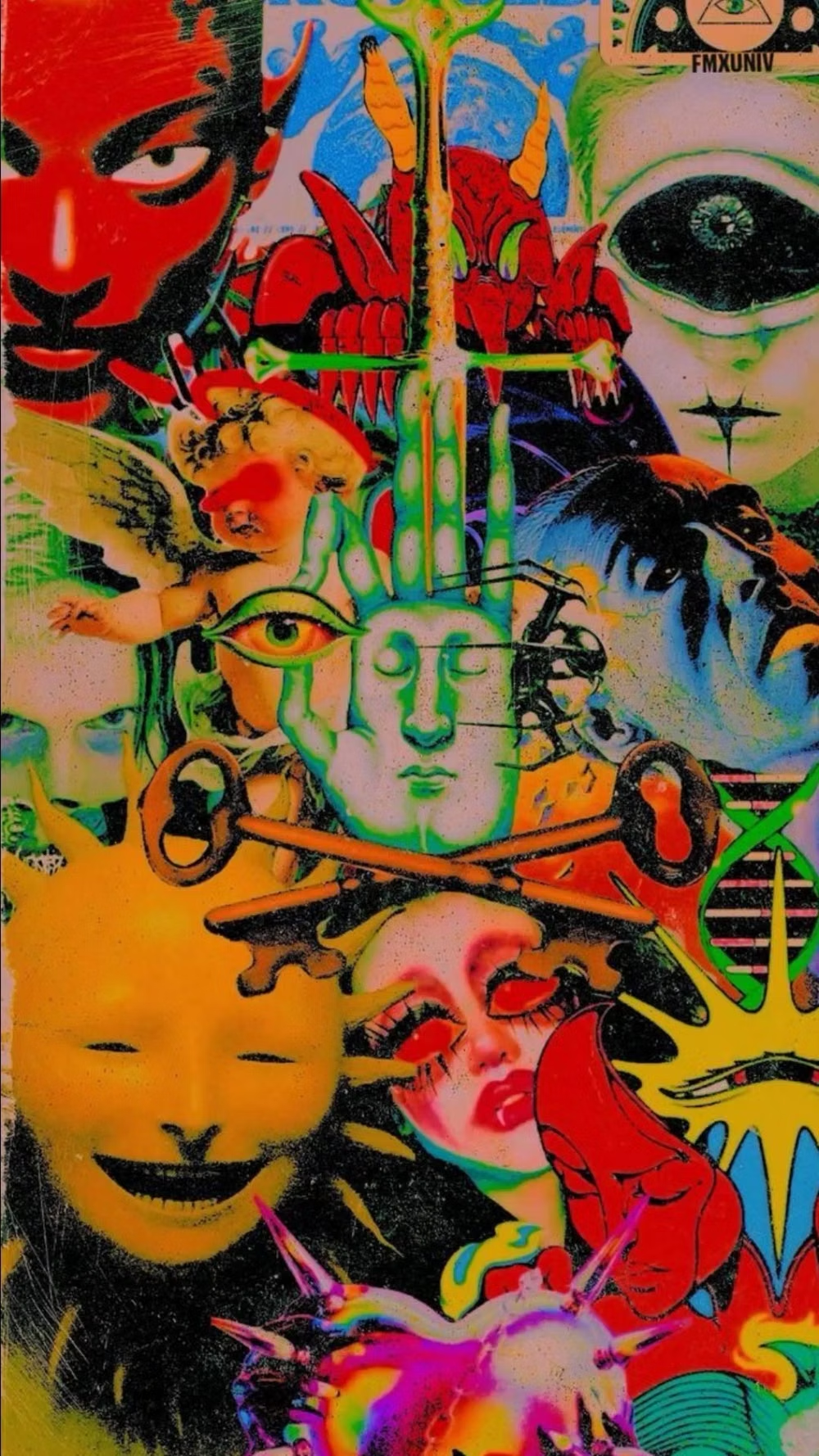
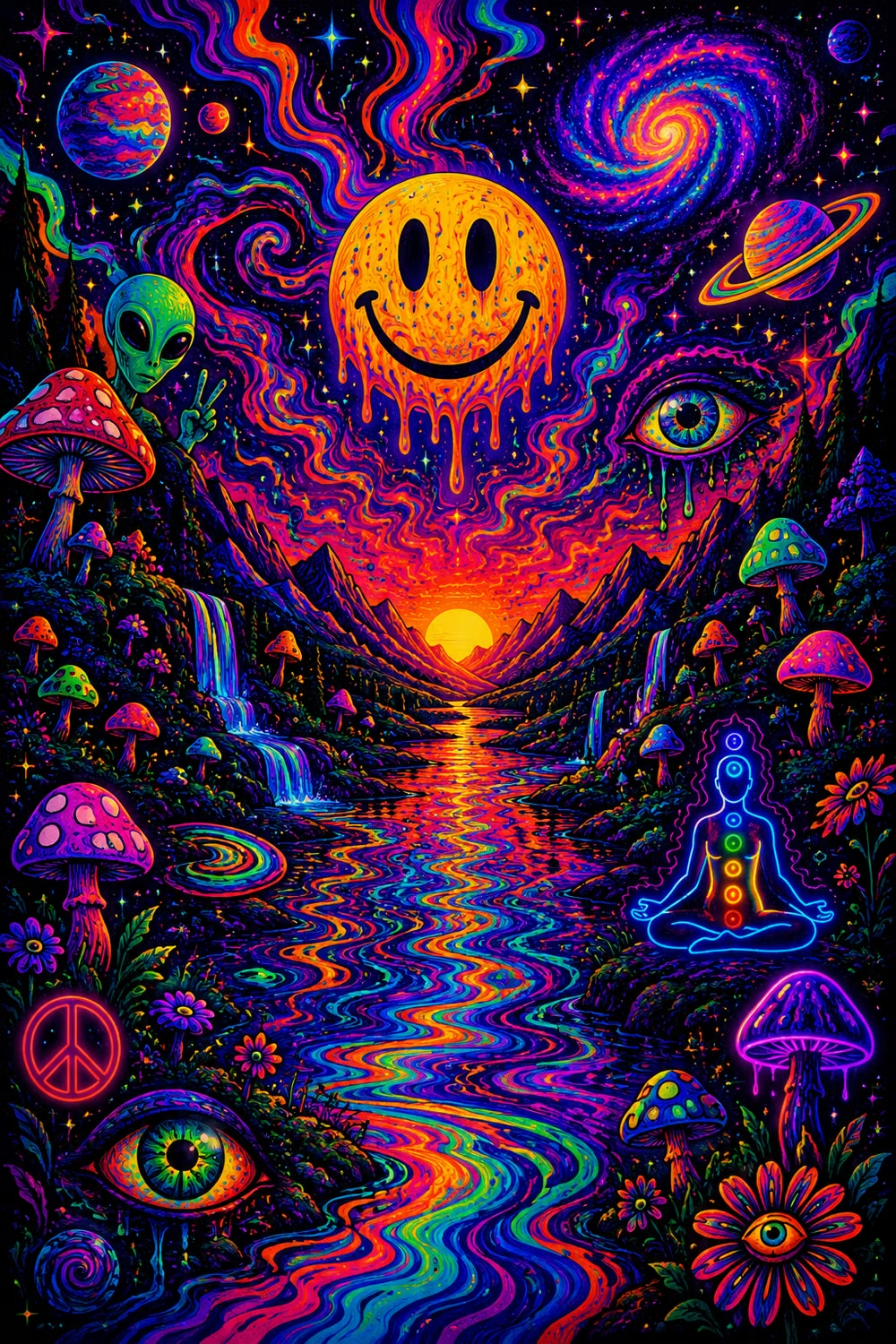
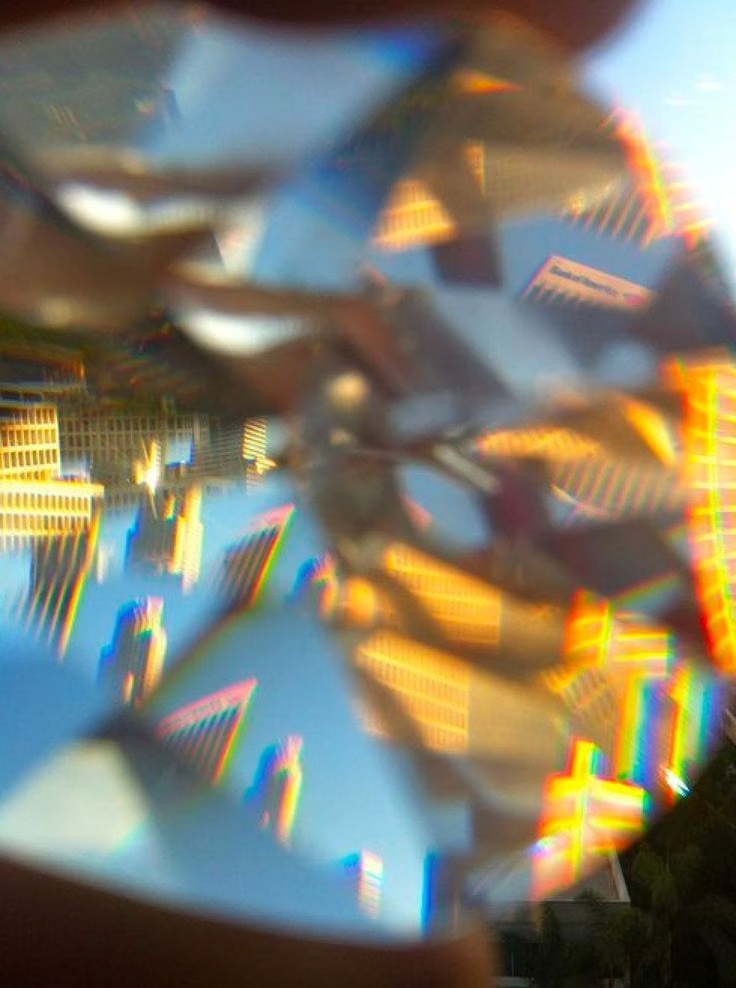
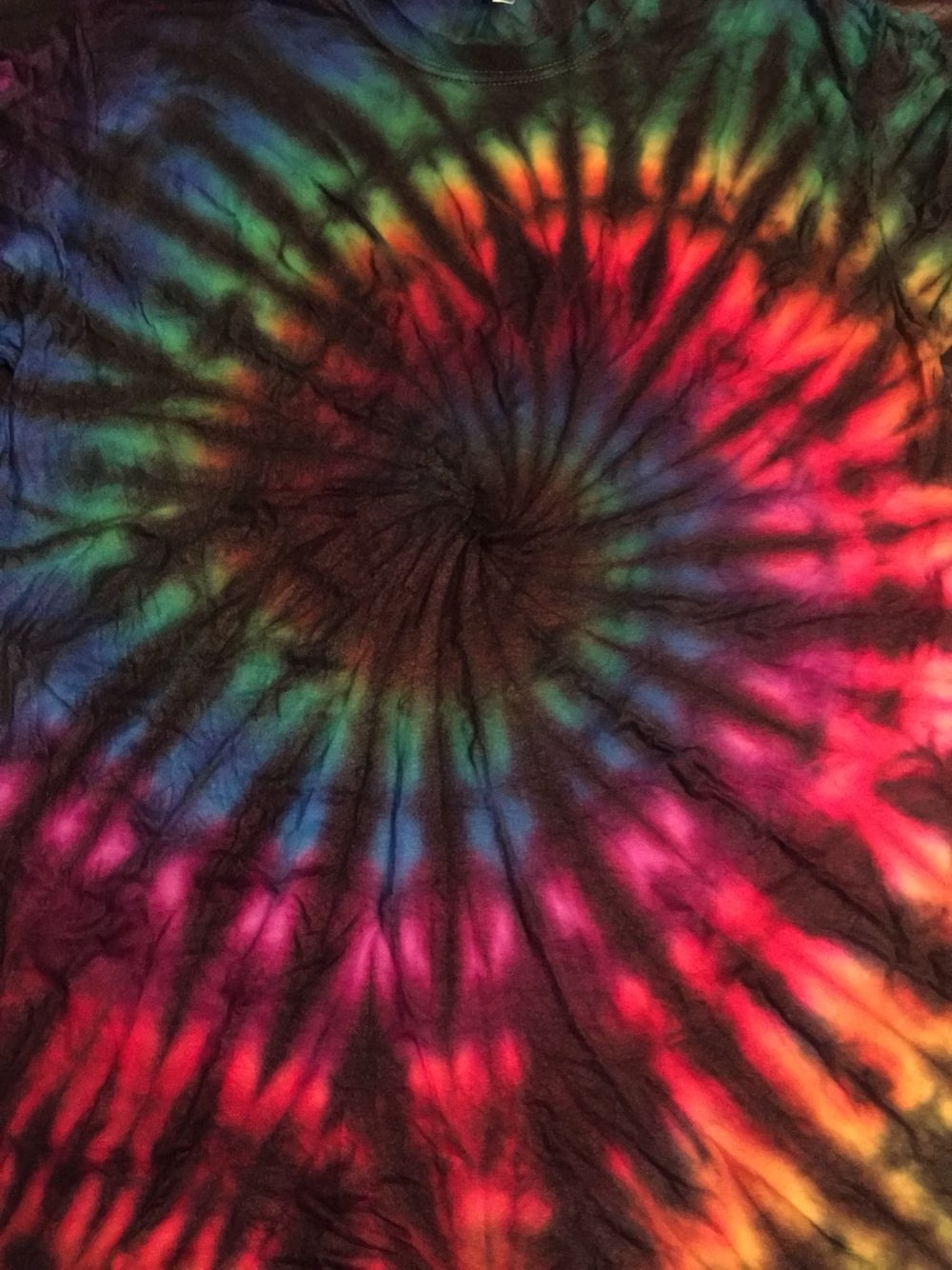
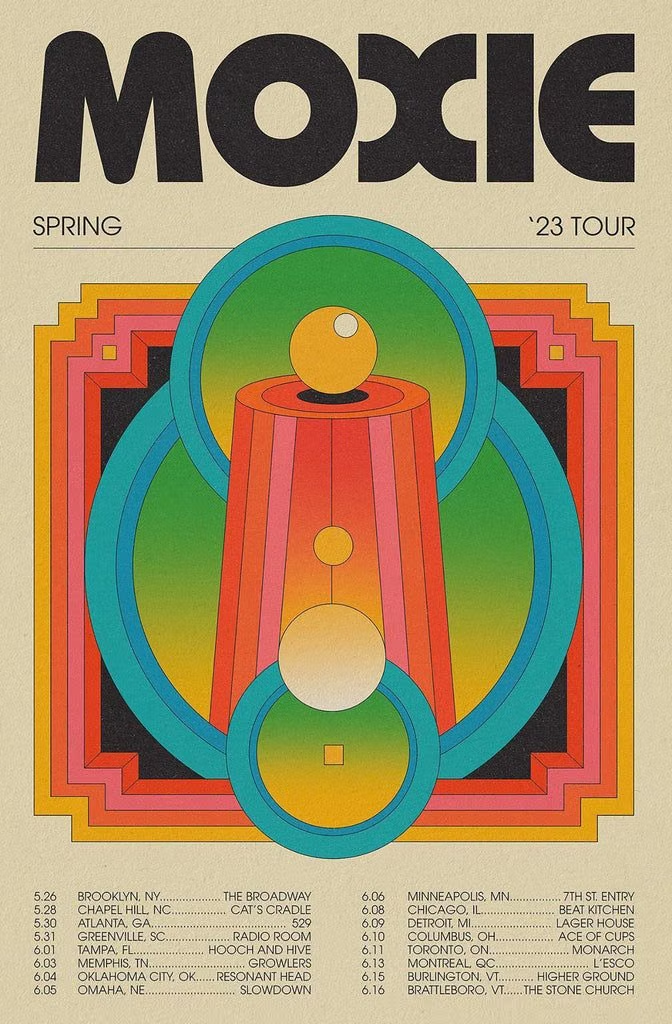
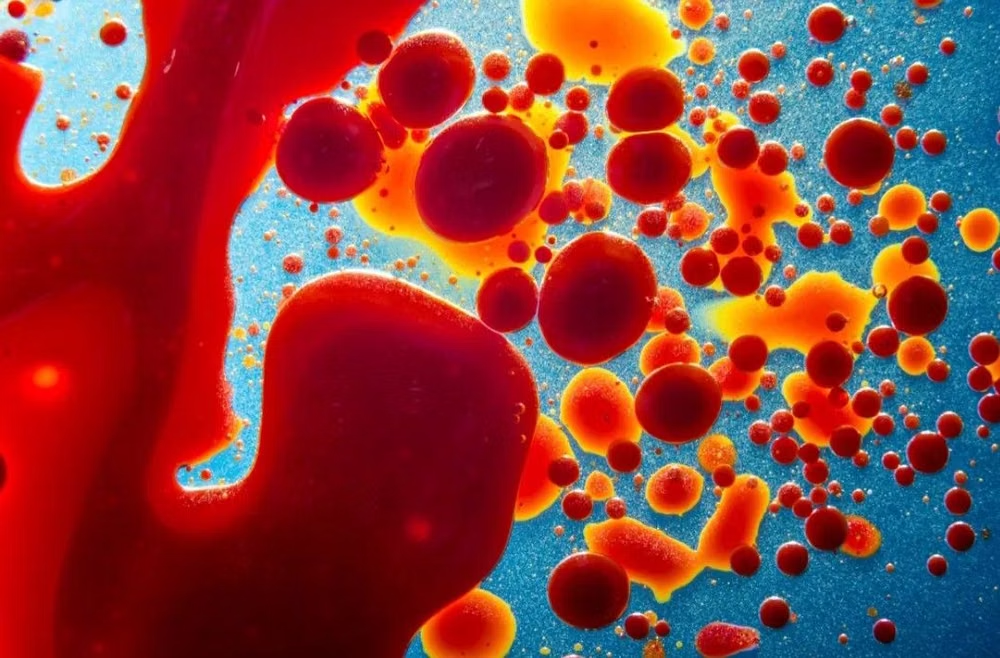
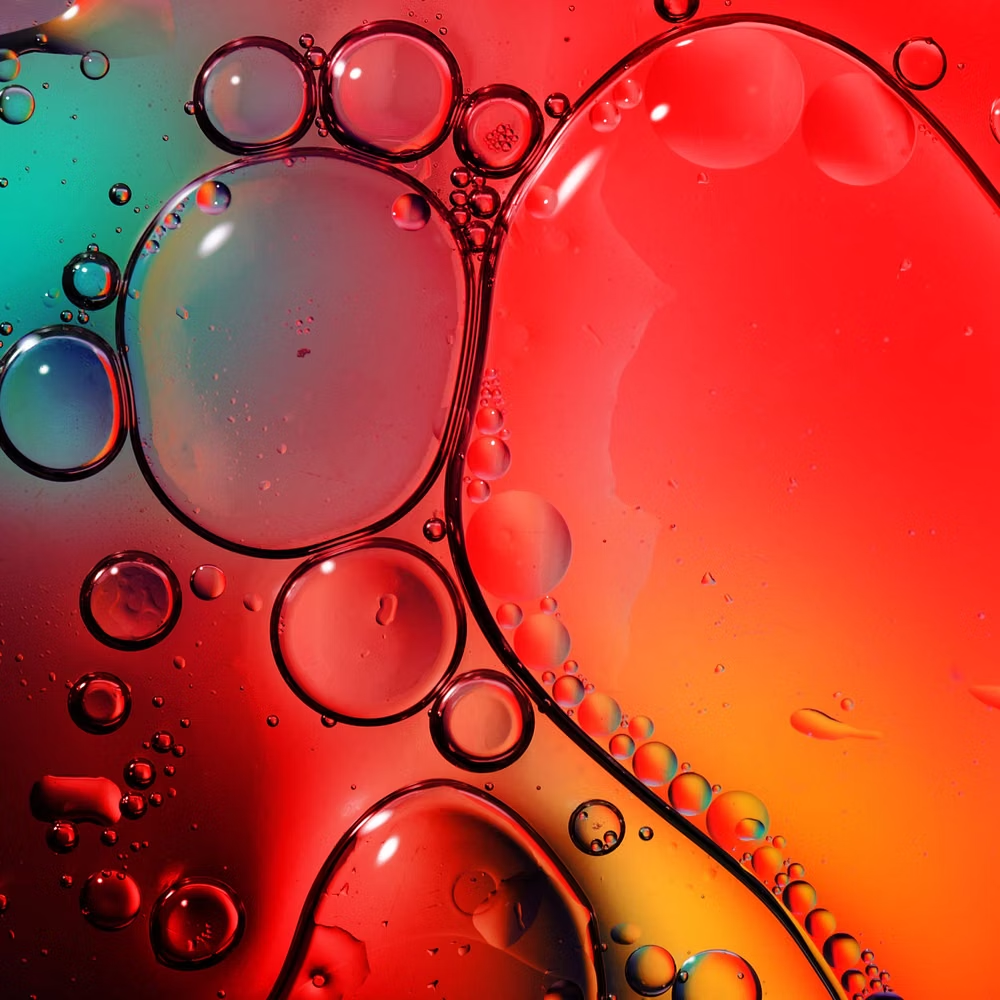
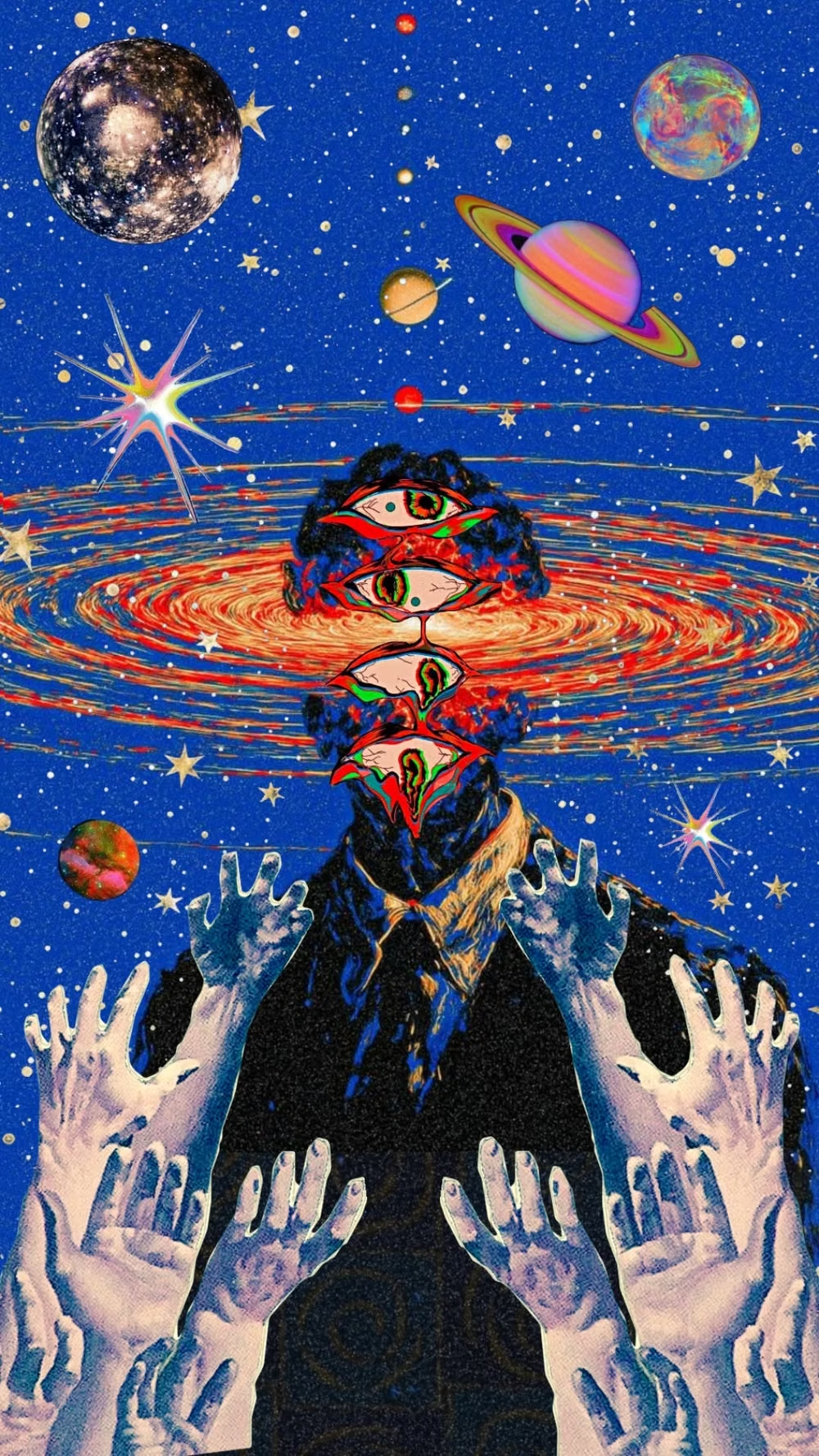
A visual study of the forms, inspirations, materials, colors, type, and cultural references associated with this UI design style.
Design principles and implementation
Use these principles to write a focused AI UI design prompt instead of asking for a vague visual treatment.
Color direction
Use saturated complementary and near-neon hues in deliberate acid harmonies, balancing hot colors with deep dark pockets for visual rest. In a daisyUI theme, use hot magenta or orange for `primary`, acid cyan or lime for `secondary`, and step `base-100`, `base-200`, and `base-300` through deep purple, near-black violet, and black.
Imagery direction
Choose kaleidoscopic photography, surreal creatures, cosmic scenes, liquid marbling, florals, eyes, and hand-rendered poster ornament.
Content density
Allow high visual density but keep practical copy medium to low, placing schedules, prices, or controls on calmer solid-color fields.
Motion direction
Morph liquid forms, rotate kaleidoscopes, breathe scale, and drift layers at slow hypnotic tempos without obscuring the next action.
Shape language
Use paisleys, spirals, melting contours, radiating petals, wavy borders, and dense organic pattern with few rigid rectangles. In daisyUI themes, set the `--radius-*` variables between `1rem` and `2rem`.
Typography rules
Use warped or bulbous display lettering only at large sizes, pair it with a plain reading face, and preserve recognizable word silhouettes.
Suggested Typfaces
Shrikhand
Fresh daisies glow in warm sunlight
Fresh daisies glow in warm sunlight
1 2 3 4 5 6 7 8 9 0
Fascinate
Fresh daisies glow in warm sunlight
Fresh daisies glow in warm sunlight
1 2 3 4 5 6 7 8 9 0
Modak
Fresh daisies glow in warm sunlight
Fresh daisies glow in warm sunlight
1 2 3 4 5 6 7 8 9 0
Monoton
Fresh daisies glow in warm sunlight
Fresh daisies glow in warm sunlight
1 2 3 4 5 6 7 8 9 0
Yatra One
Fresh daisies glow in warm sunlight
Fresh daisies glow in warm sunlight
1 2 3 4 5 6 7 8 9 0
Build a Psychedelic Design interface with daisyUI
The live example translates this direction into daisyUI components and semantic theme tokens.
To generate a full page in the same visual language, give the style name and the design rules above to Blueprint MCP.
Related UI design styles
Compare nearby visual languages that share typography, shapes, use cases, or signature elements.
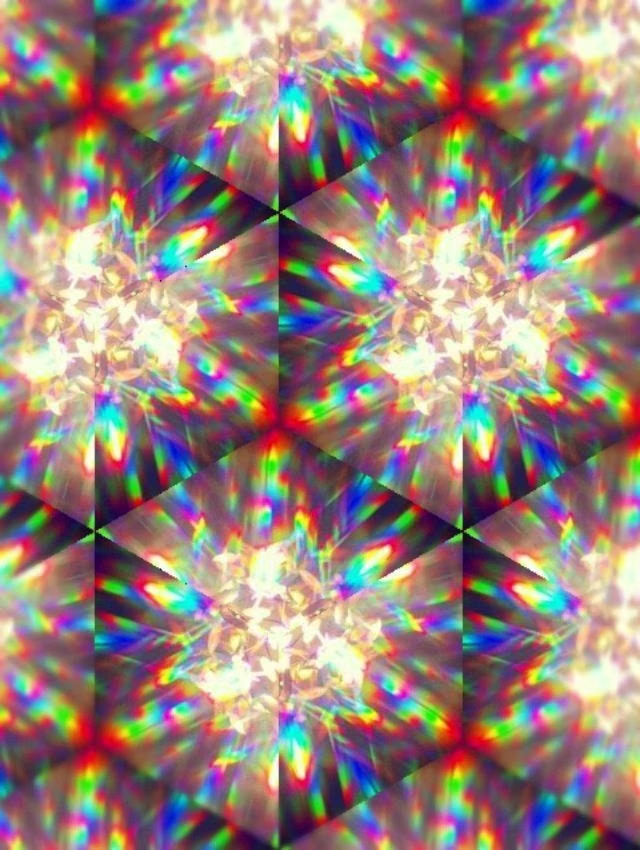
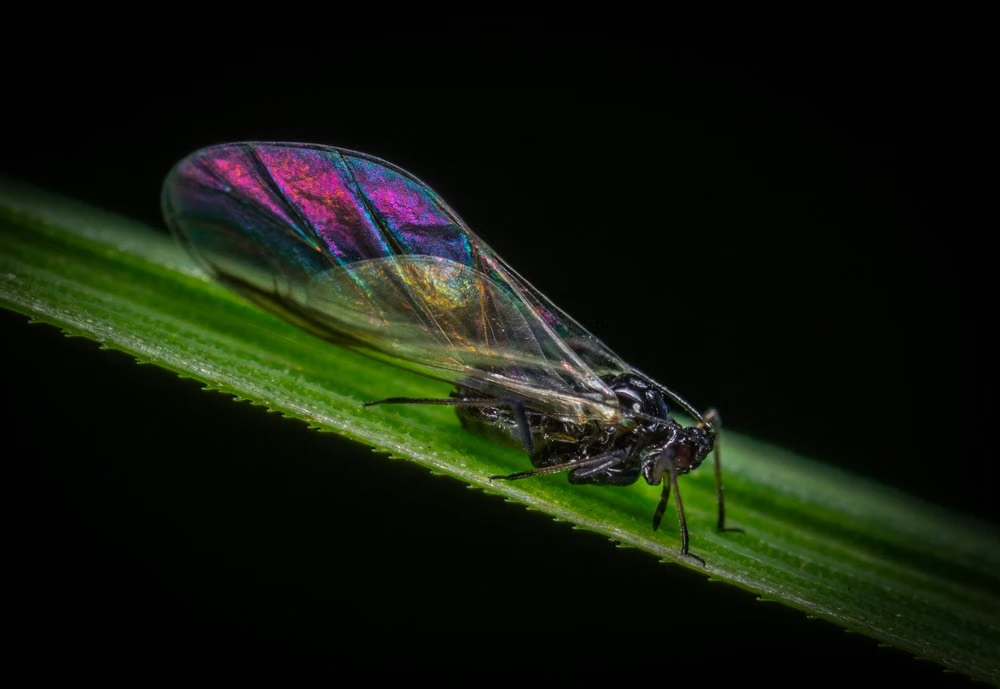
Cyberdelia UI design style
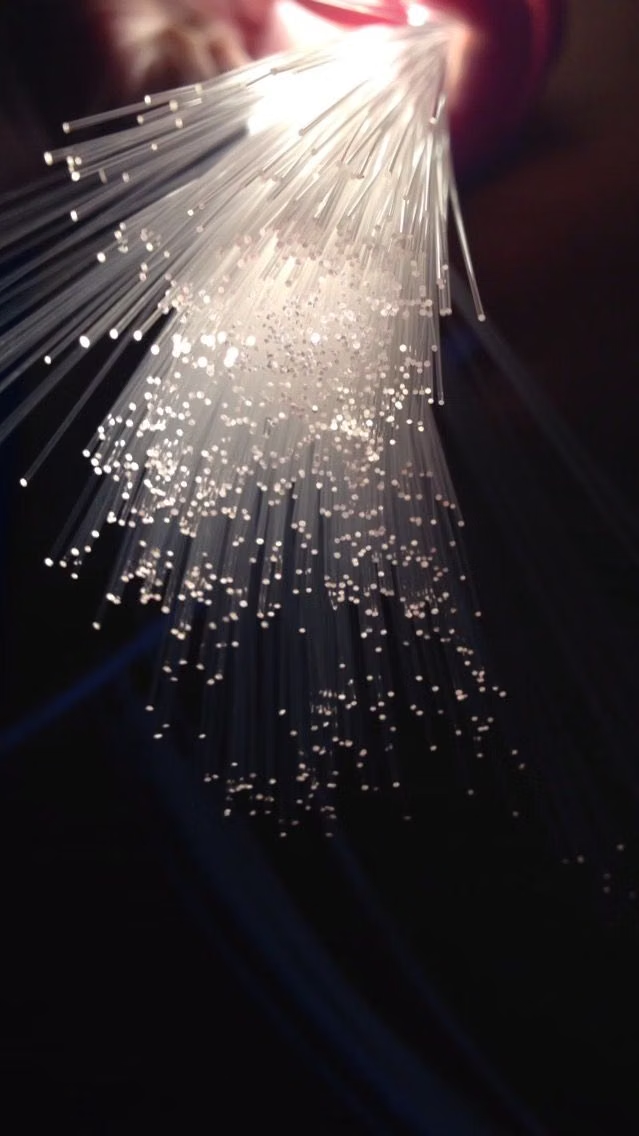
Cyberculture merges with psychedelia through acid color, fractals, kaleidoscopic imagery, early 3D type, and rave-era digital optimism.
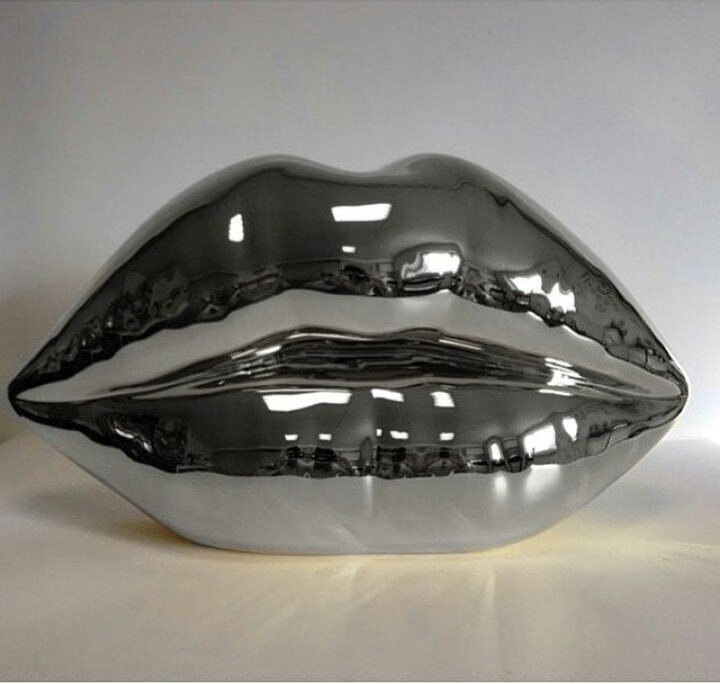
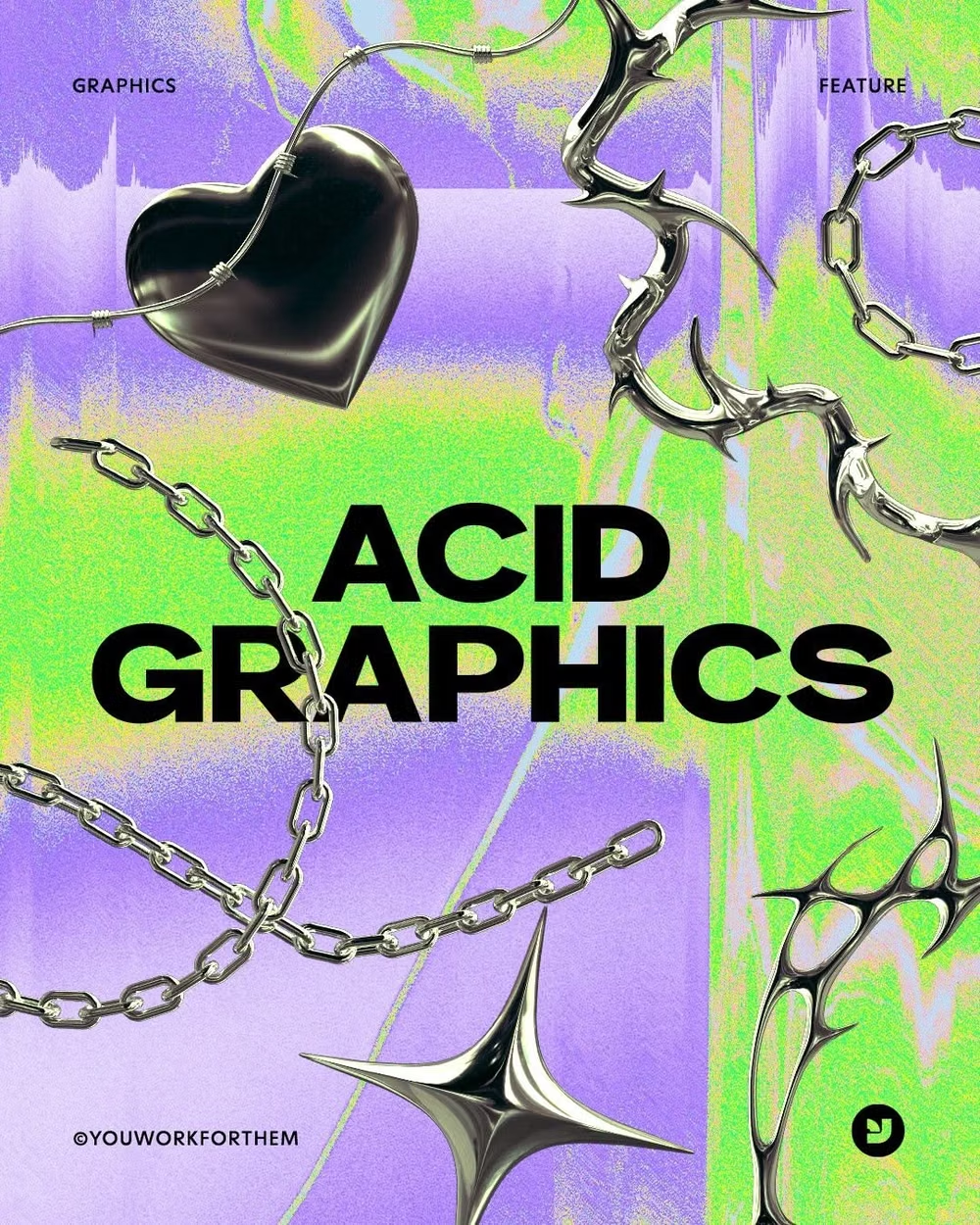
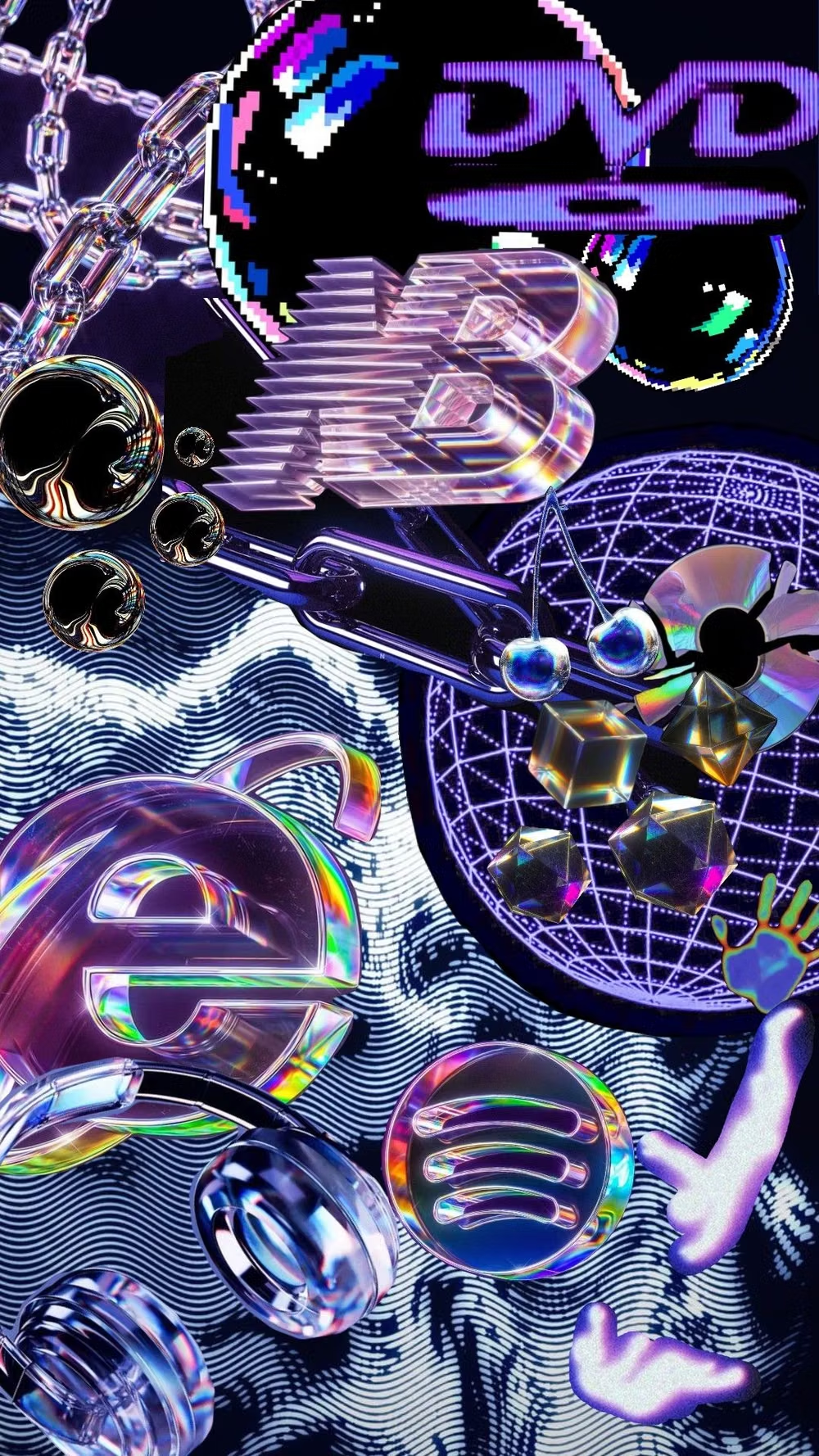
Acid Graphics UI design style
Fluorescent colors, warped typography, chrome details, distortion, dense layering, and underground rave energy.
Afrofuturism UI design style
African and diasporic cultural references combine with speculative technology, cosmic imagery, bold pattern, and future-facing storytelling.